
Is peanut butter high in protein?
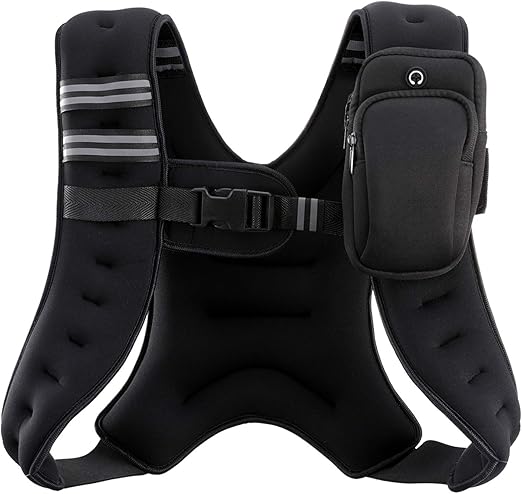
🏋️♂️ ZELUS Weighted Vest – Boost Your Workout Performance!
Available in 6lb to 30lb sizes with reflective stripes. Perfect for strength training, running, fitness, weightlifting, and weight loss.
💥 Get Yours Now for Under $32!
⚖️ Etekcity Digital Bathroom Scale – Precision You Can Trust!
Sleek design with a large blue backlit LCD, high-precision sensors, and durable 6mm tempered glass. Supports up to 400 lbs.
🔥 Shop Now for Under $149!Is Peanut Butter High in Protein?
Peanut butter is a beloved pantry staple in many American households, known not only for its creamy texture and rich flavor but also for its nutritional benefits. For fitness enthusiasts and health-conscious individuals, one of the most pressing questions is, “Is peanut butter high in protein?” In this article, we will explore the protein content of peanut butter, its nutritional profile, and how it can fit into a balanced diet. Whether you’re a seasoned athlete or just looking to maintain a healthy lifestyle, understanding the role of peanut butter in your diet is essential.
Nutritional Profile of Peanut Butter
Before diving into the protein content specifically, let’s take a closer look at the overall nutritional profile of peanut butter. Here is a breakdown of the typical nutritional contents found in a 2-tablespoon serving (about 32 grams) of standard peanut butter:
- Calories: 190
- Protein: 7-8 grams
- Total Fat: 16 grams
- Saturated Fat: 3 grams
- Carbohydrates: 6 grams
- Dietary Fiber: 2 grams
- Sugar: 1-3 grams
- Iron: 1% of the Daily Value
- Potassium: 5% of the Daily Value
As you can see, peanut butter is relatively high in calories and fat—mostly healthy fats—but it also provides a decent amount of protein. The protein content can vary slightly depending on whether you choose creamy, crunchy, or natural versions, but it generally falls within this range. So, while peanut butter may not be the most protein-dense food available, it still contributes significantly to your daily intake.
How Does Peanut Butter Compare to Other Protein Sources?
To truly understand peanut butter’s protein content, it’s helpful to compare it with other common protein sources. Here is a comparison of peanut butter against some popular options:
- Chicken Breast (3 oz): Approximately 26 grams of protein
- Eggs (2 large): About 12 grams of protein
- Greek Yogurt (1 cup): Typically 20 grams of protein
- Lentils (1 cup cooked): Roughly 18 grams of protein
- Almond Butter (2 tbsp): About 7 grams of protein
When you stack peanut butter up against these sources, it becomes clear that while it is a decent protein source, it’s not in the same league as animal proteins or legumes. However, peanut butter excels in its versatility and ease of incorporation into meals and snacks.
Health Benefits of Peanut Butter
Peanut butter is not just about protein; it offers a variety of health benefits that make it a worthwhile addition to your diet. Here are some noteworthy benefits:
- Heart Health: The monounsaturated fats found in peanut butter can help reduce bad cholesterol levels and lower the risk of heart disease.
- Nutrient Dense: Peanut butter is rich in essential vitamins and minerals, including Vitamin E, magnesium, and niacin, which all play critical roles in bodily functions.
- Satiety: The combination of protein and healthy fats helps keep you full for longer, which can aid in weight management by reducing the urge to snack unnecessarily.
- Potentially Reduces Risk of Diabetes: Some studies suggest that consuming nuts, including peanut butter, may lower the risk of type 2 diabetes due to their effects on insulin sensitivity.
- A Convenient Protein Source: Its ease of use makes peanut butter an ideal protein source for busy individuals. Spread it on whole grain bread, add it to smoothies, or enjoy it with fruits like bananas or apples.
The Protein Quality of Peanut Butter
While peanut butter contains protein, it’s essential to understand the quality of that protein. Protein quality is often determined by its amino acid profile. Peanut butter is considered a complete protein because it contains all nine essential amino acids, but it has them in lower amounts compared to animal proteins.
The amino acids in peanut butter include:
- Leucine
- Isoleucine
- Valine
- Lysine (lower amounts)
- Threonine
- Methionine
- Phenylalanine
- Histidine
- Arginine
This amino acid makeup makes peanut butter a valuable addition to a varied diet, especially when combined with other protein sources such as grains or dairy to form a complete protein profile.
Incorporating Peanut Butter into Your Diet
If you’re looking to add peanut butter to your diet for its protein content or overall benefits, here are some delicious and nutritious ways to do so:
1. Smoothies
Add a tablespoon of peanut butter to your morning smoothie. It pairs well with bananas, coconuts, or protein powder and can create a satisfying post-workout drink.
2. Whole Grain Toast
Spread peanut butter on whole grain toast and top it with sliced bananas or strawberries. This easy breakfast combines carbs, fats, and proteins for sustained energy.
3. Snack Dip
Use peanut butter as a nutritious dip for celery, apple slices, or carrots. This combination offers a satisfying crunch while providing fiber and healthy fats.
4. Baking
Incorporate peanut butter into baked goods like cookies, energy bars, or breakfast muffins. This can enhance flavor while adding healthy fats and protein.
5. Salads
Peanut butter can be used in salad dressings for a rich, creamy texture. Combine it with soy sauce, lime juice, and honey for a delicious Asian-inspired dressing.
Considerations When Consuming Peanut Butter
While peanut butter does have many benefits, there are a few considerations to keep in mind when incorporating it into your diet:
- Portion Control: Due to its high-calorie content, moderation is key. Stick to a serving size of 2 tablespoons to avoid excess calorie intake.
- Added Sugars and Oils: Opt for natural or unsweetened peanut butters to avoid unnecessary added sugars and unhealthy oils.
- Allergies: Peanut allergies are common, and for those affected, consuming peanut butter can lead to serious allergic reactions. Always consult a healthcare professional if unsure.
- Omega-6 Fatty Acids: Peanut butter is high in omega-6 fatty acids, which, while essential, should be balanced with omega-3 intake for optimal health.
Final Notes on Protein in Peanut Butter
So, is peanut butter high in protein? While it may not be as protein-rich as some other foods, it does provide a respectable amount of protein along with various health benefits. Its inclusion in a balanced diet can help you meet your nutritional needs while offering a delicious option for meals and snacks.
Whether you leverage its protein content for muscle recovery, enjoy its rich flavor, or simply love its versatility, peanut butter can serve an essential role in your dietary routine. Remember to select high-quality options and balance your intake with other protein sources for a well-rounded diet. Enjoy peanut butter as part of a healthy lifestyle and reap the benefits it offers!


Related Articles
Our HOME in English: Common questions about the requirements and approval difficulty for getting a personal Tea Weight Loss, especially regarding credit score

Is Peanut Butter High in Protein?
Are you looking for a delicious and satisfying way to boost your protein intake while navigating your weight loss journey? Look no further than peanut butter! This creamy spread is not only a versatile pantry staple but also a powerhouse of nutrients. Packed with healthy fats, vitamins, and minerals, peanut butter is an excellent source of protein, making it an ideal choice for those aiming to lose weight without sacrificing flavor or satisfaction. In this article, we’ll address common questions about peanut butter’s protein content, helping you make informed dietary choices.
Frequently Asked Questions
1. How much protein is in peanut butter?
One tablespoon of peanut butter contains about 3.5 grams of protein. A typical serving of 2 tablespoons offers around 7 grams, making it a substantial protein source for snacks or meals.
2. Is peanut butter good for weight loss?
Yes! When consumed in moderation, peanut butter can aid in weight loss. Its protein and healthy fats help keep you full, reducing overall calorie intake.
3. What types of peanut butter have the most protein?
Natural styles with no added sugars or oils may have slightly higher protein content than processed varieties. Always check the nutrition label!
4. Can peanut butter help with muscle building?
Absolutely! The protein content in peanut butter can assist in muscle recovery and growth alongside a balanced diet and exercise routine.
5. Is there a difference between creamy and crunchy peanut butter in protein content?
Generally, both creamy and crunchy varieties contain similar protein levels. However, always check the packaging for specific nutrition information.
6. How many calories are in peanut butter?
Two tablespoons of peanut butter typically contain about 190-210 calories. Keep portion sizes in mind to manage calorie intake during weight loss.
7. Can I eat peanut butter every day while trying to lose weight?
Yes, but moderation is key. Aim for a balanced diet and don’t exceed recommended serving sizes to maintain a healthy calorie balance.
8. Can peanut butter help reduce appetite?
Yes, the protein and fat content in peanut butter can help increase feelings of fullness, reducing snacking and overall calorie consumption.
9. Is all peanut butter created equal?
No, peanut butters can vary widely in terms of added sugars, oils, and other additives. Opt for natural options for the healthiest choice.
10. Is organic peanut butter better for protein intake?
Organic peanut butter often doesn’t differ significantly in protein from conventional types, but it may lack added sugars and chemicals.
11. What is the best way to incorporate peanut butter into my diet?
Spread it on whole-grain toast, blend it into smoothies, or pair it with fruits like apples and bananas for a nutritious snack.
12. Are there any health concerns with eating peanut butter?
Allergies are the primary concern. If you’re allergic, avoid it entirely. Also, watch for added sugars in processed versions.
13. How does peanut butter compare to other protein sources?
Peanut butter offers a plant-based protein option with healthy fats, but it may not provide as much protein as animal products like chicken or eggs.
14. Should I choose low-fat peanut butter?
Low-fat options often contain added sugars or fillers, reducing their nutritional value. Whole, natural peanut butter is typically a better choice.
15. Can peanut butter be part of a low-carb diet?
Yes, peanut butter is low in carbs and can be included in low-carb diets if consumed in moderation. Always check for added sugars.
Conclusion
In summary, peanut butter is indeed high in protein and offers numerous benefits for weight loss when included in a balanced diet. Its satisfying taste and texture make it a favorite among those seeking healthy snacks. Remember to choose natural varieties to maximize health benefits and keep an eye on portion sizes. Embrace peanut butter as a delightful addition to your meals and snacks, giving you the energy and nutrients needed on your weight loss journey. With its rich flavor and protein-packed profile, it’s a perfect ally in achieving your goals!


