
Is peanut butter good for you to lose weight?
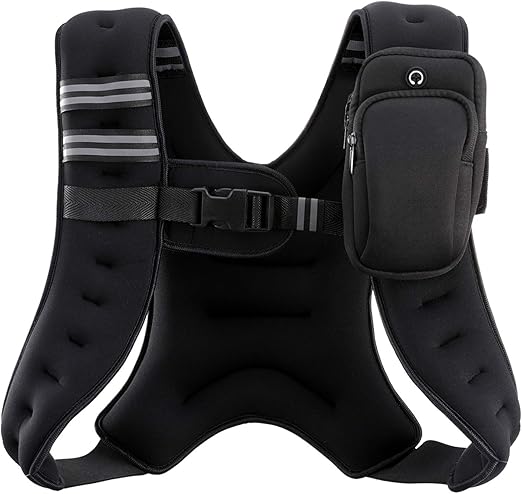
🏋️♂️ ZELUS Weighted Vest – Boost Your Workout Performance!
Available in 6lb to 30lb sizes with reflective stripes. Perfect for strength training, running, fitness, weightlifting, and weight loss.
💥 Get Yours Now for Under $32!
⚖️ Etekcity Digital Bathroom Scale – Precision You Can Trust!
Sleek design with a large blue backlit LCD, high-precision sensors, and durable 6mm tempered glass. Supports up to 400 lbs.
🔥 Shop Now for Under $149!Is Peanut Butter Good for You to Lose Weight?
Peanut butter is a beloved staple in American households, often found slathered on toast, blended into smoothies, or enjoyed straight from the jar. However, many people wondering about weight loss may ponder: “Is peanut butter good for me to lose weight?” This article explores the nutritional benefits and potential drawbacks of peanut butter, how it fits into a weight loss strategy, and answers common questions readers may have.
Nutritional Profile of Peanut Butter
Before diving into its weight loss implications, it’s essential to understand the nutritional content of peanut butter. A typical two-tablespoon serving of peanut butter contains:
- Calories: Approximately 190-200 calories
- Protein: Around 7-8 grams
- Fat: About 16 grams (most are healthy monounsaturated and polyunsaturated fats)
- Carbohydrates: 6-7 grams
- Fiber: 2-3 grams
- Vitamins and Minerals: Rich in Vitamin E, magnesium, phosphorus, and niacin
The combination of healthy fats, protein, and fiber makes peanut butter a nutrient-dense food that can keep you fuller longer, which is crucial when trying to lose weight.
How Peanut Butter Contributes to Weight Loss
1. Satiety and Hunger Control
Due to its high protein, fat, and fiber content, peanut butter can help regulate hunger hormones. Consuming peanut butter can lead to increased feelings of fullness, which may help you reduce overall calorie intake throughout the day. Studies have indicated that including peanut butter in a meal may help manage appetite and mitigate cravings, making it easier to stick to a calorie deficit.
2. Nutrient-Dense Snack Option
When choosing snacks in a weight loss journey, nutrient density matters. Peanut butter is not only high in calories but also packed with vitamins, minerals, and antioxidants. Opting for peanut butter on whole grain toast, apple slices, or celery sticks provides a balanced, nourishing snack that can keep energy levels stable without resorting to processed snacks that are often higher in sugar and unhealthy fats.
3. Healthier Alternative to Processed Fats
Replacing high-sugar, high-fat snacks with peanut butter can be a smart move. While it’s calorie-dense, it’s richer in nutrients and healthy fats than many junk foods, making it a healthier choice overall. Using peanut butter instead of butter or margarine in recipes can also reduce unhealthy fat intake.
The Role of Portion Control
While peanut butter can be beneficial for weight loss, portion control is critical. It’s easy to overconsume this tasty spread, leading to an excess in calories that may counteract weight loss efforts. Here are a few strategies to help you enjoy peanut butter responsibly:
- Measure Your Portions: Stick to a standard serving size, which is usually two tablespoons.
- Opt for Natural Varieties: Choose peanut butters that have minimal added sugars or unhealthy oils.
- Pair Smartly: Combine peanut butter with fruits or vegetables to add bulk and nutrients without greatly increasing calorie intake.
Potential Drawbacks of Peanut Butter
1. Caloric Density
As mentioned earlier, peanut butter is high in calories. For those in a calorie-restricted diet, this can be a double-edged sword. While it’s nutrient-rich, eating excessive quantities can lead to weight gain rather than loss. Moderation is key.
2. Added Ingredients
Not all peanut butters are created equal. Many commercial brands add sugar, hydrogenated oils, and other additives that can detract from health benefits. Always check the ingredient label and opt for options with minimal ingredients—ideally just peanuts and salt.
3. Allergies
Peanut allergies are common and can lead to severe health reactions. If you or someone in your household has a peanut allergy, it’s crucial to avoid peanut butter altogether and consider alternative spreads such as almond butter or sunflower seed butter.
Creative Ways to Incorporate Peanut Butter for Weight Loss
Incorporating peanut butter into your diet doesn’t have to be boring. Here are some creative and delicious ways to enjoy it while staying aligned with weight loss goals:
- Peanut Butter and Banana Toast: Spread peanut butter on whole-grain bread and top with banana slices for a quick breakfast.
- Smoothies: Blend peanut butter into your morning smoothie with spinach, banana, and unsweetened almond milk for added creaminess.
- Oatmeal Topping: Stir a spoonful of peanut butter into your oatmeal for a rich source of protein and flavor.
- Yogurt Parfait: Mix peanut butter into Greek yogurt and layer with berries for a satisfying snack.
- Peanut Butter Energy Balls: Combine oats, honey, and peanut butter to make energy bites perfect for on-the-go snacking.
What the Research Says
Several studies have explored the impact of nuts and nut butters on weight loss, and the findings are often positive. Research indicates that consuming nut butters, including peanut butter, can be associated with lower body weights and reduced body fat in certain populations. For example:
- A study published in the American Journal of Clinical Nutrition found that nut consumption was linked to lower body mass index (BMI).
- Another research article in the Archives of Internal Medicine noted that individuals who consumed nuts regularly had a lesser tendency to gain weight over time.
While these findings suggest that peanut butter can be part of a weight loss-friendly diet, it’s essential to combine it with a well-rounded diet and regular physical activity for the best results.
Conclusion
In summary, peanut butter has the potential to be a valuable addition to a weight loss diet when consumed in moderation. Its rich nutrient profile offers satiety, making it easier to manage hunger and stick to your weight loss goals. However, moderation and the quality of the product you choose are essential. By being mindful of your portion sizes and opting for natural varieties, you can enjoy the many benefits of peanut butter while working toward a healthier you.


Related Articles
Our HOME in English: Common questions about the requirements and approval difficulty for getting a personal Tea Weight Loss, especially regarding credit score

For many, the journey to weight loss can feel overwhelming, with countless diets and food trends vying for attention. One food that often comes up in discussions about diet and nutrition is peanut butter. Known for its rich flavor and creamy texture, peanut butter has its fans and detractors. But is it actually a good choice for those looking to shed extra pounds? Let’s explore the benefits and drawbacks of including peanut butter in your weight loss plan, while providing the information you need to make informed choices.
Benefits of Peanut Butter for Weight Loss
Peanut butter can be beneficial in a weight loss plan due to:
- High protein content: A 2-tablespoon serving has about 8 grams of protein, which can keep you satiated.
- Healthy fats: The monounsaturated and polyunsaturated fats are heart-healthy and can help curb hunger.
- Fiber: Contains dietary fiber which aids digestion and promotes feelings of fullness.
- Versatile use: Easily incorporated into smoothies, snacks, and meals, making it a convenient choice.
Possible Drawbacks
However, there are a few things to consider:
- Caloric density: Peanut butter is high in calories, which means moderation is key.
- Added sugars: Some brands have added sugars and unhealthy oils, so read labels carefully.
Conclusion
In summary, peanut butter can be a useful part of a weight loss strategy when consumed mindfully. Its combination of protein, healthy fats, and fiber may help manage hunger and satisfy cravings. By choosing natural options without added sugars and keeping portion sizes in check, you can enjoy the benefits of peanut butter. Remember, including it as a part of a varied diet, along with regular physical activity, is the best roadmap to weight loss success.
FAQ
1. Can peanut butter help with weight loss?
Yes, when eaten in moderation, its high protein and healthy fat content can help keep you full and reduce overall calorie intake.
2. How much peanut butter should I eat daily for weight loss?
A typical serving is about 2 tablespoons. Consuming this amount allows you to enjoy the benefits without overdoing calories.
3. Is natural peanut butter better for weight loss?
Yes, natural peanut butter typically contains fewer additives, including sugars and unhealthy fats, making it a healthier option.
4. Can I eat peanut butter on a low-carb diet?
Yes, it can fit into low-carb diets since it’s relatively low in carbs and high in healthy fats and protein.
5. Does peanut butter make you gain weight?
Only if consumed in excess. Moderation is key to enjoying peanut butter without unwanted weight gain.
6. Is peanut butter a good snack for weight loss?
Definitely! Pair it with fruits or veggies for a balanced snack that keeps you satisfied.
7. What are the best ways to use peanut butter for weight loss?
Try spreading it on whole-grain toast, mixing it into smoothies, or using it as a dip for fruits and vegetables.
8. Can I eat peanut butter every day?
Yes, as long as it fits within your daily calorie goals. Just practice portion control.
9. Is flavored peanut butter healthy for weight loss?
Flavored varieties often contain added sugars. Opt for natural options without sweeteners for better health.
10. How many calories are in peanut butter?
About 190-210 calories per 2-tablespoon serving, depending on the brand and type.
11. Is peanut butter good for breakfast?
Absolutely! It can provide lasting energy when added to oatmeal or smoothies, making for a nutrient-rich start to the day.
12. What other nut butters are good for weight loss?
Almond butter and cashew butter are also excellent choices, offering unique flavors and nutrients.
13. Can I eat peanut butter while trying to build muscle?
Yes, the protein and healthy fats can aid muscle recovery and growth when consumed in a balanced diet.
14. Does organic peanut butter make a difference for weight loss?
Organic peanut butter often has fewer additives, providing a cleaner option to include in your diet.
15. Will peanut butter help control my cravings?
Many people find the combination of protein and fat in peanut butter reduces cravings, helping with weight management.


