
How much protein is in oatmeal?
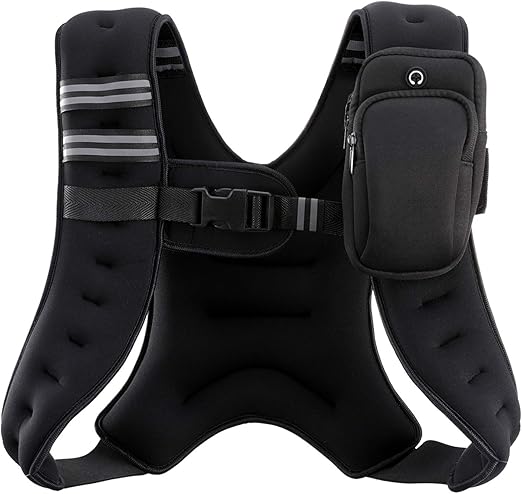
🏋️♂️ ZELUS Weighted Vest – Boost Your Workout Performance!
Available in 6lb to 30lb sizes with reflective stripes. Perfect for strength training, running, fitness, weightlifting, and weight loss.
💥 Get Yours Now for Under $32!
⚖️ Etekcity Digital Bathroom Scale – Precision You Can Trust!
Sleek design with a large blue backlit LCD, high-precision sensors, and durable 6mm tempered glass. Supports up to 400 lbs.
🔥 Shop Now for Under $149!How Much Protein is in Oatmeal?
When it comes to finding healthy breakfast options that fill you up and fuel your day, oatmeal often tops the list. But, you might be wondering, how much protein is in oatmeal? This article will dive deep into the protein content of oatmeal, explore the various types available, and discuss how it fits into your overall diet and weight loss goals.
Understanding Oatmeal’s Nutritional Profile
Oatmeal isn’t just a comforting breakfast choice; it’s also packed with essential nutrients. On average, a serving of cooked oatmeal (about one cup) contains:
- Calories: Approximately 150
- Protein: 6 grams
- Carbohydrates: 27 grams
- Dietary Fiber: 4 grams
- Fat: 3 grams
Now, let’s break down the protein content specifically. While oatmeal is not the highest source of protein compared to other foods, it contributes a decent amount to your daily intake, especially when combined with other protein sources.
Types of Oatmeal and Their Protein Content
Different types of oatmeal can vary in their nutritional makeup, including protein content. Here are the most common types:
1. Instant Oatmeal
Instant oatmeal typically has around 4-5 grams of protein per serving. However, watch out for added sugars in flavored varieties.
2. Rolled Oats
Rolled oats usually provide about 6-7 grams of protein per cooked cup. They are less processed than instant oats, making them the healthier choice.
3. Steel-Cut Oats
Steel-cut oats are the least processed kind and often contain around 7 grams of protein per serving. They take longer to cook but are beneficial for sustained energy.
4. Oat Bran
Oat bran is particularly high in protein, boasting around 15 grams per 100 grams serving. It’s great for those looking to boost their protein intake.
How Does Oatmeal Fit into a Balanced Diet?
Incorporating oatmeal into your diet can offer various health benefits, especially if you’re focused on weight management. Here’s why oatmeal is an excellent choice:
- High in Fiber: The dietary fiber in oatmeal promotes satiety, helping you feel full longer, thereby reducing the likelihood of snacking.
- Complex Carbohydrates: Oatmeal is a source of complex carbs, which provide sustained energy without the crash associated with simple sugars.
- Heart Health: Oats contain beta-glucan, a type of soluble fiber linked to lower cholesterol levels.
Boosting Oatmeal’s Protein Content
If you find the protein content of plain oatmeal to be on the lower side, there are several easy ways to enhance its protein level:
- Add Nut Butters: A tablespoon of almond or peanut butter can add an additional 3-4 grams of protein.
- Top with Greek Yogurt: A serving of Greek yogurt can add 10-15 grams of protein, making for a creamy, delicious breakfast.
- Add Protein Powder: Mixing in a scoop of protein powder can give you another 20-30 grams of protein, depending on the brand.
- Include Seeds: Chia seeds or hemp seeds mix well with oatmeal and provide additional fiber and protein.
Comparing Oatmeal to Other Breakfast Foods
When evaluating breakfast options, you may be curious about how oatmeal stacks up against other common choices in terms of protein content. Here’s a quick comparison:
- Smoothies: Depending on the ingredients, smoothies can range from 5-30 grams of protein.
- Eggs: A large egg contains about 6 grams of protein, making eggs a protein-rich breakfast.
- Greek Yogurt: Typically contains around 10 grams of protein per serving, making it a strong competitor for high protein breakfasts.
- Pancakes: Basic pancakes have about 4-6 grams of protein, but variations can vary widely based on ingredients.
Oatmeal and Weight Loss
With an eye on weight loss, the benefits of oatmeal go beyond just protein content. Here’s why oatmeal can be an integral part of a weight management plan:
- Low Calorie Density: Oatmeal is low in calories relative to its volume, allowing for satisfying portions without excessive calories.
- Regulates Blood Sugar: The slow-digesting carbs in oats can help maintain stable blood sugar levels, which can prevent cravings.
- Easy to Prepare: Oatmeal is quick and easy to make, making it a more sustainable breakfast option for busy mornings.
How to Prepare Oatmeal for Maximum Benefits
Preparing oatmeal is simple, but how you do it can enhance its benefits. Here are some pro tips:
- Use water or milk: Cooking your oatmeal in milk (dairy or plant-based) can increase the protein content significantly.
- Consider Overnight Oats: Preparing overnight oats can save time and provide a wholesome breakfast that’s ready to eat in the morning.
- Flavor Wisely: Use natural sweeteners like honey or maple syrup instead of sugar to keep it healthy.
Oatmeal Recipes to Try
To keep your oatmeal interesting and nutritious, here are a couple of recipes to consider:
Protein-Packed Overnight Oats
- ½ cup rolled oats
- 1 cup unsweetened almond milk
- 1 scoop vanilla protein powder
- 1 tablespoon almond butter
- 1 tablespoon chia seeds
- Top with fresh berries
Savory Oatmeal Bowl
- ½ cup steel-cut oats, cooked
- 1 fried egg
- ½ avocado, sliced
- 1 tablespoon nutritional yeast
- Salt and pepper to taste
Experimenting with different ingredients can help you find the perfect balance of flavors and protein tailored to your taste buds.
Final Thoughts on Oatmeal as a Protein Source
Understanding how much protein is in oatmeal is just the beginning. With the right additions and preparation methods, oatmeal can be a filling, nutritious, and protein-rich meal that aligns with your health goals. Whether you’re looking to lose weight, build muscle, or simply enjoy a warm, hearty breakfast, oatmeal can fit the bill. By incorporating a variety of protein-rich ingredients, you can turn this wholesome grain into a powerhouse breakfast option that keeps you energized throughout the day.


Related Articles
Our HOME in English: Common questions about the requirements and approval difficulty for getting a personal Tea Weight Loss, especially regarding credit score

If you’re looking to boost your protein intake while managing your weight, oatmeal is an excellent choice. It’s not only a versatile breakfast option but is also packed with nutrients that support your weight loss journey. Many people wonder how much protein is in oatmeal, and it’s crucial to understand its nutritional benefits. Oatmeal can be tailored to fit your dietary needs, making it a great foundation for a healthy meal. In this article, we will explore how much protein is in oatmeal and answer some common questions related to this wholesome grain.
Nutritional Value of Oatmeal
Oatmeal largely consists of carbohydrates, but it also contains a notable amount of protein. On average, a cup of cooked oatmeal (about 234 grams) provides approximately 6 grams of protein. However, this can vary based on the type of oats you choose.
Types of Oats and Their Protein Content
- Instant Oats: About 5 grams of protein per cup cooked.
- Rolled Oats: Approximately 6 grams of protein per cup cooked.
- Steel-Cut Oats: Roughly 7 grams of protein per cup cooked.
Conclusion
In summary, oatmeal is a great source of protein that can help you feel satisfied and energized throughout your day, especially when trying to lose weight. Incorporating oatmeal into your diet not only provides essential nutrients but also supports your weight loss goals by keeping hunger at bay. Consider adding fruits, nuts, or seeds to enhance the protein content even further, making breakfast a nutritious start. With its rich texture and ability to absorb flavors, oatmeal can easily become a staple in your healthy eating plan.
FAQs
How much protein is in one serving of oatmeal?
One serving of cooked oatmeal (about 1 cup) contains around 6-7 grams of protein, depending on the type of oats used.
Is oatmeal a good source of protein?
Yes, oatmeal contains a moderate amount of protein compared to other grains, making it a good option for a balanced diet.
Can you increase the protein content of oatmeal?
Absolutely! You can add ingredients like nuts, seeds, protein powder, or Greek yogurt to boost the protein content of your oatmeal.
What types of oats are best for weight loss?
Steel-cut oats are generally considered the healthiest option for weight loss due to their lower glycemic index and higher fiber content.
How do the protein levels compare in different oats?
Steel-cut oats have more protein than instant or rolled oats. For best protein content, choose steel-cut or rolled oats.
How much protein should I eat for weight loss?
Nutritionists often recommend consuming 15-25% of your daily calorie intake from protein-rich foods when trying to lose weight.
Is it better to eat oatmeal raw or cooked?
Cooked oatmeal is easier to digest and typically more palatable, also maximizing nutrient absorption.
Can oatmeal help keep me full during weight loss?
Yes, the fiber content in oatmeal promotes satiety, helping you feel fuller for longer periods, which is beneficial for weight loss.
Are overnight oats a good protein source?
Yes! Overnight oats can provide a similar amount of protein as cooked oats if prepared with protein-rich ingredients.
What are the health benefits of oatmeal besides protein?
Oatmeal is high in fiber, can lower cholesterol levels, stabilize blood sugar, and provides essential vitamins and minerals.
Is oatmeal gluten-free?
Plain oats are naturally gluten-free, but always check labels as cross-contamination can occur with processed oats.
Can I use oatmeal as a meal replacement?
While oatmeal can be filling, it’s best used as part of a balanced meal rather than a complete meal replacement.
How can I make my oatmeal more nutritious?
You can add fruits, nuts, seeds, or spices like cinnamon to enhance both the nutrition and flavor of your oatmeal.
Does flavored oatmeal have more protein?
Flavored oatmeal typically has added sugars and may not have significantly more protein, so check nutritional labels.
What’s the best time to eat oatmeal for weight loss?
Eating oatmeal in the morning can kickstart your metabolism and keep you satiated well into the day, aiding weight loss.
How does oatmeal impact blood sugar levels?
The soluble fiber in oatmeal helps slow down digestion, which can lead to more stable blood sugar levels after meals.


