
How much protein a day to lose weight?
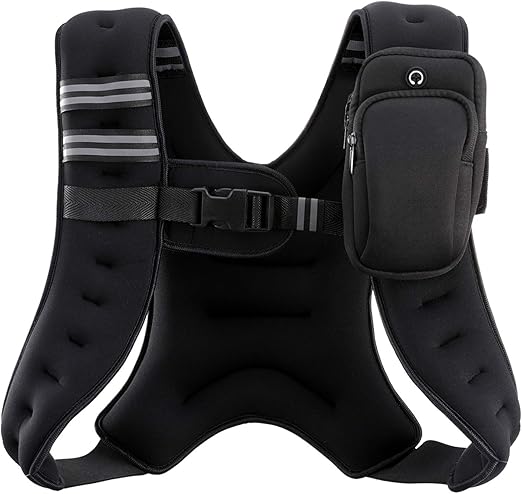
🏋️♂️ ZELUS Weighted Vest – Boost Your Workout Performance!
Available in 6lb to 30lb sizes with reflective stripes. Perfect for strength training, running, fitness, weightlifting, and weight loss.
💥 Get Yours Now for Under $32!
⚖️ Etekcity Digital Bathroom Scale – Precision You Can Trust!
Sleek design with a large blue backlit LCD, high-precision sensors, and durable 6mm tempered glass. Supports up to 400 lbs.
🔥 Shop Now for Under $149!How Much Protein a Day to Lose Weight?
Protein is a vital component of any weight loss journey, but how much do you actually need each day to shed those extra pounds? This question often leads to confusion, into which we will dive deeply. Understanding your protein needs is not just important for weight loss; it also influences muscle preservation, metabolism, and overall well-being. In this article, we will explore the significance of protein in weight loss, how much you should consume, and practical ways to incorporate it into your diet effectively.
Why Protein is Essential for Weight Loss
Protein plays a multi-faceted role when it comes to weight loss. Here are some key reasons why it is crucial:
- Satiety: Protein is known to keep you feeling fuller for longer, reducing hunger pangs and preventing overeating.
- Muscle Preservation: When losing weight, it’s essential to maintain muscle mass. Protein helps ensure that you lose fat rather than muscle.
- Increased Metabolism: A higher protein intake can elevate your metabolism because it takes more energy to digest protein compared to fats and carbohydrates.
Determining Your Daily Protein Needs
Determining how much protein you need each day depends on various factors, including weight, age, physical activity levels, and overall health goals. Here’s a breakdown of how to calculate your individual protein requirements:
General Guidelines
For most adults, the Recommended Dietary Allowance (RDA) for protein is:
- 0.8 grams of protein per kilogram of body weight (about 0.36 grams per pound) for sedentary individuals.
However, if you’re aiming for weight loss, particularly if you’re engaged in regular exercise or strength training, you may require more:
- If you are moderately active: 1.2 to 1.6 grams per kilogram (or 0.54 to 0.73 grams per pound).
- If you’re highly active: 1.6 to 2.2 grams per kilogram (or 0.73 to 1 gram per pound).
The Role of Lean Mass in Protein Calculation
Another approach to determine your protein needs is based on lean body mass. This method can be especially helpful for those looking to increase muscle while losing weight. To find out your protein requirement based on lean mass:
- Calculate your body fat percentage (consult with a healthcare expert if necessary).
- Determine your lean body mass (weight – (weight x body fat percentage)).
- Multiply your lean mass in kilograms by 1.6 to 2.2 grams to get your daily protein requirement.
Adjusting Protein Intake for Goals
Your daily protein needs may vary significantly based on your individual goals. Here’s how to adjust your intake based on different objectives:
Weight Loss
If your objective is weight loss while preserving muscle mass, consider consuming between 1.6 to 2.2 grams of protein per kilogram of your goal body weight. This higher intake will increase satiation and help maintain muscle during a caloric deficit.
Muscle Gain
For those looking to build muscle, protein intake should be at the higher end of the spectrum. Consuming around 2.2 grams per kilogram may be beneficial for muscle synthesis, particularly when combined with strength training.
Maintenance
After reaching your weight loss goal, you may maintain a protein intake of 1.2 to 1.6 grams per kilogram to support your new weight and muscle mass.
How to Incorporate More Protein into Your Diet
Getting enough protein doesn’t have to be challenging. There are myriad delicious ways to boost your intake. Here are some practical tips to help you meet your protein needs:
Choose Lean Protein Sources
Include a variety of lean protein sources in your diet, such as:
- Poultry: Chicken or turkey breast.
- Fish: Salmon, tuna, or tilapia.
- Plant-Based Proteins: Lentils, chickpeas, and quinoa.
- Dairy: Greek yogurt and cottage cheese.
- Protein Supplements: Whey or plant-based protein powders.
Plan Your Meals
Plan your meals to include a protein source at each one. For instance, add eggs to breakfast, include chicken in your lunch salad, and have fish or legumes at dinner.
Snack Wisely
Opt for protein-rich snacks. Here are some great options:
- Hard-boiled eggs: A convenient source of protein.
- Nut butter: Spread it on whole-grain toast or apples.
- Protein bars: Look for those with minimal sugar and high protein content.
Experiment with Recipes
Get creative in the kitchen! Try cooking methods that preserve protein content while adding flavor, such as grilling and roasting. Explore recipes aimed at high-protein meals, like:
- Stir-fried tofu with vegetables
- Quinoa salads
- Egg muffins
Understanding Protein Timing
The timing of your protein intake can further enhance your weight loss efforts. Here’s how:
Distributing Protein Throughout the Day
Rather than having a large protein meal all at once, spread your protein intake across the day. Aim for around 20 to 30 grams of protein per meal to optimize muscle retention and satiety.
Post-Workout Protein
After a workout, consuming protein can support recovery and muscle synthesis. Consider having a protein-rich snack or shake within 30 minutes post-exercise for optimal benefits.
Potential Pitfalls to Avoid
While increasing protein can be beneficial, there are some common pitfalls to be aware of:
Over-Reliance on Supplements
While protein shakes can help meet your goals, think of them as supplements, not replacements. Strive for a nutrient-rich diet consisting of whole foods.
Ignoring Balanced Nutrition
Prioritize a balanced diet inclusive of carbohydrates and healthy fats. Overemphasizing protein might lead to nutrient deficiencies.
Skipping Meals
Don’t skip meals to cut calories; this can backfire. Instead, focus on balanced meals that include enough protein.
Conclusion
Incorporating ample protein into your diet can play a significant role in reaching your weight loss goals. By understanding your unique protein needs based on activity levels and body composition, you can make informed dietary choices that fuel your progress. Remember to embrace a balanced and varied diet, focusing on whole food sources for sustained weight loss and overall health. Transformations take time and consistency, so stay patient and committed, and your efforts will help pave the way to a healthier you.


Related Articles
Our HOME in English: Common questions about the requirements and approval difficulty for getting a personal Tea Weight Loss, especially regarding credit score

How Much Protein a Day to Lose Weight?
Understanding how much protein to consume can be a crucial part of your weight loss journey. Many people seek effective ways to shed pounds and maintain muscle mass, and protein is a key player in this process. It helps increase satiety, boosts metabolism, and preserves lean muscle when creating a calorie deficit. The right amount of protein can vary based on factors like body weight, activity level, and overall health. In this article, we’ll explore how to determine the optimal protein intake for weight loss and address common user questions to guide you on your journey!
Conclusion
In conclusion, to effectively lose weight while ensuring your body receives the nutrients it needs, it is essential to calculate your daily protein requirements accurately. Aim for about 0.6 to 1.0 grams of protein per pound of body weight, depending on your activity levels. Couples this with a balanced diet and regular exercise regime to optimize your weight loss journey. Remember, high-quality protein sources like lean meats, legumes, dairy, and plant-based proteins can make a significant difference. By harnessing the power of protein, you can make strides toward not just losing weight but also maintaining a healthier lifestyle.
FAQs
1. How much protein do I need to lose weight?
Generally, aim for 0.6 to 1.0 grams of protein per pound of body weight, adjusted to your activity level.
2. Can I consume too much protein?
Yes, excess protein can lead to weight gain, kidney strain, and other health issues. Balance is key.
3. How does protein help with weight loss?
Protein increases satiety, boosts metabolism, and helps preserve lean muscle during weight loss.
4. Should I focus on protein more than carbs and fats?
A balanced diet is crucial. Protein is essential, but do not neglect healthy fats and carbs.
5. What are some good protein sources?
- Lean meats (chicken, turkey)
- Fish
- Eggs
- Beans and legumes
- Greek yogurt
6. How can I increase my protein intake?
Incorporate protein-rich foods into every meal and consider protein supplements if needed.
7. Is it better to get protein from animal or plant sources?
Both can be effective. Choose based on dietary preferences and nutritional needs.
8. Can protein shakes help in weight loss?
Yes, protein shakes can help meet protein requirements and aid in muscle recovery, but choose wisely.
9. How much protein should I eat at each meal?
Try to divide your total intake evenly across meals, targeting about 20-30g of protein per meal.
10. What happens if I don’t get enough protein?
Lack of protein can lead to muscle loss, increased hunger, and a slower metabolism.
11. Is it safe to follow a high-protein diet?
For most people, a high-protein diet is safe and effective for weight loss when balanced correctly.
12. How does protein timing affect weight loss?
Distributing protein intake throughout the day can enhance muscle synthesis and support satiety.
13. Can I eat too much protein on a weight loss diet?
Yes, eating excessive protein can lead to unwanted calorie intake and hinder weight loss.
14. What role does protein play in muscle recovery?
Protein repairs and rebuilds muscle tissue, making it essential after workouts.
15. Should I consult a professional for my protein needs?
If unsure, it’s wise to consult a nutritionist or dietitian for personalized recommendations.


