
Can I lose weight by walking 30 minutes everyday?
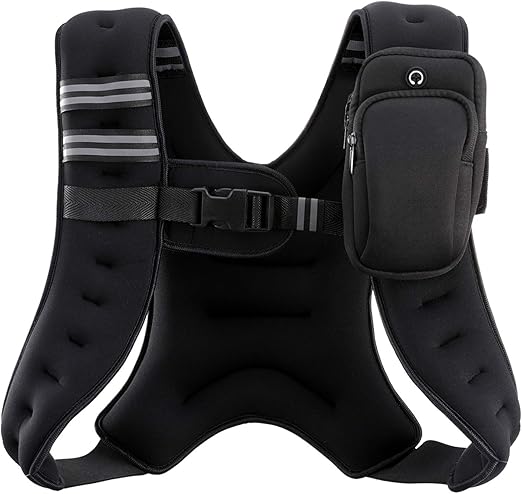
🏋️♂️ ZELUS Weighted Vest – Boost Your Workout Performance!
Available in 6lb to 30lb sizes with reflective stripes. Perfect for strength training, running, fitness, weightlifting, and weight loss.
💥 Get Yours Now for Under $32!
⚖️ Etekcity Digital Bathroom Scale – Precision You Can Trust!
Sleek design with a large blue backlit LCD, high-precision sensors, and durable 6mm tempered glass. Supports up to 400 lbs.
🔥 Shop Now for Under $149!Walking is one of the simplest and most effective forms of exercise out there, but how effective is it for weight loss? If you’ve found yourself asking, “Can I lose weight by walking 30 minutes every day?” you’re not alone. Many people are beginning to realize that incorporating regular walking into their daily routines can lead to significant health benefits, including weight loss. In this article, we will explore the scientific basis behind walking for weight loss, the calories burned, tips to make your walks more effective, and more. Let’s dive in!
The Science Behind Walking as a Weight Loss Strategy
Walking is a low-impact aerobic exercise that can be quite effective for losing weight, especially when combined with a healthy diet. Here’s why:
- Caloric Deficit: Weight loss fundamentally revolves around burning more calories than you consume. Walking helps create that caloric deficit.
- Increased Metabolism: Regular walking can boost your metabolism, making it easier to lose weight even when you’re not walking.
- Improved Mood: Exercise releases endorphins, which can improve your mood and motivation, making it easier to stick to your fitness goals.
- Reduced Stress: Lower stress levels can reduce emotional eating, a common barrier to effective weight loss.
How Many Calories Can You Burn in 30 Minutes of Walking?
The number of calories you burn while walking depends on several factors, including your weight, walking speed, and overall fitness level. Here’s a rough estimate of calories burned:
- If you weigh 125 lbs, you burn approximately 120 calories.
- If you weigh 155 lbs, you burn about 150 calories.
- If you weigh 185 lbs, you can burn around 180 calories.
These values can vary based on your walking pace:
- Slow walk (2 mph): Around 100-150 calories
- Moderate pace (3 mph): Around 150-200 calories
- Fast pace (4 mph): Approximately 200-300 calories
Now, let’s consider how these numbers stack up over time. Walking 30 minutes a day at a moderate pace can lead to a weekly caloric deficit that adds up quickly!
Setting Realistic Weight Loss Goals
When it comes to weight loss, setting achievable and realistic goals is key. Here’s how to create effective weight loss targets:
- Start Small: Aim to lose 1-2 pounds per week. This is recognized as a sustainable weight loss rate.
- Track Your Progress: Use a journal or an app to monitor your daily walks and calorie intake.
- Be Patient: Weight loss doesn’t happen overnight. Commit to walking regularly and give your body time to adjust.
Enhancing Your Walking Routine
To maximize weight loss results from your 30-minute daily walks, consider the following tips:
1. Incorporate Interval Training
To increase calorie burn, mix up your walking pace:
- Brisk Walking: Walk at a faster pace for one minute every five minutes.
- Hill Walking: Find a route with inclines to increase effort and calorie burn.
2. Use Proper Walking Techniques
Ensure you’re walking effectively to maximize efforts:
- Posture: Keep your back straight, shoulders relaxed, and head up.
- Arm Movement: Swing your arms naturally to help increase intensity.
3. Add Resistance
Consider incorporating weights to your walking routine:
- Hand Weights: Carry light dumbbells to engage more muscles.
- Weighted Vest: Wearing a vest can enhance the intensity of your walk.
4. Stay Hydrated
Drinking water before and after your walks can improve performance and recovery. Staying hydrated is crucial for effective weight loss.
5. Mix Varied Terrains
Changing your walking routes not only keeps things interesting but also engages different muscle groups:
- Parks: Walking on grass or trails can engage stabilizing muscles.
- Stairs: Incorporating stairs into your walks can significantly increase calorie expenditure.
Complementing Walking with a Healthy Diet
While walking is an excellent exercise for weight loss, combining it with a balanced diet is essential for optimal results. Here are some dietary tips to consider:
- Focus on Whole Foods: Incorporate fruits, vegetables, whole grains, lean proteins, and healthy fats into your meals.
- Control Portions: Keeping an eye on portion sizes can help you manage caloric intake.
- Stay Mindful: Pay attention to what you eat to avoid mindless snacking.
Overcoming Common Challenges
Even with the best intentions, challenges can arise. Here are some common obstacles and how to overcome them:
Lack of Time
Struggling to fit in a walk? Consider:
- Break It Up: Split your walk into two 15-minute sessions if needed.
- Make It Social: Invite friends or family to join, turning it into a social event.
Discomfort or Pain
If you face discomfort while walking, try:
- Proper Footwear: Invest in supportive walking shoes.
- Warm-Up and Cool Down: Incorporate stretching exercises before and after your walks.
Lack of Motivation
To keep your motivation up, you can:
- Set Milestones: Reward yourself when you reach certain walking goals.
- Find a Walking Buddy: Having a friend can help maintain accountability.
Walking for Overall Health
In addition to weight loss, walking offers numerous health benefits:
- Improved Cardiovascular Health: Regular walking strengthens your heart and lowers blood pressure.
- Enhanced Mood: Walking can reduce symptoms of anxiety and depression.
- Boosted Immune Function: Moderate exercise can strengthen your immune system.
By engaging in this simple, enjoyable exercise, you’re investing in your overall well-being—not just weight loss.
Conclusion
In summary, committing to walk for 30 minutes a day can certainly support your weight loss goals, especially when combined with healthy eating habits and lifestyle changes. Remember, the journey to weight loss is a marathon, not a sprint. Stay consistent, enjoy the process, and watch your efforts lead to positive results. Walking is not just a step towards weight loss—it’s a step towards a healthier, happier life.


Related Articles
Our HOME in English: Common questions about the requirements and approval difficulty for getting a personal Tea Weight Loss, especially regarding credit score

Can I Lose Weight by Walking 30 Minutes Every Day?
If you’re looking to shed some extra pounds, incorporating a daily 30-minute walk into your routine can be a simple yet effective strategy. Walking is a low-impact exercise that is accessible to most people, making it a great starting point for anyone, regardless of their fitness level. Not only does walking help burn calories, but it also boosts your mood and improves overall health. In this article, we’ll explore the benefits of walking and answer common questions related to weight loss through this simple activity.
Benefits of Walking for Weight Loss
- Burns Calories: Walking for 30 minutes can burn approximately 150-200 calories, depending on your weight and pace.
- Improves Cardiovascular Health: Regular walking strengthens the heart and increases circulation.
- Mental Health Boost: Walking helps reduce stress and improve mood through the release of endorphins.
- Convenient and Affordable: No gym membership or special equipment is needed to start walking.
FAQ
1. How many calories do I burn walking for 30 minutes?
The number of calories burned varies by weight. A person weighing 155 lbs can burn around 140-150 calories in 30 minutes at a moderate pace.
2. Can walking help me lose belly fat?
Yes, walking can aid in reducing belly fat when combined with a balanced diet and overall calorie deficit.
3. Do I need to walk briskly to lose weight?
A brisk walk is more effective for weight loss, but even moderate-paced walking can contribute to calorie burning.
4. How often should I walk to see results?
For noticeable results, aim to walk at least 5 days a week for 30 minutes each session, along with a healthy diet.
5. Is walking enough exercise for weight loss?
While walking is beneficial, incorporating strength training and varying your workouts can enhance weight loss further.
6. Can I walk indoors to lose weight?
Absolutely! Indoor walking on a treadmill or even walking in place can be effective for weight loss.
7. Does walking tone muscles?
Yes, walking can help tone the lower body, especially the legs and buttocks, as well as improve core stability.
8. Should I track my walking distance?
Tracking distance can help motivate you and ensure you’re meeting your daily goals for weight loss.
9. Can I listen to music while walking?
Listening to music can make walking more enjoyable and help maintain your pace, leading to a more effective workout.
10. What time of day is best for walking?
The best time to walk is whatever fits your schedule best. Consistency is key, so find a time you can stick to regularly.
11. Will I lose weight quickly by just walking?
Weight loss takes time. Consistent walking combined with a healthy diet will yield the best results over time.
12. Can walking help prevent weight regain?
Yes, regular walking can help maintain weight loss and prevent regaining lost pounds through its calorie-burning benefits.
13. What should I wear while walking?
Wear comfortable shoes, breathable clothing, and consider weather conditions for optimal comfort while walking.
14. Is walking effective for older adults?
Definitely! Walking is a great low-impact option for older adults to manage weight and improve health.
15. Should I warm up before walking?
A light warm-up, such as stretching your legs, can prepare your body and reduce the risk of injury during your walk.
Conclusion
Incorporating a daily 30-minute walk into your routine can significantly contribute to weight loss and enhance overall health. It’s an easy exercise that can fit seamlessly into your lifestyle, making it sustainable for the long term. Remember, consistency is key—pair your walking routine with a balanced diet to see the best results. Start today and enjoy the benefits of walking, from improved mood to a healthier weight. Embrace this simple activity and take the first step towards your weight loss goals!


