
Can I lose belly fat by eating protein?
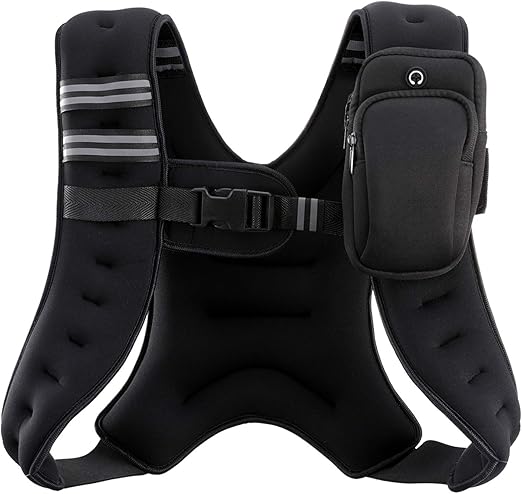
🏋️♂️ ZELUS Weighted Vest – Boost Your Workout Performance!
Available in 6lb to 30lb sizes with reflective stripes. Perfect for strength training, running, fitness, weightlifting, and weight loss.
💥 Get Yours Now for Under $32!
⚖️ Etekcity Digital Bathroom Scale – Precision You Can Trust!
Sleek design with a large blue backlit LCD, high-precision sensors, and durable 6mm tempered glass. Supports up to 400 lbs.
🔥 Shop Now for Under $149!Can I Lose Belly Fat by Eating Protein?
When it comes to losing weight, especially stubborn belly fat, the internet is flooded with tips, tricks, and diet plans that promise swift results. One question that often arises is whether increasing protein intake can be a game-changer. In this article, we will delve deep into the role of protein in belly fat loss, how it works, and the best ways to incorporate it into your diet. If you’re on a journey to lose weight, especially around your midsection, this guide will provide you with valuable insights and practical tips.
Understanding Belly Fat
Belly fat, also known as visceral fat, is more than just an aesthetic concern. It wraps around your internal organs and can lead to various health issues, including heart disease, type 2 diabetes, and more. The two primary types of fat in this area are:
- Subcutaneous fat: Situated just beneath the skin, this is the pinchable fat that many are familiar with.
- Visceral fat: This dangerous fat lies deeper in the abdomen and surrounds vital organs.
Before we explore the role of protein, let’s address how belly fat accumulates in the first place. Factors such as poor diet, lack of exercise, hormonal imbalances, and stress can contribute significantly to weight gain in the abdominal area.
The Role of Protein in Weight Loss
To understand how protein can help you lose belly fat, it’s essential to grasp the fundamentals of weight loss. Weight loss occurs when you consume fewer calories than your body burns, creating a caloric deficit. Protein plays a crucial role in facilitating this process in several ways:
1. Increasing Satiety
One of the striking benefits of a high-protein diet is its ability to keep you feeling full longer. Including protein in your meals can help reduce hunger levels, which is essential for controlling calorie intake. Studies show that protein has a higher satiety index than carbs or fats, meaning you’re likely to eat less when you consume more protein.
2. Boosting Metabolism
Protein can also increase your metabolism. This phenomenon is known as the thermic effect of food (TEF), which refers to the energy required to digest, absorb, and process nutrients. Protein has a higher TEF compared to fats or carbohydrates, meaning your body burns more calories processing protein. This helps increase the overall calories you burn throughout the day.
3. Preserving Muscle Mass
When you lose weight, there’s always the risk of losing muscle along with fat, especially when in a caloric deficit. Protein plays a critical role in muscle preservation. Keeping your muscle mass intact is vital because muscle tissue burns more calories than fat tissue at rest, thus supporting long-term weight management.
How Much Protein Do You Need?
Determining the right amount of protein for your weight loss goals depends on various factors including your age, sex, activity level, and overall health. As a general guideline, a daily intake of:
- 0.8 grams of protein per kilogram of body weight for sedentary adults.
- 1.2 to 2.0 grams per kilogram for those engaging in regular exercise or strength training.
For example, if you weigh 70 kg (approximately 154 pounds), your protein intake should range from 56 grams for sedentary individuals to up to 140 grams for those intensely working out.
Best Sources of Protein
Knowing which protein sources to include in your diet can make a big difference in your journey to lose belly fat. Here are some excellent sources of protein:
- Animal-based proteins:
- Lean meats (chicken, turkey, and fish)
- Dairy products ( Greek yogurt, cottage cheese)
- Eggs
- Plant-based proteins:
- Legumes (lentils, black beans, chickpeas)
- Nuts and seeds (almonds, chia seeds, hemp seeds)
- Quinoa and whole grains
Incorporating a variety of these protein sources can ensure you meet your nutritional needs while keeping your meals interesting and satisfying.
Tips for Increasing Protein Intake
Boosting your protein intake doesn’t mean you have to overhaul your entire diet. Here are some simple tips to help you include more protein in your meals:
- Start your day with a protein-rich breakfast: Consider options like eggs, Greek yogurt, or a protein smoothie.
- Snack smart: Opt for protein-based snacks like cheese, protein bars, or nuts instead of sugary options.
- Add protein to dishes: Enhance salads, grain bowls, or soups with beans, lentils, or diced turkey.
- Choose lean meats: When preparing meals, prioritize lean cuts of meat and skinless options.
Potential Pitfalls of a High-Protein Diet
While protein has many benefits, it’s essential to be aware of potential pitfalls that could hinder your weight loss journey. Here are a few considerations:
1. Overconsumption of Calories
Just because a food is high in protein doesn’t mean it’s low in calories. If you consume more calories than your body needs, even from a protein source, you may not see the weight loss results you desire.
2. Nutrient Imbalance
Focusing excessively on protein can lead to a lack of other vital nutrients. A balanced diet that includes healthy fats and carbohydrates is crucial for overall health and effective weight loss.
3. Kidney Health Concerns
Individuals with pre-existing kidney issues should consult a healthcare provider before significantly increasing protein intake, as high protein consumption may strain kidney function.
Exercise and Protein: A Winning Combination
While diet plays a critical role in weight loss, combining protein intake with regular exercise can supercharge your results, especially when it comes to losing belly fat. Here’s how:
1. Strength Training
Incorporating strength training into your routine allows you to build and maintain muscle mass, which is crucial for increasing your resting metabolic rate. Lifting weights or performing bodyweight exercises can complement your protein intake by enhancing muscle recovery and growth.
2. Cardio Workouts
Cardiovascular exercises, such as running, swimming, or cycling, help burn calories and support general weight loss efforts. Including protein in your post-workout snack can aid in muscle recovery, allowing you to train harder and more frequently.
Real-Life Success Stories
Many individuals have achieved their weight loss goals by incorporating more protein into their diets. Here are a couple of inspiring examples:
- Jessica’s Journey: After struggling with losing weight for years, Jessica added protein-rich foods to her meals and snacks. By focusing on lean meats, legumes, and dairy products, she found herself fuller longer, which reduced her overall calorie intake. With a combination of strength training and cardio, Jessica lost over 30 pounds and significantly decreased her belly fat.
- Mark’s Transformation: Mark transitioned to a high-protein diet after participating in a fitness program. He replaced empty carbs with sources of protein, such as beans and chicken. As a result, he lost 25 pounds and noticed his energy levels increased, making his workouts more effective.
Conclusion
In summary, increasing your protein intake can indeed support your efforts to lose belly fat. By promoting satiety, boosting metabolism, and preserving muscle mass, protein proves to be a key player in effective weight loss strategy. However, achieving your goals requires a holistic approach that includes a balanced diet and regular physical activity. As with any dietary change, it’s wise to consult with a healthcare professional or registered dietitian to create a tailored plan that meets your individual needs. Remember, the journey to losing belly fat is a marathon, not a sprint, so stay committed, and you’ll see results!


Related Articles
Our HOME in English: Common questions about the requirements and approval difficulty for getting a personal Tea Weight Loss, especially regarding credit score

Can I Lose Belly Fat by Eating Protein?
Are you struggling with stubborn belly fat and wondering if adjusting your diet can make a difference? Incorporating more protein into your meals might be the key you’re looking for. Protein not only helps build muscle but also aids in weight loss by keeping you full longer and boosting your metabolism. Leveraging the power of protein can help you achieve your weight loss goals, especially when combined with a balanced diet and regular exercise. Let’s explore the intricacies of protein consumption and its effects on belly fat loss.
Conclusion
In summary, increasing your protein intake can indeed assist in losing belly fat, as it enhances satiety, boosts metabolism, and helps maintain lean muscle during weight loss. However, it’s crucial to adopt a holistic approach that includes a well-balanced diet, regular physical activity, and a sustainable lifestyle change. For those looking to turn their weight loss regimen around, consider incorporating quality protein sources like lean meats, fish, beans, and legumes. By making these dietary adjustments, you’re on your way to achieving a healthier body and reducing that belly fat.
FAQs
1. How does protein help with weight loss?
Protein boosts metabolism and promotes satiety, reducing overall calorie intake and helping your body burn fat more effectively.
2. Can I lose belly fat without exercising if I eat more protein?
While a high-protein diet can aid in weight loss, incorporating exercise is essential for optimal results and overall health.
3. Which proteins are best for losing belly fat?
Lean sources like chicken, turkey, fish, eggs, tofu, and legumes are excellent choices for promoting fat loss.
4. How much protein should I eat daily?
Aim for 0.8 grams of protein per kilogram of body weight, or consult a nutritionist for personalized recommendations.
5. Can protein shakes help lose belly fat?
Protein shakes can supplement your diet effectively, especially when used in place of high-calorie snacks or meals.
6. Is it possible to eat too much protein?
Excessive protein can lead to kidney strain and nutritional imbalances. Moderation is key.
7. Does protein boost metabolism?
Yes, protein has a higher thermic effect than fats or carbs, meaning your body burns more calories processing it.
8. Should I replace carbs with protein?
Carbs are still essential for energy. A balanced diet with appropriate portions of protein, carbs, and fats is ideal.
9. Can plant-based proteins help with belly fat loss?
Yes! Plant-based proteins like lentils, chickpeas, and quinoa are nutritious and effective for weight loss.
10. What role does protein play in muscle building?
Protein is vital for muscle repair and growth, helping maintain muscle mass during weight loss.
11. Can I eat junk food if I increase my protein intake?
While protein can aid weight loss, a diet focused on junk food will not yield the best results for belly fat reduction.
12. How does protein impact hunger levels?
High-protein meals can reduce hunger hormones and increase feelings of fullness, leading to fewer calorie intakes.
13. Are there any risks to a high-protein diet?
Risks include kidney strain, dehydration, and potential nutrient deficiencies if the diet is not balanced.
14. Can I lose belly fat through a high-protein diet alone?
While protein is beneficial, it should be part of a holistic approach that includes calorie management and exercise.
15. How long does it take to see results from a high-protein diet?
Results vary by individual but typically can be seen in a few weeks, depending on diet consistency and lifestyle factors.


