
Are sweet pastries worse than salty snacks?
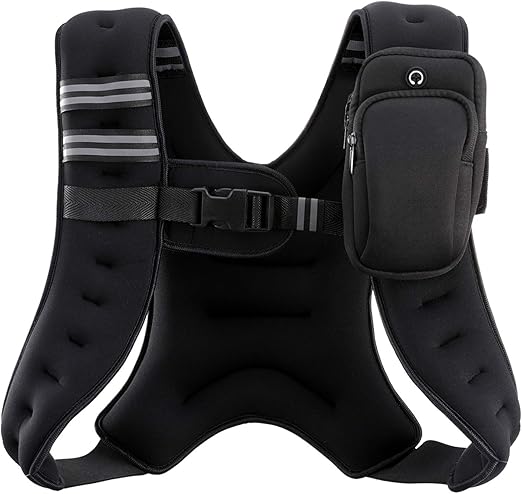
🏋️♂️ ZELUS Weighted Vest – Boost Your Workout Performance!
Available in 6lb to 30lb sizes with reflective stripes. Perfect for strength training, running, fitness, weightlifting, and weight loss.
💥 Get Yours Now for Under $32!
⚖️ Etekcity Digital Bathroom Scale – Precision You Can Trust!
Sleek design with a large blue backlit LCD, high-precision sensors, and durable 6mm tempered glass. Supports up to 400 lbs.
🔥 Shop Now for Under $149!When it comes to snacking, the debate between sweet and salty is not only a matter of personal preference, but it also has significant implications for our health and weight management. Many of us find ourselves reaching for a quick treat to satisfy our cravings, whether it be a sugary pastry or a savory snack. But which option is truly worse for you? This article delves into the nutritional aspects, health implications, and overall impact of sweet pastries versus salty snacks, helping you make an informed choice that aligns with your wellness goals.
The Allure of Sweet Pastries
Sweet pastries, from croissants and danishes to cupcakes and donuts, are some of the most tempting treats. Their appeal lies not only in their flavor but also in their ability to provide a quick energy boost. However, this energy often comes at a considerable cost in terms of nutritional value. Let’s break down what makes these sugary delights both appealing and potentially harmful.
Nutritional Content of Sweet Pastries
Sweet pastries are typically high in sugar, refined flour, and unhealthy fats. Here are some nutritional points to consider:
- High Sugar Content: A single pastry can contain 20 grams or more of sugar, which can spike blood sugar levels and lead to insulin resistance over time.
- Empty Calories: Most sweet pastries provide little to no nutritional benefits, meaning you consume many calories without essential vitamins or minerals.
- Trans Fats: Many commercially available pastries are made with trans fats, which are notorious for raising bad cholesterol and lowering good cholesterol, increasing the risk of heart disease.
Portion Control Challenges
Sweet pastries can trigger cravings for more sweets, leading to overconsumption. Their rich flavors and textures make it difficult to stop at just one piece. This cycle of craving and consumption can contribute to weight gain and related health issues.
The Appeal of Salty Snacks
Salty snacks, such as chips, pretzels, and popcorn, have their own set of loyal fans. Often praised for their crunch and satisfying taste, these snacks can also pose health challenges. Below we analyze what makes these salty delights a potentially less favorable choice for our health.
Nutritional Content of Salty Snacks
While salty snacks may seem like a more stable choice compared to pastries, their nutritional profile can also be misleading:
- High Sodium Content: Many salty snacks are loaded with sodium, which can lead to hypertension and other cardiovascular issues.
- Low Nutritional Value: Similar to sweet pastries, many salty snacks are made from refined ingredients, offering little in terms of vitamins, minerals, or fiber.
- Caloric Density: Salt can stimulate appetite, leading to overeating, especially if you’re not mindful of portion sizes.
The Role of Appetite Stimulation
Salty snacks can also stimulate appetite, making it easy to consume more than intended. Many people find themselves mindlessly snacking, especially while watching TV or socializing, which can lead to unwanted weight gain.
Comparing Health Risks: Sweet vs. Salty
Both sweet pastries and salty snacks have health drawbacks, but they also present different concerns. Understanding these can help you make better choices.
Impact on Blood Sugar Levels
Sweet pastries are more likely to cause rapid spikes in blood sugar due to their high sugar content. In contrast, while salty snacks may not spike blood sugar as dramatically, they can contribute to weight gain and retain water due to their sodium content.
Heart Health
Both sweet and salty snacks can pose risks to heart health, but in different ways:
- Sweet Pastries: The high sugar and unhealthy fats found in pastries can increase the risk of heart disease.
- Salty Snacks: Excess sodium from salty snacks can increase blood pressure, a significant risk factor for heart disease.
Long-term Effects of Regular Consumption
Regularly consuming either sweet pastries or salty snacks can lead to various long-term health consequences. Here’s what the research shows:
Weight Gain and Obesity
Both types of snacks are calorie-dense and can contribute to weight gain if consumed in excess. This is particularly pertinent in the American diet, which often includes both high-sugar and high-sodium options that are easily accessible.
Type 2 Diabetes Risk
Frequent consumption of high-sugar pastries can elevate the risk of developing type 2 diabetes. While salty snacks do not have the same direct association, they can still contribute to metabolic syndrome, which is a precursor to diabetes.
Choosing Mindfully: Making a Healthier Snack Choice
While the battle of sweet vs. salty rages on, being intentional about your snack choices can significantly affect your overall health. Here are some strategies for choosing healthier options:
Look for Nutrient-Dense Options
Opt for snacks that provide more nutritional value:
- Fruits and Vegetables: Fresh fruits or vegetables with hummus or nut butter can curb your cravings without added sugars or excessive sodium.
- Whole Grains: Choose whole grain options when snacking, like popcorn or whole-grain crackers, which provide fiber and nutrients.
- Healthy Fats: Nuts and seeds can provide satisfying crunch and taste while offering health benefits.
Control Portions
When enjoying pastries or salty snacks, consider portion control:
- Limit yourself to a small serving size or enjoy them only occasionally.
- Savor your snack mindfully to appreciate its flavors and textures without unnecessary overindulgence.
Cultivating a Balanced Diet
The key to a healthy lifestyle is balance. It’s not about entirely eliminating sweet pastries or salty snacks but rather incorporating them in moderation within a balanced diet. Here’s how you can achieve balance:
- Meal Planning: Plan your meals and snacks ahead of time to ensure you have healthy options available.
- Hydration: Sometimes, hunger can be mistaken for dehydration. Drink plenty of water throughout the day.
- Mindful Eating: Pay attention to your body’s hunger and fullness cues to help prevent impulsive snacking.
The Verdict: Sweet vs. Salty
In the sweet vs. salty snack debate, both options can be detrimental if consumed excessively. Sweet pastries tend to pose a greater immediate risk regarding blood sugar spikes and potential long-term weight gain and diabetes risk. On the other hand, salty snacks can lead to high sodium intake, causing blood pressure issues and possible cardiovascular concerns.
Ultimately, the choice is yours. By being mindful of your snacking habits and opting for more nutritious choices, you can satisfy your cravings without sacrificing your health. Remember to indulge in moderation and choose snacks that provide a balance of taste and nutritional value.
No snack should be entirely off-limits, but informed choices can lead to a healthier lifestyle and better weight management.


Related Articles
Our HOME in English: Common questions about the requirements and approval difficulty for getting a personal Tea Burn Weight Loss, especially regarding credit score – see more about Tea Burn Here

Are Sweet Pastries Worse than Salty Snacks?
If you’re navigating the challenging world of weight loss, one question that often arises is whether sweet pastries are worse than salty snacks. With countless options available, it’s easy to feel overwhelmed. Understanding the differences between these types of snacks, especially in relation to sugar and overall health, can guide you toward healthier choices. Sweet pastries, often loaded with refined sugars and unhealthy fats, can lead to weight gain, increased cravings, and blood sugar spikes. In contrast, salty snacks can also be unhealthy but might offer better options if they consist of whole, nutrient-dense ingredients.
Understanding the Impact of Sugar on Weight Loss
Cutting out sugar can be a transformative step in your weight loss journey. By reducing your sugar intake, you can stabilize your blood sugar levels, reducing cravings for unnecessary snacking and allowing your body to switch from burning sugar to burning fat for energy. This simple change can lead to significant improvements in overall health and weight management.
Conclusion
When weighing sweet pastries against salty snacks in the context of weight loss, sweet pastries generally pose a higher risk due to their sugar content. Opting for healthier snacks, like nuts or whole-grain crackers, can support your weight loss efforts without sacrificing flavor. By eliminating excess sugar from your diet, you can not only enhance your chances of successful weight loss but also improve your overall health. The journey to a healthier lifestyle starts with informed choices—consider switching to more wholesome snacks today!
Frequently Asked Questions
1. Are sweet pastries high in calories?
Yes, sweet pastries are often high in calories due to sugar and fat content, making them less ideal for weight loss.
2. Can eating salty snacks contribute to weight gain?
Yes, many salty snacks are high in calories and low in nutrients, which can lead to weight gain if consumed excessively.
3. What is worse for weight loss: sugar or sodium?
Sugar can be more detrimental to weight loss due to its higher impact on cravings and blood sugar levels compared to sodium.
4. Do sweet pastries increase cravings?
Yes, consuming sugary snacks can cause spikes and crashes in blood sugar, leading to increased cravings.
5. Are there healthier alternatives to sweet pastries?
Yes, consider fruit, yogurt, or homemade energy bars as healthier alternatives that satisfy sweet cravings.
6. Is it okay to enjoy snacks while trying to lose weight?
Yes, but choose nutrient-dense snacks that help keep you full and provide energy without excessive sugar.
7. What are some low-sugar snack options?
- Nuts
- Popcorn
- Vegetable sticks with hummus
- Greek yogurt
8. Does sugar addiction exist?
Yes, many people experience cravings and dependence on sugar, making it challenging to reduce intake.
9. How can I cut sugar from my diet?
Start by reading labels, reducing processed foods, and opt for natural sugars from fruits instead.
10. What happens to your body when you cut out sugar?
Your cravings may diminish, energy levels stabilize, and weight loss may become easier as you reduce overall calorie intake.
11. How much sugar is too much?
Health guidelines recommend limiting added sugars to no more than 6-9 teaspoons per day for adults.
12. Can salty snacks be part of a healthy diet?
Yes, if they are whole and nutritious, like whole-grain crackers or unsalted nuts.
13. Why are sweet snacks so appealing?
The brain has a natural preference for sugar, as it releases “feel-good” hormones that can make sweet snacks addictive.
14. Are sweet or salty snacks better for energy?
Salty snacks can provide sustained energy if they contain healthy fats and proteins, while sweet snacks can cause quick crashes.
15. Are there any low-calorie sweet snacks?
- Fruit salad
- Frozen yogurt
- Homemade fruit smoothies
16. Can I eat sweet pastries in moderation?
Yes, but moderation is key to avoid jeopardizing your weight loss goals and overall health.
17. Do sweet snacks affect your mood?
Yes, they can influence mood swings due to blood sugar fluctuations caused by sugar intake.
18. How does sugar affect metabolism?
Excessive sugar can lead to insulin resistance, which hampers metabolism and weight loss efforts.
19. Is it possible to satisfy a sweet tooth healthily?
Absolutely! Opt for natural sweeteners like honey or fruit-based desserts that provide nutrients too.
20. Should I choose sweet or salty snacks when craving comfort food?
Opt for a balanced option, like dark chocolate-covered almonds, to satisfy both cravings healthily.
21. Can sugary foods disrupt sleep?
Yes, high sugar intake can lead to insomnia and disturbed sleep patterns.
22. What is the glycemic index of sweet pastries?
Sweet pastries tend to have a high glycemic index, leading to rapid blood sugar spikes.
23. What nutrients should I focus on when snacking?
Focus on protein, fiber, and healthy fats to promote satiety and stabilize blood sugar levels.
24. Can sweet snacks harm dental health?
Yes, sugar can contribute to tooth decay and cavities, making it essential to limit intake.
25. Is hydration important for weight loss?
Yes, staying hydrated helps regulate metabolism and may help control cravings for unhealthy snacks.


