
Are supermarkets designed to make you buy fattening foods?
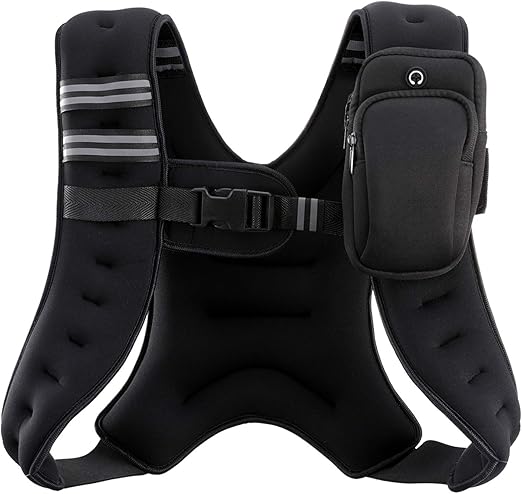
🏋️♂️ ZELUS Weighted Vest – Boost Your Workout Performance!
Available in 6lb to 30lb sizes with reflective stripes. Perfect for strength training, running, fitness, weightlifting, and weight loss.
💥 Get Yours Now for Under $32!
⚖️ Etekcity Digital Bathroom Scale – Precision You Can Trust!
Sleek design with a large blue backlit LCD, high-precision sensors, and durable 6mm tempered glass. Supports up to 400 lbs.
🔥 Shop Now for Under $149!Are Supermarkets Designed to Make You Buy Fattening Foods?
When you walk into a supermarket, do you ever feel overwhelmed by the vast array of choices? It’s not just you; it’s a carefully crafted environment meant to encourage spending. In this article, we’ll explore the psychology behind supermarket layouts and marketing practices, and how they often promote the purchase of less healthy, fattening foods. Understanding these strategies can help you make informed decisions during your shopping trips, ultimately supporting your weight loss journey and healthier living goals.
The Supermarket Layout: A Strategic Approach
Supermarkets may seem like simple grocery stores, but their designs are intricately plotted to maximize consumer spending. Let’s delve into how these layouts may lead you to choose items that may not align with your wellness goals.
1. The Flow of the Store
Most supermarkets are designed in a way that guides customers along a particular path. Common features include:
- Dairy and produce sections at the back: Supermarkets often place these healthy options far from the entrance. This design encourages shoppers to pass through aisles filled with temptation before reaching nutritious items.
- Impulse buy zones: The checkout area is typically stocked with sugary snacks and drinks, designed to catch your eye when you’re most likely to make impulse purchases.
- Wide aisles: Wide aisles may seem inviting, but they also encourage customers to roam and discover products they didn’t initially plan to buy.
2. The Power of End Caps
End caps are the displays located at the ends of aisles, and they often feature promotional or discounted items. These displays frequently spotlight:
- Snack foods and sugary cereals: Eye-catching packaging and promotional pricing draw attention to less nutritious options.
- Seasonal items: Limited-time offers can compel customers to act quickly, often leading to unhealthy choices like holiday sweets or summer barbeque essentials that are high in calories.
Marketing Tactics that Promote Fattening Foods
The marketing strategies employed by supermarkets can significantly influence your choices. Here are some common tactics that may steer you toward unhealthy purchases:
1. Color Psychology
Supermarket layouts often use colors strategically. Certain colors can evoke feelings that influence purchasing decisions:
- Red: Often associated with excitement and energy, it is frequently used for sales signs and clearance items, making junk food more appealing.
- Green: Though used for healthy items, mixed marketing can lead to confusion. For example, organic processed foods may still be high in sugar and fats despite their green labeling.
2. Product Placement
Product placement goes beyond end caps. Key strategies include:
- Eye level is buy level: Supermarkets place more expensive and often less healthy products at eye level to catch customer attention, while healthier options might be placed lower or higher on shelves.
- Multi-buy promotions: Offers such as “buy one, get one free” frequently involve less healthy options, enticing customers to purchase more than they originally intended.
The Role of Packaging and Branding
Not only do supermarkets craft their store layouts to promote fattening foods, but the products themselves are often marketed in ways that make them appear healthier or more appealing:
1. Attractive Packaging
Food packaging utilizes bright colors, fun fonts, and images of wholesome ingredients to create a “healthy” impression. However, this can be misleading. Products might still be laden with sugars, unhealthy oils, and preservatives. Key takeaways include:
- Look beyond the packaging: Always read nutritional information instead of relying on claims like “natural” or “low-fat,” which can be misleading.
- Understand serving sizes: Many items list nutrition information for unrealistic serving sizes, meaning you may not be seeing the full picture of what you’re consuming.
2. Health Claims and Labeling
Claims such as “low carb” or “gluten-free” can confuse shoppers into thinking products are healthier. It’s essential to recognize the following:
- Added sugars: Many “healthy” packaged foods still contain high amounts of added sugars to improve taste.
- Fats are not all equal: If food is labeled as low in one type of fat, it may be high in another, often unhealthy, type.
Psychological Factors in Shopping
Your mindset while shopping can greatly influence the choices you make. Here are some critical psychological factors that impact purchasing behaviors:
1. Hunger and Impulse Buying
Shopping while hungry can significantly compromise your willpower. Studies have shown that:
- Hunger increases impulsive purchases: When you’re hungry, you may be more likely to reach for unhealthy snacks or treat yourself to sweetened items that seem appealing.
- Healthy strategy: Always eat a small, healthy snack before shopping to curb hunger and make more rational choices.
2. Social Influence
The social aspect of shopping can also play a role:
- Shopping with family or friends: The presence of others can result in selections that lean towards comfort foods or treats, influenced by societal norms around food.
- Media and advertising: Exposure to food commercials and social media can heighten cravings, causing one to buy items instead of sticking to their health goals.
Healthier Shopping Tips
Understanding the supermarket’s design and marketing tactics is only part of your shopping journey. Here are some practical shopping tips to help you make healthier decisions during your next grocery run:
1. Make a Shopping List
Before heading to the store:
- Create a list: Include only items you genuinely need, focusing on whole foods and healthy ingredients.
- Stick to the list: Avoid aimless wandering, which can lead to impulsive buys of fattening foods.
2. Shop the Perimeter
The perimeter of the store usually contains fresh produce, dairy, and meats — the healthier food options. Here are some steps to follow:
- Fill your cart: Prioritize items from these sections that are less processed and more nutritious.
- Avoid inner aisles: Be mindful of the inner aisles, which often contain more boxed and processed foods that can be high in sugars and fats.
3. Review Ingredients and Nutrition Labels
When selecting packaged foods:
- Read labels carefully: Look for added sugars, unhealthy fats, and excessive sodium.
- Choose whole ingredients: Opt for products with fewer components, ideally whole foods without unnecessary additives.
4. Set a Budget
Setting a budget can also help control spending:
- Limit impulse buys: Decide how much you’re willing to spend ahead of time, which can curtail unnecessary purchases.
- Track your expenses: Keep an eye on what you spend as you shop, helping maintain awareness of your choices.
The Bigger Picture: Understanding Food Choices
Ultimately, understanding that supermarkets are designed with specific tactics aimed at promoting fattening foods is crucial in becoming a more effective shopper. You have the power to make conscious choices. By recognizing marketing strategies and layout designs, you can counteract these influences.
Instead of giving in to tempting displays and marketing gimmicks, focus on your health goals and what works for you. Equip yourself with the knowledge of ingredients, portion sizes, and mindful shopping practices, and you’ll be better prepared to resist the allure of fattening foods.
Let’s continue to be conscious shoppers. Educate yourself about food products and always keep your health goals in mind while navigating the aisles. Your ability to recognize and resist these supermarket tactics can profoundly impact your diet and overall well-being.


Related Articles
Our HOME in English: Common questions about the requirements and approval difficulty for getting a personal Tea Burn Weight Loss, especially regarding credit score – see more about Tea Burn Here

Are Supermarkets Designed to Make You Buy Fattening Foods?
Have you ever noticed how supermarkets are laid out? They are strategically designed to influence your shopping habits, often leading you toward items that may not align with your weight loss goals. Bright packaging, eye-level placements, and promotional discounts frequently highlight fattening foods, making them more appealing. Understanding the psychology behind supermarket layouts can empower you to make healthier choices. By being aware of these tactics, you can effectively navigate the aisles and choose items that aid in your weight loss journey.
How Does Cutting Out Sugar Help with Weight Loss?
Reducing sugar intake can significantly impact weight loss efforts. Not only does cutting out sugar lower overall calorie consumption, but it also helps stabilize blood sugar levels, reducing cravings for unhealthy snacks. Additionally, eliminating added sugars found in processed foods can lead to better nutrient density in your diet, promoting a more balanced and satisfying eating experience. Therefore, removing sugary items is a vital step in achieving your weight loss goals.
Conclusion
In conclusion, supermarkets often design their layouts to lead consumers toward inviting but fattening options, so being mindful while shopping is essential. By cutting out sugar and focusing on whole, nutrient-dense foods, you can set yourself on a sustainable weight loss path. Instead of being swayed by tempting displays, prioritize your health by making informed choices. Remember, your shopping experience can align with your weight loss goals if you stay aware of your surroundings and seek out healthier alternatives.
FAQs
1. Are supermarkets intentionally designed to sell unhealthy foods?
Yes, supermarkets are designed to maximize sales, often showcasing unhealthy foods through strategic placement and marketing tactics.
2. How does sugar affect weight loss?
Sugar can contribute to weight gain by adding empty calories and increasing cravings, making it harder to manage appetite.
3. What types of foods should I look for in supermarkets?
Focus on whole foods like fruits, vegetables, lean proteins, and whole grains, which are more conducive to weight loss.
4. Can cutting sugar give me more energy?
Yes, reducing sugar can help stabilize energy levels, leading to more sustained energy throughout the day.
5. Are all fats unhealthy for weight loss?
No, healthy fats from sources like avocados, nuts, and olive oil can actually support weight loss when consumed in moderation.
6. What should I avoid in store layouts?
Avoid eye-level shelves filled with sugary snacks, promotional displays for processed foods, and impulse-buy items near checkout lines.
7. How can I shop smarter?
Plan your shopping list ahead of time, stick to the perimeter of the store, and read labels to avoid hidden sugars.
8. Does cutting out sugar work for everyone?
While many people benefit from reducing sugar, individual needs can vary. It’s best to consult a healthcare professional.
9. How does cutting out sugar affect my cravings?
Reducing sugar can lessen cravings over time, making it easier to resist unhealthy snacks.
10. What are healthier snacks I can buy?
Consider options like nuts, Greek yogurt, or fresh fruit instead of candies or chips.
11. Should I avoid all carbohydrates?
No, aim for complex carbohydrates, like whole grains, which provide energy without excessive sugar.
12. How can I make healthier choices at the supermarket?
Prioritize fresh produce, read ingredient labels, and avoid the inner aisles where most processed foods are stored.
13. Is it true that colorful packaging attracts buyers?
Absolutely! Bright colors and catchy designs can grab attention and increase impulse purchases.
14. Can I still enjoy treats while losing weight?
Yes, moderation is key. Allowing occasional treats can help maintain a sustainable approach to weight loss.
15. Will eating less sugar affect my mood?
Yes, reducing sugar can improve mood stability and energy levels, leading to better overall emotional health.
16. How do processed foods affect weight?
Processed foods typically contain high levels of sugar and fats, contributing to weight gain and health issues.
17. Are organic foods better for weight loss?
Organic foods can be healthier, but focus on whole, minimally processed options regardless of organic status.
18. What beverages should I avoid for weight loss?
Limit sugary drinks like sodas, energy drinks, and sweetened coffees which add unnecessary calories.
19. How important is meal planning for weight loss?
Meal planning is crucial as it helps control portion sizes and food choices, reducing the chance of unhealthy impulsive eating.
20. Is it okay to shop when hungry?
No, shopping on an empty stomach can lead to impulse buys of unhealthy snacks. Always eat beforehand.
21. How can I resist fast-food temptations?
Prepare meals at home and keep healthy snacks available to minimize cravings for fast food.
22. Can diet sodas help with weight loss?
While zero-calorie, they may maintain a sweet craving, so moderation is key and whole foods are preferred.
23. Should I trust food labels?
Always read food labels carefully; be wary of products labeled “low-fat,” as they may contain added sugars.
24. How does emotional eating relate to sugar?
Many people turn to sugary foods for comfort, which can result in overeating during stressful times.
25. Can mindfulness help reduce sugar consumption?
Yes, practicing mindfulness can enhance awareness of cravings and help make more intentional food choices.


