
Are salad dressings causing weight gain?
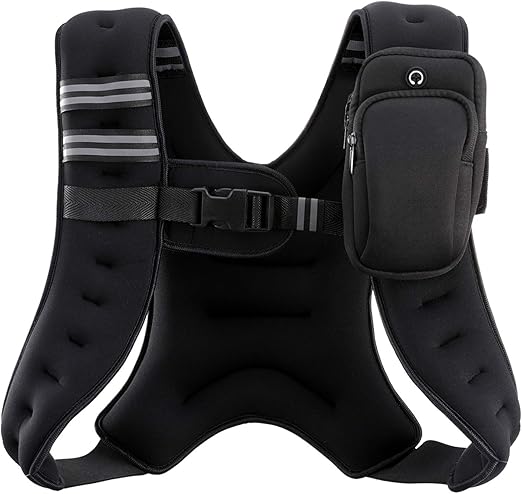
🏋️♂️ ZELUS Weighted Vest – Boost Your Workout Performance!
Available in 6lb to 30lb sizes with reflective stripes. Perfect for strength training, running, fitness, weightlifting, and weight loss.
💥 Get Yours Now for Under $32!
⚖️ Etekcity Digital Bathroom Scale – Precision You Can Trust!
Sleek design with a large blue backlit LCD, high-precision sensors, and durable 6mm tempered glass. Supports up to 400 lbs.
🔥 Shop Now for Under $149!Are Salad Dressings Causing Weight Gain?
When it comes to achieving a healthy lifestyle and maintaining a balanced diet, salads are often seen as a go-to choice. They’re loaded with nutrients, fiber, and can be incredibly satisfying. However, the hidden culprit that can thwart your weight loss efforts lies in the toppings—specifically, the salad dressings. In this article, we’ll uncover how salad dressings can lead to weight gain, discuss the key ingredients to look out for, and explore healthier alternatives to keep your salads both delicious and diet-friendly.
Understanding the Basics of Salad Dressings
Salad dressings are versatile condiments made to enhance the flavor of salads. However, many commercial salad dressings include added sugars, unhealthy fats, and sodium. Here’s a closer look at what makes salad dressings potentially problematic for weight management:
- Calories: Many dressings are calorie-dense, especially creamy varieties that contain mayonnaise or sour cream.
- Sugars: Even those that appear healthy may contain high amounts of added sugars, pushing them into the higher calorie range.
- Sodium: Excess sodium can lead to water retention, making you feel bloated and uncomfortable.
The Impact of High-Calorie Dressings
It’s a common misconception that salads are inherently low in calories. The real danger often lies within the dressing. An average salad can range from 150 to 250 calories, but add a couple of tablespoons of a creamy dressing, and suddenly, you’re looking at a 400 to 600-calorie meal. Here are some factors to consider:
Calorie Overload
When you pile on dressing without caution, you may inadvertently transform a healthy salad into a calorie bomb. Here are some popular dressings and their potential calorie counts per serving:
- Ranch Dressing: Approximately 145 calories per two tablespoons.
- Blue Cheese Dressing: Around 150 calories for the same serving.
- Caesar Dressing: Can contain upwards of 200 calories per serving.
As you can see, these counts can quickly add up, especially if you enjoy extra helpings.
Sugar’s Stealthy Role
Added sugars are another hidden ingredient that can contribute significantly to weight gain when consumed in excess. Many dressings, even vinaigrettes, can contain sugar, which serves to enhance taste but adds unwanted calories. For instance, a tablespoon of a standard balsamic vinaigrette can contain around 3 grams of sugar, equating to roughly 12 calories. Although this may seem insignificant, these sugars accelerate caloric intake.
Understanding Serving Sizes
Another common mistake is misunderstanding appropriate serving sizes. Most people tend to pour far more dressing than necessary without realizing the caloric implications:
- Recommended Serving Size: Typically, the recommended serving size is about two tablespoons.
- Reality Check: Many people use three to four tablespoons, which can almost double the calorie count.
Using measuring spoons can help you become more aware of your serving sizes, ultimately leading to better outcomes.
Choosing Healthier Dressing Options
Fortunately, there are plenty of ways to enjoy flavorful salads without sidelining your weight loss goals. Below are some healthier dressing options:
Light Vinaigrettes
A simple vinaigrette made from olive oil and vinegar can be nutritious and flavorful without the excess calories.
- Mix: 1 tablespoon of olive oil with 1 tablespoon of vinegar.
- Add: Fresh herbs or mustard for extra flavor.
Homemade Dressings
Making your dressings at home allows you to control the ingredients:
- Lemon Juice and Olive Oil: A classic combo that’s light and refreshing.
- Greek Yogurt Dressing: Combine Greek yogurt, herbs, and spices for a creamy alternative.
Store-Bought Options
If opting for store-bought dressings, read the labels carefully:
- Check for: Low-fat options, as they often have fewer calories.
- Look for: Dressings with natural ingredients and no added sugars.
How to Use Salad Dressings Wisely
Even if you find a dressing you love, moderation is key. Here are some tips to keep in mind:
Portion Control
Instead of drenching your salad, use a spray bottle or a squeeze bottle to control how much dressing you use. You can always add more if needed.
Dressing on the Side
Consider serving your dressing on the side. This way, you can dip your fork into the dressing before each bite, enhancing flavor while minimizing calorie consumption.
Embrace Savory Toppings
Incorporate savory toppings like nuts, seeds, or cheese in moderation to enhance flavor without relying heavily on dressing.
Analyzing the Ingredients
It’s essential to analyze the ingredient list when selecting dressings. Ingredients to watch out for include:
- High Fructose Corn Syrup: Often used as a cheap sweetener and can spike your calorie intake.
- Trans Fats: Found in some commercial dressings and detrimental to heart health.
- Sodium: High levels can lead to water retention and increased blood pressure.
Ingredient Transparency
Become a savvy shopper by choosing brands that disclose all ingredients and nutrition information on the packaging. Aim for dressings that prioritize fresh, whole ingredients.
Dietary Considerations and Allergies
For people with specific dietary restrictions or allergies, checking the label becomes even more critical. Common allergens to look for include:
- Dairy: In creamy dressings, which can be problematic for lactose-intolerant individuals.
- Nuts: Present in some gourmet dressings, make sure to double-check if you have nut allergies.
- Gluten: Found in some thickeners or flavorings.
The Psychology of Salad Dressings and Weight Management
Mental aspects surrounding food choices can also impact your diet. Sometimes, individuals may believe that by choosing a salad, they can pile up high-calorie dressings without repercussions. This mindset can lead to issues with portion control and overall calorie intake.
Mindful Eating Techniques
Practicing mindfulness while eating can help you appreciate the flavors and textures of your food:
- Slow Down: Take your time to chew and savor each bite, which aids digestion.
- Visual Appeal: Make your salad visually appealing to increase satisfaction.
Salad Dressings and Emotional Eating
Sometimes, food can trigger emotions leading to overindulgence. If you’re using salads as a mechanism to cope with stress or emotions, it’s important to evaluate those behaviors:
- Identify Triggers: Recognizing when you reach for dressing out of habit rather than hunger.
- Healthy Alternatives: Offer alternatives for cravings, such as engaging in a relaxing activity instead of reaching for a calorie-heavy dressing.
Final Tips for Dressing Your Salad Right
To sum up, salad dressings can both enhance your meal and sabotage your weight loss journey. Here are final tips for dressing your salad right:
- Opt for homemade: Making your dressing allows for control over ingredients.
- Use less: Keep serving sizes minimal and emphasize the salad ingredients.
- Focus on flavors: Incorporate spices and herbs to add flavor without excess calories.
- Be mindful: Practice mindfulness to identify when you’re eating out of pleasure versus necessity.
Choosing the right dressing for your salads doesn’t have to be complicated. By being informed about what goes into your dressings and how they can impact your weight, you can make healthier decisions that support your weight loss goals and enhance your overall health.


Related Articles
Our HOME in English: Common questions about the requirements and approval difficulty for getting a personal Tea Burn Weight Loss, especially regarding credit score – see more about Tea Burn Here

Are Salad Dressings Causing Weight Gain?
When embarking on a weight loss journey, many individuals turn to salads as a healthier meal option. However, the type of salad dressing consumed can significantly impact your weight loss efforts. Most salad dressings are packed with calories and sugar, which can undermine your goals. Understanding how these dressings contribute to weight gain is crucial in making informed dietary choices. In this article, we will explore the relationship between salad dressings and weight gain while addressing common questions that many people have.
Frequently Asked Questions
1. Can salad dressings lead to weight gain?
Yes, many salad dressings are high in calories and sugars, which can contribute to weight gain if consumed in excess.
2. Are all salad dressings unhealthy?
No, there are healthier options, such as vinaigrettes, but many commercial varieties are calorie-dense.
3. What should I look for in a healthy dressing?
Choose dressings with fewer calories, low sugar content, and healthy fats like olive oil or avocado.
4. How can I make my own salad dressing?
Use simple ingredients like olive oil, vinegar, herbs, and spices to create healthier dressings at home.
5. Is low-fat dressing a better option?
Not necessarily; many low-fat dressings compensate with added sugars. Check the label for calories and sugar content.
6. How much dressing is too much?
A serving size is typically 2 tablespoons. Stick to this to avoid excessive calorie intake.
7. Are creamy dressings always bad for weight loss?
Not always. Some contain healthy ingredients, but they tend to be higher in calories compared to vinaigrettes.
8. Do salad toppings also add calories?
Yes, toppings like cheese, croutons, and nuts can add significant calories, so be mindful of portions.
9. Can I use lemon juice instead of dressing?
Absolutely! Lemon juice is a low-calorie option that adds flavor without extra calories.
10. How can I portion my dressing better?
Use measuring spoons to control the amount you use, or serve it on the side.
11. What are some healthy dressing alternatives?
Try Greek yogurt-based dressings, hummus, or salsa for flavorful, lower-calorie options.
12. Does adding dressing to a salad negate its health benefits?
Not necessarily, but it depends on the type and amount of dressing used.
13. Can salad dressings affect my metabolism?
Some dressings with healthy fats can support metabolism, while others loaded with sugar may hinder it.
14. Are homemade dressings always healthier?
Generally, yes, as you can control the ingredients and avoid preservatives.
15. Should I avoid dressing altogether for weight loss?
No, healthy dressings can enhance flavor and satisfaction. Just choose wisely.
16. How do olive oil and vinegar benefit my salad?
They’re high in healthy fats and antioxidants, promoting heart health and better nutrient absorption.
17. Can sugar-free dressings lead to weight loss?
Not always, as they may contain unhealthy additives. Always check the nutrition labels.
18. Is balsamic vinaigrette a good choice?
Yes, when made with quality ingredients, it can be a flavorful, lower-calorie option.
19. Are organic salad dressings always healthier?
Not necessarily; organic can still be high in calories and sugars. Read labels carefully.
20. How can I add flavor without dressing?
Try spices, herbs, lemon juice, or nuts as flavorful, low-calorie alternatives.
21. Will replacing dressings with salsa help in weight loss?
Salsa is usually lower in calories and can add a burst of flavor to your salad.
22. How important is the quality of ingredients in dressing?
Very important; higher-quality ingredients often provide more health benefits and fewer additives.
23. What if I love my creamy dressings?
Use them sparingly or look for healthier versions made with yogurt or avocado.
24. What role does portion control play in dressing consumption?
Portion control is crucial as dressings can quickly add up in calories. Measure portions to stay on track.
25. How does cutting out sugar help with weight loss?
Reducing sugar intake can lower overall calorie consumption, stabilize blood sugar levels, and reduce cravings.
Conclusion
Salad dressings can indeed contribute to weight gain if they are high in calories and sugars. However, by choosing healthier options, such as homemade dressings or vinaigrettes, and paying attention to portion sizes, you can enjoy flavorful salads without packing on the pounds. As you cut out sugar from your diet, you’re likely to see improvements in your overall health and weight loss journey. The key is to be mindful of your choices, ensuring that salad dressings enhance rather than hinder your progress toward a healthier you. Start making smarter dressing choices today to support your weight loss journey!


