
Are protein bars secretly fattening?
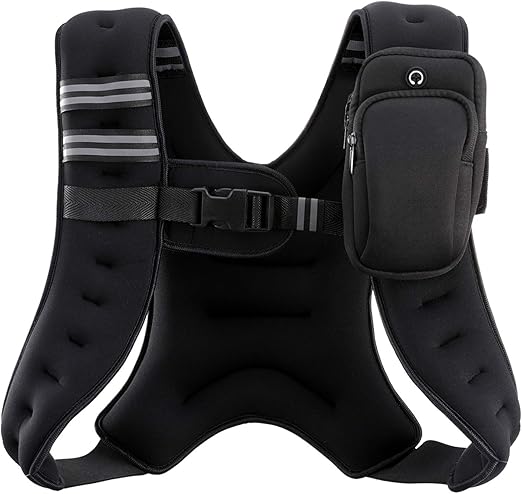
🏋️♂️ ZELUS Weighted Vest – Boost Your Workout Performance!
Available in 6lb to 30lb sizes with reflective stripes. Perfect for strength training, running, fitness, weightlifting, and weight loss.
💥 Get Yours Now for Under $32!
⚖️ Etekcity Digital Bathroom Scale – Precision You Can Trust!
Sleek design with a large blue backlit LCD, high-precision sensors, and durable 6mm tempered glass. Supports up to 400 lbs.
🔥 Shop Now for Under $149!Are Protein Bars Secretly Fattening?
Protein bars have gained immense popularity over the years as a convenient snack option for health-conscious individuals. However, many often wonder: are protein bars secretly fattening? In this article, we will dive deep into the world of protein bars, exploring their nutritional profiles, potential hidden ingredients, and how they fit into your overall weight loss goals. By the end of this read, you’ll have a clearer understanding of whether these snack options are a friend or foe in your quest for a healthier lifestyle.
Understanding Protein Bars
Before delving into the nutritional aspects, it’s important to understand what protein bars typically are. These snacks are designed to be high in protein and can be marketed as meal replacements, post-workout recovery foods, or convenient snacks on the go. However, not all protein bars are created equal.
Nutritional Composition of Protein Bars
Protein bars generally consist of the following key components:
- Protein source: This can include whey, casein, soy, pea protein, or other plant-based options.
- Carbohydrates: Often derived from sugars, sugar alcohols, fiber, or whole grains.
- Fats: These can range from healthy fats like nuts and seeds to unhealthy trans fats found in some processed bars.
- Vitamins and minerals: Some protein bars are fortified with nutrients to provide additional health benefits.
When choosing a protein bar, it’s crucial to read the nutrition label and ingredient list closely. Some bars may seem healthy at first glance but can pack in hidden sugars and unhealthy fats that can lead to weight gain.
Common Ingredients in Protein Bars
To better understand if protein bars are secretly fattening, let’s take a look at some common ingredients found in many popular protein bars.
Sugars and Sweeteners
Many protein bars contain added sugars or sweeteners to enhance flavor. Some common types include:
- Cane sugar
- Agave nectar
- High fructose corn syrup
- Sugar alcohols: These can cause digestive discomfort for some people.
While sugar provides quick energy, excess consumption can lead to unwanted weight gain. It’s essential to check for items like high fructose corn syrup, which has been linked to obesity and metabolic issues.
Unhealthy Fats
Some protein bars may contain unhealthy fats such as trans fats or palm oil. While healthy fat sources from nuts and seeds can be beneficial, processed fats can contribute to weight gain and other health problems.
Filler Ingredients
To keep costs low, some manufacturers use fillers that add minimal nutritional value. These can include:
- White flour
- Low-quality protein sources
- Artificial flavors and colors
Ingredients that are hard to pronounce or seem overly processed should be approached with caution. They often don’t provide the nutritional benefits the body needs.
How Protein Bars Can Contribute to Weight Gain
So, how can protein bars lead to weight gain? Here are several factors to consider:
Caloric Density
Many protein bars are calorie-dense, meaning they provide a high number of calories in a small quantity of food. It’s not uncommon for some bars to contain 200-300 calories or more per serving. If these calories are not accounted for in your daily intake, they can easily contribute to excess calorie consumption and weight gain.
Hidden Sugars
As mentioned earlier, many protein bars contain added sugars. The American Heart Association recommends limiting added sugars to no more than 6% of total daily calories. A protein bar that contains high levels of added sugars can easily exceed this recommendation, negating its perceived health benefits.
Portion Control
While they are marketed as snacks, many people eat protein bars as meal replacements or in addition to their regular meals. This can lead to overeating, particularly if you’re not mindful of portion sizes. Tracking your overall intake is essential for maintaining or losing weight.
Choosing the Right Protein Bar
To enjoy protein bars without sabotaging your weight loss goals, it’s important to select the right options. Here are some tips for making better choices:
Read Nutrition Labels Carefully
Always check the nutrition label for:
- Serving Size: Ensure you’re aware of how many calories are in one serving, and consider if the bar aligns with your dietary needs.
- Ingredient List: Aim for bars with whole food ingredients and fewer additives. Ideally, the first ingredient should be a quality protein source.
- Sugar Content: Look for bars with less than 10 grams of sugar per serving. Choose options with no added sugars whenever possible.
Opt for High-Quality Protein Sources
Look for bars made with high-quality protein sources, such as:
- Whey protein isolate
- Plant-based proteins: Such as pea, hemp, or brown rice protein.
These sources tend to be easier for the body to digest and utilize effectively.
Consider Your Goals
Use protein bars that align with your lifestyle and fitness goals. For instance:
- If you’re using them for post-workout recovery, choose a bar higher in carbohydrates to replenish glycogen stores.
- If it’s a snack between meals, select a lower-calorie option that’s high in protein to keep you satiated.
Homemade Protein Bars: A Healthier Alternative
If you’re concerned about the ingredients and caloric content of store-bought protein bars, consider making your own. Homemade protein bars allow you to control every ingredient. Here’s a simple recipe to get you started:
Homemade Protein Bar Recipe
- Ingredients:
- 1 cup rolled oats
- 1/2 cup protein powder (your choice)
- 1/2 cup almond butter (or any nut butter)
- 1/4 cup honey (or maple syrup for a vegan option)
- 1/4 cup milk (any type)
- Optional: Nuts, seeds, or dried fruit for added texture and flavor
- Instructions:
- In a mixing bowl, combine all the ingredients until well mixed.
- Press the mixture into a lined baking dish.
- Refrigerate for at least 1-2 hours, then cut into bars.
This recipe allows for endless customization based on your tastes and dietary needs.
Practical Tips for Incorporating Protein Bars
If you choose to include protein bars in your diet, here are some practical tips to ensure they fit into your healthy eating plan:
Use Them Strategically
Instead of having a protein bar as a casual snack, use them strategically. For example, consume them after workouts when your muscles need protein for recovery. This taps into their advantages without over-relying on them for everyday snacking.
Balance Your Diet
Protein bars should complement a balanced diet rich in whole foods. Ensure you’re also consuming plenty of fruits, vegetables, whole grains, lean proteins, and healthy fats. This will help you achieve better weight management and overall health.
Monitor Your Intake
Be mindful of how often you’re consuming protein bars. While they can be convenient, relying on them too heavily can lead to nutrient imbalances. Track your overall protein and caloric intake throughout the day to stay on top of your nutrition.
The Bottom Line
So, are protein bars secretly fattening? The answer is: it depends on the type of protein bar you choose and how they fit into your overall diet. While some bars may be high in sugars and unhealthy fats, others can be a great source of protein and other nutrients. By choosing wisely, reading labels, and incorporating them mindfully into your diet, you can enjoy the convenience of protein bars without sabotaging your weight loss goals.


Related Articles
Our HOME in English: Common questions about the requirements and approval difficulty for getting a personal Tea Burn Weight Loss, especially regarding credit score – see more about Tea Burn Here

With the rise in health consciousness, protein bars have become popular snacks for those looking to lose weight or gain muscle. However, many individuals are left wondering: *Are protein bars secretly fattening?* It’s essential to understand that not all protein bars are created equal, and some could contain hidden sugars and calories that can derail your weight loss journey. In this article, we will explore the ingredients, nutritional value, and how cutting out sugar can significantly impact your weight loss efforts.
Nutrition of Protein Bars
Protein bars can be a convenient source of nutrition, but many are loaded with *added sugars*, unhealthy fats, and artificial ingredients. Always check the nutrition label and look for:
- High protein content (at least 10g)
- Low sugar (below 5g if possible)
- Minimal artificial ingredients
- Healthy fats from sources like nuts
Benefits of Cutting Out Sugar
Eliminating added sugars from your diet can greatly enhance weight loss efforts by:
- Reducing calorie intake
- Lowering insulin levels
- Decreasing cravings for unhealthy foods
- Enhancing overall health and energy levels
Conclusion
In conclusion, while protein bars can be convenient and beneficial for meeting your nutrition needs, careful selection is crucial. Look for bars that are low in sugar and rich in quality protein to support your weight loss goals. By cutting out unnecessary sugars from your diet, you will drive your weight loss journey forward and promote a healthier lifestyle. Consider choosing the right protein bar to ensure that it aligns with your health objectives, and enjoy the benefits of nutritious snacking!
FAQ
1. Are all protein bars unhealthy?
Not all protein bars are unhealthy, but many contain high levels of sugar and calories. Always check the ingredients and nutritional content.
2. How can I identify a healthy protein bar?
Look for bars with high protein content, low sugar, whole ingredients, and minimal additives. Check nutrition labels carefully.
3. Do protein bars contribute to weight gain?
They can contribute to weight gain if consumed in excess or if they contain high amounts of sugar and calories. Moderation is key.
4. What’s the difference between protein bars and protein shakes?
Protein bars provide a solid source of protein and convenience, while protein shakes are often liquid forms that may be lower in calories and closer to workout supplementation.
5. Can protein bars replace meals?
While they can supplement meals, they should not completely replace them. Whole foods provide more nutrients and benefits.
6. Are protein bars good for post-workout recovery?
Yes, protein bars can be beneficial after workouts as they provide protein needed for muscle repair and recovery.
7. Is it okay to eat protein bars daily?
You can eat them daily as part of a balanced diet, but ensure you choose healthy options and don’t rely solely on them for nutrition.
8. How much sugar is too much in a protein bar?
Generally, aim for protein bars with less than 5g of added sugar to avoid excessive calorie intake and insulin spikes.
9. Are homemade protein bars healthier than store-bought?
Homemade bars can be healthier as you control the ingredients, but they can also be high in calories if not made carefully.
10. What are some healthy snacks besides protein bars?
Healthy snacks include fruits, nuts, yogurt, vegetable sticks with hummus, and whole-grain crackers.
11. Can protein bars help with weight loss?
Yes, they can aid weight loss if chosen wisely and consumed as part of a balanced diet without excess calories.
12. Do protein bars have hidden calories?
Some protein bars may contain hidden calories from sugars and fats. Always read labels to avoid surprises.
13. What ingredients should I avoid in protein bars?
Avoid bars with high fructose corn syrup, artificial sweeteners, trans fats, and long lists of unrecognizable ingredients.
14. How do protein bars fit into a low-sugar diet?
Choose low-sugar protein bars that supplement your protein intake while aligning with your low-sugar diet goals.
15. What’s the best time to eat a protein bar?
They are best consumed as a snack or post-workout to provide a quick protein source for recovery.
16. Can I eat protein bars if I’m trying to build muscle?
Yes, protein bars can be an effective way to help meet your protein needs while building muscle.
17. Are low-sugar protein bars still nutritious?
Yes, low-sugar protein bars can be nutritious if they contain quality ingredients and adequate protein levels.
18. How many protein bars should I eat in a week?
It depends on your dietary needs and goals, but moderation is essential—usually 2-3 as snacks a week is manageable.
19. Can eating protein bars help me avoid cravings?
They may help satisfy cravings for sweets or snacks, but balanced meals are important for lasting fullness.
20. Are there vegan protein bars available?
Yes, there are many vegan protein bars made with plant-based protein sources, catering to different diets.
21. How do protein bars compare to traditional snacks?
Protein bars often provide more protein and fewer processed carbs than traditional snacks, but check each product’s nutritional value.
22. Should I consult a nutritionist about protein bars?
Consulting a nutritionist can help you understand how protein bars fit into your overall diet and weight loss plans.
23. Can protein bars cause digestive issues?
Some protein bars might cause digestive issues, especially those high in fiber or sugar alcohols. Start with small amounts to test tolerance.
24. What’s the best way to store protein bars?
Store protein bars in a cool, dry place, or refrigerate them to maintain freshness, especially homemade ones.
25. Are protein bars suitable for kids?
Protein bars can be suitable for kids, but opt for those with minimal sugar and quality ingredients. Always consult with a pediatrician if unsure.


