
Are “buy one, get one” food deals fattening?
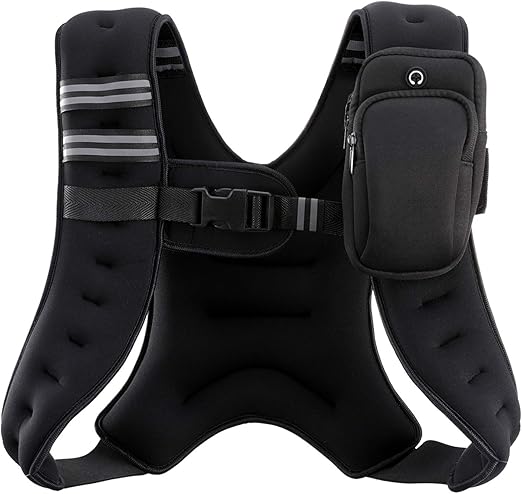
🏋️♂️ ZELUS Weighted Vest – Boost Your Workout Performance!
Available in 6lb to 30lb sizes with reflective stripes. Perfect for strength training, running, fitness, weightlifting, and weight loss.
💥 Get Yours Now for Under $32!
⚖️ Etekcity Digital Bathroom Scale – Precision You Can Trust!
Sleek design with a large blue backlit LCD, high-precision sensors, and durable 6mm tempered glass. Supports up to 400 lbs.
🔥 Shop Now for Under $149!Are “Buy One, Get One” Food Deals Fattening?
When it comes to grocery shopping, the allure of “buy one, get one” (BOGO) deals can be hard to resist. They promise savings and the opportunity to stock up on your favorite products, but have you ever stopped to consider the impact on your waistline? In this article, we’ll delve into the effects of these tantalizing promotions on our diets and weight, exploring whether they are indeed fattening or if they can be navigated in healthier ways. You’ll gain insights into the psychology behind these deals, the nutritional content of commonly bought items, and strategies to make smarter decisions while shopping.
The Psychology Behind BOGO Deals
Understanding the appeal of BOGO deals requires a look into consumer psychology. Retailers have mastered the art of enticing shoppers, recognizing that enticing offers can trigger specific behaviors. Here’s what you need to know:
- Perceived Value: Consumers often perceive BOGO deals as a way to get more for less. When you feel like you’re scoring a bargain, it can lead to increased shopping satisfaction.
- Impulse Buying: The thrill of a deal can provoke impulse purchases. Instead of focusing on a list, shoppers may throw additional items into their carts, leading to higher caloric intake.
- Product Overconsumption: Purchasing two items may lead to consuming both, even when one would suffice. This is particularly true for snacks or high-calorie foods.
How BOGO Deals Affect Food Choices
While BOGO deals might seem harmless, they can significantly affect the food choices you make. Let’s break down how these deals influence what we buy and how it might contribute to weight gain:
1. Temptation of Unhealthy Foods
Many BOGO deals focus on snacks, sugary beverages, and processed foods rather than fresh produce or whole-grain products. As a result, consumers are often tempted to purchase items that contribute to weight gain:
- High-Calorie Snacks: Buying chips or cookies can quickly add empty calories to your diet.
- Sugary Drinks: Soda and other sugary beverages often come in BOGO promotions, leading to increased sugar consumption.
- Processed Foods: Items like frozen dinners or packaged meals may also be included, which often contain higher amounts of sodium and preservatives.
2. Impact on Portion Control
When you buy items in larger quantities, managing portion sizes can become challenging. Here’s how BOGO deals can disrupt your efforts to maintain a healthy diet:
- Encouragement of Larger Portions: Having extra food available can lead you to serve yourself larger portions at meal times.
- Snacking Perceptions: If you buy two bags of chips, it’s easier to justify snacking on both, especially if they’re deemed ‘free’ with the deal.
- Increased Frequency of Eating Out: If you buy excess groceries that spoil, you may be tempted to eat out more often instead, leading to higher caloric intake.
Common Foods in BOGO Promotions
While some BOGO deals promote healthier options, many focus on processed or high-calorie items. Here’s a breakdown of typical foods you might find:
- Snacks: Potato chips, candy, cookies, and other sweets.
- Beverages: Sodas, energy drinks, and sweetened teas.
- Frozen Meals: High-calorie microwavable dinners and pizza.
- Processed Meats: Items like hot dogs and sausage.
Navigating BOGO Deals Wisely
While it’s essential to be mindful of the potential pitfalls of BOGO deals, shopping strategically can allow you to take advantage of discounts without compromising your health goals. Here are some tips to consider:
1. Create a Healthy Grocery List
Before shopping, plan your meals for the week and create a list that includes mostly fresh fruits and vegetables, whole grains, and lean proteins. Stick to the list to avoid succumbing to impulse buys.
2. Evaluate Nutritional Information
When confronted with a BOGO deal, take a moment to check the nutritional labels:
- Calorie Count: Compare calories in both items; opt for lower-calorie alternatives when possible.
- Sugar and Sodium Levels: High amounts of sugar and sodium can negatively impact your health; look for products that contain less.
- Whole Ingredients: Choose items that list whole food ingredients you recognize.
3. Manage Quantity
When purchasing items on a BOGO deal, consider the quantity you genuinely need. Buying two items is not beneficial if one will suffice. Here are some strategies:
- Share with Friends: Team up with someone to split the cost and share BOGO items.
- Freeze Leftovers: If the item is something you can freeze, you can save half for later.
- Consider Portion Sizes: Aim to have a clear understanding of what constitutes a single serving.
Healthier Alternatives to BOGO Deals
If you often find yourself drawn to unhealthy BOGO deals, consider seeking alternatives that can provide similar savings without the calorie overload:
1. Buy Fresh Produce in Bulk
Many stores offer discounts on bulk purchases of fresh fruits and vegetables, which can promote healthier eating:
- Farmers’ Markets: Often have bulk discounts on seasonal produce.
- Community Supported Agriculture (CSA): Investing in local CSAs can yield fresh food at reduced rates.
2. Join Warehouse Clubs
Consider membership in stores like Costco or Sam’s Club, where you can buy larger quantities of healthy foods without sacrificing quality:
- Bulk Grains and Nuts: Purchasing whole grains and nuts in larger quantities can save money while providing healthy snacks.
- Lean Meats: Look for discounted bulk meats such as chicken breasts and fish.
3. Use Coupons Strategically
Look for healthy product coupons and combine them with store sales for better deals:
- Organic Products: Many stores offer coupons for organic items that can help offset the price.
- Healthy Snacks: Seek out promotions on healthier alternatives like hummus, guacamole, or whole-grain chips.
Final Thoughts
When it comes to BOGO deals, the impact on your diet and weight can be significant. While these tempting offers can save money, they can also lead to unhealthy eating patterns if not approached mindfully. By understanding the psychology at play, making informed food choices, and shopping strategically, you can reap the benefits of savings without compromising your health. Being aware of how BOGO deals influence your decisions can empower you to maintain a balanced diet and achieve your weight loss goals.


Related Articles
Our HOME in English: Common questions about the requirements and approval difficulty for getting a personal Tea Burn Weight Loss, especially regarding credit score – see more about Tea Burn Here

Are “Buy One, Get One” Food Deals Fattening?
In today’s economy, saving money on food is essential for many Americans, but the impact of deals like “buy one, get one” on our waistlines is a concern. While these offers can seem appealing, they can lead to overconsumption, especially if they encourage the purchasing of high-calorie, processed foods. Understanding the balance between saving money and maintaining a healthy diet is vital. To make mindful choices, consider the nutritional value of the items you’re buying and always practice portion control. Remember, eating healthy doesn’t have to break the bank when you make informed choices.
Conclusion
In conclusion, “buy one, get one” deals can certainly lead to overeating and weight gain if they promote unhealthy options. However, these deals can be beneficial if they encourage the consumption of healthier, lower-calorie foods. Being aware of what you are buying and focusing on portion sizes can help you take advantage of these offers without compromising your weight loss goals. By cutting out excess sugar and processed foods while utilizing these deals wisely, you can create a healthier diet that contributes to sustainable weight loss. Mindful shopping will empower you to enjoy your food choices while keeping your health in check.
FAQs
1. Are buy one, get one food deals unhealthy?
Not necessarily, but they can lead to buying more high-calorie foods, contributing to overeating.
2. How can I make the most of BOGO deals?
Focus on purchasing healthier options like fruits, vegetables, or whole grains when participating in BOGO promotions.
3. Do BOGO deals encourage overeating?
Yes, they can lead to buying more food than needed, often resulting in overeating.
4. Are there healthy BOGO deals available?
Many grocery stores offer BOGO deals on fruits, vegetables, and lean proteins that are healthier options.
5. How can I avoid temptation at the grocery store?
Create a shopping list and stick to it to minimize impulsive purchases influenced by BOGO deals.
6. Is cutting out sugar effective for weight loss?
Yes, reducing sugar can lower calorie intake and help with fat loss, making it easier to manage weight.
7. What are the best alternatives to sugary snacks?
Fruits, nuts, yogurt, and dark chocolate are excellent alternatives to satisfy cravings healthily.
8. Can eating less sugar boost my energy levels?
Absolutely, cutting out sugar can stabilize blood sugar levels, leading to more sustained energy throughout the day.
9. Should I avoid all carbs to lose weight?
No, focus on reducing refined carbohydrates and sugars while including whole grains in moderation.
10. How can I identify hidden sugars in food?
Read nutrition labels carefully; look for ingredients like high fructose corn syrup or anything ending in “-ose.”
11. What are the risks of consuming too much sugar?
Excess sugar consumption can lead to obesity, type 2 diabetes, and heart disease.
12. Can cutting out sugar help reduce cravings?
Yes, over time, reducing sugar can lead to fewer cravings for sweet foods.
13. How soon can I see results from cutting out sugar?
Many people notice improved energy and weight loss within a few weeks of reducing sugar intake.
14. Is portion control important with BOGO deals?
Yes, practicing portion control is crucial to avoid overeating, especially with enticing BOGO offers.
15. Can I still enjoy desserts while cutting sugar?
Yes, try healthier dessert options like fruit or yogurt to satisfy a sweet tooth without added sugar.
16. How do BOGO deals affect budgeting for food?
They can help save money if you choose healthy items, but be cautious of impulse buys.
17. Can I find BOGO deals online?
Yes, many grocery delivery services and online retailers offer BOGO deals regularly.
18. Should I compare prices before using BOGO deals?
Always compare prices to ensure you are truly saving money and making wise choices.
19. What are some healthy snacks to look for in BOGO deals?
Look for deals on nuts, popcorn, fresh fruits, and low-fat cheese for healthier snacking options.
20. Can sugar-free foods be a good option?
Sometimes, but check labels as they may contain other unhealthy additives or sugar substitutes.
21. Are whole foods typically included in BOGO deals?
Yes, many stores include healthy whole foods in their promotions, making them more affordable.
22. Is it beneficial to meal prep with BOGO deals?
Definitely! Meal prepping can help you manage portion sizes and reduce waste from BOGO purchases.
23. How can I ensure I’m eating balanced meals with BOGO deals?
Plan meals in advance, focusing on including vegetables, proteins, and whole grains when using these deals.
24. Are all BOGO deals worth it?
Not always. Evaluate nutritional value and overall necessity before jumping on a BOGO deal.
25. Can I still lose weight if I occasionally indulge in BOGO offers?
Yes, moderation is key; it’s all about balance and making healthier choices whenever possible.


