
Are buffets a trap for weight gain?
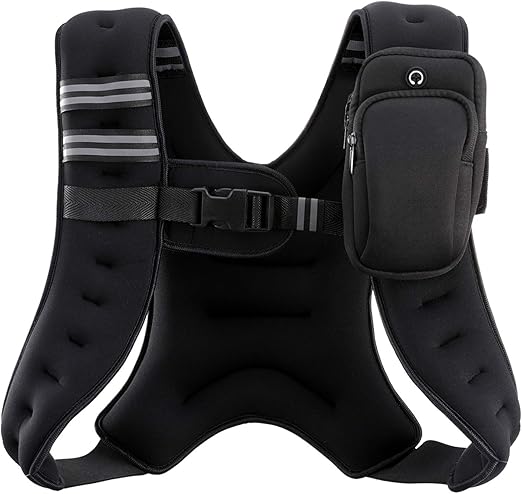
🏋️♂️ ZELUS Weighted Vest – Boost Your Workout Performance!
Available in 6lb to 30lb sizes with reflective stripes. Perfect for strength training, running, fitness, weightlifting, and weight loss.
💥 Get Yours Now for Under $32!
⚖️ Etekcity Digital Bathroom Scale – Precision You Can Trust!
Sleek design with a large blue backlit LCD, high-precision sensors, and durable 6mm tempered glass. Supports up to 400 lbs.
🔥 Shop Now for Under $149!
Are Buffets a Trap for Weight Gain?
When the weekend rolls around, the allure of an all-you-can-eat buffet often beckons. Many find themselves captivated by the endless rows of food, offering a wide variety of choices that can delight even the pickiest of eaters. But as appealing as these dining experiences may seem, have you ever wondered if buffets are actually a trap for weight gain? In this article, we will dig deep into the psychology and physiology behind buffet dining, explore the choices that lead to overeating, and discover strategies to enjoy buffets without sabotaging your weight loss goals.
The Psychology of Buffets
Understanding why buffets can lead to overeating starts with exploring the science of human psychology and behavior. Several factors contribute to eating excessively at these establishments:
- Variety and Availability: Buffets present an array of dishes, from appetizers to desserts. This abundance can trigger a primal instinct to sample as many options as possible, often leading to overeating.
- Perceived Value: The notion of getting “more for your money” can encourage diners to eat beyond their satiety cues. Many feel compelled to eat enough to justify the expense.
- Social Influences: Dining at a buffet is often a social activity. Observing others eating large portions may normalize overeating in the group dynamic.
- Portion Control Challenges: In a buffet setting, it’s easy to lose track of portion sizes. Without clear measurements, you might pile on more food than you typically would at home.
Buffet Strategies: Making Healthier Choices
While buffets can pose challenges for those mindful of their weight, there are ways to navigate these situations without compromising your health. Here are some effective strategies:
Plan Ahead
Before heading to a buffet, consider your goals. Establishing a plan helps keep you focused and minimizes impulsive decisions. Here are a few tips:
- Eat a Light Snack: Arriving at a buffet hungry could lead to overeating. Having a small, healthy snack, like a piece of fruit or some nuts, can help moderate your hunger.
- Visualize Your Plate: Take a moment to consider what you want on your plate. Whether it’s vegetables, a protein source, or a specific cuisine, having a mental image can guide your choices.
- Set a Budget: Decide how many plates you will have before you start. Giving yourself a cap can restrict the urge to go back for more.
Make Mindful Choices
Making healthier selections at a buffet can significantly impact your calorie intake. Consider these options:
- Start with Salad: Fill your plate with greens first. Fiber-rich vegetables can help fill you up without adding too many calories.
- Opt for Protein: Choose lean proteins like grilled chicken, fish, or legumes. These can keep you satiated without being excessively calorie-dense.
- Limit Starch and Sugary Foods: While pasta dishes and desserts might be tempting, they can lead to rapid spikes in blood sugar, increasing hunger later.
- Hydrate Wisely: Drink water or unsweetened beverages instead of sugary sodas. Staying hydrated can help prevent mistaking thirst for hunger.
The Role of Portions
Portion sizes at buffets can be deceiving. When faced with large servings, diners may unconsciously eat more than they typically would. Here’s how to manage portion control effectively:
Use Smaller Plates
Many buffets provide various plate sizes. Opting for smaller plates can help trick your brain into thinking you have a full serving. This strategy can lead to:
- Reduced Caloric Intake: Smaller plates can limit your total food consumption, which helps in maintaining your desired caloric deficit for weight loss.
- Satisfaction with Less: Visually appealing meals served on smaller plates can increase your satisfaction levels, leading to less overall consumption.
Take Time Between Plates
It’s easy to rush through a buffet meal, but pacing yourself can allow your body to register fullness. Consider these tactics:
- Pace Your Eating: Wait at least 20 minutes after finishing your first plate before going back. This gives your body time to signal when it’s full.
- Engage in Conversation: Interacting with your dining companions not only enhances your social experience but can also slow down your eating pace.
Understanding Hunger Cues
One of the main reasons buffets can be problematic is that they disconnect diners from their natural hunger and fullness cues. Learning to listen to your body can help:
Recognize Different Types of Hunger
Understanding the various types of hunger can differentiate real hunger from emotional or social cues:
- Physical Hunger: This hunger develops gradually and is often accompanied by physical signs like a growling stomach.
- Emotional Hunger: Triggered by emotions, this type can lead to eating when you’re not physically hungry. Recognizing emotional triggers is key to avoiding unnecessary indulgence.
Focus on Satisfaction, Not Just Fullness
True satisfaction comes from enjoying food rather than just filling your stomach. Here’s how to cultivate a more mindful approach:
- Savor Each Bite: Chewing slowly and appreciating the flavors can increase satisfaction levels, leading to a smaller portion being consumed.
- Choose Favorites: Prioritize dishes you genuinely enjoy over items that merely look appealing. This can prevent wasteful plate filling.
Buffet Frequency Matters
How often you visit buffets can significantly impact your weight goals. Regularly indulging in buffet meals can lead to:
- Habit Formation: Making buffets a routine dining option can create habits of overeating that may be hard to break.
- Caloric Surplus: Regular visits can lead to an accumulated surplus of calories that outweigh your energy expenditure, causing weight gain.
Consider Alternatives
If buffets aren’t conducive to your weight loss goals, consider these dining alternatives:
- Smaller Restaurants: Opt for restaurants that offer a la carte options where you can control what and how much you order.
- Home-cooked Meals: Preparing meals at home allows you to better manage ingredients and portion sizes, creating a healthier eating environment.
Enjoying Buffets Responsibly
While buffets can present challenges for weight management, they can still be enjoyed responsibly by applying mindful eating principles. Here are additional tips:
- Share Plates: Consider sharing your food with others. This not only reduces the total amount consumed but also allows you to taste more dishes without overeating.
- Limit Visits to Popular Items: Instead of returning multiple times for your favorites, consider limiting your choices to a select few that truly bring you joy.
Guilt-Free Enjoyment
It’s essential to cultivate a healthy relationship with food. Buffets can trigger feelings of guilt if you overindulge, but it’s important to reframe your thinking towards food and enjoyment:
- Forgive Yourself: If you ended up overeating, recognize that it happens to the best of us. Allow yourself grace to enjoy the moment without dwelling on past choices.
- Learn and Adjust: Reflect on what strategies worked for you during your buffet visit and which didn’t. This awareness will make future dining experiences easier.
The Bottom Line on Buffets
While buffets can easily become traps for weight gain due to their appealing array of food and social atmosphere, they don’t have to be detrimental to your weight loss journey. By understanding the psychological aspects, making mindful choices, and employing portion control, you can enjoy these dining experiences without compromising your health goals.
Approaching buffets with a strategy can empower you to savor the experience rather than dread the consequences. Ultimately, it’s about finding a balance that allows you to enjoy food while still taking care of your well-being.


Related Articles
Our HOME in English: Common questions about the requirements and approval difficulty for getting a personal Tea Burn Weight Loss, especially regarding credit score – see more about Tea Burn Here

Many people view buffets as a golden opportunity to indulge, but do they really pose a risk for weight gain? Understanding the psychology behind buffet dining can empower you to make healthier choices when faced with an all-you-can-eat situation. From portion control to selecting healthier options, knowing how to navigate buffets can significantly impact your weight management journey. This article will explore whether buffets are indeed a trap for weight gain while giving valuable insights into how cutting out sugar aids in weight loss.
Understanding Buffets and Weight Gain
Buffets often encourage overeating, primarily because of:
- Unlimited Options: The array of delicious foods can lead to unplanned consumption.
- Visual Cues: Large portions may seem tempting, tricking your brain into thinking you need more.
- Cost Factor: Many believe they need to “get their money’s worth,” leading to excess eating.
However, buffets don’t have to derail your weight loss efforts. It’s all about making conscious choices.
How Cutting Out Sugar Aids Weight Loss
Eliminating sugar can lead to significant weight loss due to:
- Reduced Caloric Intake: Cutting out sugary snacks decreases overall calorie consumption.
- Stable Blood Sugar Levels: Prevents spikes that can lead to hunger and cravings.
- Better Metabolism: Reducing sugars improves metabolic health, facilitating fat burning.
Conclusion
In conclusion, buffets can be a weight gain trap if not navigated wisely, but they can also provide opportunities for healthy eating choices. Understanding and managing portion sizes, choosing healthier, lower-calorie options, and remaining mindful of one’s hunger cues can mitigate the risk of weight gain. Coupled with a reduction in sugar consumption, one can effectively support their weight loss journey. Make informed decisions at buffets and during your daily meals to achieve your weight loss goals and maintain a healthier lifestyle.
FAQ
1. Are buffets always bad for weight loss?
No, buffets can be manageable if you make conscious choices about what and how much to eat.
2. How can I avoid overeating at buffets?
Use smaller plates, serve smaller portions, and prioritize vegetables or lean proteins over carb-heavy dishes.
3. Is sugar the main reason for weight gain?
Excess calories from all sources, including sugars, contribute to weight gain. Reducing sugar can help manage overall intake.
4. Can I still lose weight if I eat out at buffets?
Yes, by being mindful of your choices and controlling portion sizes, you can still lose weight.
5. What are some healthy options at buffets?
Choose salads, grilled proteins, and vegetable dishes while limiting fried foods and desserts.
6. Does cutting out sugar help with cravings?
Yes, reducing sugar can stabilize blood sugar and decrease cravings over time.
7. Are all sugars unhealthy?
Not all sugars are equal; natural sugars from fruits can be part of a healthy diet.
8. How does sugar impact weight loss?
Sugar contributes empty calories and can lead to insulin spikes, resulting in increased hunger.
9. What should I eat at a buffet?
Focus on whole foods such as lean meats, fresh vegetables, and fruits while avoiding sugary desserts.
10. How can I balance indulgence at buffets?
Enjoy smaller portions of your favorites while filling up on healthier options.
11. Is it okay to eat dessert at buffets?
In moderation, yes; choose a small portion to satisfy cravings without overindulging.
12. How do I control my portions at a buffet?
Take smaller servings of items you want to try and return for more if you’re still hungry.
13. Can eating too much protein at buffets cause weight gain?
Excess protein can lead to weight gain if it contributes to an overall caloric surplus.
14. Should I skip meals before a buffet?
This can encourage overeating; it’s better to eat a light meal or snack beforehand.
15. How can I make healthy decisions at buffets?
Plan ahead, review the options before filling your plate, and stick to your healthy eating strategy.
16. Do restaurants use sugar to enhance flavor?
Yes, many foods are enhanced with sugars, making it crucial to check nutritional info when possible.
17. How can I stay motivated during weight loss?
Setting realistic goals and celebrating small successes can keep you motivated.
18. Can drinking water help with weight loss at buffets?
Yes, staying hydrated helps with fullness and can reduce the likelihood of overeating.
19. Is it better to eat slowly at buffets?
Absolutely! Eating slowly helps your body recognize fullness signals.
20. Are there any health benefits to cutting out sugar?
Yes, it can improve energy levels, reduce inflammation, and support weight loss.
21. Can I enjoy buffets without feeling guilty?
Yes! A mindful approach to portion sizes and choices can make buffets enjoyable without guilt.
22. Do buffets offer healthier options?
Many buffets now include healthier options; always look for those first.
23. Should I watch my macros at buffets?
Being aware of macronutrients can guide healthier choices, especially when trying to lose weight.
24. How can planning help at buffets?
Planning can help you focus on healthy options and set limits on high-calorie foods.
25. Can a low-sugar diet change my relationship with food?
Yes, it can help you develop healthier habits and a more positive relationship with food.


