
Are sugar-free products really healthy?
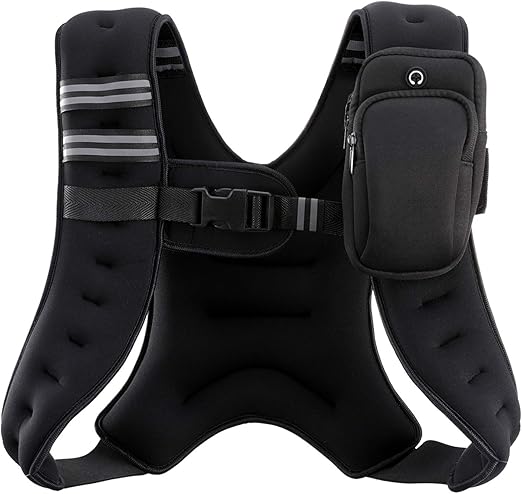
🏋️♂️ ZELUS Weighted Vest – Boost Your Workout Performance!
Available in 6lb to 30lb sizes with reflective stripes. Perfect for strength training, running, fitness, weightlifting, and weight loss.
💥 Get Yours Now for Under $32!
⚖️ Etekcity Digital Bathroom Scale – Precision You Can Trust!
Sleek design with a large blue backlit LCD, high-precision sensors, and durable 6mm tempered glass. Supports up to 400 lbs.
🔥 Shop Now for Under $149!In recent years, there has been a noticeable rise in the popularity of sugar-free products, with many consumers believing these alternatives offer a healthier choice. However, as more people seek to improve their diets alongside weight loss or maintenance goals, it’s important to investigate the real health implications of these products. This article will explore the benefits and drawbacks of sugar-free alternatives, how they stack up against regular sugary items, and whether they are genuinely a healthier option for your lifestyle.
Understanding Sugar-Free Products
Sugar-free products are often marketed as healthier options for those looking to cut back on sugar intake. They typically include a variety of sweeteners designed to replicate the taste of sugar without contributing to calorie intake like their traditional counterparts. Common sugar substitutes include:
- Aspartame
- Sucralose
- Sorbitol
- Xylitol
- Stevia
While many consumers opt for these products believing they can enjoy sweets without the associated sugar spikes, it’s essential to understand their composition and potential health impacts. Let’s delve deeper into whether sugar-free products are genuinely healthy.
Benefits of Sugar-Free Products
Weight Management
One of the most significant advantages of sugar-free products is their potential to assist in weight management. These products contain fewer calories compared to their sugary counterparts:
- Replacing high-calorie sugary foods with sugar-free alternatives can lead to reduced overall caloric intake.
- Some studies suggest that switching to sugar-free products may help satisfy sweet cravings without excessive calorie consumption.
Dental Health
Another notable benefit is related to dental health. Consuming sugary foods and drinks is a leading cause of cavities and tooth decay. Sugar-free products can help mitigate these risks for the following reasons:
- Many sugar substitutes do not ferment in the mouth, leading to less acid production that contributes to tooth decay.
- Some sugar alcohols, such as xylitol, have been shown to actually reduce cavity-causing bacteria in the mouth.
Blood Sugar Control
For individuals managing conditions like diabetes, sugar-free products can aid in blood sugar control. They provide options that do not cause rapid spikes in blood glucose, making them appealing for those looking to maintain stable levels:
- Some sweeteners, like stevia, may have additional health benefits, such as improving insulin sensitivity.
- Incorporating sugar-free options can help individuals enjoy their favorite flavors without compromising their health.
Potential Drawbacks of Sugar-Free Products
Artificial Sweeteners and Health Concerns
Despite the benefits, many sugar-free products rely on artificial sweeteners, which can raise health concerns:
- Some studies have linked artificial sweeteners to potential health issues such as increased cravings, metabolic disturbances, and a disconnect between taste and calorie content.
- Certain sweeteners like aspartame have been the subject of various health studies, sparking controversy about their long-term safety.
The Role of Sugar Alcohols
Sugar alcohols can cause digestive discomfort for some individuals. Common side effects include:
- Bloating
- Gas
- Diarrhea, especially when consumed in large quantities
While these side effects may not affect everyone, it’s advisable to gradually introduce sugar alcohols into your diet to assess tolerance levels.
Impacts on Taste Preferences
Regular consumption of sugar-free products might alter taste preferences over time. Here are some considerations:
- Individuals may become accustomed to the intense sweetness of artificial sweeteners, leading to a decreased enjoyment of naturally sweet foods.
- This shift may inadvertently encourage cravings for even sweeter foods, potentially derailing dietary goals.
Are Sugar-Free Products Really Healthy for You?
The answer to whether sugar-free products are genuinely healthy is nuanced. While they offer benefits such as weight management, improved dental health, and better blood sugar control, there are legitimate concerns regarding their ingredients and potential side effects.
Balance and Moderation Matter
Like many aspects of diet, moderation is key. Here are some tips for incorporating sugar-free products into your lifestyle:
- Use sugar-free products as occasional substitutes rather than staples in your diet.
- Opt for products containing natural sweeteners, such as stevia, rather than artificial options when possible.
- Monitor your body’s responses after consuming sugar-free items, paying close attention to any gastrointestinal discomfort or cravings.
The Importance of Whole Foods
Emphasizing a diet rich in whole, unprocessed foods is vital for overall health. Many experts argue that relying heavily on sugar-free products can lead to a diet that lacks variety and essential nutrients.
- Fruits, vegetables, whole grains, and lean proteins should form the backbone of any healthy eating plan.
- When you crave something sweet, consider whole fruit in moderation; they provide fiber and other nutrients along with natural sugars.
How to Make Smart Choices
To navigate the sugar-free landscape and make informed decisions, consider these strategies:
- **Read Labels:** Always check ingredient lists and nutritional information. Look for products with fewer additives and artificial sweeteners.
- **Moderation is Key:** Incorporate sugar-free products judiciously and focus on a balanced diet overall.
- **Listen to Your Body:** Pay attention to your body’s reactions to sugar-free alternatives and adjust your intake accordingly.
Popular Sugar-Free Product Categories
As the demand for sugar-free options increases, various food categories have embraced these alternatives. Here are some popular types of sugar-free products:
Snacks and Treats
Many snack brands offer sugar-free versions of cookies, candies, and chocolates. These can be great for satisfying sweet cravings without the sugar content but should still be consumed with caution due to other ingredients.
Beverages
Sugar-free drinks, such as sodas, flavored waters, and iced teas, are widely available. However, be wary of added artificial sweeteners and consider homemade alternatives, like infused water, for a natural option.
Dairy Alternatives
Many yogurt and ice cream brands now offer sugar-free varieties that use alternative sweeteners. Check for low-fat or natural options to enhance nutrient intake.
Condiments and Sauces
Condiments like ketchup and salad dressings often contain hidden sugars. Many brands have released sugar-free versions that can improve your meals without the excess calories.
Conclusion: Navigating the Sugar-Free Landscape
While sugar-free products can offer advantages, it’s crucial to approach them with a balanced perspective. Prioritize whole foods, control your intake of artificial sweeteners, and remain aware of how these products affect your body. By applying moderation and focusing on overall dietary balance, you can make the most out of sugar-free choices without compromising your health.


Related Articles
Our HOME in English: Common questions about the requirements and approval difficulty for getting a personal Tea Burn Weight Loss, especially regarding credit score – see more about Tea Burn Here

Are Sugar-Free Products Really Healthy?
Sugar-free products have become a popular choice for those looking to manage their weight and reduce sugar intake. However, the question arises: are these products genuinely healthy? Many consumers believe that cutting out sugar can lead to weight loss, yet the reality is often more complex. With a rise in available sugar alternatives, it’s vital to understand both the benefits and potential drawbacks of sugar-free options.
How Does Cutting Out Sugar Help with Weight Loss?
Eliminating sugar can significantly assist in weight loss due to several reasons:
- Caloric Reduction: Sugar has high caloric content, and removing it can lower overall calorie intake.
- Stable Blood Sugar: Lower sugar consumption helps maintain stable blood sugar levels, reducing cravings and binge eating.
- Increased Fat Oxidation: Cutting sugar may encourage your body to burn stored fat for energy.
Conclusion
In conclusion, while sugar-free products can be beneficial for those looking to lose weight, it’s essential to choose wisely. Not all sugar substitutes are created equal, and some may contain additives that can hinder your progress. Always read labels and opt for products that are low in unhealthy fats and high in fiber. Ultimately, a balanced diet, coupled with healthy sugar alternatives, can contribute to effective weight loss and a healthier lifestyle. Your journey to a healthier you starts with informed choices.
FAQ
1. Are sugar-free products good for weight loss?
Yes, sugar-free products can aid in weight loss by reducing overall calorie intake and minimizing sugar cravings.
2. Do sugar-free products contain calories?
Yes, sugar-free products can still contain calories, often from other ingredients like fats or carbohydrates.
3. What are common sugar substitutes?
Common sugar substitutes include aspartame, stevia, sucralose, and erythritol.
4. Are sugar substitutes safe to consume?
Most sugar substitutes are considered safe by the FDA, but some may cause digestive issues or sensitivity in certain individuals.
5. Can sugar-free products cause weight gain?
Some sugar-free products may lead to weight gain due to high-calorie content from unhealthy fats or overeating triggered by cravings.
6. Do sugar-free products taste different from regular products?
Yes, sugar-free products often have a different taste; some people may find artificial sweeteners less palatable.
7. Is natural sugar better than artificial sweeteners?
Natural sugars, like those found in fruits, can provide vitamins and minerals, making them a healthier choice than artificial sweeteners.
8. How does sugar contribute to weight gain?
Sugar contributes to weight gain by adding empty calories that don’t satisfy hunger, leading to overeating.
9. Should I avoid all sugar?
Not necessarily; it’s about moderation. Reducing added sugars while consuming natural sugars in fruits is balanced.
10. How do sugar-free drinks affect weight loss?
Sugar-free drinks can reduce calorie intake but may still cause cravings for sweet foods in some individuals.
11. Can sugar-free snacks help control appetite?
They may help control appetite, but pay attention to their other ingredient contents, like fats and carbs.
12. Is sugar-free food healthier than regular food?
Not always; it’s essential to read labels and check for other unhealthy components in sugar-free foods.
13. Are there any health risks associated with sugar-free products?
Potential risks include digestive discomfort from certain sweeteners and overconsumption leading to unhealthy habits.
14. How can I identify a truly healthy sugar-free product?
Look for products low in unhealthy fats, high in fiber, and with minimal artificial additives on the label.
15. Do sugar-free products help with diabetes management?
They can help manage blood sugar levels, but always consult your healthcare professional for personalized advice.
16. Are organic sugar-free products healthier?
Organic sugar-free products can be healthier as they usually contain fewer artificial additives and preservatives.
17. How much sugar should I consume daily?
The American Heart Association recommends limiting added sugars to about 6 teaspoons for women and 9 for men.
18. Can sugar-free products be part of a balanced diet?
Yes, they can be included in a balanced diet, but should be complemented with whole foods for overall health.
19. What is the impact of sugar-free products on metabolism?
Sugar-free products generally don’t have a direct impact on metabolism but can influence overall calorie balance.
20. Are sugar-free desserts worth it?
Sugar-free desserts can satisfy your sweet tooth with fewer calories, but check for other ingredients that may be unhealthy.
21. What are the best sugar alternatives for baking?
Stevia, monk fruit, and erythritol are excellent sugar alternatives that work well in baking without high calories.
22. Is it beneficial to switch to sugar-free varieties?
Switching can be beneficial, especially if it helps reduce caloric intake and sugar cravings.
23. How can I reduce sugar in my diet without substitutes?
Focus on whole foods, increase fiber intake, and gradually reduce sugar in beverages and snacks.
24. Do sugar-free products have any nutritional benefits?
Some sugar-free products may contain beneficial nutrients, but this varies by product—always check ingredients.
25. How do I know if a sugar-free product is right for me?
Consider your health goals, dietary needs, and consult with a nutritionist to choose appropriate sugar-free options.


