
Are sugar-free protein bars healthy?
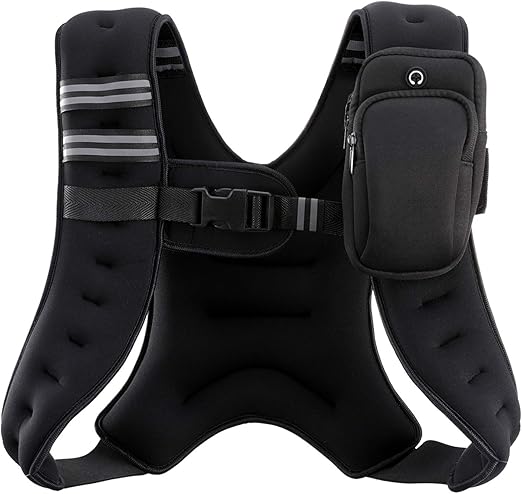
🏋️♂️ ZELUS Weighted Vest – Boost Your Workout Performance!
Available in 6lb to 30lb sizes with reflective stripes. Perfect for strength training, running, fitness, weightlifting, and weight loss.
💥 Get Yours Now for Under $32!
⚖️ Etekcity Digital Bathroom Scale – Precision You Can Trust!
Sleek design with a large blue backlit LCD, high-precision sensors, and durable 6mm tempered glass. Supports up to 400 lbs.
🔥 Shop Now for Under $149!As health and fitness trends evolve, many people are seeking convenient snacks that support their weight loss goals without sacrificing flavor. Among these options, sugar-free protein bars have gained popularity, but this raises the critical question: are they actually healthy? In this article, we will explore the ingredients, nutritional benefits, potential drawbacks, and practical considerations of sugar-free protein bars, helping you make informed choices that align with your health objectives.
Understanding Sugar-Free Protein Bars
Sugar-free protein bars are designed to provide a portable source of protein with less or no added sugar. They are often marketed as healthier alternatives to traditional snacks and are aimed at those looking to manage their weight, enhance muscle recovery, or simply maintain healthier eating habits. But what exactly makes these bars sugar-free, and what should you be aware of when incorporating them into your diet?
What Makes a Protein Bar Sugar-Free?
A protein bar is considered sugar-free when it contains less than 0.5 grams of sugar per serving. Manufacturers typically use various sugar substitutes and sweeteners to achieve this. Common ingredients include:
- Artificial Sweeteners: Such as aspartame, sucralose, and acesulfame potassium.
- Natural Sweeteners: Stevia and monk fruit extract are popular for their natural origins and low-calorie profiles.
- Fiber Additives: Ingredients like maltitol and isomalto-oligosaccharides add sweetness without the calories.
The Nutritional Profile of Sugar-Free Protein Bars
When assessing whether sugar-free protein bars are healthy, it’s essential to look beyond the packaging. A typical sugar-free protein bar can have the following nutritional components:
Protein Content
One of the primary reasons people consume these bars is for their protein content. A good sugar-free protein bar often contains:
- 15 to 30 grams of protein depending on the brand and size.
- Sources of protein can include whey, casein, soy, and pea protein.
This high protein content can help with muscle recovery and increase feelings of satiety, which may aid in weight loss efforts.
Calories and Macronutrient Balance
The calorie content of sugar-free protein bars varies widely, typically ranging from 150 to 300 calories. It’s crucial to evaluate:
- Total Fat: May range from 5 to 15 grams, with some bars containing healthy fats from nuts or seeds.
- Carbohydrates: Often lower in sugar yet might still have other unrefined carbs from sources like oats or grains.
Health Benefits of Sugar-Free Protein Bars
Incorporating sugar-free protein bars into your diet can offer several advantages:
Convenience
These bars are easily portable, making them a quick snack option for busy lifestyles. Whether at the gym, in the office, or on the go, they provide a convenient way to boost protein intake without added sugar.
Weight Management
Many people find that high-protein snacks can help curb cravings and appetite. By opting for sugar-free options, you may reduce excess sugar intake, which can be beneficial for weight loss.
Blood Sugar Control
For individuals concerned about blood sugar levels, sugar-free protein bars often have a lower glycemic index compared to traditional snack bars. This can contribute to more stable energy levels without the crashes associated with high-sugar foods.
Potential Drawbacks of Sugar-Free Protein Bars
While the benefits can be appealing, it’s essential to consider some drawbacks as well:
Ingredient Quality
Not all sugar-free protein bars are created equal. Some may contain:
- Artificial Additives: Many sugar substitutes can include various fillers and preservatives that may be unhealthy in the long term.
- Poor Nutritional Profiles: Some bars may have high levels of calories and fats, with little nutritional value beyond protein.
Digestive Issues
Certain sugar substitutes, particularly sugar alcohols, can cause digestive discomfort. Symptoms may include:
- Gas
- Bloating
- Diarrhea
Individuals sensitive to these ingredients should consume sugar-free protein bars in moderation.
How to Choose a Healthy Sugar-Free Protein Bar
With many options on the market, making a selection can be overwhelming. Here are some tips to help you choose wisely:
- Check the Ingredients: Look for bars with whole food ingredients like nuts, seeds, and natural sweeteners. Avoid bars with long lists of additives.
- Protein Sources: Choose bars that use high-quality protein sources such as whey or plant-based proteins.
- Watch the Nutritional Labels: Pay attention to calorie counts and macronutrient distributions to ensure they’re aligned with your dietary goals.
- Consider Fiber: Opt for bars with added fiber to help with digestion and satiety.
Incorporating Sugar-Free Protein Bars into Your Diet
After you’ve chosen a suitable sugar-free protein bar, consider how you can incorporate it into your routine effectively:
As a Meal Replacement
In certain situations, a protein bar can stand in for a meal, especially when you’re pressed for time. However, it’s essential to pair it with other nutrient-dense foods when possible:
- Add a piece of fruit for fiber and vitamins.
- Include a handful of nuts or yogurt for healthy fats.
As a Pre- or Post-Workout Snack
Protein bars can serve as an excellent pre- or post-workout snack. Consuming them before exercise can provide that necessary energy burst, while those after workouts can aid in muscle recovery.
As a Dessert Alternative
If you’re craving something sweet, a sugar-free protein bar might satisfy your sweet tooth without the guilt. Look for bars that have appealing flavors—like chocolate, caramel, or cookie dough—for a healthier dessert option.
Real User Experiences with Sugar-Free Protein Bars
To provide a deeper understanding of how sugar-free protein bars might affect your diet and health, let’s look at some real user experiences:
Case Study 1: Active Young Adult
A 25-year-old fitness enthusiast began including sugar-free protein bars as a post-gym snack. They reported feeling less fatigued during workouts and appreciated that the bars helped manage their appetite for unhealthy snacks. However, they noted that choosing brands that emphasized natural ingredients was essential.
Case Study 2: Busy Professional
A 35-year-old professional integrated sugar-free protein bars into their lunch schedule. The convenience helped meet their protein goals while on the job. They reported increased energy levels but had to be careful with portion sizes to avoid excessive calorie intake.
Case Study 3: Weight Watcher
A 40-year-old dieter was skeptical initially but found sugar-free protein bars beneficial for satisfying sweet cravings between meals. They worked on pairing the bars with fresh fruits or vegetables, enhancing the nutrition of their overall snack choices.
Conclusion
To sum up, sugar-free protein bars can be a healthy snack option if chosen wisely. They offer convenience, protein, and potential benefits for weight management and blood sugar control. However, it’s vital to pay attention to ingredient quality, caloric intake, and how they fit into your overall dietary pattern. By following the guidance shared in this article, you can make informed choices about including sugar-free protein bars in your diet while staying on track with your health goals.


Related Articles
Our HOME in English: Common questions about the requirements and approval difficulty for getting a personal Tea Burn Weight Loss, especially regarding credit score – see more about Tea Burn Here

Are Sugar-Free Protein Bars Healthy?
When it comes to maintaining a healthy lifestyle and achieving weight loss goals, the snacks you choose can make a significant difference. Sugar-free protein bars often promise a delicious, convenient option for those looking to boost their protein intake without the added sugars. But are they really as healthy as they seem? Understanding the ingredients and nutritional value of these bars is essential for making informed choices. Let’s dive into the details of how cutting out sugar can contribute to weight loss and examine common questions regarding sugar-free protein bars.
FAQ
1. Are sugar-free protein bars low in calories?
Not necessarily. While sugar is removed, other ingredients may still keep the calorie count high. Always check the nutrition label.
2. What sweeteners are used in sugar-free protein bars?
Many sugar-free bars use artificial sweeteners like sucralose or natural alternatives like stevia. Both have their pros and cons.
3. Can sugar-free protein bars help with weight loss?
They can if they are consumed in moderation and fit within a balanced diet. They provide protein without adding sugar calories.
4. Do sugar-free protein bars taste good?
Taste can vary widely across brands. Some people love them, while others may not enjoy the aftertaste of artificial sweeteners.
5. Are sugar-free bars safe for diabetics?
Yes, they may be safer than regular bars. However, it’s vital for diabetics to monitor how these products affect their blood sugar levels.
6. Do these bars contain carbs?
Yes, they often contain carbs, usually from fiber or sugar alcohols. These can impact blood sugar but are lower than traditional bars.
7. How do sugar-free bars affect cravings?
The protein may help curb cravings, but some people may still find they crave sweets after consuming sweet-tasting products.
8. Are sugar-free protein bars made with natural ingredients?
This depends on the brand. Some may use high-quality natural ingredients, while others might rely on fillers and additives.
9. Can I use sugar-free protein bars for meal replacement?
They can be used occasionally but should not fully replace balanced meals due to their lower nutritional content.
10. How do protein bars compare to protein shakes?
Bars are convenient for on-the-go snacking, while shakes may offer a higher protein content and less sugar per serving.
11. Are there sugar-free bars with high fiber content?
Yes, many sugar-free protein bars contain added fiber, which supports digestion and helps you feel full longer.
12. Can I eat sugar-free protein bars every day?
While they can be included daily, it’s essential to balance your diet with whole foods for better nutrition.
13. Do these bars cause digestive issues?
Some bars contain sugar alcohols that may cause bloating or digestive discomfort in sensitive individuals.
14. Will eating sugar-free bars help lose weight faster?
Not necessarily. Weight loss relies on overall calorie intake and lifestyle choices rather than just one food type.
15. Can children eat sugar-free protein bars?
It’s best to consult a pediatrician, as children need a balanced diet for proper growth and development.
16. Are there gluten-free sugar-free protein bars?
Many brands cater to gluten-free diets, but always check labels for certification.
17. Is it advisable to eat protein bars before workouts?
Yes, they can provide the needed energy and protein for muscle recovery but avoid too many sugars or fats beforehand.
18. Do sugar-free protein bars help build muscle?
Yes, they provide protein which is essential for muscle repair and growth when consumed alongside a workout regimen.
19. Are sugar-free protein bars processed?
Most are processed, but some brands focus on minimal processing and natural ingredients. Always read labels.
20. Can sugar-free protein bars replace protein from whole foods?
They can supplement protein intake, but whole foods provide additional nutrients necessary for optimal health.
21. How do you store protein bars for freshness?
Store them in a cool, dry place. Some may require refrigeration after opening to maintain freshness.
22. Can I make homemade sugar-free protein bars?
Absolutely! Making your own allows you to control the ingredients, flavor, and texture, ensuring it meets your dietary preferences.
23. Are there flavors and varieties of sugar-free protein bars?
Yes, there are numerous flavors available, from chocolate to peanut butter, catering to various taste preferences.
24. How can I incorporate protein bars into my diet?
Use them as snacks between meals or post-workout to boost your protein intake.
25. What are the best sugar-free protein bars on the market?
Some highly-rated brands include Quest, RXBAR, and Built Bar. Always read reviews and ingredient labels to find the right one for you.
Conclusion
In conclusion, sugar-free protein bars can indeed be a healthy addition to your weight loss journey when chosen wisely. They help eliminate added sugar, offering a convenient protein source that can keep hunger at bay. However, it’s essential to consider the overall nutritional profile and ingredients of any bar you choose. As with any food, moderation and balance are key. For those aiming to lose weight, these bars can be a beneficial tool, especially when incorporated into a holistic diet. So, whether you’re on the go or need a quick snack, sugar-free protein bars might just be the solution you’ve been looking for!


