
Do milk and dairy make you gain weight?
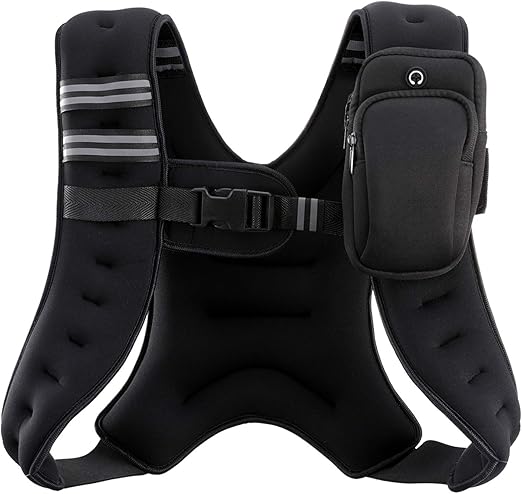
🏋️♂️ ZELUS Weighted Vest – Boost Your Workout Performance!
Available in 6lb to 30lb sizes with reflective stripes. Perfect for strength training, running, fitness, weightlifting, and weight loss.
💥 Get Yours Now for Under $32!
⚖️ Etekcity Digital Bathroom Scale – Precision You Can Trust!
Sleek design with a large blue backlit LCD, high-precision sensors, and durable 6mm tempered glass. Supports up to 400 lbs.
🔥 Shop Now for Under $149!
In the quest for weight management and overall health, many people wonder about the role of milk and dairy products in their diets. With varying opinions on whether these foods contribute to weight gain or can actually aid in weight loss, it’s important to explore the facts and scientific evidence about milk and dairy consumption. In this article, we will delve into how milk and dairy impact your weight, the nutritional content they offer, and their role in a balanced diet.
The Nutritional Profile of Milk and Dairy Products
Before addressing the question of weight gain, it’s essential to understand what milk and dairy products contain. Here’s a breakdown of some common dairy products and their nutritional composition:
- Whole Milk: Approximately 150 calories, 8g fat, 12g carbohydrates, and 8g protein per cup.
- Low-Fat Milk: About 100 calories, 2.5g fat, 12g carbohydrates, and 8g protein per cup.
- Skim Milk: Roughly 80 calories, 0g fat, 12g carbohydrates, and 8g protein per cup.
- Greek Yogurt: Around 100-150 calories, 0-10g fat, 9g carbohydrates, and 15g protein per 6-ounce serving.
- Cheese: Approximately 200 calories, 16g fat, 1g carbohydrates, and 13g protein per ounce (varies by type).
Milk and dairy products are rich in essential nutrients such as calcium, vitamin D, and protein, which are important for maintaining strong bones and overall bodily functions. However, the varying fat content in these products influences their calorie count and potentially their effect on body weight.
How Milk and Dairy Products Can Contribute to Weight Gain
Consumption of milk and dairy products can be associated with weight gain primarily due to the following factors:
Caloric Surplus
One of the key reasons for weight gain is consuming more calories than your body burns. If you’re not mindful of portion sizes or the total calorie intake from milk and dairy products, it can contribute to a caloric surplus. Here are points to consider:
- High-fat Dairy Products: Whole milk, cream, and certain cheeses can be calorie-dense due to their higher fat content.
- Added Sugars: Flavored milks and yogurts often contain added sugars, increasing their caloric content significantly.
- Increased Portion Sizes: People often consume larger portions of dairy, especially in cooking and baking, which can contribute to excess calorie intake.
Insulin Response
Consuming carbohydrates, including lactose (the sugar found in milk), can lead to an insulin response in the body. Insulin is a hormone that helps regulate blood sugar levels but also promotes fat storage. Here’s how it works:
- Increased Insulin Levels: Higher insulin secretion can lead to fat storage, particularly if it’s consistently elevated due to high carbohydrate consumption.
- Blood Sugar Fluctuations: Consuming high amounts of dairy with added sugars can lead to rapid blood sugar spikes and crashes, prompting cravings for more food.
How Dairy May Support Weight Management
While there are ways in which dairy can contribute to weight gain, there are also research findings that suggest dairy products can aid in weight management when consumed in moderation:
Protein Content
Dairy products are an excellent source of protein, which plays a crucial role in satiety and muscle maintenance:
- Satiety: Consuming higher protein foods, including low-fat dairy, can help you feel fuller for longer, potentially reducing overall calorie intake.
- Muscle Retention: Protein helps in building and preserving muscle mass, which is crucial during weight loss to ensure the loss comes from fat rather than muscle.
Calcium and Weight Loss
Calcium-rich foods like dairy have been linked to weight management in some studies:
- Fat Metabolism: Adequate calcium intake may promote fat metabolism and reduce fat absorption in the gut.
- Appetite Regulation: Calcium may play a role in regulating hormones that affect appetite, helping to prevent overeating.
Fermented Dairy Products
Fermented dairy items, such as yogurt and kefir, contain probiotics, which can positively influence gut health:
- Gut Health: A healthy gut microbiome is linked to better weight management and metabolic health.
- Reduced Inflammation: Some studies suggest that probiotics may help reduce body inflammation, which is related to obesity.
Choosing the Right Dairy Products for Weight Control
If you’re looking to incorporate milk and dairy into your diet while managing your weight, consider the following tips:
- Opt for Low-Fat or Non-Fat Varieties: These options provide the nutritional benefits without unnecessary added calories from fat.
- Choose Plain over Flavored: Flavored yogurts and milk often contain added sugars that can contribute to weight gain.
- Watch Portion Sizes: Be mindful of your serving sizes to avoid excessive calorie consumption.
- Combine with Other Healthy Foods: Include dairy as part of a balanced meal with whole grains, fruits, and vegetables to promote satiety.
Common Misconceptions About Dairy and Weight Gain
Several myths surround the idea of dairy and weight, leading to confusion and dietary choices that might not be evidence-based. Here are some common misconceptions:
Myth 1: All Dairy is Fattening
Not all dairy products will lead to weight gain. As discussed, low-fat and non-fat options can fit well into a weight loss or maintenance plan.
Myth 2: Dairy is Inflammatory
Though some individuals may have lactose intolerance or dairy allergies, for most people, moderate dairy consumption does not cause inflammation. In fact, fermented dairy can help reduce inflammation.
Myth 3: Cutting Dairy is Necessary for Weight Loss
For many, cutting out dairy altogether is not required for weight loss. Focus on quality and portion sizes instead of eliminating it entirely.
Listening to Your Body
It’s crucial to recognize that everyone’s body responds differently to dairy. As you navigate the question of whether milk and dairy can cause weight gain, pay attention to how your body reacts:
- Digestive Comfort: If you experience discomfort after consuming dairy, you might be lactose intolerant or sensitive.
- Energy Levels: Monitor how dairy affects your energy levels throughout the day.
- Weight Trends: Keep track of your weight in relation to your dairy consumption to see if there’s a pattern that works for you.
Incorporating Dairy Wisely Into Your Diet
To enjoy the benefits of dairy while managing weight, consider the following strategies:
- Experiment with Different Types: Try both dairy and non-dairy alternatives to determine which ones suit your dietary needs and preferences.
- Mix with Healthy Ingredients: Use yogurt in smoothies, baking, or as a salad dressing base to enhance nutrition without excessive calories.
- Prioritize Timing: Consider having dairy as a part of your post-workout routine to assist in muscle recovery thanks to its protein content.
Conclusion
The relationship between milk, dairy, and weight gain is nuanced and varies from person to person. Dairy products can be part of a weight management strategy due to their nutritional benefits, particularly when opting for low-fat versions and being mindful of portions. Ultimately, understanding your body’s response to dairy and focusing on a balanced diet will be key to achieving your health and weight loss goals.


Related Articles
Our HOME in English: Common questions about the requirements and approval difficulty for getting a personal Tea Burn Weight Loss, especially regarding credit score – see more about Tea Burn Here

Many individuals are concerned about the impact of milk and dairy on weight management. With numerous diets promoting low-carb or dairy-free lifestyles, it’s essential to understand how these foods affect your body. Dairy products are often rich in protein and calcium, which can aid in weight loss but may also contribute to calorie intake if consumed in large quantities. Understanding portion sizes and the type of dairy you consume can help you make informed choices that align with your weight loss goals.
Do Milk and Dairy Contribute to Weight Gain?
Milk and dairy products can be part of a balanced diet. However, their effect on weight can differ based on several factors:
- Type of Dairy: Full-fat dairy can be higher in calories than low-fat options.
- Portion Sizes: Overconsumption, regardless of the food type, can lead to weight gain.
- Individual Metabolism: Each person metabolizes food differently, affecting weight outcomes.
Frequently Asked Questions
1. Does whole milk make you gain weight more than skim milk?
Whole milk has a higher calorie content due to its fat content. Consuming it in moderation can be fine, but if weight loss is your goal, skim milk might be a better option.
2. Are lactose-free dairy products less fattening?
Lactose-free products have a similar calorie count as regular dairy. They are a great option for those with lactose intolerance but won’t significantly affect weight gain.
3. Can yogurt help with weight loss?
Yes! Yogurt, especially low-fat or Greek yogurt, is high in protein which can keep you full longer, helping with weight management.
4. How does dairy affect metabolism?
Dairy can boost metabolism slightly due to its protein content, which requires more energy to digest compared to fats or carbohydrates.
5. Is cheese fattening?
Cheese can be calorie-dense, so moderation is key. Choosing lower-fat options can help manage caloric intake.
6. Should I avoid dairy entirely for weight loss?
No, dairy can be part of a healthy diet. Focus on portion control and choose lower-fat options if weight loss is a concern.
7. Does dairy cause bloating, which can affect weight?
Some people experience bloating from dairy due to lactose intolerance. This discomfort can lead to temporary weight gain from water retention but is not actual fat gain.
8. Can cutting out dairy aid in weight loss?
For some individuals, cutting out dairy can lead to weight loss if it reduces overall calorie intake. However, it’s not necessary for everyone.
9. Is non-dairy milk healthier for weight loss?
Many non-dairy milks are lower in calories, but check for added sugars as they can negate weight loss benefits.
10. Should I track my dairy intake for weight loss?
Yes! Monitoring what you eat can help you stay within your calorie goals and manage portion sizes effectively.
11. Can dairy help build muscle for weight loss?
Yes, protein-rich dairy products can help build muscle, which may increase metabolism and aid in weight loss.
12. How often should I consume dairy while trying to lose weight?
In moderation, consuming dairy a few times a week can be beneficial as part of a balanced diet.
13. Is there a link between dairy and belly fat?
Excessive calorie consumption from any food, including dairy, can lead to belly fat. Focus on a balanced diet and portion control.
14. Can ice cream fit into a weight loss diet?
Occasional small portions of ice cream can fit into a weight loss plan, especially if it replaces higher-calorie snacks.
15. What dairy products should I avoid for weight loss?
Limit full-fat cheeses, cream-based products, and sugary flavored yogurts to keep calories and unhealthy fats in check.
16. Does dairy have any role in a healthy metabolism?
Yes, the calcium in dairy may help stabilize metabolism, but it’s essential to combine it with exercise and a balanced diet.
17. Can protein from dairy support weight loss?
Absolutely! Protein from dairy can enhance satiety, helping you feel fuller and reducing overall calorie consumption.
18. Is dairy harmful to weight loss in any way?
Calories can add up quickly in dairy if you’re not careful, but moderation typically allows for weight loss while including dairy.
19. How does sugar affect dairy’s role in weight loss?
Added sugars in flavored dairy products can contribute to weight gain. Opt for plain varieties to maximize benefits.
20. Is it possible to be dairy-free and still lose weight?
Yes! Many people lose weight on dairy-free diets by substituting with whole foods and non-dairy alternatives.
21. Can dairy contribute to cravings?
Some people crave dairy due to its rich taste, but focusing on high-protein alternatives can help satisfy cravings without excess calories.
22. What are the healthiest types of dairy to consume?
Low-fat milk, Greek yogurt, cottage cheese, and actively cultured kefir are great options for a weight-conscious diet.
23. Do different body types react differently to dairy?
Yes, genetics and body types can affect how your body processes dairy, influencing weight gain or loss.
24. Can consuming dairy late at night affect weight?
What matters is the total calorie intake. Late-night dairy won’t directly make you gain weight if it fits your daily caloric goals.
25. What’s the bottom line on dairy and weight gain?
In moderation, dairy can be part of a weight loss plan. Focus on lower-fat varieties and mindful eating for the best outcomes.
Conclusion
In summary, milk and dairy can both support and hinder weight loss, depending largely on personal choices and dietary habits. While they provide beneficial nutrients such as protein and calcium, portion control and quality of dairy products matter significantly. Choosing low-fat options and being mindful of added sugars can help you enjoy dairy without compromising your weight loss efforts. For anyone looking to incorporate dairy into a healthy weight loss plan, it’s all about balance and moderation. Making informed choices can lead to successful weight management while still enjoying your favorite dairy products!


