
Do low-fat products cause more weight gain?
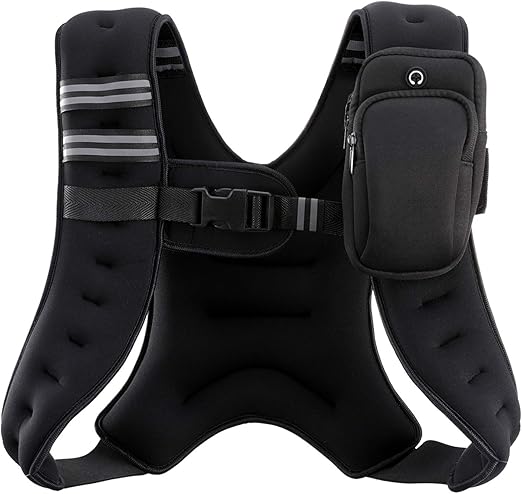
🏋️♂️ ZELUS Weighted Vest – Boost Your Workout Performance!
Available in 6lb to 30lb sizes with reflective stripes. Perfect for strength training, running, fitness, weightlifting, and weight loss.
💥 Get Yours Now for Under $32!
⚖️ Etekcity Digital Bathroom Scale – Precision You Can Trust!
Sleek design with a large blue backlit LCD, high-precision sensors, and durable 6mm tempered glass. Supports up to 400 lbs.
🔥 Shop Now for Under $149!Do Low-Fat Products Cause More Weight Gain?
In a world increasingly focused on health and wellness, the quest for an ideal diet often brings consumers face to face with a myriad of food choices. One prominent category that has gained popularity over the years is low-fat products. Touted as healthier alternatives to their regular counterparts, many people have flocked to them in hopes of losing weight. However, recent discussions around whether low-fat products are genuinely beneficial or if they might actually lead to more weight gain have emerged. This article delves deep into the nuances of low-fat products, their effects on weight management, and the possible reasons behind a paradox where low-fat might not equate to low-calorie.
The Low-Fat Craze: Where Did It Start?
The low-fat diet revolution began in the late 20th century, fueled by rising obesity rates and healthcare concerns. The idea was simple: reduce fat intake to lower calories and subsequently weigh less. As a result, a plethora of low-fat products, from yogurt to salad dressings, flooded grocery store shelves. These products often claimed to be healthier, making consumers feel justified in consuming them. The narrative was clear: eat low-fat, lose weight.
How Low-Fat Products Are Marketed
Low-fat products are often marketed with labels that emphasize their health benefits. Here are a few common marketing phrases you might encounter:
- “Fat-Free”: Implies a lower calorie count, but not always a lower overall caloric content.
- “Reduced Fat”: Indicates that fat content is lower than the regular version, but often sugar levels are increased to enhance flavor.
- “Light”: Suggests a healthier choice, yet it’s essential to read the full nutritional label.
These marketing strategies can trick consumers into believing that they have made healthier choices, which might lead to consuming more calories overall.
The Science Behind Low-Fat Products and Weight Gain
Despite the expectation that low-fat products should help in weight loss, several factors suggest that they might lead to weight gain instead. Let’s explore these factors in detail.
1. Increased Sugar Content
To compensate for the removal of fat, many low-fat products contain higher levels of sugar. This often leads to the following:
- Higher Caloric Content: While the fat content may be lower, the caloric content can remain the same or even increase.
- Increased Blood Sugar Levels: Sugary foods can cause spikes in blood sugar, followed by crashes that lead to cravings for more food.
The body responds differently to sugar compared to fat. When fat is removed from foods, consumers often consume more of these low-fat products to satisfy cravings, leading to a higher overall caloric intake.
2. Misleading Portion Sizes
Low-fat products can lead to a false sense of security regarding portion sizes. The perception that low-fat means guilt-free can cause individuals to overconsume. Here are a few key points:
- Mindless Eating: People may eat larger quantities of low-fat snacks believing they’re healthier.
- Reduced Satisfaction: Low-fat products often lack the richness that fat offers, which can lead to consumption of more products to feel satisfied.
3. Nutritional Deficiencies
No fat in the diet can lead to deficiencies in essential fatty acids and fat-soluble vitamins (A, D, E, and K). These deficiencies can affect:
- Metabolism: Essential fats are crucial for metabolism and energy management.
- Hormonal Balance: Fats are essential for hormone production, which can impact appetite regulation.
4. Psychological Factors
The perception that low-fat equals healthy can also create a psychological effect known as “license to indulge.” This phenomenon can manifest in several ways:
- Overcompensation: If a person consumes a low-fat muffin, they might decide it’s acceptable to eat more unhealthy foods later.
- Reduced Mindfulness: The consumption of low-fat foods can lead to mindless eating, as individuals are less aware of their overall dietary patterns.
The Role of Whole Foods
An increasingly popular approach to weight loss is focusing on whole, unprocessed foods instead of the low-fat or fat-free options. Here’s why whole foods are favored:
- Nutrient Density: Whole foods are typically more nutrient-dense, offering vitamins, minerals, and fiber without the manipulation found in processed low-fat products.
- Satiation: Foods high in healthy fats, such as avocados, nuts, and seeds, can enhance satiety, leading to fewer overall calories consumed.
- Balanced Diet: A balanced diet incorporating healthy fats, proteins, and carbohydrates promotes sustainable weight loss.
Does Fat Make You Fat? Debunking the Myths
A common myth perpetuated during the low-fat diet boom is that eating fat leads to weight gain. However, recent research has debunked this notion:
- Healthy Fats Are Beneficial: Monounsaturated and polyunsaturated fats found in sources like olive oil, fish, and nuts have been shown to promote heart health and weight loss.
- Fat in Moderation: Baсking fat-filled meals into a balanced diet can lead to effective weight management compared to a strict low-fat approach.
Finding the Right Balance
Given the evidence surrounding low-fat products and their potential implications for weight management, it’s vital to focus on finding balance in your diet. Here are practical steps to take:
- Read Labels: Look beyond claims and examine ingredient lists and nutritional data.
- Prioritize Whole Foods: Integrate more whole foods into your diet, including fruits, vegetables, whole grains, and healthy fats.
- Practice Mindful Eating: Pay attention to how and when you eat, fostering a more conscious approach to food choices.
Conclusion
While low-fat products may sound appealing as a quick fix for weight loss, their actual impact can be contrary to expectations. The combination of potentially higher sugar content, misleading portion sizes, and psychological effects can transform them from allies to adversaries in the weight loss journey. By embracing a balanced approach that emphasizes whole foods and mindful eating rather than focusing solely on fat content, individuals can achieve better health and sustainable weight management.


Related Articles
Our HOME in English: Common questions about the requirements and approval difficulty for getting a personal Tea Burn Weight Loss, especially regarding credit score – see more about Tea Burn Here

As health consciousness grows, many are shifting to low-fat products believing they are the key to weight loss. However, does this assumption hold water? It’s essential to delve deeper and understand how low-fat diets affect our bodies and weight. Surprisingly, some low-fat products can lead to weight gain due to added sugars and processed ingredients. Understanding the impact of these products on your weight and health can guide your dietary choices effectively. In this article, we will explore the relationship between low-fat products and weight gain, while also discussing the benefits of cutting sugar for effective weight management.
Understanding Low-Fat Products
Low-fat products often claim to be healthier alternatives. However, many contain high levels of added sugars and artificial ingredients to enhance flavor. These can lead to an imbalance in caloric intake.
Cutting Out Sugar and Weight Loss
Cutting out sugar is crucial for effective weight loss. It can help reduce caloric intake and prevent spikes in insulin levels, which can contribute to weight gain. By opting for foods that are low in added sugars, you may find it easier to manage your weight and improve overall health.
Conclusion
In conclusion, while low-fat products are marketed as healthier alternatives, they can sometimes contribute to weight gain due to their hidden sugars and calorie content. Cutting out sugar is a more reliable method for weight loss and healthier living. It’s essential to choose whole, unprocessed foods that nourish the body rather than relying solely on low-fat labels. Making informed dietary decisions about what you consume will aid not only in weight management but also in long-term health. Remember, the key lies in balance and understanding how different products affect your body.
FAQs
1. Do low-fat products help with weight loss?
Low-fat products can sometimes be misleading; they often contain added sugars which may lead to increased calorie consumption and weight gain.
2. Why do some people gain weight on a low-fat diet?
Low-fat diets may include processed foods with high sugars that can lead to excessive calorie intake, resulting in weight gain.
3. Is sugar the main culprit in weight gain?
Excess sugar consumption can lead to weight gain, especially from added sugars in processed foods, making it a significant factor in weight management.
4. Are all low-fat products bad for you?
Not all low-fat products are harmful; whole foods with lower fat content are generally healthier. Read labels to avoid added sugars.
5. Can cutting sugar alone help me lose weight?
Yes, reducing sugar can help decrease caloric intake and improve metabolic health, aiding in weight loss.
6. What types of sugar should I avoid?
Avoid added sugars such as high fructose corn syrup, cane sugar, and sugary snacks. Focus on natural sugars from fruits.
7. Are low-fat dairy products good for weight loss?
Low-fat dairy can be beneficial, but check for added sugars and choose plain, low-fat options for the best results.
8. How do I read labels for low-fat products?
Look for total sugars, ingredients, and caloric content. Avoid products where sugar is one of the first few ingredients listed.
9. Can I eat fruit while trying to lose weight?
Yes, fruits are rich in nutrients and fiber. Opt for whole fruits rather than fruit juices to manage sugar intake.
10. How much sugar is too much?
Guidelines suggest limiting added sugars to less than 10% of total daily calories, about 25 grams for women and 37.5 grams for men.
11. Should I switch to full-fat dairy?
Full-fat dairy may be beneficial in moderation; the fat can help you feel full longer, but be mindful of portion sizes.
12. Are low-fat diets effective long-term?
Low-fat diets can be effective short-term, but focusing on balanced nutrition and whole foods is generally more sustainable long-term.
13. Does cutting carbs help with weight loss?
Reducing carb intake may help some individuals lose weight, but it’s essential to ensure proper nutrient intake from other food groups.
14. How can I control my sugar cravings?
Incorporate high-fiber foods, stay hydrated, and maintain balanced meals to help stabilize blood sugar levels and reduce cravings.
15. Are artificial sweeteners a good alternative?
While lower in calories, artificial sweeteners may not help with weight loss and could trigger cravings for sweet foods. Use with caution.
16. Can weight training help with sugar cravings?
Yes, weight training can help regulate hormones and improve metabolism, which may assist in controlling cravings and supporting weight loss.
17. What’s the best way to cut sugar from my diet?
Start by gradually reducing sugary snacks, read labels, and choose whole foods with natural ingredients to ease into a lower sugar diet.
18. How does the body react to cutting out sugar?
Withdrawal symptoms may occur initially, but many people report improved energy, mood, and weight loss once their bodies adjust.
19. Is it okay to indulge occasionally?
Yes, moderation is key! Occasional treats can help you maintain a balanced relationship with food while enjoying your weight-loss journey.
20. Are there benefits to following a low-carb diet?
Low-carb diets can help with weight loss and improving metabolic health, but it’s crucial to follow a balanced and nutritious approach.
21. How do healthy fats fit into a weight loss plan?
Healthy fats are essential for nutrient absorption and can promote satiety. Focus on sources like avocados, nuts, and olive oil in moderation.
22. Can reducing processed foods help with weight loss?
Yes, reducing processed foods can help lower sugar intake and promote overall health, leading to more effective weight loss.
23. How can I stay motivated during my weight-loss journey?
Set realistic goals, track progress, and seek support from community groups or online forums to keep you motivated on your journey.
24. Should I consult a physician before changing my diet?
Yes, consulting a healthcare provider can help you understand the best dietary changes for your individual health needs and conditions.
25. What is the best way to measure weight loss progress?
Aside from the scale, track body measurements, energy levels, and how your clothes fit. These can provide a fuller picture of your progress.


