
Is peanut butter fattening?
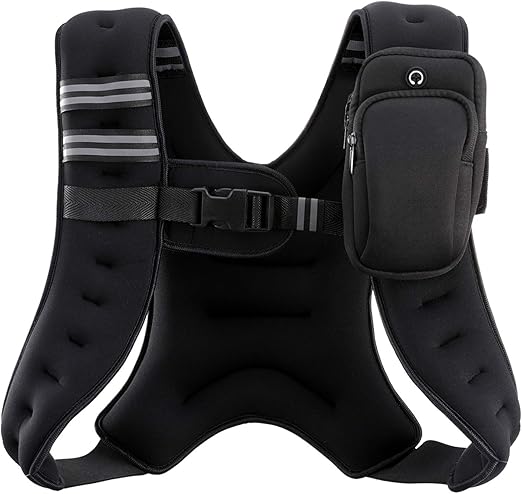
🏋️♂️ ZELUS Weighted Vest – Boost Your Workout Performance!
Available in 6lb to 30lb sizes with reflective stripes. Perfect for strength training, running, fitness, weightlifting, and weight loss.
💥 Get Yours Now for Under $32!
⚖️ Etekcity Digital Bathroom Scale – Precision You Can Trust!
Sleek design with a large blue backlit LCD, high-precision sensors, and durable 6mm tempered glass. Supports up to 400 lbs.
🔥 Shop Now for Under $149!Peanut butter is a beloved staple in many American households, valued for its rich flavor, creamy texture, and versatility. However, with the rising concern about weight management, many people wonder: “Is peanut butter fattening?” In this article, we will delve deep into peanut butter’s nutritional profile, its role in weight management, and whether this popular spread can fit into a healthy diet without sabotaging weight loss efforts. By the end of this article, you will have the information you need to make informed choices about incorporating peanut butter into your meals.
The Nutritional Profile of Peanut Butter
Before determining if peanut butter is fattening, it’s essential to assess its nutritional content. Here’s a breakdown of what a typical serving (about 2 tablespoons or 32 grams) of peanut butter contains:
- Calories: Approximately 190-210 calories
- Protein: Roughly 7-8 grams
- Fat: Around 16-18 grams (of which about half is healthy monounsaturated fat)
- Carbohydrates: About 6-8 grams
- Fiber: Approximately 2-3 grams
- Vitamins and Minerals: Rich in vitamin E, magnesium, phosphorus, niacin, and folate
Peanut butter is primarily made up of fats, but it is crucial to distinguish between types of fat. It contains both monounsaturated and polyunsaturated fats, both of which are beneficial for heart health. In moderation, these fats can help you feel full and satisfied, potentially leading to better weight management.
Is Peanut Butter Fattening?
When assessing whether peanut butter is fattening, it’s essential to consider the big picture. Weight gain occurs when you consume more calories than your body burns. Therefore, if you can enjoy peanut butter in moderation as part of a balanced diet, it does not have to lead to weight gain.
Caloric Density of Peanut Butter
Peanut butter is calorie-dense, meaning a small amount packs a considerable number of calories. This characteristic can lead some to believe it is fattening. Here are some key considerations:
- Portion Control: It is easy to overindulge in peanut butter without realizing it. Sticking to a serving size can help prevent excessive calorie intake.
- Pairing with Other Foods: Often, peanut butter is paired with other high-calorie ingredients, such as sugary jelly or thick bread. The overall meal can contribute to additional calorie intake.
The Role of Healthy Fats in Weight Management
Not all fats contribute to weight gain. In moderation, the healthy fats found in peanut butter can promote satiety, which can be beneficial for weight loss. Here’s how healthy fats play a role:
- Feeling Full: Eating healthy fats can make you feel fuller for longer, potentially reducing cravings for unhealthy snacks.
- Boosting Metabolism: Healthy fats can help maintain steady energy levels and support metabolic functions, allowing your body to burn calories more efficiently.
Health Benefits of Peanut Butter
Peanut butter is not just a source of calories; it also delivers various health benefits that can support a balanced diet:
- Rich in Nutrients: Provides essential vitamins and minerals.
- High in Protein: A good source of plant-based protein, which can aid in muscle repair and growth.
- Antioxidant Properties: Contains antioxidants such as resveratrol, which are known for promoting heart health and reducing inflammation.
Healthy Ways to Include Peanut Butter in Your Diet
If you’re concerned about peanut butter being fattening, there are several ways to enjoy it while maintaining a balanced diet:
Use as a Snack
Pair peanut butter with healthy snacks to enhance its nutritional value. Some great combinations include:
- Apple Slices: Spread peanut butter on apple slices for a sweet and nutritious snack.
- Celery Sticks: A classic combination that provides low-calorie fiber and healthy fats together.
- Whole Grain Rice Cakes: A light canvas to enjoy peanut butter without excess calories.
Incorporate into Meals
Peanut butter can be added to more than just snacks. Here are some meal ideas:
- Smoothies: Blend peanut butter into your morning smoothie for added protein and creaminess.
- Oatmeal: Stir a spoonful of peanut butter into your oatmeal for a filling breakfast.
- Salad Dressings: Mix peanut butter with soy sauce, lime juice, and ginger for a delicious dressing.
Are All Peanut Butters Created Equal?
Not all peanut butters are the same. When choosing peanut butter, be mindful of the following:
Ingredients
Look for peanut butter with minimal ingredients. Ideally, it should contain:
- Only Peanuts: The best option is pure peanut butter with peanuts as the only ingredient.
- No Added Sugars or Oils: Avoid brands with hydrogenated oils or added sugars, as these can increase calorie counts and negate some health benefits.
Natural vs. Processed Peanut Butter
Natural peanut butter tends to have fewer additives and is less processed than conventional brands. It typically contains just peanuts and salt, preserving its nutritional components better.
Potential Downsides of Peanut Butter
While peanut butter has many benefits, it’s crucial to be aware of potential downsides:
- Allergies: Peanut allergies are common, and even small amounts can cause severe reactions in sensitive individuals.
- Calories Add Up: Due to its calorie density, eating too much peanut butter can lead to weight gain if not moderated.
Alternatives to Peanut Butter
If you’re looking for alternatives to peanut butter that offer similar benefits, consider these nut and seed butters:
- Almond Butter: Another nut butter option that provides healthy fats and protein.
- Cashew Butter: Slightly sweeter and a bit creamier than peanut butter, rich in vitamins and minerals.
- Sunflower Seed Butter: A nut-free option packed with healthy fats and a good alternative for those with nut allergies.
Conclusion
In conclusion, peanut butter can be a part of a healthy weight management plan when consumed in moderation. Understanding its caloric content, nutritional benefits, and ideal consumption practices can help you enjoy this beloved spread without the worry of weight gain. So whether you’re spreading it on toast, blending it into smoothies, or enjoying it with fruits and vegetables, peanut butter can certainly play a role in your balanced diet.


Related Articles
Our HOME in English: Common questions about the requirements and approval difficulty for getting a personal Tea Burn Weight Loss, especially regarding credit score – see more about Tea Burn Here

“`html
Is Peanut Butter Fattening?
If you’re wondering whether peanut butter is fattening and why cutting out sugar helps with weight loss, you’re not alone. Many nutrition-conscious individuals enjoy peanut butter for its rich flavor and protein content, but its high-caloric density can raise concerns. In moderation, peanut butter can fit into a balanced diet without hindering weight loss. The key is to understand portion control and the importance of surrounding it with nutrient-dense foods while avoiding unnecessary sugars that contribute to weight gain.
FAQs about Peanut Butter and Weight Loss
1. Is peanut butter high in calories?
Yes, peanut butter is calorie-dense. A standard two-tablespoon serving contains about 190 calories, which can add up quickly if not measured.
2. Can I eat peanut butter and still lose weight?
Absolutely! When consumed in moderation and as part of a balanced diet, peanut butter can aid in weight loss by providing healthy fats and satiety.
3. Does peanut butter contain healthy fats?
Yes, peanut butter is rich in unsaturated fats, which are beneficial for heart health when consumed in moderation.
4. How much peanut butter should I eat per day?
A recommended serving is 1 to 2 tablespoons, depending on your dietary needs and calorie goals.
5. Does cutting out sugar help with weight loss?
Yes, cutting out added sugars can significantly aid weight loss by reducing overall calorie intake and stabilizing blood sugar levels.
6. Can sugar impact my cravings?
Yes, sugar can increase cravings for more sugar, leading to overeating. Reducing sugar may help mitigate these cravings.
7. Is natural peanut butter better than processed?
Yes, natural peanut butter usually contains fewer additives and sugars, making it a healthier option.
8. How should I store peanut butter?
Store peanut butter in a cool, dry place. Natural types may need stirring due to separation of oils.
9. Can peanut butter cause weight gain?
Overeating any food, including peanut butter, can lead to weight gain. Portion control is crucial.
10. Is peanut butter good for workouts?
Yes, the protein and healthy fats provide energy and aid in muscle recovery post-workout.
11. Is peanut butter vegan?
Yes, peanut butter is plant-based and suitable for vegans.
12. Can I eat peanut butter on a low-carb diet?
Yes, peanut butter is low in carbs, making it a suitable choice for low-carb diets.
13. Is peanut butter a source of protein?
Yes, peanut butter provides about 8 grams of protein per two tablespoons, aiding muscle repair and growth.
14. How does peanut butter fit in a balanced diet?
In moderation, peanut butter can provide healthy fats and protein, contributing to satiety and nutritional balance.
15. Are there any health risks associated with peanut butter?
Allergies are a significant risk for some individuals. Always consult a professional if you have concerns.
16. Is it okay to eat peanut butter at night?
Yes, peanut butter can be a satisfying evening snack that may help with overnight satiety.
17. Does brand matter in peanut butter?
Yes, ingredient quality varies by brand. Opt for those with minimal ingredients and no added sugars.
18. What are the nutritional benefits of peanut butter?
Peanut butter is high in vitamins, minerals, protein, and healthy fats, making it a nutrient-dense choice.
19. Can I substitute peanut butter for other fats in recipes?
Yes, peanut butter can replace butter in some recipes, providing a unique flavor and texture.
20. Can I freeze peanut butter?
Yes, peanut butter can be frozen for prolonged storage but may require stirring after thawing.
21. What’s the best way to incorporate peanut butter into my diet?
Spread it on whole-grain toast, add it to smoothies, or use it in healthy desserts.
22. How does peanut butter compare to almond butter?
Both are nutritious, but almond butter may have slightly more vitamins and minerals, while peanut butter is often cheaper.
23. Is peanut butter gluten-free?
Yes, pure peanut butter is gluten-free, but check for cross-contamination in processed versions.
24. Does peanut butter have any added sugars?
Some brands add sugar and hydrogenated oils. Always read labels to avoid unnecessary additives.
25. What are the best pairings for peanut butter?
Peanut butter pairs well with fruits, such as bananas or apples, and can enhance the flavor of oatmeal or yogurt.
Conclusion
In conclusion, peanut butter isn’t inherently fattening when consumed in moderation. As part of a healthy, balanced diet, it can provide essential nutrients and help keep you full. Coupled with the positive effects of eliminating sugar from your diet, peanut butter can be a great ally in your weight loss journey. By cutting out sugar, you can stabilize your appetite, reduce cravings, and promote healthier eating patterns. So, enjoy your favorite nutty spread, but remember to keep an eye on portion sizes to fully benefit your weight loss efforts while savoring each bite!
“`


