
Who is not a good candidate for Ozempic?
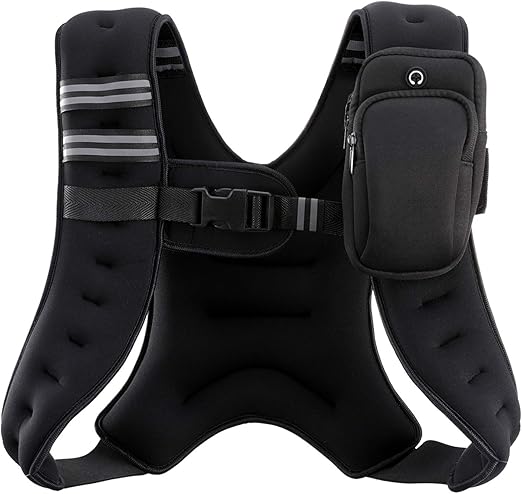
🏋️♂️ ZELUS Weighted Vest – Boost Your Workout Performance!
Available in 6lb to 30lb sizes with reflective stripes. Perfect for strength training, running, fitness, weightlifting, and weight loss.
💥 Get Yours Now for Under $32!
⚖️ Etekcity Digital Bathroom Scale – Precision You Can Trust!
Sleek design with a large blue backlit LCD, high-precision sensors, and durable 6mm tempered glass. Supports up to 400 lbs.
🔥 Shop Now for Under $149!Who is Not a Good Candidate for Ozempic?
As the popularity of Ozempic as a weight loss aid continues to rise, many individuals are exploring this medication as a potential solution for their health challenges. However, not everyone is suited for this treatment. In this article, we will delve into the criteria that determine who should avoid using Ozempic, ensuring that readers can make informed decisions based on their unique health profiles. We’ll discuss medical conditions, potential interactions, and alternative options available for those who may not be good candidates for Ozempic.
What is Ozempic?
Ozempic, or semaglutide, is a medication primarily prescribed for the management of type 2 diabetes. It acts as a glucagon-like peptide-1 (GLP-1) receptor agonist, which helps to stimulate insulin secretion, reduce glucagon levels, and slow gastric emptying. Recently, it has gained traction as a weight loss solution, leading to significant interest among those seeking to shed extra pounds.
Why Do People Consider Ozempic for Weight Loss?
Individuals pursuing weight loss may find Ozempic appealing for several reasons:
- Effective results: Clinical trials have demonstrated that many users experience substantial weight loss.
- Metabolic benefits: Beyond weight loss, Ozempic aids in improving blood sugar control.
- Reduced appetite: The medication influences satiety and hunger signals, making it easier to adhere to a lower-calorie diet.
Who Should Not Use Ozempic?
Consideration of one’s health status is crucial before starting Ozempic. The following groups of individuals should approach this medication with caution or avoid it entirely:
1. Individuals with a Personal or Family History of Medullary Thyroid Carcinoma (MTC)
Ozempic is contraindicated for those with a personal or family history of medullary thyroid carcinoma (MTC) or multiple endocrine neoplasia syndrome type 2 (MEN 2). This rare but aggressive form of cancer can be exacerbated by medications acting on GLP-1 receptors.
2. People with a History of Pancreatitis
If you have had pancreatitis, being treated with Ozempic may heighten the risk of recurrent pancreatitis. Symptoms of pancreatitis include:
- Severe abdominal pain
- Nausea and vomiting
- Fever
- Increased heart rate
3. Pregnant or Breastfeeding Women
Ozempic’s safety during pregnancy and breastfeeding has not been established. Therefore, women who are pregnant or planning to become pregnant, as well as those who are breast-feeding, should avoid the use of this medication.
4. Those with Severe Gastrointestinal Disorders
Individuals suffering from severe gastrointestinal issues, such as gastroparesis, may not be suitable candidates for Ozempic. This is due to the medication’s effect on gastric emptying, which may exacerbate underlying gastrointestinal problems.
5. People with Type 1 Diabetes
Ozempic is not indicated for the treatment of type 1 diabetes and should not be used for individuals who rely on insulin due to their body’s inability to produce it. Using Ozempic in such cases may be ineffective and potentially dangerous.
6. Patients with Hypoglycemia Issues
Individuals susceptible to hypoglycemia (low blood sugar) may not be safe candidates for Ozempic. The medication can increase the risk of hypoglycemia if not used in accordance with a comprehensive diabetes management plan.
7. Those Taking Certain Medications
Some medications can interact negatively with Ozempic. Key medications that require caution include:
- Insulin or insulins secretagogues (e.g., sulfonylureas)
- Certain anticoagulants (e.g., warfarin)
- Other weight loss drugs
It is vital for patients to disclose all medications they are currently taking to their healthcare provider.
8. Patients with Kidney Problems
Individuals with severe kidney impairment may need to avoid Ozempic, as it is largely excreted unchanged in the urine. Kidney function should be monitored throughout treatment to avoid possible renal complications.
Consultation with Healthcare Providers
Before starting Ozempic, it’s essential to engage in a thorough consultation with your healthcare provider. During this discussion, you can evaluate factors such as:
- Your medical history
- Current medications
- Specific health concerns or conditions
This collaborative approach ensures safety and efficacy while minimizing potential risks associated with the medication.
Alternative Weight Loss Options
If you or someone you know might not be a good candidate for Ozempic, there are several alternative weight loss options to consider, including:
1. Lifestyle Modifications
Making changes in diet and exercise can significantly impact weight loss.
- Adopt a balanced, nutrient-rich diet rich in fruits, vegetables, whole grains, and lean proteins.
- Engage in regular physical activity, aiming for at least 150 minutes of moderate aerobic exercise each week.
2. Other Medications
There are alternative medications available for weight loss, including:
- Phentermine-topiramate (Qsymia)
- Bupropion-naltrexone (Contrave)
- Liraglutide (Saxenda)
3. Behavioral Therapy
Behavioral therapy or counseling can be a crucial element of a comprehensive weight loss strategy. It can provide valuable support in developing healthy habits and addressing emotional eating patterns.
4. Surgical Options
For individuals with severe obesity, surgical options such as gastric bypass or sleeve gastrectomy may be appropriate. These procedures can lead to significant, sustainable weight loss.
Final Considerations
In conclusion, while Ozempic can offer effective benefits for weight loss and diabetes management, it is not an appropriate solution for everyone. Individuals with specific medical conditions or concerns should avoid this medication to prevent serious health risks. Always consult with a healthcare provider to explore the best options tailored to your individual health needs. Taking a personalized approach to weight loss ensures that you engage in safe, effective, and sustainable practices that contribute to your overall well-being.


Related Articles
Our HOME in English: Common questions about the requirements and approval difficulty for getting a personal Tea Weight Loss, especially regarding credit score

Who is Not a Good Candidate for Ozempic?
Ozempic, a popular medication for weight management, can help many achieve significant weight loss and improve their overall health. However, it’s essential to recognize that not everyone is a suitable candidate for this treatment. Understanding who should avoid Ozempic can help individuals make informed decisions about their weight loss journey. This article explores potential contraindications and provides crucial insights for those considering this medication.
Potential Candidates Who Should Avoid Ozempic
Ozempic is not recommended for:
- Individuals with a history of medullary thyroid carcinoma.
- People with multiple endocrine neoplasia syndrome type 2.
- Patients with a personal or family history of pancreatitis.
- Those with a severe gastrointestinal disease.
- Individuals who are allergic to any components of Ozempic.
- Pregnant or breastfeeding women.
- People with type 1 diabetes.
- Patients with a current episode of diabetic ketoacidosis.
- Those with severe kidney issues or liver problems.
- Individuals who have recently undergone weight-loss surgery.
Conclusion
Overall, while Ozempic can be an effective option for many individuals seeking weight loss, it is crucial to recognize who may not be suitable for this treatment. Candidates with specific health conditions, allergies, or those who are pregnant should consult their healthcare provider before starting the medication. Understanding these nuances can help ensure safety and optimize weight loss results. Always prioritize your health and work closely with a medical professional to determine the best weight loss strategy for you.
Frequently Asked Questions
1. What are the side effects of Ozempic?
Common side effects include nausea, vomiting, diarrhea, stomach pain, and decreased appetite. Serious side effects can occur but are less common.
2. Can I take Ozempic if I have high blood pressure?
Consult your healthcare provider, as Ozempic can affect blood sugar levels and may interact with blood pressure medications.
3. Is Ozempic safe for long-term use?
Long-term safety studies are still ongoing, but many users have seen sustained weight loss under medical supervision.
4. Can I use Ozempic if I have a history of depression?
Discuss this with your doctor; mental health history may affect your treatment plan and medication management.
5. What should I do if I miss a dose of Ozempic?
If you miss a dose, take it as soon as you remember, but skip it if it’s almost time for your next dose.
6. How does Ozempic lead to weight loss?
Ozempic helps regulate appetite and improves insulin sensitivity, promoting a decrease in calorie consumption and facilitating weight loss.
7. How quickly can I expect results from Ozempic?
Many users start seeing results within a few weeks, but significant weight loss might take several months.
8. Are there any food restrictions while using Ozempic?
There are no strict dietary restrictions, but maintaining a balanced diet can enhance the effects of the medication.
9. Is Ozempic prescribed only for diabetes?
No, it is also approved for weight management in patients without diabetes who meet specific criteria.
10. Can Ozempic be combined with other weight loss medications?
This should be monitored by your healthcare provider to avoid potential interactions and maximize safety.
11. Will Ozempic cause hypoglycemia?
Ozempic has a lower risk of hypoglycemia compared to other diabetes medications, but combined use with insulin or other drugs might increase this risk.
12. How does Ozempic compare to other weight loss drugs?
Ozempic tends to offer longer-term weight management benefits compared to some other options on the market, given its dual action on blood sugar and appetite.
13. Can I stop taking Ozempic if I achieve my weight loss goals?
Discuss a sustainable plan with your healthcare provider to prevent regaining weight after stopping the medication.
14. Is Ozempic covered by insurance?
Insurance coverage varies, so check with your provider for details related to your specific plan and eligibility.
15. What is the cost of Ozempic without insurance?
Without insurance, Ozempic costs can be around $800 to $900 per month, but prices may vary by pharmacy.


