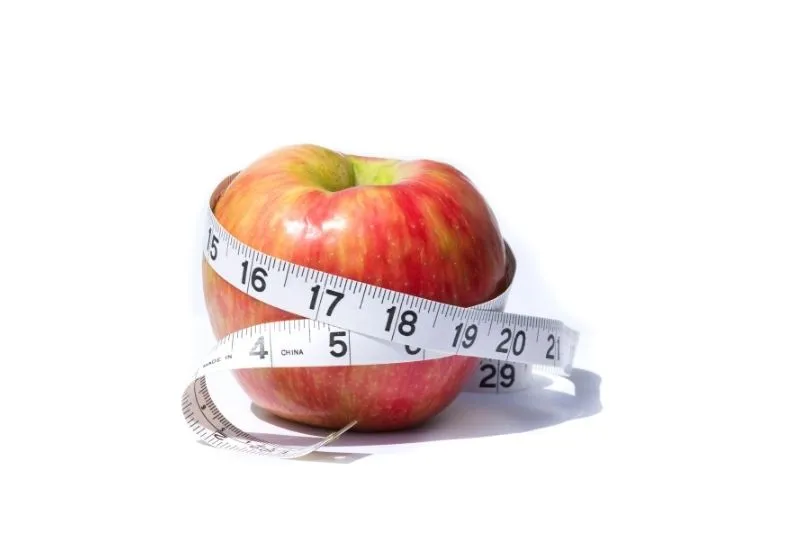
What is visceral tummy fat?
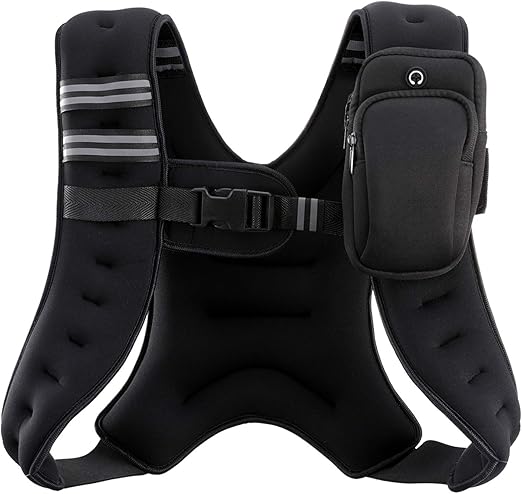
🏋️♂️ ZELUS Weighted Vest – Boost Your Workout Performance!
Available in 6lb to 30lb sizes with reflective stripes. Perfect for strength training, running, fitness, weightlifting, and weight loss.
💥 Get Yours Now for Under $32!
⚖️ Etekcity Digital Bathroom Scale – Precision You Can Trust!
Sleek design with a large blue backlit LCD, high-precision sensors, and durable 6mm tempered glass. Supports up to 400 lbs.
🔥 Shop Now for Under $149!What is Visceral Tummy Fat?
If you’ve ever looked in the mirror and wondered about that stubborn belly fat, you’re not alone. Many individuals are concerned about both their health and appearance, and visceral fat is a term that often comes up in those discussions. This article will dive deep into what visceral tummy fat is, why it matters, and what you can do to manage it effectively. Understanding this type of fat can empower you to make healthier choices and improve your overall well-being.
Understanding Visceral Fat
Visceral fat is a type of body fat that is stored within the abdominal cavity. It is located around vital organs such as the liver, pancreas, and intestines. Unlike subcutaneous fat, which is stored just beneath the skin, visceral fat is deeper and poses a higher risk for various health issues.
To put it simply, visceral fat is not just an aesthetic concern; it is a significant factor in your overall health. The presence of high levels of visceral fat can lead to several serious conditions, making it essential to understand and manage it.
Why is Visceral Fat a Concern?
Understanding why visceral fat is dangerous requires a look into its effects on your body. Here are some key reasons:
- Inflammation: Visceral fat produces inflammatory substances that can lead to chronic inflammation in the body.
- Increased Disease Risk: High levels of visceral fat are associated with an increased risk of diseases such as type 2 diabetes, heart disease, and certain cancers.
- Insulin Resistance: Excess visceral fat can lead to insulin resistance, which is a precursor to type 2 diabetes.
- Metabolic Syndrome: Visceral fat is a significant contributor to metabolic syndrome, a cluster of conditions that increase heart disease risk.
How to Identify Visceral Fat
Identifying visceral fat often requires more than just looking in the mirror. Here are methods you can use:
1. Waist Measurement
A simple and effective way to assess visceral fat is to measure your waist circumference:
- For women, a waist measurement of more than 35 inches is considered high.
- For men, waist measurements exceeding 40 inches are deemed excessive.
These measurements act as indicators of higher visceral fat levels.
2. Body Imaging Techniques
While measuring your waist can give you a good idea, more accurate assessments include:
- CT Scans: These provide detailed images and can precisely measure fat content in the abdomen.
- MRIs: Magnetic resonance imaging scans also provide a detailed picture of body fat distribution.
Causes of Visceral Fat Accumulation
Understanding the causes of visceral fat can help you take preventive measures. Here are some common contributors:
- Poor Diet: A diet high in sugar, refined carbs, and saturated fats can lead to increased visceral fat.
- Lack of Physical Activity: Sedentary lifestyles are closely linked to increased fat storage around the abdomen.
- Genetics: Your family history can also play a role in how and where your body stores fat.
- Stress: Chronic stress leads to high levels of cortisol, a hormone that can promote visceral fat accumulation.
- Age: As you age, your metabolism slows, and hormonal changes can contribute to increased fat accumulation.
Effects of Visceral Fat on Health
The dangers of visceral fat extend beyond the aesthetic concerns of a protruding belly. Here’s how it can affect your health:
1. Cardiovascular Disease
Visceral fat poses a high risk for heart disease due to its relationship with cholesterol levels and blood pressure. The inflammation caused by visceral fat can lead to atherosclerosis, a condition that blocks arteries and can induce heart attacks.
2. Type 2 Diabetes
Those with high levels of visceral fat often experience insulin resistance, which means their bodies can’t use insulin effectively. This can lead to elevated blood sugar levels, paving the way for type 2 diabetes.
3. Hormonal Imbalances
This type of fat can disrupt hormone levels and cause conditions such as polycystic ovary syndrome (PCOS) in women, further complicating health issues.
How to Reduce Visceral Fat
Fortunately, reducing visceral fat is achievable through lifestyle changes. Here’s how you can start:
1. Healthy Eating Habits
Transforming your diet is crucial. Consider the following tips:
- Consume a balanced diet rich in whole foods, lean proteins, healthy fats, and plenty of fruits and vegetables.
- Limit sugar intake and avoid processed foods, which are often high in unhealthy fats and carbs.
- Opt for whole grains instead of refined products to improve fiber intake, which helps reduce belly fat.
2. Regular Physical Activity
Exercise plays a vital role in managing visceral fat. Aim for:
- At least 150 minutes of moderate aerobic exercise per week, such as brisk walking, swimming, or cycling.
- Strength training exercises twice a week to build muscle mass, which can boost metabolism.
3. Stress Management
Since stress contributes to visceral fat accumulation, managing stress effectively can make a difference. Here are some techniques:
- Practice mindfulness meditation or yoga to improve your mental well-being.
- Engage in hobbies that relax you, like reading or gardening.
- Ensure you have a good support system to discuss your daily challenges.
4. Quality Sleep
Lack of sleep is linked to weight gain and increased visceral fat. Aim for:
- 7-9 hours of quality sleep each night.
- A consistent sleep schedule to help regulate your body’s internal clock.
Monitoring and Tracking Progress
As you embark on your journey to reduce visceral fat, consider monitoring your progress through various means:
- Waist Measurement: Regularly check your waist size to gauge changes in visceral fat.
- Body Composition Analysis: Invest in tools or services that assess body fat percentages to track your improvements.
- Fitness Apps: Use apps to log physical activity, food intake, and health metrics to maintain motivation.
When to Seek Professional Help
If you find it challenging to reduce visceral fat despite lifestyle changes, it may be time to consult a healthcare professional:
- A registered dietitian can help design a personalized eating plan.
- Endocrinologists specialize in hormone-related issues and can assist in addressing metabolic problems.
- Personal trainers can guide you toward effective exercise routines tailored to your goals.
Understanding visceral tummy fat is essential for taking charge of your health. By being proactive about your lifestyle choices, you can significantly lower your risk of health problems associated with this type of fat. Remember, small changes can lead to significant results over time! Embrace the journey to a healthier you and say goodbye to stubborn belly fat.


Related Articles
Our HOME in English: Common questions about the requirements and approval difficulty for getting a personal Tea Weight Loss, especially regarding credit score

What is Visceral Tummy Fat?
Visceral tummy fat, often referred to as “belly fat,” is a type of fat that surrounds the internal organs in the abdominal cavity. Unlike subcutaneous fat, which is located just beneath the skin, visceral fat poses a higher risk to overall health. This type of fat is metabolically active, releasing hormones and chemicals that can lead to serious health concerns such as heart disease, diabetes, and metabolic syndrome. Reducing visceral fat is crucial not just for a slimmer waistline, but for enhancing overall well-being. Understanding how to lose this fat effectively can empower you to take control of your health journey.
Benefits of Losing Visceral Fat
- Improved heart health
- Better insulin sensitivity
- Lower risk of chronic diseases
- Enhanced metabolism
- Increased energy levels
Conclusion
In summary, visceral tummy fat is more than just an aesthetic concern; it’s a significant health risk that can lead to severe medical conditions. Making informed lifestyle choices can help you reduce this harmful fat, improve your health, and boost your confidence. Prioritize a balanced diet, regular exercise, and stress management to effectively target visceral fat. Products designed to enhance your fat loss journey can be invaluable in this process. Taking the first step is just a click away, so seize the opportunity to transform your health today!
FAQ
What causes visceral tummy fat?
Visceral fat is often caused by a diet high in refined carbohydrates, sugary foods, and unhealthy fats, combined with a lack of physical activity. Stress and genetics also play a role in its accumulation.
How can I measure visceral fat?
Visceral fat can be measured through various methods including waist circumference measurement, body composition analysis, and imaging techniques like CT or MRI scans.
Is visceral fat more dangerous than subcutaneous fat?
Yes, visceral fat is considered more dangerous because it is associated with several health risks, including heart disease and diabetes, while subcutaneous fat is less harmful.
Can diet help reduce visceral fat?
Absolutely! A balanced diet rich in whole foods, fiber, lean proteins, and healthy fats coupled with reduced sugar intake can effectively help reduce visceral fat.
What exercises help target visceral fat?
High-intensity interval training (HIIT), strength training, and aerobic exercises like running and biking are effective for targeting visceral fat.
How long does it take to lose visceral fat?
The timeline varies, but with consistent lifestyle changes, you may start seeing results in as little as 4-12 weeks.
Are there specific supplements that can help with visceral fat loss?
Some studies suggest that green tea extract, conjugated linoleic acid (CLA), and omega-3 fatty acids may help in reducing visceral fat when combined with a healthy lifestyle.
Does stress contribute to visceral fat?
Yes, increased stress levels raise cortisol, which can lead to weight gain, particularly in the abdominal area.
Is sleep important for reducing visceral fat?
Yes, poor sleep patterns are linked to weight gain, including increased visceral fat. Aim for 7-9 hours of quality sleep each night.
Can visceral fat return after losing it?
Yes, if healthy lifestyle habits are not maintained, visceral fat can return. Consistency is key to keeping it off.
Are there any medical treatments for visceral fat reduction?
Yes, in some cases, medical treatments like liposuction or bariatric surgery may be options, but they’re generally recommended only for individuals with significant weight-related issues.
What dietary changes can I make to reduce visceral fat?
Focus on whole, unprocessed foods, incorporate more fruits and vegetables, and cut down on sugars and trans fats for optimal results.
Can intermittent fasting help with visceral fat?
Intermittent fasting has shown promise in reducing visceral fat by helping to regulate insulin levels and promoting fat burning during fasting periods.
What role do hormones play in visceral fat accumulation?
Hormonal imbalances, especially with insulin, cortisol, and sex hormones, can influence the accumulation of visceral fat.
How important is hydration in losing visceral fat?
Staying hydrated supports metabolism and helps with appetite control, making it an important aspect of a weight loss strategy.


