
What is the link between sugar and fatty liver?
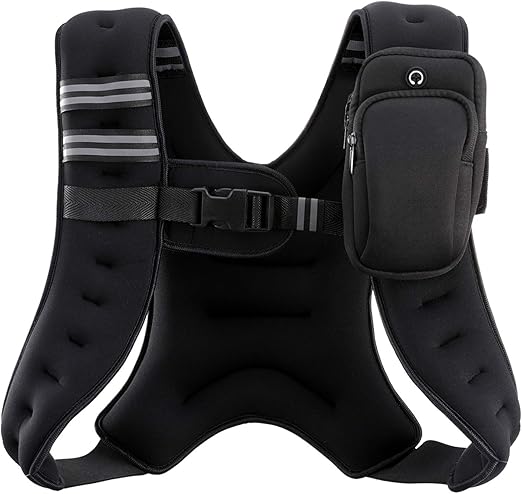
🏋️♂️ ZELUS Weighted Vest – Boost Your Workout Performance!
Available in 6lb to 30lb sizes with reflective stripes. Perfect for strength training, running, fitness, weightlifting, and weight loss.
💥 Get Yours Now for Under $32!
⚖️ Etekcity Digital Bathroom Scale – Precision You Can Trust!
Sleek design with a large blue backlit LCD, high-precision sensors, and durable 6mm tempered glass. Supports up to 400 lbs.
🔥 Shop Now for Under $149!What is the Link Between Sugar and Fatty Liver?
Are you aware that the foods you consume can significantly impact the health of your liver? One of the most overlooked culprits in today’s diet is sugar. In recent years, the rise of non-alcoholic fatty liver disease (NAFLD) has sparked an increasing interest in understanding the biochemical relationship between sugar consumption and liver health. In this article, we will delve deep into how excess sugar intake can lead to fatty liver, the underlying mechanisms of this process, and what changes you can implement in your daily diet to promote better liver health.
Understanding Non-Alcoholic Fatty Liver Disease (NAFLD)
Before examining the link between sugar and fatty liver, it’s essential to understand what NAFLD is. NAFLD is characterized by the accumulation of fat in liver cells in people who drink little to no alcohol. This condition can lead to serious liver damage and has become increasingly common in those with obesity, diabetes, and metabolic syndrome. The reality is that NAFLD can exist without any signs or symptoms, making regular check-ups crucial for early detection.
Types of Fatty Liver Disease
- Simple fatty liver (steatosis): This condition often carries no significant inflammation and usually does not result in serious complications.
- Non-alcoholic steatohepatitis (NASH): This is a more aggressive form where fat accumulation in the liver is accompanied by inflammation and damage.
- Cirrhosis: Advanced liver scarring resulting from persistent liver inflammation, which can lead to liver failure.
The Role of Sugar in the Development of Fatty Liver
So, how exactly does sugar play a role in the development of fatty liver? The primary form of sugar concerning liver health is fructose, which is found naturally in fruits but is also added to many processed foods as high-fructose corn syrup (HFCS).
Fructose Metabolism: A Path to Fatty Liver
The liver is the main organ responsible for metabolizing fructose. Here’s a simplified version of the process:
- When you consume fructose, it floods the liver and is swiftly converted into glucose, fat, and other metabolic byproducts.
- Unlike glucose, fructose does not stimulate insulin secretion, nor does it enhance the production of leptin, a hormone that helps regulate appetite.
- This lack of regulatory feedback mechanisms means that high fructose intake can easily lead to excess fat accumulation.
When the liver converts too much fructose into fat, some of that fat can accumulate and lead to liver inflammation and further complications, resulting in NAFLD.
Other Types of Sugar and Their Influence on Fatty Liver
Aside from fructose, other forms of sugar, particularly refined sugars and carbohydrates, can influence fatty liver development. Here are two key elements to consider:
Sucrose and Its Components
Sucrose, commonly known as table sugar, is a disaccharide composed of glucose and fructose. When ingested, it can result in the same metabolic response as fructose alone, leading to fat production and accumulation within the liver.
Refined Carbohydrates and Blood Sugar
Refined carbohydrates, such as white bread, pastries, and sugary drinks, can lead to a rapid spike in blood sugar levels. This spike causes the pancreas to release insulin to help lower blood sugar. However, constant high insulin levels can encourage fat storage, particularly in the liver.
The Effect of Processed Foods on Liver Health
The modern American diet is heavily laden with processed foods that are high in sugars, particularly fructose and sucrose. This dietary pattern is a significant factor in the rising rates of NAFLD in the United States.
- Processed foods often contain added sugars, which contribute to excessive calorie intake.
- These foods are typically low in essential nutrients, which can impact overall liver health and functionality.
- High sugar content is frequently paired with unhealthy fats, exacerbating the risk of fat accumulation in the liver.
Symptoms and Risk Factors of Fatty Liver
It’s crucial to be aware of the symptoms and risk factors of fatty liver to manage your health effectively.
Common Symptoms
- Fatigue
- Discomfort or pain in the upper right abdomen
- Weight loss or loss of appetite
- Enlargement of the liver
- Yellowing of the skin or eyes (jaundice)
Identifying Risk Factors
Several factors can increase the risk of developing fatty liver, including:
- Obesity: Excess body weight is a significant contributor to NAFLD.
- Type 2 diabetes: Insulin resistance is closely linked to fatty liver disease.
- High cholesterol or triglycerides: Elevated levels of fats in the blood can affect liver function.
- Sedentary lifestyle: Lack of physical activity can exacerbate the risk of developing NAFLD.
How to Reduce Sugar Intake for Better Liver Health
Reducing sugar intake is essential for promoting liver health and preventing NAFLD. Here are some effective strategies to cut down on sugar:
Evaluate Your Diet
Take a close look at your diet and identify foods that contain high levels of sugars. Here’s where to start:
- Read nutritional labels: Pay attention to added sugars in processed foods.
- Avoid sugary drinks: Soft drinks and fruit juices can be significant sources of sugar.
- Limit sweets and desserts: Cakes, cookies, and candies are often loaded with sugar.
Focus on Whole Foods
Opt for whole foods that are naturally low in sugar. Incorporate more:
- Vegetables: Leafy greens and cruciferous vegetables provide essential nutrients without added sugar.
- Fruits: While fruits contain natural sugars, they also provide fiber, vitamins, and minerals.
- Whole grains: Choose whole grains over refined grains to stabilize blood sugar levels.
Consider Natural Sweeteners
If you want to satisfy your sweet tooth, consider using natural sweeteners like:
- Stevia: A low-calorie natural sweetener derived from the leaves of the stevia plant.
- Erythritol: A sugar alcohol that has little to no calories and doesn’t affect blood sugar.
- Honey: While it is still sugar, honey can be a better option in moderation due to its additional nutrients.
Additional Lifestyle Changes for Liver Health
Aside from reducing sugar intake, several lifestyle changes can also support liver health:
Physical Activity
Regular exercise is crucial in managing body weight and improving liver function. Aim for at least 150 minutes of moderate-intensity exercise each week, focusing on:
- Aerobic exercises: Activities such as walking, cycling, and swimming can promote fat loss.
- Strength training: Building muscle can help improve metabolic health and reduce liver fat.
Stay Hydrated
Staying hydrated is fundamental for overall health. Drinking water can help your liver function efficiently:
- Adequate hydration supports digestion and nutrient absorption.
- Water helps your liver flush out toxins and metabolic byproducts.
Avoid Alcohol Consumption
While the focus here is primarily on sugar, it’s essential to recognize the harmful effects of alcohol on the liver. Limiting alcohol can significantly reduce the risk of liver disease.
Consulting Healthcare Professionals
If you suspect you may have fatty liver disease or are concerned about your sugar intake’s impact on your liver, consulting with healthcare professionals can provide guidance:
- Registered Dietitians can help you create a personalized nutrition plan.
- Your primary care provider can monitor your liver health through regular check-ups and blood tests.
- Participating in liver health screenings can enable early detection and intervention.
In Summary
The link between sugar and fatty liver is a complex but critical aspect of health that many people may overlook. By understanding how sugar, especially fructose, contributes to fatty liver development and implementing dietary and lifestyle changes, you can significantly impact your liver health. Staying informed and proactive about your sugar intake will pave the way for a healthier liver and overall well-being.


Related Articles
Our HOME in English: Common questions about the requirements and approval difficulty for getting a personal Tea Burn Weight Loss, especially regarding credit score – see more about Tea Burn Here

What is the Link Between Sugar and Fatty Liver?
Excessive sugar consumption is a major contributor to fatty liver disease, especially in the United States. Many people associate sugar solely with weight gain, but its effects on liver health are equally concerning. Sugar, particularly in the form of fructose found in processed foods and sugary drinks, can lead to fat accumulation in liver cells. This not only increases the risk of fatty liver disease but also hampers weight loss efforts. Cutting out sugar can significantly improve liver function, boost metabolism, and support overall health.
25 Questions and Answers about Sugar, Fatty Liver, and Weight Loss
1. How does sugar affect the liver?
Excess sugar, especially fructose, can convert to fat in the liver, leading to fatty liver disease.
2. What is fatty liver disease?
Fatty liver disease occurs when excess fat builds up in liver cells, potentially leading to inflammation and scarring.
3. Can cutting sugar help with fatty liver?
Yes, reducing sugar intake can decrease liver fat and improve liver health.
4. What types of sugar should I avoid?
Avoid refined sugars, high-fructose corn syrup, and sugary beverages.
5. How does sugar contribute to weight gain?
Excess sugar leads to increased insulin levels, which can promote fat storage.
6. Is all sugar bad for you?
Natural sugars from fruits are healthier, but excessive added sugars are harmful.
7. What are the symptoms of fatty liver?
Symptoms may include fatigue, abdominal discomfort, and jaundice in severe cases.
8. Can I reverse fatty liver by cutting out sugar?
Yes, lifestyle changes, including reducing sugar intake, can help reverse fatty liver.
9. What foods should I eat instead?
- Fruits and vegetables
- Whole grains
- Lean proteins
10. How long does it take to see results?
Results can vary, but many people see improvements in liver health within weeks of cutting sugar.
11. Can weight loss improve fatty liver?
Yes, losing weight can significantly reduce liver fat and improve health outcomes.
12. Should I avoid all carbs?
No, focus on complex carbohydrates while avoiding sugars and refined grains.
13. How does sugar impact insulin levels?
Excess sugar leads to higher insulin levels, which can promote fat accumulation.
14. What drinks should I avoid?
- Sugary sodas
- Fruit juices with added sugar
- Energy drinks
15. Can exercise help with fatty liver?
Yes, regular exercise supports weight loss and improves liver health.
16. Is fatty liver disease hereditary?
Genetics can play a role, but lifestyle factors are more impactful.
17. Can supplements help fatty liver?
Some supplements, like omega-3 fatty acids, may support liver health but consult a doctor first.
18. Are there any medications for fatty liver?
No specific medications exist, but doctors may recommend treatments for underlying conditions.
19. How much sugar is too much?
The American Heart Association recommends no more than 6 teaspoons for women and 9 for men daily.
20. Will I feel different after cutting sugar?
Many people report increased energy and reduced cravings after eliminating sugar.
21. Can I still eat fruit?
Yes, whole fruits provide essential nutrients and fiber, though moderation is key.
22. Does alcohol affect fatty liver?
Yes, alcohol can exacerbate fatty liver and should be limited or avoided.
23. Is fatty liver reversible?
In many cases, fatty liver is reversible through diet and lifestyle changes.
24. Should I consult a doctor?
Yes, always consult a healthcare professional before making significant dietary changes.
25. How can I start reducing my sugar intake?
Begin by reading labels, choosing whole foods, and gradually cutting back on sugary snacks and drinks.
Conclusion
Understanding the significant link between sugar consumption and fatty liver is essential for those aiming for effective weight loss and better health. By cutting out sugar, you not only reduce liver fat but also improve your body’s overall metabolism and well-being. Making smarter dietary choices can lead to a healthier liver, enabling your body to function optimally. Transitioning to a low-sugar lifestyle helps in curbing cravings, promoting effective weight loss, and enhancing energy levels. By prioritizing whole foods and reducing added sugars, you pave the way for lasting health benefits and sustainable weight loss. Invest in your health today by embracing these changes; your liver and waistline will thank you!


