
What is an apron belly?
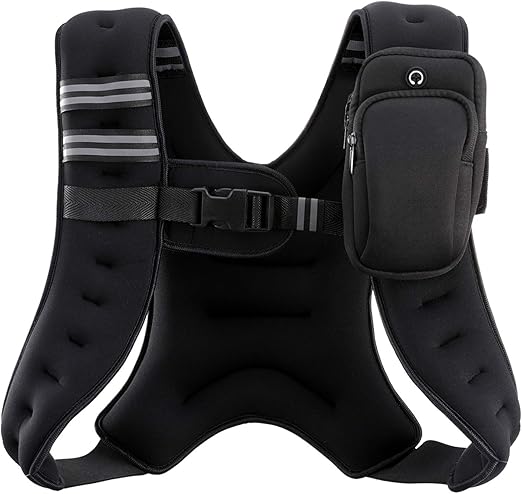
🏋️♂️ ZELUS Weighted Vest – Boost Your Workout Performance!
Available in 6lb to 30lb sizes with reflective stripes. Perfect for strength training, running, fitness, weightlifting, and weight loss.
💥 Get Yours Now for Under $32!
⚖️ Etekcity Digital Bathroom Scale – Precision You Can Trust!
Sleek design with a large blue backlit LCD, high-precision sensors, and durable 6mm tempered glass. Supports up to 400 lbs.
🔥 Shop Now for Under $149!What is an Apron Belly?
If you’ve ever looked in the mirror and noticed excess skin or fat hanging down over your waistline, you may be familiar with the term “apron belly.” This condition can affect individuals of any body type, but it’s particularly common in those who have experienced significant weight loss or who have given birth. In this article, we’ll explore what an apron belly is, the causes behind it, its health implications, and effective strategies for managing and reducing it.
Understanding Apron Belly
An apron belly, or “panniculus,” is characterized by an excess of skin and fat that hangs down over the abdomen, often resembling an apron. This condition can vary in severity and appearance, leading some people to feel self-conscious or uncomfortable. Regardless of its visibility, understanding what contributes to this condition can empower you to take control of your body and health.
The Anatomy of an Apron Belly
The apron belly comprises layers of skin and fat. It is often composed of:
- Subcutaneous Fat: This is the fat that lies directly beneath the skin’s surface. It can accumulate around the abdomen due to various factors such as genetics, hormonal changes, and lifestyle choices.
- Excess Skin: Weight loss, particularly after significant amounts, can leave behind excess skin, which contributes to the appearance of an apron belly.
- Muscle Weakness: The underlying abdominal muscles may weaken due to lack of exercise or after childbirth, allowing for a bulging effect.
Causes of Apron Belly
Several factors can lead to the development of an apron belly. Understanding these causes can help you identify your own risk factors and take appropriate action.
1. Weight Gain and Obesity
Being overweight is one of the primary causes of an apron belly. Extra body fat often accumulates in the abdomen, leading to a protruding belly. Factors that contribute to weight gain include:
- Poor Diet: Diets high in sugars and unhealthy fats can promote weight gain.
- Lack of Physical Activity: Sedentary lifestyles contribute to weight accumulation.
- Genetics: Family history can affect where fat is stored in the body.
2. Pregnancy and Childbirth
Women often develop an apron belly due to physiological changes during pregnancy. The abdominal muscles stretch and can sometimes become weaker, leading to a sagging appearance post-pregnancy. Additionally, the rapid weight changes experienced during pregnancy can cause the skin to lose elasticity.
3. Aging
As we age, skin elasticity decreases, leading to sagging in various areas, including the abdomen. Hormonal changes, particularly during menopause, can also lead to weight redistribution and accumulation of fat in the abdominal area.
4. Rapid Weight Loss
While many see weight loss as a goal, losing a significant amount of weight quickly can leave excess skin that doesn’t retract. The body may need time to adjust, but in some cases, the skin may not bounce back, leading to an apron belly.
Health Implications of an Apron Belly
An apron belly isn’t just a cosmetic concern; it can also pose various health risks. It is crucial to understand these implications to motivate necessary lifestyle changes.
1. Increased Risk of Chronic Conditions
Research has shown that an apron belly can be associated with an increased risk of several health conditions:
- Heart Disease: Visceral fat, which often contributes to apron belly, can lead to heart disease as it affects cholesterol levels and blood pressure.
- Type 2 Diabetes: Excess abdominal fat is linked to insulin resistance, increasing the risk of developing type 2 diabetes.
- Joint Problems: The additional weight can put a strain on joints, leading to pain and mobility issues.
2. Mental Health Effects
The presence of an apron belly can lead to feelings of self-consciousness and dissatisfaction with one’s body image. This can, in turn, lead to mental health issues such as:
- Depression: Individuals may feel depressed due to negative body image and societal pressures.
- Anxiety: Many may experience anxiety over their appearance, leading to social withdrawal.
Effective Management Strategies
While an apron belly can be challenging, there are numerous strategies available to manage and reduce its appearance. These approaches encompass lifestyle changes, medical interventions, and practical tips.
1. Diet Modifications
The cornerstone of weight management often begins with dietary changes. Consider these tips for a healthier diet:
- Reduce Caloric Intake: To lose weight, creating a caloric deficit is essential. Aim to consume fewer calories than you burn.
- Increase Protein: A diet high in protein can promote a feeling of fullness, which can help with weight loss.
- Eat More Fiber: Incorporating fruits, vegetables, and whole grains can improve digestion and overall health.
- Limit Sugars and Processed Foods: Reducing added sugars and processed foods can help manage weight and improve health.
2. Regular Physical Activity
Exercise is a critical aspect of any weight-loss effort. Focus on:
- Cardiovascular Exercise: Activities such as walking, running, cycling, or swimming can help burn calories.
- Strength Training: Building muscle can increase your resting metabolic rate, helping you burn more calories even at rest.
- Core Exercises: Strengthening your abdominal muscles can improve core stability, reduce sagging, and help with posture.
3. Skin Care and Aesthetics
While diet and exercise are crucial, skin care can play a role in how your belly appears:
- Moisturize: Regularly moisturizing your skin can improve elasticity, which may help your skin appear firmer.
- Consider Professional Treatments: Many aesthetic procedures, such as laser therapy or tummy tucks, can reduce excess skin.
4. Psychological Support
Don’t underestimate the importance of mental health in your weight loss journey. Consider:
- Therapy: Speaking to a mental health professional can help you deal with body image issues.
- Support Groups: Joining a weight loss or body positivity group can offer community support and encouragement.
5. Consult a Healthcare Provider
If you’re concerned about your apron belly or looking for guidance on weight loss strategies, consulting a healthcare provider can provide a tailored approach. They can offer insights into:
- Nutritional Counseling: A registered dietitian can help design a meal plan that suits your lifestyle.
- Fitness Plans: Personal trainers can create a functional workout plan based on your personal goals.
- Medical Assessments: Your provider can evaluate your overall health, checking for any underlying conditions that may be affecting your weight.
Personal Empowerment in Managing Apron Belly
Managing an apron belly is not only about physical health but also about personal empowerment. Remember, the journey takes time, and there are many paths to take. Celebrate small victories and focus on progress rather than perfection.
For anyone dealing with this condition, it’s essential to recognize that you are not alone, and support is available. By making informed decisions about diet, exercise, and self-care, you can work towards a healthier, happier version of yourself.
Understanding the combination of factors that contribute to an apron belly can help you navigate your journey with resilience and determination. Embrace the process, seek out support, and remember that every effort you make is a step towards better health.


Related Articles
Our HOME in English: Common questions about the requirements and approval difficulty for getting a personal Tea Weight Loss, especially regarding credit score

If you’ve noticed a fold of fat hanging over your waistband, you might be experiencing what is commonly known as an apron belly. This condition can result from weight gain, pregnancy, or aging, and it can be frustrating for those looking to achieve a trim figure. Understanding what an apron belly is and how to address it is crucial for anyone focused on weight loss. Not only does it impact your appearance, but it may also signal underlying health issues. Fortunately, there are effective strategies and products available to help you manage and reduce it.
Understanding Apron Belly
An apron belly is characterized by excess abdominal fat that hangs down, creating a distinct “apron” appearance. This excess weight can be caused by several factors, including:
- Genetics
- Hormonal changes
- Poor diet
- Lack of physical activity
Benefits of Addressing Apron Belly
Reducing an apron belly can enhance both physical appearance and overall health. Benefits include:
- Improved posture
- Increased mobility
- Boosted confidence
- Decreased risk of obesity-related diseases
Best Practices for Weight Loss
Effective strategies for tackling apron belly include:
- Regular exercise, focusing on cardio and strength training
- Balanced nutrition with a focus on whole foods
- Staying hydrated
FAQs about Apron Belly
1. What causes an apron belly?
An apron belly can be caused by factors such as weight gain, hormonal changes, genetics, or pregnancy. These factors contribute to the accumulation of fat and skin over the abdomen.
2. How can I reduce my apron belly?
Focus on a balanced diet, regular exercise, and maintaining a caloric deficit. Incorporating strength training and cardio can help you lose weight and tone your abdominal muscles.
3. Are there specific exercises for apron belly?
Exercises like planks, squats, and high-intensity interval training (HIIT) can be beneficial. Targeting the core with crunches and leg raises can also help tone this area.
4. Can diet alone help reduce apron belly?
While diet is crucial, combining it with exercise is the most effective way to reduce an apron belly. Eating nutrient-dense foods and avoiding processed sugars can accelerate your results.
5. What foods should I avoid?
Avoiding sugary drinks, processed snacks, and high-fat fast foods can help reduce belly fat. Focus on whole grains, lean proteins, fruits, and vegetables instead.
6. Is an apron belly a health risk?
Yes, an apron belly can increase the risk of health issues like diabetes, heart disease, and high blood pressure. Reducing it can positively impact your health.
7. Does age affect apron belly?
Yes, age can affect fat distribution and skin elasticity, making it more likely for belly fat to form as the body’s metabolism slows down.
8. Can stress contribute to apron belly?
Yes, stress can lead to weight gain, particularly in the abdominal area, due to hormonal imbalances and emotional eating.
9. Are there products to help with apron belly?
Yes! Waist trainers and shapewear can temporarily enhance your appearance. Additionally, fat-burning supplements can support your weight loss journey.
10. How long does it take to see results?
Results can vary based on your starting point and commitment. With a consistent diet and exercise plan, you may start seeing changes in a few weeks.
11. Should I consult a doctor?
If you’re significantly overweight or have underlying health concerns, it’s a good idea to consult a healthcare provider before beginning any weight loss program.
12. What role does hydration play in weight loss?
Staying hydrated can help control hunger, improve metabolic function, and enhance exercise performance, aiding in weight loss efforts.
13. Are there any medical treatments for apron belly?
For significant amounts of excess skin or fat, surgical options like a tummy tuck may be available. However, these should only be considered after significant weight loss.
14. Can intermittent fasting help?
Intermittent fasting can be effective for some people, as it may help regulate eating patterns and promote fat loss when combined with a healthy diet.
15. How does sleep affect apron belly?
Poor sleep can lead to weight gain and increased appetite, particularly for high-calorie foods. Prioritizing quality sleep is essential for effective weight management.
Conclusion
In summary, an apron belly isn’t just a cosmetic concern; it can have significant implications for your health and well-being. It’s essential to understand the causes and take actionable steps towards reducing it through a balanced diet and regular exercise. By addressing this common issue, you can improve your posture, boost your confidence, and reduce health risks. If you’re looking for effective solutions, there are various products aimed at supporting your weight loss journey. Embrace the path to a healthier you today!


