
What foods should I completely avoid to stop gaining weight?
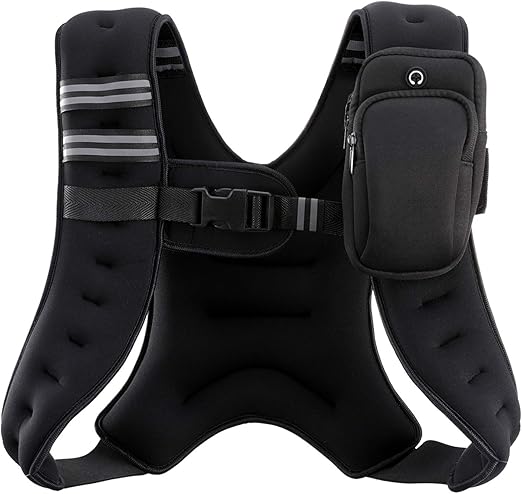
🏋️♂️ ZELUS Weighted Vest – Boost Your Workout Performance!
Available in 6lb to 30lb sizes with reflective stripes. Perfect for strength training, running, fitness, weightlifting, and weight loss.
💥 Get Yours Now for Under $32!
⚖️ Etekcity Digital Bathroom Scale – Precision You Can Trust!
Sleek design with a large blue backlit LCD, high-precision sensors, and durable 6mm tempered glass. Supports up to 400 lbs.
🔥 Shop Now for Under $149!What Foods Should I Completely Avoid to Stop Gaining Weight?
In today’s fast-paced world, it’s easy to accumulate weight without even realizing it. One significant factor contributing to weight gain is diet. When you want to manage your weight, understanding what foods to avoid can be a game changer. This article addresses the foods you should steer clear of, providing insights into how they affect your body, contribute to weight gain, and strategies for healthier choices. You’re not alone in this journey—many individuals are curious about where to begin, and we’re here to guide you through essential dietary adjustments.
Understanding Weight Gain
Before diving into specific foods, it’s crucial to grasp how weight gain occurs. Weight gain happens when you consume more calories than your body burns. This imbalance leads to excess energy being stored as fat. While all foods contribute to your overall calorie intake, certain ones are far more likely to encourage weight gain due to their nutritional content and how they affect your hunger and metabolism.
The Role of Sugary Foods
One of the most significant contributors to weight gain is added sugars. High sugar consumption can lead to several issues:
- Increased Caloric Intake: Sugary foods offer little to no nutritional value while being calorie-dense.
- Weight Fluctuations: Foods high in sugar can lead to rapid spikes and crashes in blood sugar levels, increasing hunger shortly after consumption.
- Increased Fat Storage: Excess sugar, particularly fructose, has been linked to increased fat accumulation around the abdomen.
Foods to Avoid
To help eliminate excess sugar from your diet, consider avoiding the following:
- Soft Drinks: These sugary beverages are loaded with empty calories. A single can can contain more than 150 calories and 39 grams of sugar.
- Candy and Sweets: Items like gummy bears, chocolates, and other candies are high in sugar and often provide little nutritional benefit.
- Baked Goods: Cakes, cookies, muffins, and pastries are typically high in sugar and refined flour, leading to rapid weight gain.
- Ice Cream: While delicious, most commercial ice creams are loaded with sugar and high in calories.
Refined Carbohydrates: A Hidden Danger
Refined carbohydrates often have similar effects as sugars. Foods made from white flour, such as bread, pasta, and pastries, can spike your blood sugar levels. Key issues with refined carbs include:
- Low Nutritional Value: Refined carbs are stripped of fiber and nutrients, leading to a lack of satiety.
- Cravings: They can lead to increased cravings and overeating as they do not keep you feeling full for long.
- Insulin Resistance: Over time, a diet high in refined carbs can lead to insulin resistance, making it harder to lose weight.
Foods to Cut Out
If you’re looking to reduce refined carbohydrates, avoid these items:
- White Bread: Opt for whole grain or sprouted options instead.
- Regular Pasta: Choose whole grain or legume-based pasta alternatives.
- Pastries and Donuts: These are often made with white flour and sugar, creating a caloric trap.
- Certain Snack Foods: Many chips and snack crackers are made from refined carbs and often contain added sugars.
The Dangers of Processed Foods
Processed foods are another category to be wary of. They often contain unhealthy fats, sugars, and preservatives that can adversely affect your health. Common characteristics of processed foods include:
- High Sodium Content: Processed foods are often loaded with sodium, leading to water retention and bloating.
- Trans Fats: This type of fat is linked to increased belly fat and overall weight gain.
- Artificial Ingredients: Many processed foods contain chemicals that can disrupt hormone regulation and metabolism.
Avoid These Processed Foods
To reduce processed foods in your diet, steer clear of the following:
- Frozen Meals: Often packed with sodium and unhealthy fats.
- Processed Meats: Items like sausages, hot dogs, and deli meats are often full of preservatives and unhealthy fats.
- Canned Foods: Check labels for added sugars and sodium content; many contain preservatives and unhealthy additives.
- Packaged Snacks: Chips, cookies, and sugary granola bars often contain excess sugars and unhealthy fats.
Alcohol: The Hidden Calorie Culprit
Alcohol can sneak up on your caloric intake. While a glass of wine or a cocktail may seem harmless, they can contribute significantly to weight gain:
- High in Calories: Many alcoholic beverages can be high in sugar and calories. For example, a standard margarita can contain as much as 500 calories.
- Increased Appetites: Alcohol may lower inhibitions, leading to unhealthier food choices later.
- Decreased Metabolism: Consuming alcohol can slow down your metabolism, making it harder to burn off calories.
Alcoholic Drinks to Avoid
Be mindful of these drinks if you’re trying to avoid weight gain:
- Cocktails with Added Sugar: Margaritas, daiquiris, or sweetened mixers.
- Beer: Many beers can be calorie-dense.
- Sweet Wines: Dessert wines and certain sweet red or white wines can be high in sugars.
High-Calorie Condiments and Sauces
Condiments can be deceptively high in calories and sugars. While they may add flavor to your meals, they can also contribute to weight gain:
- Packaged Salad Dressings: Many store-bought dressings are laden with sugars, unhealthy fats, and preservatives.
- Barbecue Sauces: These sauces are often high in sugar and can turn a healthy meal into a calorie bomb.
- Ketchup: While it may seem harmless, ketchup can have a significant sugar content.
Condiments to Eliminate
To slim down your meals, consider avoiding:
- Creamy Dressings: Ranch, blue cheese, and creamy Caesar varieties.
- High-Sugar Sauces: Sweet and sour sauce or teriyaki sauce.
- Packaged Marinades: Many contain hidden sugars and unhealthy fats.
High-Calorie Snacks and Treats
Snacking can be a significant source of excess calories, especially when choosing processed or high-calorie options. The temptation to snack can lead to mindless eating and weight gain:
- Chips and Snack Foods: These provide little nutrition while being high in calories and unhealthy fats.
- Granola Bars: Many contain added sugars that can contribute meaningfully to daily caloric intake.
- Popcorn with Added Butter: While air-popped popcorn is a healthy snack, buttery varieties can be extremely high in calories.
Snacks to Avoid
Minimizing your intake of the following snacks can help control weight:
- Potato Chips: Shift to air-popped popcorn or cut vegetables.
- Candy Bars: Choose dark chocolate with high cocoa content, or fresh fruits instead.
- Cookie Dough or Ice Cream: Opt for healthier, homemade alternatives made with natural sweeteners.
Making Better Choices
Knowing which foods to avoid is essential, but it’s equally important to understand what foods can support your weight loss journey. Simple substitutions can make a big difference:
- Choose Whole Foods: Whole grains, fresh fruits, vegetables, lean proteins, and healthy fats should compose the bulk of your diet.
- Stay Hydrated: Water can help control hunger, and substituting sugary drinks with water can reduce calorie intake significantly.
- Plan Your Meals: Preparing meals in advance and being mindful of portion sizes can help avoid impulsive eating decisions.
Conclusion
Cutting out certain high-calorie foods can be vital in your weight loss journey. Educating yourself about what to avoid and replacing them with healthier options is a powerful strategy toward achieving your weight goals. By taking proactive steps today, you can pave the way for a healthier, happier tomorrow.


Related Articles
Our HOME in English: Common questions about the requirements and approval difficulty for getting a personal Tea Burn Weight Loss, especially regarding credit score – see more about Tea Burn Here

If you’re struggling with weight gain and looking for effective strategies to shed those extra pounds, understanding which foods to avoid is crucial. Making conscious choices can significantly contribute to your overall weight loss journey. Particularly, by cutting out sugar and processed foods, you can streamline your diet for better results. This guide will help you identify foods that hinder your weight-loss efforts while providing valuable insights on how cutting out sugar can facilitate weight loss.
Foods to Avoid for Effective Weight Loss
To maximize your weight loss potential, steer clear of the following:
- Added Sugars: Found in sodas, candies, and desserts.
- White Bread: High in refined carbs and calories.
- Fried Foods: Packed with unhealthy fats and empty calories.
- Processed Snacks: Often high in sugar and low in nutrients.
- Alcohol: Caloric and can lower inhibitions regarding food choices.
- High-Calorie Coffee Drinks: Loaded with sugar and cream.
- Full-Fat Dairy: Can be high in calories and fats.
How Does Cutting Out Sugar Help with Weight Loss?
Cutting out sugar can lead to weight loss by:
- Reducing Caloric Intake: Less sugar means fewer empty calories.
- Stabilizing Blood Sugar Levels: Helps with controlling cravings.
- Lowering Insulin Levels: Promotes fat burning instead of storing fat.
- Decreasing Appetite: Leads to fewer overall calories consumed.
Conclusion
In conclusion, avoiding certain foods like added sugars, processed snacks, and fried items can significantly contribute to weight loss. By making conscious dietary choices and focusing on cutting out sugar, you can better control cravings, stabilize your energy levels, and ultimately create a caloric deficit needed for weight loss. Embrace these changes for a healthier, more fulfilling weight loss journey!
FAQs
What are the worst foods for gaining weight?
Foods high in sugar, refined carbs, unhealthy fats, and processed snacks are the worst. Examples include soda, candy, fried foods, and baked goods.
Can I still eat fruit if I’m avoiding sugar?
Yes, whole fruits are healthy and packed with nutrients. Just be mindful of portion sizes as they contain natural sugars.
Is it better to avoid carbs entirely?
No, not all carbs are bad. Focus on avoiding refined carbs and instead choose whole grains for better nutrition.
How does sugar affect appetite?
Consuming sugar can lead to spikes and crashes in blood glucose, causing increased hunger and cravings shortly after consumption.
Can I eat dairy while trying to lose weight?
Yes, but opt for low-fat or non-fat options to reduce calorie intake and saturated fat.
Are all snacks bad during weight loss?
No, healthy snacks like nuts and fruits can be beneficial and help control hunger between meals.
How does portion control help with weight loss?
Portion control helps reduce overall caloric intake, making it easier to achieve a caloric deficit necessary for weight loss.
What role does exercise play in weight loss?
Exercise helps burn calories, builds lean muscle, and can boost metabolism, all of which contribute to weight loss.
Should I read nutrition labels?
Yes, reading nutrition labels helps you identify hidden sugars and unhealthy ingredients, aiding better food choices.
What is a healthy way to satisfy a sweet craving?
Opt for healthier alternatives like fruit or dark chocolate in moderation to satisfy sweet cravings without excess sugar.
Is it okay to have cheat meals?
Occasional cheat meals can be okay within a balanced diet, as long as they fit into your overall caloric goals.
How can I reduce sugar in my diet?
Start by eliminating sugary beverages, checking labels, and opting for natural sweeteners in moderation.
Can I eat bread while losing weight?
Yes, but choose whole grain or sprouted bread options over white bread for better health benefits.
What should I drink for weight loss?
Water, herbal teas, and sparkling water are excellent choices. Avoid sugary drinks and choose low-calorie beverages.
Is intermittent fasting effective for weight loss?
Many people find intermittent fasting effective as it helps reduce overall caloric intake, but it may not work for everyone.
How does sleep affect weight loss?
Lack of sleep can disrupt hormones that regulate appetite, leading to increased hunger and potential weight gain.
What is a calorie deficit?
A calorie deficit occurs when you consume fewer calories than your body burns, leading to weight loss over time.
What foods should I keep in my kitchen?
Stock healthy options like whole grains, vegetables, lean proteins, and healthy fats to support your weight loss goals.
How long does it take to lose weight?
Weight loss varies by individual, but a safe and sustainable rate is 1-2 pounds per week through diet and exercise.
What snacks can I have on a diet?
Healthy snacks include nuts, yogurt, fresh fruit, and vegetable sticks with hummus, which are nutritious and filling.
Are low-fat products good for weight loss?
Not always; low-fat items can be misleading and often contain added sugars. Always read the labels.
Can I have dessert while losing weight?
Yes, but choose smaller portions of healthier desserts or fruit-based options to satisfy your sweet tooth.
How can I avoid emotional eating?
Practice mindful eating, identify triggers, and find alternative coping tools like exercise, journaling, or talking to someone.
What’s the best way to track food intake?
Use mobile apps or a food journal to monitor your meals and keep track of your caloric intake effectively.


