
What burns more fat, running or walking?
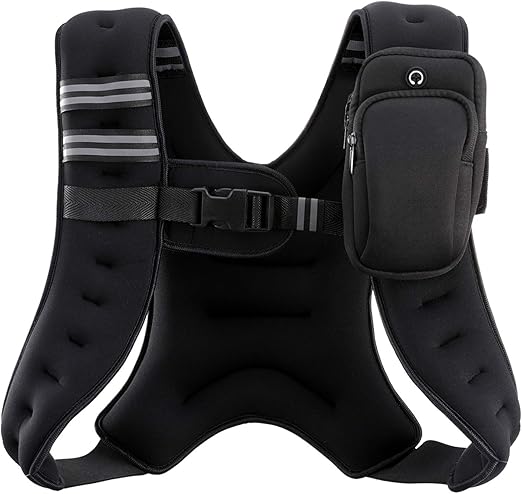
🏋️♂️ ZELUS Weighted Vest – Boost Your Workout Performance!
Available in 6lb to 30lb sizes with reflective stripes. Perfect for strength training, running, fitness, weightlifting, and weight loss.
💥 Get Yours Now for Under $32!
⚖️ Etekcity Digital Bathroom Scale – Precision You Can Trust!
Sleek design with a large blue backlit LCD, high-precision sensors, and durable 6mm tempered glass. Supports up to 400 lbs.
🔥 Shop Now for Under $149!What Burns More Fat, Running or Walking?
If you’re looking to shed some pounds or just want to improve your overall fitness, you might be wondering which activity burns more fat: running or walking? It’s a question many fitness enthusiasts contemplate while trying to optimize their workouts. Running and walking both offer benefits for weight loss and cardiovascular health, but they differ significantly in terms of intensity, calorie expenditure, and fat burning potential. This article will dive deep into both activities, helping you understand their respective advantages, making it easier for you to decide which one is best suited for your goals.
The Basics of Fat Burning
Before we compare running and walking, it’s crucial to grasp the fundamental concept of fat burning. When you exercise, your body uses various energy systems to provide the energy needed for movement. These systems rely on different fuels, primarily fats and carbohydrates. Factors like exercise intensity, duration, and individual fitness levels all influence which energy source your body taps into.
How Your Body Burns Fat
During low to moderate-intensity activities, your body primarily utilizes fat as a fuel source. At higher intensities, carbohydrates become the predominant fuel. Here’s a simplified breakdown:
- Low-intensity exercise: Fat is the primary fuel source.
- Moderate-intensity exercise: A combination of fat and carbohydrates is used.
- High-intensity exercise: Primarily carbohydrates are used.
This understanding is pivotal as it sets the stage for our comparison between walking and running.
Calories Burned: Walking vs. Running
One of the most significant differentiators between running and walking is the number of calories burned. While both activities are effective for burning calories, running generally burns more calories over a shorter period due to its increased intensity.
Caloric Expenditure
On average:
- A 155-pound person burns about 140 calories during a 30-minute brisk walk (4 mph).
- A 155-pound person burns around 300 calories when running at a pace of 6 mph for the same duration.
As you can see, running can nearly double the calorie burn compared to walking. If fat loss is your primary goal, incorporating running into your routine can be beneficial.
Factors that Influence Caloric Burn
While the basic calorie counts provide a useful benchmark, several factors can influence how many calories you actually burn during either activity:
- Bodyweight: Heavier individuals burn more calories than lighter individuals during the same exercise due to the increased energy required.
- Intensity: Running at a faster pace or walking at an incline significantly boosts calorie expenditure.
- Duration: The longer you engage in either activity, the more calories you will burn overall.
- Fitness level: More experienced runners may burn fewer calories because their bodies are more efficient.
Fat Oxidation Rates
In understanding fat loss, it’s not solely about the number of calories burned but also how efficiently your body uses fat as fuel during exercise. This is known as fat oxidation.
Running and Fat Oxidation
Research indicates that running can promote higher rates of fat oxidation compared to walking, especially at moderate to high intensities. When running, your body requires more energy, thus it often relies on fat stores more substantially when ramping up the intensity of a workout.
Walking and Fat Oxidation
Walking, on the other hand, particularly brisk walking, can also lead to effective fat burning—albeit at a slower rate. The “fat burning zone” typically occurs at a lower intensity, where walking fits well, making it accessible for most individuals. This can be advantageous for those just starting their fitness journey or those with joint issues.
Impact on Muscle Development
Another consideration when evaluating running versus walking is their impact on muscle development, which plays a critical role in metabolism and overall body composition.
Running and Muscle Engagement
Running typically engages more muscle groups than walking, particularly in your lower body. This increased muscular engagement can lead to enhanced muscle tone and overall body composition:
- Improved muscle endurance
- Greater cardiovascular fitness
- Enhanced metabolism due to increased lean muscle mass
Walking and Muscle Maintenance
Walking is less impactful on muscle growth but can still help maintain muscle mass, especially in conjunction with a balanced diet and strength training:
- Low impact, preventing injury
- Accessible for most fitness levels
- Promotes overall well-being and mental health
Long-Term Sustainability and Enjoyment
When considering a workout routine, sustainability and enjoyment are crucial factors for long-term success. The best activity is the one you can stick with and enjoy doing.
Running: Pros and Cons
Pros:
- Time-efficient way to burn calories.
- Can be social and encouraging with running groups.
- Improves cardiovascular endurance quickly.
Cons:
- Higher risk of injury, especially without proper form or gear.
- Can be strenuous or overwhelming for beginners.
- Requires longer recovery times after high-intensity sessions.
Walking: Pros and Cons
Pros:
- Low impact, making it accessible for all fitness levels.
- Can be done almost anywhere, requiring no special equipment.
- Highly sustainable and can easily be included in daily routines.
Cons:
- Slower calorie burn compared to running.
- Requires longer sessions for significant results.
- Less intensity can lead to less noticeable changes for some individuals.
Combining Running and Walking for Optimal Results
For many, the best approach may be a combination of running and walking. This combination can help maximize fat burning while minimizing the risk of injury and burnout. Here’s how you can structure your workouts:
Interval Training
Incorporating intervals of running into your walking routine can significantly enhance caloric burn and improve cardiovascular fitness:
- Start with 5-10 minutes of brisk walking to warm up.
- Alternate between 1 minute of running and 2-3 minutes of walking.
- Cool down with 5-10 minutes of walking post-workout.
Mixing Activities Throughout The Week
Consider alternating between walking and running on different days:
- Monday: 30 minutes of brisk walking
- Wednesday: 20 minutes of interval running and walking
- Friday: 30-45 minutes of steady running
- Saturday or Sunday: Enjoy a leisurely walk or a family outing outdoors
The Bottom Line: Choose What Fits You Best
Both running and walking are excellent activities for burning fat and enhancing fitness, but their effectiveness can vary based on different factors. If you’re short on time and able to handle the intensity, running may offer a higher caloric burn. However, if you prefer a low-impact, sustainable approach, walking can be just as effective with consistency and time.
Ultimately, the best exercise for fat loss is the one that fits seamlessly into your lifestyle and feels enjoyable. Thus, whether you lace up your sneakers for a run or step out for a walk, remember that every bit of movement helps on your journey toward better health and fitness.


Related Articles
Our HOME in English: Common questions about the requirements and approval difficulty for getting a personal Tea Weight Loss, especially regarding credit score

What Burns More Fat, Running or Walking?
When it comes to weight loss, understanding the balance between exercise intensity and duration is crucial. Many people wonder whether running or walking is more effective for burning fat. Both activities offer significant benefits, but choosing the right one for your weight loss journey can be challenging. In this article, we’ll explore the differences, advantages, and considerations of running and walking so you can determine which exercise best suits your weight loss goals.
Running vs. Walking: Key Differences
Both running and walking can help you burn fat, but they do so in different ways:
- Intensity: Running typically burns more calories due to its higher intensity.
- Duration: Walking can be easier to sustain over longer periods.
- Impact: Running is higher impact, which can lead to injuries without proper precautions.
Benefits of Running
Running offers several fat-burning advantages:
- Higher Caloric Burn: In a shorter time, running can burn more calories compared to walking.
- Afterburn Effect: It elevates your heart rate and can lead to increased calorie burn post-exercise.
- Improved Cardiovascular Health: Running strengthens your heart and lungs, promoting overall fitness.
Benefits of Walking
Walking also has notable benefits for weight loss:
- Accessibility: Walking is easier on the joints and can be done by almost anyone.
- Less Risk of Injury: It has a lower chance of causing injuries compared to running.
- Sustainability: Many find they can walk longer, keeping fat-burning efforts going.
Conclusion
In summary, both running and walking are effective for burning fat and losing weight. If you seek a quick, intense workout, running may be the way to go. However, if you prefer a more gentle approach that can be sustained over longer periods, walking is a great option. It ultimately depends on your preferences, fitness level, and personal goals. The key is finding an activity that you enjoy, ensuring consistency in your routine, and pairing it with a healthy diet for optimal results.
Frequently Asked Questions
1. Which burns more calories: running or walking?
Running generally burns more calories in less time compared to walking. A 160-pound person can burn around 3.5 times more calories running for the same duration.
2. How long should I walk to lose weight?
Aiming for at least 150 minutes of moderate-intensity walking per week can help with weight loss. Short walks throughout the day can also be effective.
3. Is running better for fat loss than walking?
Running can be better for quicker fat loss, but it’s vital to choose an activity that you can maintain consistently to see long-term results.
4. Can I walk everyday to lose weight?
Yes, walking everyday can contribute significantly to weight loss, especially when combined with a balanced diet.
5. Do I need to run to lose weight effectively?
No, you don’t need to run to lose weight. Walking, cycling, or other forms of exercise can be just as effective if done consistently.
6. How can I increase fat burning while walking?
To increase fat burning while walking, consider walking at a brisk pace, adding intervals, or incorporating hills into your route.
7. Is brisk walking as effective as running?
Brisk walking can be effective, especially for those who find running too intense or have joint issues. It’s all about finding your optimal intensity.
8. What are the risks of running for weight loss?
Common risks include injuries such as strains, sprains, and stress fractures. Proper footwear and techniques can help mitigate these risks.
9. Can I mix walking and running?
Yes! Mixing both can provide a balanced routine that maximizes fat burning while reducing injury risk.
10. How does age affect fat burning during these activities?
As you age, metabolism tends to slow down, but both walking and running remain effective. Adjust intensity and duration according to fitness levels.
11. Is it better to walk or run in the morning?
Both morning walking and running are beneficial! Choose based on personal preference and what fits your schedule best.
12. How should I start if I’m new to exercise?
Begin with walking, then gradually incorporate running intervals. This approach reduces injury risk and builds endurance effectively.
13. Are there diet considerations for running or walking?
Yes! A balanced diet with appropriate carbohydrates, proteins, and healthy fats can enhance performance and aid fat loss.
14. What should I wear for walking or running?
Wear comfortable, moisture-wicking clothing and ensure proper footwear to support your activity and reduce injury risk.
15. How do I stay motivated to stick with my routine?
Set realistic goals, track your progress, join a community, or buddy up with someone to stay motivated and accountable.


