
What are the 3 C’s of weight loss?
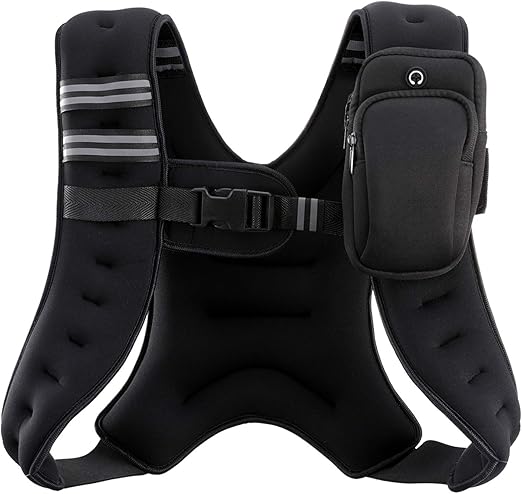
🏋️♂️ ZELUS Weighted Vest – Boost Your Workout Performance!
Available in 6lb to 30lb sizes with reflective stripes. Perfect for strength training, running, fitness, weightlifting, and weight loss.
💥 Get Yours Now for Under $32!
⚖️ Etekcity Digital Bathroom Scale – Precision You Can Trust!
Sleek design with a large blue backlit LCD, high-precision sensors, and durable 6mm tempered glass. Supports up to 400 lbs.
🔥 Shop Now for Under $149!What are the 3 C’s of Weight Loss?
When it comes to embarking on a weight loss journey, there’s often an abundance of information available, making it difficult to know where to start. One effective model that can simplify your approach is the concept of the “3 C’s of weight loss.” This approach centers on three essential components: Caloric deficit, Consistency, and Commitment. These elements work together to create a solid foundation for successful and sustainable weight loss. In this article, we will explore each of the 3 C’s in detail, providing actionable insights and tips for how you can incorporate them into your daily routine.
Understanding the Caloric Deficit
The first ‘C’ in our weight loss strategy is Caloric deficit. This concept is crucial for anyone looking to shed pounds. Simply put, a caloric deficit occurs when you consume fewer calories than your body expends in a day. When done correctly and healthily, this leads to weight loss over time.
Here are some key points to consider about caloric deficit:
- Calculate Your Basal Metabolic Rate (BMR): Your BMR is the number of calories your body needs to maintain basic physiological functions like breathing and digestion at rest. You can find a calculator online or use the Mifflin-St Jeor equation.
- Track Your Daily Caloric Intake: Utilize apps or a food diary to monitor what you eat. This practice can help you understand your eating habits and identify areas for improvement.
- Adjust Caloric Intake Gradually: Instead of drastically cutting calories, consider reducing your intake by 500 calories per day, which can translate to losing about one pound a week.
- Emphasize Nutrient-Dense Foods: Focus on whole foods that are lower in calories but high in nutrients, such as fruits, vegetables, lean proteins, and whole grains.
Understanding How to Create a Caloric Deficit
To effectively achieve a caloric deficit, it’s essential to understand both sides of the equation: caloric intake and caloric expenditure. Consider implementing the following strategies:
- Increase Physical Activity: Find ways to get more active in your daily life, whether through structured workouts, walking, or other forms of exercise.
- Stay Hydrated: Sometimes, our bodies can confuse thirst with hunger. Drinking plenty of water can help control your appetite and reduce unnecessary snacking.
- Plan Your Meals: Preparing your meals in advance can prevent last-minute unhealthy choices. Include a variety of protein, carbs, and fats to keep meals balanced and satisfying.
The Importance of Consistency
The second ‘C’ is Consistency, which is vital when it comes to seeing long-term results in your weight loss efforts. Weight loss is often more about sustainable changes than quick fixes. Here are some strategies to maintain consistency:
- Set Realistic Goals: It’s essential to set achievable and measurable goals. For example, aim to lose 1-2 pounds per week rather than setting your sights on a significant weight loss target that can feel overwhelming.
- Establish a Routine: Create a daily or weekly routine that incorporates healthy eating and regular physical activity. This structure can help make the process feel more manageable.
- Keep a Log: Maintain a food and exercise journal to track your progress. Reflecting on your achievements can boost motivation and keep you accountable.
- Be Patient: Understand that weight loss doesn’t happen overnight. Celebrate small victories along the way, and don’t get discouraged by minor setbacks.
Overcoming Challenges to Consistency
Even with a well-planned routine, challenges can arise that may interfere with your weight loss efforts. Here are tips for overcoming these obstacles:
- Identify Triggers: Recognize situations or emotions that lead you to overeat or skip workouts. Addressing these triggers can help you stay on track.
- Find Support: Surround yourself with supportive friends, family, or weight loss groups that provide encouragement and accountability.
- Practice Self-Care: Incorporate stress-relief activities such as yoga, meditation, or leisure activities that help you recharge and remain focused on your goals.
Commitment to Your Weight Loss Goals
Last but not least, the golden key to successful weight loss is Commitment. This commitment involves a mental and emotional dedication to the process of losing weight. Here are ways to strengthen your commitment:
- Develop a Positive Mindset: Shift your focus away from just losing weight to adopting a healthier lifestyle that enhances your well-being.
- Visualize Your Success: Create a vision board or write down your reasons for wanting to lose weight. Visual reminders can keep you motivated during tougher days.
- Create a Reward System: Set up non-food-related rewards for yourself when you reach specific milestones, such as treating yourself to new workout gear or enjoying a relaxing spa day.
- Learn from Setbacks: If you face a setback, don’t let it derail your efforts. Reassess your strategies and adapt as necessary.
Building Long-term Commitment
To maintain your commitment to weight loss, consider the following:
- Be Flexible: It’s important to adapt your plan as life changes. If a certain workout isn’t working for you or dietary habits feel unsustainable, make adjustments.
- Embrace the Journey: Understand that weight loss is not just a destination; it’s a lifelong process. Enjoying the journey and learning about yourself is part of the experience.
- Educate Yourself: Stay informed about nutrition and weight management to make more empowering decisions about your health.
Putting the 3 C’s into Practice
Now that you understand the importance of the 3 C’s—Caloric deficit, Consistency, and Commitment—you may be wondering how to apply these principles to your weight loss journey effectively. Here are some actionable steps you can take:
- Start with a Food Diary: Track what you eat for at least a week to identify patterns and adjust your caloric intake accordingly.
- Find Activities You Enjoy: Weight loss doesn’t have to be a chore. Engage in physical activities that you find fun and enjoyable.
- Enlist a Buddy: Partner with someone who shares similar weight loss goals. This could provide mutual support and motivation.
- Check-in with Yourself: Regularly ask yourself how you’re feeling about your journey; this can help you stay connected to your goals and foster mental resolve.
Incorporating the 3 C’s into your daily life can significantly increase your weight loss success. Remember that every individual’s journey is unique, and it’s essential to find what works best for you. Small, consistent changes can lead to lasting results. The journey may seem long, but with the right mindset and dedication, you can achieve your weight loss goals and improve your overall health.


Related Articles
Our HOME in English: Common questions about the requirements and approval difficulty for getting a personal Tea Weight Loss, especially regarding credit score

What are the 3 C’s of Weight Loss?
Weight loss can feel overwhelming, especially with conflicting advice everywhere. However, focusing on the 3 C’s of weight loss—calories, creativity, and consistency—can simplify your journey. Understanding these principles helps you create a sustainable strategy to achieve your goals. With the right mindset and tools, you can transform your lifestyle, feeling empowered along the way. Let’s break down these essentials and see how you can incorporate them effectively into your daily routine!
The 3 C’s Explained
- Calories: Monitor calorie intake and expenditure. Understanding how many calories you consume versus how many you burn is crucial for weight loss.
- Creativity: Find enjoyable and creative ways to stay active and prepare healthy meals. This keeps weight loss engaging and fun.
- Consistency: Stick with your plan day in and day out. Consistent effort is key to seeing results over time.
Conclusion
By focusing on the 3 C’s of weight loss: calories, creativity, and consistency, you can make significant strides towards achieving your weight loss goals. Remember, it’s not just about cutting calories but adopting a lifestyle that keeps you engaged and motivated. Incorporating these principles will lead you to long-term success without the frustration of quick fixes. Start your journey today and embrace a healthier, happier you!
Frequently Asked Questions
What are the 3 C’s of weight loss?
The 3 C’s refer to calories (tracking intake and expenditure), creativity (finding enjoyable activities and meals), and consistency (maintaining a regular routine).
How do I manage calorie intake?
Use apps like MyFitnessPal to track your meals and understand portion sizes. Joining a support group can also help with accountability.
Can creativity really help with weight loss?
Absolutely! Engaging in fun activities makes exercise enjoyable, leading to better adherence to your weight loss plan.
How do I stay consistent with my weight loss goals?
Set realistic, measurable goals and schedule regular check-ins with yourself to stay on track and adjust as necessary.
Is it better to count calories or follow a meal plan?
It depends on personal preference. Counting calories offers flexibility, while a meal plan provides structure, which can aid consistency.
How can I be creative with my meals?
Experiment with new recipes, try different cuisines, or use meal kits for variety. This keeps your diet exciting and diverse.
What if I plateau during weight loss?
Reassess your calorie intake and activity level. Incorporating new workouts or altering your routine can help break through a plateau.
How can I avoid feeling deprived while losing weight?
Focus on moderation rather than restriction. Allowing occasional treats can maintain motivation and prevent feelings of deprivation.
Is consistency really that important?
Yes! Consistency builds habits, which lead to sustainable weight loss. Small, regular efforts often yield better results than sporadic intense diets.
How do exercise and calories relate?
Exercise burns calories, which helps create a calorie deficit essential for weight loss. Regular activity boosts metabolism and fits nicely into the 3 C’s.
What kind of activities can I do for creative exercise?
Try dance classes, hiking, or cycling. Mixing things up keeps workouts fun and prevents boredom.
Can I lose weight without exercising?
Yes, but incorporating exercise helps boost results and improves overall health. A balanced approach with diet and physical activity is ideal.
What if I forget to track my calories?
Don’t stress! Get back on track without guilt. Use strategies like meal prepping to streamline your tracking.
Should I consult a professional?
Consulting a dietitian or personal trainer can provide personalized guidance and support, making it easier to navigate your weight loss journey.
What are some motivational tips for consistency?
Set clear goals, find a workout buddy, reward your accomplishments, and remind yourself of the benefits of reaching your weight loss goals.


