
What are sugar alcohols and are they safe for weight loss?
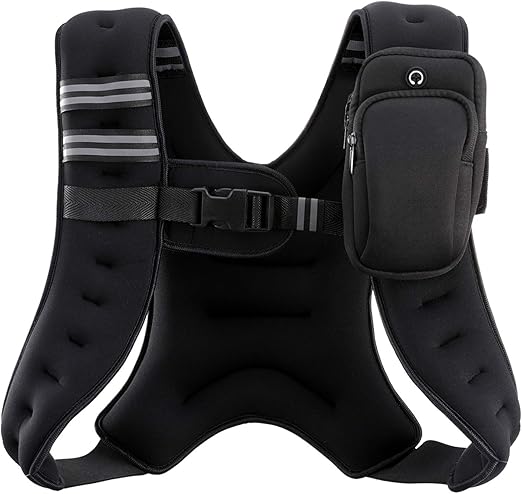
🏋️♂️ ZELUS Weighted Vest – Boost Your Workout Performance!
Available in 6lb to 30lb sizes with reflective stripes. Perfect for strength training, running, fitness, weightlifting, and weight loss.
💥 Get Yours Now for Under $32!
⚖️ Etekcity Digital Bathroom Scale – Precision You Can Trust!
Sleek design with a large blue backlit LCD, high-precision sensors, and durable 6mm tempered glass. Supports up to 400 lbs.
🔥 Shop Now for Under $149!What are Sugar Alcohols and Are They Safe for Weight Loss?
If you’re trying to lose weight, especially while managing sugar intake, you’ve likely come across the term “sugar alcohols.” These sweeteners promise a guilt-free way to satisfy your sweet tooth without the calories and blood sugar spikes that traditional sugar can cause. But what exactly are sugar alcohols, and can they truly support your weight loss goals? In this article, we will dive deep into the world of sugar alcohols, exploring what they are, how they work in our bodies, their safety, and their effects on weight loss.
Understanding Sugar Alcohols
Sugar alcohols are a type of low-calorie sweetener derived from natural sources. They are used in a variety of food products, especially in sugar-free items. Unlike regular sugar, sugar alcohols contain fewer calories and have a lower glycemic index, which can make them appealing for those watching their weight or managing diabetes.
What are Sugar Alcohols Made Of?
Sugar alcohols are created through a process called hydrogenation, where hydrogen is added to sugar molecules. This process turns sugars into sugar alcohols, resulting in a product that maintains sweetness but has a different chemical structure and fewer calories. Common types of sugar alcohols include:
- Xylitol: Found naturally in fruits and vegetables, xylitol is often used in dental products due to its cavity-fighting properties.
- Sorbitol: Common in sugar-free candies and chewing gum, sorbitol is slower to absorb in the body.
- Manitol: Often used in food products for its lower glycemic index, mannitol can also aid in digestion.
- eritritol: A popular choice for many low-calorie products, erythritol has nearly zero calories.
Benefits of Sugar Alcohols
Integrating sugar alcohols into your diet may offer several benefits, particularly for weight management and health:
- Lower Caloric Content: Most sugar alcohols have fewer calories than regular sugar. For instance, erythritol has only 0.24 calories per gram, making it a favorable choice for calorie-conscious consumers.
- Reduced Blood Sugar Levels: Sugar alcohols generally have a lower glycemic index than regular sugar, which means they have less impact on blood glucose levels, making them suitable for diabetic diets.
- Dental Health Benefits: Certain sugar alcohols, particularly xylitol, can contribute to dental health by preventing cavity-causing bacteria from adhering to teeth.
Can Sugar Alcohols Help with Weight Loss?
The potential for sugar alcohols to aid weight loss largely stems from their lower caloric content and reduced impact on blood sugar levels. Here’s how they can be beneficial:
1. Satisfying Sweet Cravings
One of the primary challenges in any weight loss journey is managing cravings for sweets. Sugar alcohols provide a sweet taste without the high calorie count of sugar, allowing you to indulge without packing on the pounds.
2. Lower Caloric Intake
By substituting sugar with sugar alcohols in recipes or food choices, you can significantly reduce your overall caloric intake. This can contribute to a calorie deficit, which is essential for weight loss.
3. Maintenance of Blood Sugar Levels
For those managing diabetes or insulin resistance, sugar alcohols can help keep blood sugar levels stable. Stable blood sugar can reduce cravings and the likelihood of binge eating.
4. Increased Fiber Intake
Some sugar alcohols contain fiber, which can aid in digestion and help you feel fuller for longer. A diet high in fiber has also been linked to weight loss and reduced fat storage.
Are Sugar Alcohols Safe to Eat?
While sugar alcohols can be a helpful addition to a weight management diet, there are some important safety considerations to keep in mind:
- Digestive Issues: Consuming large amounts of sugar alcohols may lead to gastrointestinal discomfort, including bloating, gas, and diarrhea. The effects can vary among individuals, so it’s wise to start with small amounts and monitor your body’s response.
- Caloric Consideration: While sugar alcohols are lower in calories, they still contain calories. Overconsumption can lead to weight gain if it leads to an overall caloric surplus.
- Read Labels: When buying packaged foods containing sugar alcohols, it’s crucial to read labels carefully. Some products might contain additional ingredients that could counteract the benefits of sugar alcohols.
How to Incorporate Sugar Alcohols into Your Diet
If you decide to incorporate sugar alcohols into your diet, here are some tips:
- Start Small: Begin with small amounts to see how your digestive system reacts. Gradually increase the amount if you tolerate it well.
- Choose Natural Sources: Some sugar alcohols are derived from natural sources. Opt for those sweeteners when possible, and check for any additives.
- Check the Total Carb Count: Remember that while sugar alcohols have fewer calories, they can still contribute to your total carbohydrate count.
- Use in Recipes: Sugar alcohols can be great in baking and cooking. Experiment with replacing sugar in your recipes to find the right balance for your taste.
Popular Sugar Alcohol Products
Many products on the market utilize sugar alcohols. Some popular options include:
- Sugar-Free Gum: Many brands of sugar-free gum use xylitol or sorbitol, making them a flavorful, low-calorie option for freshening your breath.
- Low-Calorie Snacks: Bars and snacks marketed as low-calorie often incorporate sugar alcohols to enhance sweetness without the calories.
- Baking Ingredients: Various sugar substitutes used for baking contain sugar alcohols, allowing you to enjoy desserts without excess sugar.
Potential Downsides of Sugar Alcohols
Despite their benefits, sugar alcohols come with a few potential downsides that should not be overlooked:
- Caloric Contribution: While lower in calories than sugar, sugar alcohols still contribute calories, which could hinder weight loss efforts if consumed in excess.
- Potential for Overindulgence: Because they are perceived as ‘diet’ products, people may consume more than they would if the product contained regular sugar, leading to weight gain.
- Flavor Profile: Some people find the aftertaste of sugar alcohols to be less satisfying than that of traditional sugar, which may affect your overall satisfaction with food.
Conclusion
Sugar alcohols can play a role in your weight loss journey by helping to satisfy sweet cravings, reducing caloric intake, and facilitating stable blood sugar levels. However, it’s essential to understand your body’s response to these sweeteners and consume them in moderation. As with any dietary change, it’s best to integrate sugar alcohols mindfully within a balanced diet to ensure adherence to your weight loss goals while still enjoying the sweet treats you love.


Related Articles
Our HOME in English: Common questions about the requirements and approval difficulty for getting a personal Tea Burn Weight Loss, especially regarding credit score – see more about Tea Burn Here

Understanding Sugar Alcohols and Their Role in Weight Loss
In the quest for effective weight loss strategies, many individuals turn to sugar alternatives such as sugar alcohols. These sweeteners, found in various food products, offer a lower-calorie alternative to traditional sugars. But how do they actually work, and are they safe for those trying to shed pounds?
Sugar alcohols, like xylitol and erythritol, are carbohydrates that provide sweetness without the same calorie count as sugar. They have a minimal impact on blood sugar levels, making them popular among those monitoring their glucose intake. Additionally, they can contribute to feelings of fullness and can help in reducing overall caloric consumption.
When consumed in moderation, sugar alcohols are generally safe for weight loss. However, overconsumption can lead to gastrointestinal discomfort, which is important to consider. Research suggests that cutting out sugar and opting for sugar alcohols can lead to better weight management outcomes. Thus, integrating sugar alcohols wisely into a balanced diet can be a beneficial strategy for those focused on losing weight.
Conclusion
In summary, sugar alcohols offer an appealing, lower-calorie alternative to sugar, potentially aiding in weight loss when used judiciously. They allow you to enjoy sweetness without derailing your health goals. However, moderation is key to avoid digestive issues. By incorporating sugar alcohols into your diet while maintaining a focus on whole foods, you could see improvements in your weight management journey. Making informed choices about sweeteners can be a powerful step towards achieving your weight loss goals.
FAQs About Sugar Alcohols and Weight Loss
1. What are sugar alcohols?
Sugar alcohols are polyols, a type of carbohydrate used as sweeteners, offering fewer calories than regular sugar.
2. How do sugar alcohols affect weight loss?
They can lower overall caloric intake and help manage cravings while providing sweetness.
3. Are sugar alcohols safe to consume?
Generally, yes! They are recognized as safe when consumed in moderation.
4. Can sugar alcohols cause digestive issues?
Overconsumption may lead to gas, bloating, or diarrhea in some individuals.
5. Which foods commonly contain sugar alcohols?
They are often found in low-sugar or sugar-free products like gums, candies, and desserts.
6. Do sugar alcohols raise blood sugar levels?
They have a minimal effect on blood sugar, making them suitable for diabetics.
7. How are sugar alcohols different from regular sugar?
Sugar alcohols have fewer calories and do not significantly affect blood glucose levels.
8. Are all sugar alcohols the same?
No, each type varies in caloric content and gastrointestinal effects, with erythritol being tolerated best.
9. How many calories do sugar alcohols have?
They typically provide 1.5 to 3 calories per gram, compared to 4 calories per gram for sugar.
10. Can sugar alcohols help with weight management?
Yes, by substituting sugar with sugar alcohols, you can reduce calorie intake while enjoying sweetness.
11. Is it okay to substitute all sugar with sugar alcohols?
Moderation is key; consider balancing with other whole food sweeteners for a diverse diet.
12. Can people who are diabetic consume sugar alcohols?
Yes, they are generally safe for diabetics, but individual responses may vary.
13. Do sugar alcohols contain carbs?
Yes, they are a type of carbohydrate, but they don’t affect blood sugar like sugar does.
14. Are there any side effects of sugar alcohols?
Some may experience digestive discomfort, especially when consumed in large amounts.
15. Is there a recommended intake for sugar alcohols?
Limit intake to around 50 grams per day to minimize side effects.
16. How do sugar alcohols impact cravings?
They can help satisfy sweet cravings, which may lead to lower overall sugar consumption.
17. Can I use sugar alcohols in baking?
Yes, many sugar alcohols are suitable for baking, although they may alter the texture.
18. How do manufacturers label sugar alcohols?
They are often listed under “total carbohydrates” but may also be noted individually on ingredients lists.
19. What are common types of sugar alcohols?
Common ones include xylitol, erythritol, sorbitol, and maltitol.
20. Can sugar alcohols be part of a keto diet?
Yes, many people on keto use sugar alcohols to satisfy their sweet tooth while staying low-carb.
21. Do sugar alcohols contribute to weight gain?
In moderation, they do not contribute to weight gain and can aid in managing weight.
22. Should children consume sugar alcohols?
Consult with a pediatrician, but moderate amounts are typically safe for children.
23. How can I incorporate sugar alcohols into my diet?
Use them in beverages, recipes, and snacks in place of traditional sugar.
24. Do sugar alcohols have a taste difference compared to sugar?
Some sugar alcohols can taste different from sugar, with varying aftertastes depending on the type.
25. Are sugar alcohols safe for pregnant women?
Consult with a healthcare provider, but moderate amounts are usually considered safe.


