
Is stevia better than sugar for fat loss?
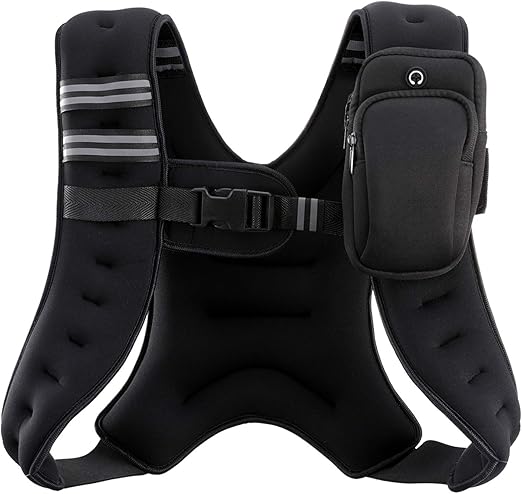
🏋️♂️ ZELUS Weighted Vest – Boost Your Workout Performance!
Available in 6lb to 30lb sizes with reflective stripes. Perfect for strength training, running, fitness, weightlifting, and weight loss.
💥 Get Yours Now for Under $32!
⚖️ Etekcity Digital Bathroom Scale – Precision You Can Trust!
Sleek design with a large blue backlit LCD, high-precision sensors, and durable 6mm tempered glass. Supports up to 400 lbs.
🔥 Shop Now for Under $149!Is Stevia Better Than Sugar for Fat Loss?
When it comes to weight loss and maintaining a healthy lifestyle, the choices we make about what we consume can have a significant impact on our progress. One of the most debated topics is the role of sugar in our diets, and whether alternatives like stevia can be a better substitute. In this article, we will explore the differences between stevia and sugar, their effects on fat loss, and the overall benefits of each. Our aim is to provide you with the knowledge you need to make informed dietary choices to support your weight loss journey.
Understanding Sugar and Its Effects on Weight Loss
Sugar is a simple carbohydrate found in many foods and drinks. While it provides a quick source of energy, excessive consumption can lead to various health issues, including weight gain, diabetes, and heart disease. Here’s how sugar can impact your weight:
- Caloric Density: Foods high in sugar often contain a large number of calories with little nutritional value, leading to weight gain.
- Blood Sugar Spikes: Consuming sugar causes rapid spikes in blood sugar levels, which can trigger insulin release and result in fat storage.
- Cravings: High sugar consumption can increase cravings for more sugary foods, leading to overeating.
For individuals aiming to lose weight, reducing or eliminating sugar intake can be a crucial first step. However, many are left wondering whether switching to alternatives like stevia is a more effective route.
What Is Stevia?
Stevia is a natural sweetener derived from the leaves of the Stevia rebaudiana plant. It is significantly sweeter than sugar but contains zero calories, making it an attractive alternative for those seeking to reduce caloric intake while satisfying their sweet tooth. Here are some key points about stevia:
- Natural Origin: Unlike many artificial sweeteners, stevia comes from a plant, making it a more natural option for sweetening foods and beverages.
- No Calories: Stevia does not contribute to caloric intake, making it beneficial for weight loss.
- Low Glycemic Index: It has a glycemic index of zero, meaning it won’t spike blood sugar levels.
Stevia vs. Sugar: The Nutritional Comparison
Caloric Content
One of the most significant differences between stevia and sugar is their caloric content:
- Sugar: Contains approximately 16 calories per teaspoon.
- Stevia: Contains zero calories per teaspoon, making it an ideal choice for those looking to cut calories.
Effects on Blood Sugar Levels
Another critical aspect to consider is how these sweeteners affect blood sugar levels:
- Sugar: Can cause rapid increases in blood sugar levels, leading to an insulin response that promotes fat storage.
- Stevia: Does not affect blood sugar levels, making it safe for diabetics and beneficial for those monitoring their glucose intake.
The Role of Stevia in Weight Loss
Using stevia as a substitute for sugar can potentially enhance your weight loss efforts. Here are some of the ways it can help:
- Lower Caloric Intake: Swapping out sugar for stevia can help reduce overall caloric intake without sacrificing sweetness, a key factor in weight loss.
- Curbing Cravings: By satisfying your sweet tooth with a non-caloric sweetener, you may find it easier to resist sugary snacks and desserts.
- Regulation of Appetite: Some studies suggest that the consumption of stevia may help regulate appetite hormones, promoting a feeling of fullness.
Scientific Studies on Stevia and Weight Loss
Research has shown promising results regarding stevia’s potential for weight loss. Here are some noteworthy findings:
- A study published in the *British Journal of Nutrition* found that replacing sugar with stevia led to lower calorie consumption and significant weight reduction in participants.
- Another study in the *Journal of Medicinal Food* noted that stevia might help with weight management due to its ability to enhance glucose metabolism without the added calories of sugar.
These studies suggest that incorporating stevia into your diet as a sugar substitute can contribute to weight loss efforts. However, it’s important to view stevia as part of a broader lifestyle change that includes balanced eating and regular physical activity.
Potential Downsides of Stevia
While stevia has numerous benefits, it’s essential to consider any potential downsides or concerns:
- Aftertaste: Some individuals report a bitter or medicinal aftertaste when consuming stevia, which may not be pleasant for everyone.
- Gastrointestinal Issues: For some, stevia can cause digestive issues, including gas and bloating.
- Potential Allergies: Although rare, some people may be allergic to components found in stevia.
It’s important to listen to your body and determine whether stevia works well for your individual needs and preferences.
How to Incorporate Stevia into Your Diet
If you decide to try stevia as a sugar substitute, there are many ways to incorporate it into your diet:
- Beverages: Use stevia in place of sugar in coffee, tea, smoothies, or homemade juices.
- Baking: Adjust recipes to use stevia instead of sugar, being mindful of stevia’s higher sweetness level.
- Snacks: Look for low-sugar or no-sugar-added snacks that utilize stevia as a sweetener.
- Dressings and Sauces: Add stevia to homemade salad dressings or sauces for a touch of sweetness.
Comparing Stevia with Other Sugar Alternatives
In addition to stevia, there are several other sugar alternatives available, including:
- Monk Fruit: A natural sweetener that also contains zero calories and has a sweetness level comparable to stevia.
- Erythritol: A sugar alcohol that contains fewer calories and doesn’t raise blood sugar levels.
- Agave Nectar: While often considered a healthier choice, it has a high fructose content and can contribute to weight gain.
When comparing these options, it’s crucial to consider not only the caloric content but also how they fit into your overall dietary preferences and health goals.
Is Stevia Right for Everyone?
While stevia has many benefits, it may not be suitable for everyone. Factors to consider include:
- Personal Taste Preferences: Some individuals may simply not enjoy the flavor of stevia compared to sugar.
- Digestive Sensitivity: If you have sensitive digestion, stevia may cause discomfort for some users.
- Overall Diet: Consider whether you personally approve of natural sugar substitutes as a part of a balanced diet.
Making the Switch: Tips for Transitioning to Stevia
If you’re considering replacing sugar with stevia, here are some practical tips to make the transition easier:
- Start Slow: Begin by replacing a small amount of sugar in your diet with stevia until you’re comfortable with the taste and effects.
- Experiment: Try different brands and forms of stevia (liquid, powder) to find which you prefer.
- Read Labels: Be aware of added ingredients in blends of stevia, as some products combine stevia with other sugars or fillers.
- Be Mindful of Ratios: Since stevia is far sweeter than sugar, adjust your measurements carefully in recipes.
Conclusion
As more people become aware of the effects of sugar on weight gain, alternatives like stevia gain popularity as a lower-calorie sweetener. With its numerous benefits, including zero calories and stable blood sugar levels, stevia can help individuals manage their weight and satisfy their cravings. However, individual preferences and potential side effects should be taken into account. Making informed dietary choices can lead to sustainable weight loss and a healthier lifestyle.


Related Articles
Our HOME in English: Common questions about the requirements and approval difficulty for getting a personal Tea Burn Weight Loss, especially regarding credit score – see more about Tea Burn Here

Is Stevia Better Than Sugar for Fat Loss?
As more people become health-conscious, the debate over whether stevia is a better sweetener than sugar for fat loss intensifies. Many are looking for effective substitutes to cut calories and reduce sugar intake. By understanding how stevia compares to sugar, particularly in the context of weight loss, you can make an informed choice that supports your health goals. This article will delve into the benefits and pitfalls of each sweetener, providing you with clear insights to navigate your dietary choices effectively.
Why Cutting Out Sugar Helps with Weight Loss
Eliminating sugar from your diet can significantly aid in weight loss efforts. Here’s how:
- Lower Caloric Intake: Reducing sugar means fewer empty calories, allowing you to consume nutrient-dense foods.
- Improved Metabolism: Sugar can cause insulin spikes and crashes; a stable insulin level supports fat burning.
- Reduced Cravings: Cutting sugar helps break the cycle of cravings, making it easier to control your diet.
- Enhanced Mood and Energy: Stable blood sugar levels contribute to improved energy and a positive mood.
Conclusion
In conclusion, while both stevia and sugar have their respective advantages and disadvantages, stevia emerges as a favorable option for those seeking to lose weight. Its zero-calorie nature, alongside its ability to satisfy sweet cravings without the harmful effects of sugar, makes it a wise choice. Moreover, cutting out sugar has proven to effectively aid in weight loss by reducing calorie intake and stabilizing blood sugar levels. By choosing stevia, you can enjoy sweetness in your life while achieving your health goals. Embrace stevia as your ally in this weight loss journey and take a significant step toward a healthier lifestyle.
FAQs
1. Is stevia a calorie-free sweetener?
Yes, stevia contains zero calories, making it an ideal choice for those looking to reduce caloric intake while still enjoying sweetness.
2. Can stevia help reduce body fat?
Stevia may aid in reducing body fat by replacing high-calorie sugars in your diet, thus lowering overall calorie intake.
3. Does stevia affect blood sugar levels?
No, stevia does not raise blood sugar levels, making it a safe option for diabetics and those watching their glucose levels.
4. How does sugar contribute to weight gain?
Excessive sugar intake leads to higher calorie consumption and insulin resistance, both of which can promote weight gain.
5. Is stevia safe for long-term use?
Yes, stevia is considered safe for long-term use, as it is derived from a plant and has been used for centuries in various cultures.
6. What are the side effects of stevia?
Some individuals may experience mild digestive issues or an aftertaste, but serious side effects are rare.
7. Can I use stevia for baking?
Yes, stevia can be used for baking, but adjustments may be required due to its sweetness intensity compared to sugar.
8. How does stevia compare to artificial sweeteners like aspartame?
Stevia is natural, while aspartame is synthetic. Many prefer stevia for its natural origin and absence of chemicals.
9. Will using stevia help me lose weight?
Using stevia can assist in weight loss by providing sweetness without added calories, thus supporting a calorie deficit.
10. Can stevia replace sugar in drinks?
Absolutely! Stevia is a great sugar substitute in drinks, offering sweetness without calories.
11. Is stevia FDA-approved?
Yes, certain extracts of stevia, specifically rebaudioside A, are FDA-approved as safe for use in foods and beverages.
12. How should I store stevia?
Store stevia in a cool, dry place away from sunlight to maintain its quality and sweetness.
13. What is the best form of stevia to use?
Liquid stevia or pure stevia powder are often recommended for versatility and ease of use.
14. Can children use stevia?
Yes, stevia can be safely consumed by children as a sugar alternative, but moderation is key.
15. How much stevia should I use compared to sugar?
Since stevia is much sweeter than sugar, a small amount (usually 1/3 to 1/2 teaspoon) can replace a full teaspoon of sugar.
16. Does stevia have a taste?
Stevia has a distinct taste that some describe as slightly bitter or licorice-like, but many find it preferable to sugar.
17. Is stevia environmentally friendly?
Yes, stevia is considered environmentally friendly since it requires less land and water to grow compared to sugar cane.
18. How can I incorporate stevia into my diet?
Add stevia to beverages, oatmeal, smoothies, or use it in baked goods as a sugar substitute.
19. Can stevia help with sugar addiction?
Using stevia instead of sugar may help manage sugar cravings and reduce overall sugar intake.
20. Is there a risk of weight rebound when using stevia?
Weight rebound can occur if overall calorie intake exceeds expenditure, but stevia itself doesn’t promote weight gain.
21. Are there any hidden calories in stevia products?
Always check labels, but high-purity stevia products typically contain no hidden calories.
22. What is the glycemic index of stevia?
Stevia has a glycemic index of zero, meaning it does not impact blood sugar levels.
23. Can I use stevia in savory dishes?
Yes, stevia can enhance the flavor of savory dishes when used in appropriate quantities.
24. Is stevia suitable for keto diets?
Yes, stevia is often recommended for keto diets as it has no carbs and does not affect ketosis.
25. How can I find the best quality stevia product?
Look for pure stevia extract with few added ingredients to ensure you’re getting a quality product.


