
Is intuitive eating safe for weight control?
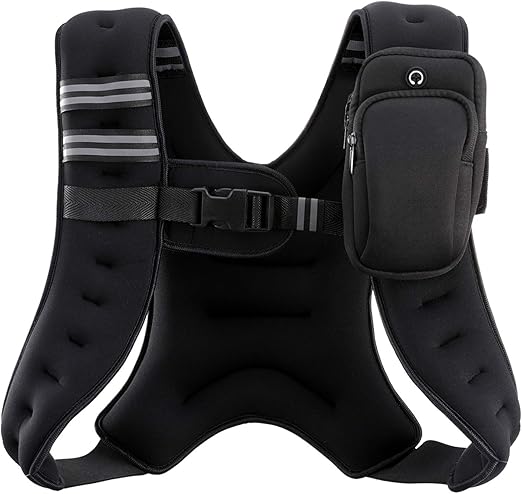
🏋️♂️ ZELUS Weighted Vest – Boost Your Workout Performance!
Available in 6lb to 30lb sizes with reflective stripes. Perfect for strength training, running, fitness, weightlifting, and weight loss.
💥 Get Yours Now for Under $32!
⚖️ Etekcity Digital Bathroom Scale – Precision You Can Trust!
Sleek design with a large blue backlit LCD, high-precision sensors, and durable 6mm tempered glass. Supports up to 400 lbs.
🔥 Shop Now for Under $149!Is Intuitive Eating Safe for Weight Control?
Many people journey through the ups and downs of dieting, trying various methods to reach their weight goals, only to find themselves frustrated and confused. Among the newer approaches that have gained popularity is intuitive eating, a concept that encourages individuals to rely on their body’s natural hunger cues rather than rigid diet plans. But the question remains—can intuitive eating truly support weight control, and is it safe? This article explores the principles of intuitive eating, its safety, effectiveness, and how it fits into a healthy lifestyle.
Understanding Intuitive Eating
Intuitive eating is a philosophy developed by registered dietitians Evelyn Tribole and Ellyn Satter in the 1990s. It promotes a healthy relationship with food, body image, and self-esteem. Unlike traditional dieting methods that emphasize calorie restriction, macronutrient counting, and strict rules, intuitive eating is about listening to and trusting your body.
The Ten Principles of Intuitive Eating
Intuitive eating revolves around ten foundational principles that guide individuals towards a healthier approach to food:
- Reject the diet mentality: Let go of the belief that strict diets are the key to weight control. Shift your mindset to focus on overall health instead.
- Honor your hunger: Recognize your body’s hunger signals and respond appropriately to nourish it.
- Make peace with food: Give yourself unconditional permission to eat. Depriving yourself may lead to cravings and binge eating.
- Challenge the food police: Silence the critical voice that judges your food choices to reinforce a positive relationship with food.
- Feel your fullness: Assess your hunger levels as you eat and stop when you feel comfortably full.
- Discover the satisfaction factor: Eat foods that you truly enjoy and that satisfy you. Enjoyment can aid in reduced cravings.
- Cope with your emotions without using food: Find alternative ways to deal with emotions rather than turning to food.
- Respect your body: Accept your body, understanding that it deserves care and respect regardless of its size or shape.
- Exercise—feel the difference: Engage in physical activity you enjoy, moving your body as a celebration rather than a punishment.
- Accept your body: Understand and accept that everyone’s body is unique and responds differently to food and exercise.
Is Intuitive Eating Safe?
For those wondering if intuitive eating is a safe approach to weight control, the answer is generally yes. It doesn’t promote starvation or deprivation, which can lead to unhealthy eating patterns. Instead, it emphasizes listening to one’s body, which can foster a positive relationship with food. Here’s why intuitive eating is safe:
Promotes Physical and Mental Well-Being
Intuitive eating supports both physical and mental health. By focusing on bodily signals rather than arbitrary calorie counts, individuals can find a more sustainable way to manage their weight. Here are key benefits:
- Improves body image: Individuals learn to appreciate their bodies, regardless of weight.
- Reduces binge eating: By allowing oneself to eat freely, the compulsive nature of binge eating can decrease.
- Encourages a balanced diet: Without restrictions, individuals typically gravitate towards nutritious foods while enjoying treats in moderation.
- Supports emotional health: Understanding emotional triggers reduces the reliance on food as a coping mechanism.
Scientific Evidence Supporting Intuitive Eating
Research supports the notion that intuitive eating can be an effective and safe approach for weight management. Studies have likened intuitive eating to a healthier overall lifestyle. For instance:
- A study published in the journal Nutrition Journal found that individuals who practiced intuitive eating exhibited a lower risk of disordered eating patterns and better body image.
- Research indicates that intuitive eaters typically have healthier body weights compared to those who are chronic dieters, as they are less likely to engage in yo-yo dieting.
The Role of Mindfulness in Intuitive Eating
Mindfulness plays a pivotal role in intuitive eating. It involves being present during meals and recognizing your body’s physical sensations. This practice can enhance the intuitive eating experience in several ways:
Enhancing Self-Awareness
Mindfulness encourages individuals to become aware of their hunger levels, cravings, and feelings about food. This self-awareness can lead to better food choices and greater satisfaction during meals.
Reducing Emotional Eating
By practicing mindfulness, individuals can separate their physical hunger from emotional eating. This differentiation is crucial for managing habits that are often masked by emotional states.
How Intuitive Eating Affects Weight Control
The interplay between intuitive eating and weight control is complex but fascinating. Here are a few vital points to consider:
Weight Maintenance vs. Weight Loss
Intuitive eating is primarily focused on weight maintenance rather than explicit weight loss. Many people may find that adopting this approach leads to eventual weight loss, but that’s not the primary goal. Instead, it fosters a long-term, sustainable way of living that doesn’t revolve around quick fixes.
Listening to Your Body
One of the significant aspects of intuitive eating is the concept of listening to your body’s internal cues. This requires a degree of patience and practice:
- Hungry? Eat when your body signals it needs food, rather than eating by the clock.
- Full? Stop eating when you feel satisfied and comfortable.
- Awareness of cravings: Recognize and explore food cravings rather than repressing them, which can often lead to overeating later.
Challenges and Misconceptions of Intuitive Eating
While intuitive eating has many benefits, it’s not without challenges. Understanding these can help individuals navigate their journey more effectively.
Misunderstanding “Intuitive”
Many people misinterpret intuitive eating as a free-for-all to eat anything and everything. However, intuitive eating encourages mindfulness and healthful choices based on hunger cues and satisfaction.
Emotional Challenges
Some individuals may struggle with emotional eating, making it difficult to differentiate between physical and emotional hunger. Working with a therapist or a certified intuitive eating coach can assist in overcoming these obstacles.
Tips for Successfully Practicing Intuitive Eating
If you’re considering trying intuitive eating for weight control, here are some tips to help you get started:
- Start slow: Incorporate one principle at a time into your routine rather than trying to adopt them all at once.
- Reflect and journal: Keep a food journal to analyze your feelings or emotional triggers associated with eating.
- Set a comfortable environment: Create a peaceful atmosphere during meals to enhance mindfulness and enjoyment.
- Seek support: Consider joining a community, either online or locally, to share experiences and resources with those on a similar journey.
Conclusion
In summary, intuitive eating is a safe and effective practice for achieving and maintaining weight control. By reconnecting with the body’s hunger signals and practicing mindfulness, individuals can foster a healthier relationship with food and ultimately find balance in their lives. While it may not guarantee immediate weight loss, the long-term benefits of intuitive eating revolve around well-being, emotional health, and sustainable practices that contribute positively to one’s overall life. If you’re looking for a more holistic approach to weight control, intuitive eating might be the perfect path for you.


Related Articles
Our HOME in English: Common questions about the requirements and approval difficulty for getting a personal Tea Burn Weight Loss, especially regarding credit score – see more about Tea Burn Here

Is Intuitive Eating Safe for Weight Control?
In a world increasingly focused on diets and restrictive eating plans, the concept of intuitive eating emerges as a refreshing alternative. It encourages individuals to tune into their body’s natural signals to dictate hunger and fullness instead of following strict guidelines or eliminating food groups. But is intuitive eating a safe and effective method for weight control? This article explores how intuitive eating intersects with the idea of weight loss, especially in relation to cutting out sugar, which has gained popularity in American dietary habits. By understanding how these concepts work together, you can make informed decisions about your eating patterns.
Conclusion
Intuitive eating can indeed be a safe and effective approach to weight control for many people. It promotes a healthier relationship with food, allowing individuals to recognize their body’s natural cues rather than adhering to restrictive diets. While cutting out sugar can aid in weight loss by reducing calorie intake and cravings, combining these strategies with intuitive eating can lead to sustainable results. This holistic approach supports mental well-being alongside physical health. To fully embrace this journey, consider adopting resources and products that align with intuitive eating principles, helping you achieve your weight loss goals effectively.
FAQs
1. What is intuitive eating?
Intuitive eating is an approach that advocates for listening to your body’s cues regarding hunger and fullness rather than following restrictive diets.
2. Can intuitive eating help me lose weight?
Yes, it can lead to weight loss by fostering a healthier relationship with food and encouraging you to eat mindfully.
3. Is cutting sugar necessary for weight loss?
Cutting out added sugars can help reduce calorie intake and cravings, aiding in weight loss efforts.
4. Are there risks associated with intuitive eating?
For some, intuitive eating may be challenging if they struggle with emotional eating or have disordered eating patterns.
5. How does intuitive eating differ from dieting?
Unlike dieting, which emphasizes restriction, intuitive eating promotes listening to internal hunger cues and enjoying food without guilt.
6. Can I still enjoy sweets while intuitive eating?
Absolutely! Intuitive eating allows for all foods in moderation, including sweets, as long as you listen to your hunger signals.
7. Is intuitive eating suitable for everyone?
While many can benefit, individuals with specific eating disorders should consult professionals before adopting this approach.
8. What role does mindfulness play in intuitive eating?
Mindfulness is crucial as it helps you recognize physical hunger and emotional eating triggers, leading to more informed choices.
9. How do I start intuitive eating?
Begin by learning about your body’s hunger signals and incorporate foods you enjoy without guilt while avoiding restrictions.
10. Will I gain weight with intuitive eating?
Some may see initial weight fluctuations, but many find sustainable weight maintenance as they embrace intuitive eating long-term.
11. Can intuitive eating coexist with a healthy lifestyle?
Yes, intuitive eating can promote a healthy lifestyle by focusing on nutritional balance without strict rules.
12. How does cutting out sugar affect cravings?
Reducing sugar intake can stabilize blood sugar levels, leading to fewer cravings for sweet foods in the long run.
13. Are there foods I should avoid with intuitive eating?
Intuitive eating encourages not labeling foods as “bad” or “good;” instead, focus on balance and moderation.
14. Is intuitive eating beneficial for emotional eaters?
It can help emotional eaters develop better coping mechanisms by creating awareness around their eating habits.
15. How quickly do people see results with intuitive eating?
Results vary; some may notice changes in their relationship with food within weeks, while weight loss may take longer.
16. Should I track my food intake while intuitive eating?
Tracking is generally discouraged in intuitive eating, as it can create a focus on restrictions rather than body signals.
17. What if I struggle with hunger awareness?
Practicing mindfulness and journaling can help enhance your awareness of hunger and fullness cues over time.
18. How can I handle social situations while intuitive eating?
Focus on enjoying the experience and listen to your body’s cues, even in social settings.
19. Is it okay to have “forbidden” foods in intuitive eating?
Yes! Allowing yourself to enjoy previously restricted foods can promote a healthier relationship with food.
20. What are the long-term benefits of intuitive eating?
Long-term benefits include improved mental health, reduced cravings, and a sustainable approach to weight maintenance.
21. How does the body typically respond to intuitive eating?
Many experience increased body awareness and can better differentiate between physical and emotional hunger.
22. How can I combine intuitive eating with exercise?
Focus on moving your body in enjoyable ways; exercise should enhance your health rather than be a punishment for eating.
23. What should I do if I’m not seeing weight loss results?
Evaluate your overall relationship with food and consider consulting a professional if you’re struggling with intuitive eating.
24. Are there any books or resources on intuitive eating?
Yes, the book “Intuitive Eating” by Evelyn Tribole and Elyse Resch is a great starting point on the topic.
25. How can I find support on this journey?
Consider joining intuitive eating groups or forums online, or seek support from a registered dietitian familiar with the approach.


