
Is fasting all day and binging at night causing weight gain?
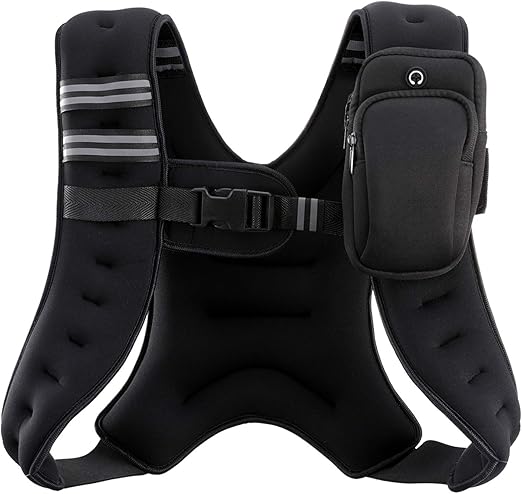
🏋️♂️ ZELUS Weighted Vest – Boost Your Workout Performance!
Available in 6lb to 30lb sizes with reflective stripes. Perfect for strength training, running, fitness, weightlifting, and weight loss.
💥 Get Yours Now for Under $32!
⚖️ Etekcity Digital Bathroom Scale – Precision You Can Trust!
Sleek design with a large blue backlit LCD, high-precision sensors, and durable 6mm tempered glass. Supports up to 400 lbs.
🔥 Shop Now for Under $149!In an age where quick fixes and extreme diets often take the spotlight, many individuals are exploring various eating patterns to achieve their weight loss goals. One such method that has gained popularity is fasting all day and then binging at night. This approach raises a critical question: is this fasting and binging cycle contributing to weight gain? In this article, we will delve into the physiological effects of intermittent fasting, binge eating, and their combined impact on your weight management journey. We’ll also explore healthier alternatives that can help you achieve your desired results without compromising your wellbeing.
Understanding Fasting and Its Popularity
Intermittent fasting (IF) has become a trendy approach to weight loss. It involves cycling between periods of eating and fasting, and while it has its benefits, the effectiveness often hinges on how one manages their eating during the feeding windows. The most common methods include:
- 16/8 Method: Fast for 16 hours and eat during an 8-hour window.
- 5:2 Diet: Eat normally for five days and restrict calories to 500-600 for two non-consecutive days.
- Eat-Stop-Eat: Involves fasting for a full 24 hours once or twice a week.
While fasting can help reduce overall calorie intake for many, the pitfalls arise when individuals choose to binge on high-calorie foods during their eating window.
The Psychology Behind Binge Eating
Binge eating often stems from an inability to control food intake during designated eating times. Below are some factors that commonly contribute to binge eating after prolonged fasting:
- Deprivation Mentality: Restricting food for long periods can create an overwhelming desire to consume high-calorie foods once eating resumes.
- Emotional Eating: Using food to cope with emotional distress that can occur when fasting leads to consuming much more than necessary during eating hours.
- Hormonal Imbalances: Fasting can affect hormones like ghrelin and leptin, which regulate hunger and fullness. An imbalance can cause increased cravings and overeating.
How Fasting and Binging Impact Weight Management
Engaging in a cycle of fasting during the day and then binging at night can be counterproductive for several reasons:
Caloric Surplus
The most straightforward explanation for potential weight gain lies in the concept of a caloric surplus. If the calories consumed during binge eating exceed the calories burned during fasting, weight gain is inevitable. Here’s how the numbers can stack up:
- If you fast all day and then consume 3,500 calories at night after being in a caloric deficit, you may still end up gaining weight.
- This is especially true if the binges involve high-calorie, low-nutrient foods.
Negative Metabolic Effects
Prolonged fasting can slow down your metabolism as your body becomes more efficient at conserving energy, which can hinder weight loss efforts. When under extreme restriction, your body may also start to preserve fat instead of burning it.
Disrupted Eating Patterns
Fasting followed by binging can create an unhealthy cycle in your eating patterns. This cycle can lead to:
- Lack of Structured Meals: Skipping meals can result in nutrient deficiencies that also affect your performance and energy levels.
- Increased Cravings: The body may begin to crave unhealthy foods more due to the lack of regular, balanced meals.
Is This Approach Right for You?
While some people can successfully incorporate fasting into their lifestyle without excessive binging, it doesn’t work for everyone. Understanding your body’s signals and needs is essential. Here are some questions to consider:
- Do you often find yourself binge eating after fasting?
- Are you emotionally eating when you finally allow yourself to eat?
- Is your fasting leading to feelings of extreme hunger or fatigue?
If you answered “yes” to any of these questions, it may be beneficial to reevaluate your eating strategy.
Healthier Alternatives to Fasting and Binging
If you’re finding that fasting and subsequent binging isn’t working for your weight loss efforts, consider exploring these healthier alternatives:
1. Balanced Meal Planning
Instead of fasting all day, aim for three balanced meals with snacks in between. Include a variety of foods to ensure adequate nutrition, such as:
- Fruits and Vegetables: High in fiber and essential vitamins.
- Lean Proteins: Chicken, fish, tofu, and legumes to keep you feeling full.
- Whole Grains: Brown rice, oats, and whole-grain bread for sustained energy.
2. Mindful Eating Practices
Mindful eating involves being fully present during meals, which can help prevent overeating. Try these techniques:
- Eat Slowly: Take your time to chew and savor each bite.
- Eliminate Distractions: Avoid screens and focus solely on your meal.
- Listen to Your Body: Recognize hunger and fullness cues and eat accordingly.
3. Regular Physical Activity
Incorporating regular exercise can complement your dietary changes. Aim for a mix of:
- Aerobic Exercises: Such as walking, running, or cycling for cardiovascular health.
- Strength Training: To build muscle, which can enhance metabolic rate.
- Flexibility and Balance Training: Such as yoga or pilates.
4. Consult a Professional
If you’re struggling with your eating habits, consider speaking with a registered dietitian or a nutritionist. They can help tailor a plan that’s specific to your individual needs, ensuring you work toward your weight loss goals without resorting to extreme measures.
Breaking the Cycle
If you find yourself caught in a cycle of fasting and binging, remember that you have the power to break it. Recognizing the triggers that lead to binge eating is the first step in making more conscious choices. With the right strategies and support, you can redefine your relationship with food and cultivate sustainable habits that promote both health and well-being.
Ultimately, it’s crucial to prioritize a balanced approach that prioritizes not just weight loss, but your overall health. Nourishing your body with nutrient-dense foods, staying hydrated, getting adequate rest, and moving your body regularly are all vital components of a successful weight management plan.
By understanding the impact of your eating patterns on your weight and overall health, you can make informed decisions that align with your goals and lifestyle.


Related Articles
Our HOME in English: Common questions about the requirements and approval difficulty for getting a personal Tea Burn Weight Loss, especially regarding credit score – see more about Tea Burn Here

Have you been trying to lose weight but find yourself fasting throughout the day and then overeating at night? This common pattern, known as intermittent fasting or time-restricted feeding, raises an important question: is it contributing to weight gain? The truth is that while fasting can be effective for many, the way one breaks their fast matters significantly. Caloric intake, food choices, and metabolic responses play vital roles in determining whether fasting leads to weight loss or gain. Let’s delve into this topic!
Understanding Fasting and Eating Patterns
Fasting all day and binging at night can lead to weight gain for several reasons:
- Caloric Surplus: Binge-eating at night may exceed your total daily caloric needs.
- Unhealthy Food Choices: Late-night binges often involve high-calorie, sugar-laden foods.
- Insulin Response: Eating large amounts in one sitting can spike insulin levels, promoting fat storage.
- Metabolism: Consistent overeating can slow down metabolism and lead to weight gain over time.
Conclusion
In summary, while fasting can be beneficial for weight loss, how you break your fast is crucial. Binging at night can quickly counteract the benefits of fasting, leading to unwanted weight gain. Consider eating balanced meals throughout your eating window that are rich in nutrients while minimizing sugars and processed foods. By adjusting your eating habits, you can enhance the effectiveness of fasting and achieve long-term weight loss goals. Remember, moderation is key in any weight loss journey!
FAQ
1. Does fasting increase my metabolism?
Fasting can enhance metabolism temporarily, but frequent bingeing may negate its benefits.
2. Can I still lose weight if I binge at night?
It’s possible but unlikely. Consistent bingeing typically results in a caloric surplus, leading to weight gain.
3. What should I eat after a day of fasting?
Opt for balanced meals rich in protein, fiber, and healthy fats to nourish your body without overindulging.
4. Is intermittent fasting healthy?
Intermittent fasting can be healthy for many, but breaking your fast with junk food can offset its benefits.
5. How long should I fast to lose weight?
Fasting for 16-24 hours can be effective, but the quality of food during eating periods is equally important.
6. Can fasting lead to emotional eating?
Yes, extended fasting may trigger emotional eating, especially if you feel deprived during the fasting window.
7. Are there benefits to eating at night?
Eating at night isn’t inherently bad, but choices matter—focus on healthy snacks over calorie-dense options.
8. Does cutting sugar help with weight loss?
Yes, reducing sugar intake can help lower overall caloric intake and improve metabolic health, aiding weight loss.
9. What are the best foods to break a fast?
Foods like avocados, nuts, lean proteins, and vegetables are excellent for breaking a fast without excessive calories.
10. How can I avoid bingeing at night?
Planning meals, eating mindfully, and addressing emotional triggers can help you avoid nighttime binges.
11. What if I can’t resist junk food at night?
Consider healthier alternatives or portion control to satisfy cravings without overindulging.
12. How does fasting impact hormones?
Fasting can positively influence hormones related to fat storage and appetite control, but bingeing may disrupt this balance.
13. Is it normal to feel hungry after fasting?
Yes, it’s common to feel hungry afterward, but try to avoid extreme overeating during your eating window.
14. Can fasting and binging be a cycle?
Yes, many people may fall into this pattern, which is often counterproductive for weight management.
15. Should I snack during my eating window?
Healthy snacks can help, but stick to portion control to avoid excessive calorie intake.
16. Will I gain muscle if I fast?
Fasting can promote fat loss while preserving muscle, especially when combined with resistance training.
17. Is fasting suitable for everyone?
While many can benefit from fasting, it’s essential to consult a health professional, especially if you have existing health issues.
18. Can I drink coffee while fasting?
Black coffee is generally acceptable during fasting, but sugary coffee drinks can break your fast.
19. How can I improve my fasting results?
Focus on a balanced diet, adequate hydration, and regular exercise to complement your fasting efforts.
20. Is water fasting safe for weight loss?
Water fasting may promote rapid weight loss, but it’s not recommended without medical supervision due to potential health risks.
21. Can intermittent fasting make me stronger?
Many find that intermittent fasting can enhance strength training outcomes, provided they consume enough nutrients.
22. What’s the best fasting schedule?
The best schedule varies, but many find success with 16:8 (16 hours fasting, 8 hours eating) or similar variations.
23. Can fasting affect sleep patterns?
Fasting may impact sleep quality for some individuals, particularly if hunger disrupts their rest.
24. How do I know if fasting is working for me?
Monitor your weight, energy levels, and overall wellness—these are signs of effective fasting.
25. What are the long-term effects of fasting?
Long-term fasting practices can lead to sustained weight management, improved metabolic health, and enhanced mental clarity, provided they are approached with balance.


