
Is eating after 8 PM really fattening?
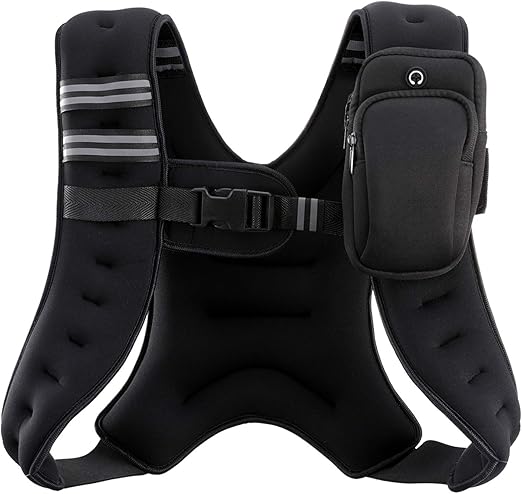
🏋️♂️ ZELUS Weighted Vest – Boost Your Workout Performance!
Available in 6lb to 30lb sizes with reflective stripes. Perfect for strength training, running, fitness, weightlifting, and weight loss.
💥 Get Yours Now for Under $32!
⚖️ Etekcity Digital Bathroom Scale – Precision You Can Trust!
Sleek design with a large blue backlit LCD, high-precision sensors, and durable 6mm tempered glass. Supports up to 400 lbs.
🔥 Shop Now for Under $149!Is Eating After 8 PM Really Fattening?
If you’ve ever found yourself pondering whether those late-night snacks might be sabotaging your weight loss goals, you’re not alone. The age-old belief that eating after 8 PM packs on the pounds persists, complicating our relationship with food and our bodies. In this article, we’ll dive into the science behind this common myth, explore how your body processes food at night, and help you understand the real factors that influence weight gain beyond the clock. Get ready to learn about taking control of your eating habits without unnecessary restrictions.
The Myth of Evening Eating
For many, the idea that food consumed after sunset is more likely to lead to weight gain is nearly dogmatic. However, it’s essential to examine where this notion originated and why it may not hold up under scrutiny.
Historically, the “no eating after 8 PM” rule was perpetuated by the notion that our metabolism slows down at night, leading to the idea that late-night calories are more readily converted to fat. However, recent studies dispel this myth, suggesting that the timing of meals is not as critical as the total calorie intake for the day. The body metabolizes food similarly, whether it’s day or night, making the timing more about personal choice than fat storage.
Understanding Caloric Intake
Weight management fundamentally revolves around the science of calories. To lose weight, you must consume fewer calories than you expend. This equation remains true regardless of when you eat. Whether you indulge in a delicious dinner at 6 PM or a midnight snack at 10 PM, the total number of calories consumed over the day is what will influence your weight. Here’s a straightforward breakdown:
- Calories In: The number of calories consumed through food and beverages.
- Calories Out: The calories burned through metabolic processes, physical activity, and even basic bodily functions.
If the calories you consume exceed the calories you burn, weight gain is likely, irrespective of the time of day those calories are consumed.
Metabolism and Circadian Rhythms
The body’s metabolism operates according to its circadian rhythm, which is the natural physiological change that follows a 24-hour cycle, influenced primarily by light and darkness. Some research indicates that metabolism might vary slightly throughout the day, with higher rates in the morning. However, these differences are minor in the grand scheme of weight loss. What truly matters is an overall caloric deficit.
Body’s Response to Nighttime Eating
Another factor to consider is how the body responds to food at night. Interestingly, eating late may impact your food choices and psychological factors, contributing indirectly to weight gain. Here’s how:
- Snack Choices: Late-night meals often consist of snacks high in sugar, fat, or empty calories, which can lead to increased caloric intake.
- Increased Activity Level: Eating later may stimulate late-night snacking while watching TV or working late, compounding calorie intake.
- Distracted Eating: Mindless or distracted eating can lead you to consume more than intended. Eating late at night often accompanies other activities which can increase consumption.
Thus, while the actual timing of your meals may not significantly affect weight gain, the scenarios in which night eating occurs can. Choosing nutrient-dense foods can make a significant difference, whether it’s daytime or nighttime.
What Should You Consider Instead?
Rather than fixating on the time of day when you eat, adopt a more holistic approach to your diet and lifestyle. Here are some strategies you can implement:
Portion Control
Be mindful of portion sizes throughout the day. Eating a balanced meal that incorporates all food groups can help you feel fuller longer, reducing the urge to snack late at night. Consider using smaller plates and bowls to naturally encourage smaller portions.
Mindful Eating
Practice being present during your meals. Focus on the flavors, textures, and enjoyment of your food. This technique can help prevent overeating, particularly during late-night binge sessions.
Nutrition Quality Over Timing
Pay more attention to the quality of the food you consume rather than simply the clock. Opt for whole, unprocessed foods that provide nutritional value. Here are some options:
- Fruits and vegetables
- Whole grains
- Lean proteins, like chicken, fish, and legumes
- Nuts and seeds
Late-Night Eating Habits to Avoid
If you find yourself frequently snacking late at night, there are several habits to consider letting go:
- Emotional Eating: Recognize if you’re eating out of boredom, stress, or other emotional triggers. Find alternative ways to cope with emotions.
- Skipping Meals: Avoid skipping meals earlier in the day, as this can lead to uncontrollable hunger later. Eating regular, balanced meals can reduce impulse snacking.
- Eating from the Package: When snacking, pour your food into a bowl instead of eating straight from the package to promote portion control.
Strategies for Healthy Late-Night Snacking
Should you feel the need to munch after 8 PM, choose wisely. Here are some nutritious options:
- Greek Yogurt: An excellent source of protein and calcium, it can be paired with a drizzle of honey or some fresh fruit.
- Almonds: High in healthy fats and protein, they can satisfy cravings without leading to an overload of calories.
- Popcorn: Air-popped popcorn is low in calories and can be a satisfying snack when seasoned without excessive butter or salt.
- Sliced Vegetables: Carrots, cucumbers, and bell peppers paired with hummus provide crunch and fiber.
The Bottom Line
In conclusion, the notion that eating after 8 PM is inherently fattening lacks robust support from scientific research. While it’s crucial to remain aware of your calorie intake and make healthier food choices, the timing of your meals is less important than the overall nutritional quality and portions. Adopting a healthy lifestyle involves making conscious choices about what you eat, regardless of the clock, and understanding your body’s responses to different foods. So, enjoy your meals and snacks at any hour while focusing on a balanced, mindful approach to healthy eating!


Related Articles
Our HOME in English: Common questions about the requirements and approval difficulty for getting a personal Tea Burn Weight Loss, especially regarding credit score – see more about Tea Burn Here

Is Eating After 8 PM Really Fattening?
In the pursuit of weight loss, many people wonder if the timing of their meals, particularly eating after 8 PM, can significantly impact their fitness goals. The prevailing myth suggests that consuming food late at night leads to weight gain. However, this perspective lacks nuance. The underlying factor influencing weight gain is overall calorie intake versus expenditure rather than the clock. While eating late may lead to unhealthy choices or overeating, having a small, balanced snack can fit well into a healthy diet. It’s essential to consider what and how much you eat, rather than simply the hour on the clock.
Benefits of Cutting Out Sugar
Reducing sugar intake can yield substantial benefits for weight loss. Sugar provides empty calories that can lead to cravings and increased hunger. By eliminating sugary foods, you can stabilize blood sugar levels, reduce insulin spikes, and decrease overall caloric consumption. This approach encourages the consumption of nutrient-dense foods, making it easier to manage weight effectively. Switching to whole foods contributes to sustained energy levels and promotes healthy metabolism.
Conclusion
Ultimately, whether eating after 8 PM is fattening hinges more on your overall dietary habits than the clock itself. It’s crucial to prioritize nutritious choices, mindful eating practices, and a balanced diet. Coupling this with a reduction in added sugars not only supports weight loss but also enhances overall health. By adopting these strategies, you can successfully reach your weight loss goals and feel more energetic and vibrant.
FAQ
1. Does eating after 8 PM cause weight gain?
Not necessarily. Weight gain occurs from a caloric surplus, not just meal timing.
2. What should I eat if I’m hungry after 8 PM?
Opt for healthy snacks like fruits, nuts, or yogurt, which are lower in calories.
3. Can late-night eating disrupt sleep?
Heavy meals close to bedtime can disrupt sleep, while light snacks may not.
4. Does sugar really contribute to weight gain?
Yes, added sugars can lead to higher calorie consumption and weight gain.
5. How does sugar affect my cravings?
High sugar intake can lead to increased cravings and hunger, making weight loss harder.
6. What are some good alternatives to sugary snacks?
- Fresh fruits
- Dried fruit
- Nuts and seeds
- Greek yogurt
7. Should I avoid all sugars entirely?
Not all sugars are harmful; focus on cutting out added sugars, not natural ones.
8. Is it better to eat small meals throughout the day?
Eating small, balanced meals can help stabilize blood sugar and control hunger.
9. What time should I stop eating at night?
Aim to finish eating 2-3 hours before bedtime for better digestion and sleep.
10. Can I lose weight by cutting sugar alone?
Cuts in sugar help, but combining it with a balanced diet and exercise is key.
11. Are there any benefits to late-night eating?
A small, healthy snack can be beneficial if you’re genuinely hungry.
12. What are the long-term effects of excessive sugar consumption?
Long-term effects include weight gain, diabetes, and heart disease risks.
13. How can I reduce sugar in my diet?
Read labels, avoid processed foods, and choose whole foods.
14. Can drinking water help with late-night cravings?
Yes, staying hydrated can sometimes help reduce cravings.
15. Does skipping meals help with weight loss?
Skipping meals can cause overeating later; consistent, balanced meals work better.
16. How can I make healthy choices while snacking at night?
Plan ahead by having healthy snacks available and practicing portion control.
17. Is it okay to eat carbs at night?
Whole grain carbs can be fine; focus on portion sizes and overall balance.
18. What’s a healthy nighttime snack option?
A small bowl of oatmeal or a piece of fruit can be nutritious and filling.
19. How do I know if I’m eating too much sugar?
Monitor your energy levels, cravings, and weight; excessive sugar can spike all these.
20. Can eating late affect metabolism?
While metabolism may slow down at night, total caloric intake remains the key factor.
21. Does everyone have to stop eating after 8 PM?
No, meal timing should fit individual lifestyles and habits; prioritize choices instead.
22. What role does fiber play in weight loss?
High-fiber foods promote fullness and reduce overall calorie intake, aiding weight loss.
23. Can I enjoy dessert while losing weight?
Yes, moderation is crucial; indulge occasionally without exceeding caloric needs.
24. How does alcohol affect weight loss?
Alcoholic drinks can add empty calories; reducing intake can help with weight loss efforts.
25. Are late-night workouts recommended?
Late-night exercise can be effective for some but may disrupt sleep for others.


