
Is cheese fattening or healthy?
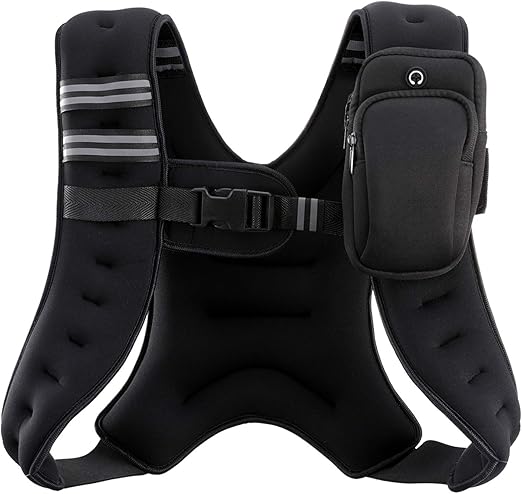
🏋️♂️ ZELUS Weighted Vest – Boost Your Workout Performance!
Available in 6lb to 30lb sizes with reflective stripes. Perfect for strength training, running, fitness, weightlifting, and weight loss.
💥 Get Yours Now for Under $32!
⚖️ Etekcity Digital Bathroom Scale – Precision You Can Trust!
Sleek design with a large blue backlit LCD, high-precision sensors, and durable 6mm tempered glass. Supports up to 400 lbs.
🔥 Shop Now for Under $149!Is Cheese Fattening or Healthy?
Cheese has long been a staple in diets across the globe, adored for its rich flavors and versatility in cuisine. However, its reputation often draws mixed feelings, leaving many to wonder: is cheese fattening or healthy? In this article, we dive deep into the nutritional aspects of cheese, its health benefits, potential downsides, and how it fits into a balanced diet. If you’ve ever had concerns about whether you should indulge in that cheesy delight, keep reading to uncover the truth!
Understanding Cheese: A Nutritional Profile
Before determining if cheese is fattening or healthy, it’s essential to understand what cheese is and what it contains. Cheese is a dairy product made by curdling milk and draining away the whey. The result is a concentrated source of nutrients and energy. Here’s a breakdown of the typical nutritional content found in cheese:
- Protein: Cheese is an excellent source of high-quality protein, which is crucial for muscle repair and growth.
- Fat: Cheese is high in fat, with many varieties containing around 20 to 30 grams of fat per 100 grams, depending on the type. This fat can be saturated, which has been debated regarding heart health.
- Calcium: A significant benefit of cheese is its high calcium content, essential for bone health.
- Vitamins and Minerals: Cheese is rich in vitamins A, B2 (riboflavin), B12, and minerals like phosphorus and zinc.
Health Benefits of Cheese
Despite concerns about its fat content, cheese can offer numerous health benefits. Here are some key advantages of including cheese in your diet:
1. Rich Source of Calcium
Cheese is one of the most concentrated sources of calcium, which is vital for maintaining strong bones and teeth. Adequate calcium intake can help prevent osteoporosis and support overall skeletal health.
2. High in Protein
Being protein-rich, cheese can help in building and repairing tissues. It also aids in feeling full, which could help in weight management by reducing overall caloric intake.
3. Contains Beneficial Nutrients
Besides calcium and protein, cheese offers various essential nutrients, including vitamins A and B12. These nutrients support various bodily functions, including vision, immune response, and energy production.
4. A Source of Healthy Fats
The fats in cheese can contribute to a sense of satisfaction after meals. Many people find that moderate consumption of cheese helps them feel fuller longer, which may lead to less frequent snacking and overeating.
5. Potential Heart Health Benefits
Recent studies have suggested that cheese may have cardiovascular benefits. Consumed in moderation, cheese might help improve cholesterol levels and reduce the risk of heart disease, challenging the long-held view that saturated fats are entirely harmful.
Types of Cheese: Which Are Healthiest?
Not all cheese is created equal. Different types of cheese vary in their fat and sodium content. Here’s a brief look at some popular types of cheese and their health implications:
- Feta: This crumbly cheese is lower in calories and fat than many other types, making it a good choice for salads and Mediterranean dishes.
- Ricotta: A fresh cheese lower in fat, ricotta is great for adding creaminess without too many extra calories.
- Parmesan: Rich in flavor and nutrients, it can enhance dishes with smaller amounts, making it a more health-conscious option.
- Cheddar: This popular cheese is nutrient-dense but also higher in fat and calories. Moderation is key!
- Processed Cheese: Options like American cheese may contain additives and higher sodium levels, making them less healthy.
Potential Downsides of Cheese
While cheese can offer numerous health benefits, there are some potential downsides that warrant consideration:
1. High in Saturated Fat
Many cheeses contain high levels of saturated fat, which could contribute to weight gain and an increased risk of heart disease if consumed in excess. It’s essential to balance cheese intake with other low-fat protein sources.
2. Sodium Content
Cheese can be high in sodium, which may elevate blood pressure and increase the risk of cardiovascular diseases in susceptible individuals. If you’re watching your salt intake, opt for lower-sodium cheese options.
3. Lactose Intolerance
Individuals with lactose intolerance may experience digestive issues when consuming cheese, especially varieties that are not aged. However, harder cheeses typically have lower lactose content and may be easier to digest.
4. Caloric Density
Cheese is calorie-dense, which might not be ideal for those attempting to lose weight. Portion control is crucial to enjoying cheese without overindulging calories.
How to Enjoy Cheese in a Healthy Way
If you’re a cheese lover, there are plenty of ways to incorporate it into a healthy diet without sacrificing taste. Here are some tips on how to enjoy cheese while keeping it nutritious:
1. Practice Portion Control
Be mindful of portion sizes. Aim for about one ounce (28 grams) of cheese per serving, which is roughly the size of a pair of dice. This allows you to enjoy the flavors without overdoing it.
2. Choose Quality Over Quantity
Select higher-quality cheeses that are minimally processed. Artisan and natural cheeses often contain fewer additives and more nutrients compared to processed varieties.
3. Balance with Other Foods
Pair cheese with vegetables, fruits, or whole grains to create a balanced meal. Combining cheese with fiber-rich foods can enhance fullness and provide a greater array of nutrients.
4. Go for Lower-Fat Options
If you’re concerned about fat intake, opt for lower-fat or part-skim cheeses. These options can provide similar flavors and nutrient profiles with less fat and calories.
5. Regular Exercise
To balance out the caloric density of cheese, maintain an active lifestyle. Regular physical activity will help manage weight and mitigate some of the potential downsides of dietary fat and caloric intake.
The Conclusion: Cheese in Moderation
In summary, cheese can be both healthy and fattening, depending on the type, quantity consumed, and the overall context of your diet. Its rich flavors, nutritional benefits, and versatility make it a beloved addition to many meals. By practicing moderation, choosing the right types of cheese, and balancing it with other healthy foods, you can continue to enjoy cheese without compromising your health goals.


Related Articles
Our HOME in English: Common questions about the requirements and approval difficulty for getting a personal Tea Burn Weight Loss, especially regarding credit score – see more about Tea Burn Here

Is Cheese Fattening or Healthy?
Cheese often finds itself in the spotlight of health discussions, particularly regarding its role in weight loss and overall health. Many people wonder if indulging in cheese is fattening or if it can be incorporated into a healthy diet. With its rich flavors and varied types, cheese can provoke mixed feelings. However, when consumed in moderation, cheese can offer several nutritional benefits. It’s essential to understand how cheese fits into your dietary goals, especially while navigating weight loss and the effects of cutting out sugar.
Benefits and Considerations of Cheese
Cheese is high in protein and calcium, contributing to skeletor health and muscle maintenance. However, it can also be high in saturated fats and calories, which is why portion control is crucial. Additionally, cheese can be satisfying, which might help control cravings and reduce overall calorie intake. To align cheese with healthy eating, opt for lower-fat options and be mindful of portions. Here are some of the benefits of including cheese:
- Rich in essential nutrients
- Can enhance flavor in meals
- Might promote satiety
How Does Cutting Out Sugar Help with Weight Loss?
Cutting out sugar can significantly impact weight loss. Sugary foods are typically high in calories but low in essential nutrients, leading to weight gain. When sugar is eliminated, it reduces overall calorie intake and helps regulate blood sugar levels, preventing spikes and crashes that can lead to cravings. This encourages a more stable energy level and less frequent hunger pangs. Additionally, many sugar substitutes may not offer the same satisfaction, pushing you towards healthier food choices, including nutrient-rich options like cheese.
Conclusion
In summary, cheese is not inherently fattening, but rather a versatile food that can be both healthy and satisfying. When eaten mindfully, it can provide key nutrients while assisting in maintaining a balanced diet, especially during weight loss journeys. Furthermore, cutting out sugar can complement cheese consumption by curtailing unnecessary calorie intake and fostering healthier cravings. Embrace cheese in your routine while focusing on wholesome foods and practices for a healthier lifestyle!
FAQ Section
1. Is cheese good for weight loss?
Cheese can be part of a weight loss diet due to its protein content, promoting satiety. Choose lower-fat varieties and moderate portions for best results.
2. Does cheese contain a lot of calories?
Yes, cheese can be calorie-dense. It’s essential to consume it in moderation within a balanced diet.
3. Can I eat cheese daily while trying to lose weight?
You can eat cheese daily in moderation, especially if it’s balanced with other nutritious foods.
4. What type of cheese is healthiest?
Lower-fat options, such as mozzarella, feta, or cottage cheese, are typically healthier choices.
5. Does cheese have any health benefits?
Cheese is a good source of protein and calcium, contributing to bone health and muscle maintenance.
6. How much cheese can I eat on a diet?
A serving of cheese is generally 1 ounce. Adjust based on your dietary needs and goals.
7. Is vegan cheese a healthier option?
Vegan cheese can be healthier if made from whole-food ingredients and low in processed sugars and fats.
8. Does cheese raise cholesterol?
Some cheeses are high in saturated fats, which can impact cholesterol levels. Moderation is key.
9. Can I replace high-calorie snacks with cheese?
Yes, cheese can replace high-calorie snacks, offering protein and healthy fats that promote satisfaction.
10. Is cheese inflammatory?
Some people may find cheese causes inflammation, especially if lactose intolerant. Listen to your body for best results.
11. How does cheese fit into a balanced diet?
Cheese can complement a balanced diet by providing protein and nutrients, but should be paired with fruits, veggies, and whole grains.
12. Are there any low-calorie cheese options?
Yes, many brands offer low-fat or fat-free versions that maintain flavor while reducing calories.
13. Does cutting out sugar help with cravings for cheese?
Yes, reducing sugar can stabilize your energy levels and decrease cravings overall, including for cheese.
14. Can cheese help me feel full longer?
Yes, the protein and fat content in cheese can help keep you feeling full, reducing the urge to snack frequently.
15. Should I worry about lactose if I’m trying to lose weight?
If lactose intolerant, consider lactose-free cheese options to enjoy without discomfort while focusing on weight loss.
16. Is it better to eat whole or low-fat cheese?
Whole cheese can be more satisfying, potentially leading to lower overall intake. Choose based on preference and dietary goals.
17. Can I eat cheese on a low-carb diet?
Yes, cheese is low in carbs and can fit well into low-carb diets, adding flavor and protein.
18. How does cutting out sugar compare to cutting out cheese?
Cutting sugar may have a more significant impact on weight loss as it generally reduces empty calorie intake more effectively.
19. What’s a good cheese for a snack?
String cheese or babybel are convenient, portion-controlled options that make for great snacks.
20. Can cheese cause weight gain?
Overconsumption of cheese can contribute to weight gain due to its caloric density. Moderation is essential.
21. Is cream cheese a healthy option?
Cream cheese can be higher in fat and calories, but lower-fat options are available. Use in moderation.
22. How can I incorporate cheese into meals without overdoing it?
Use cheese as a flavor enhancer rather than the main ingredient, such as a sprinkle over salads or a small slice in sandwiches.
23. Are there health risks associated with cheese consumption?
Excessive consumption can lead to high cholesterol and weight gain, particularly in full-fat varieties.
24. What’s the role of calcium in dietary cheese?
Calcium is essential for bone health, and cheese is one of the best dietary sources.
25. Should I talk to a nutritionist about including cheese in my diet?
Consulting a nutritionist can help tailor a diet plan that includes cheese while meeting your health and weight loss goals.


