
How much protein per day to lose weight?
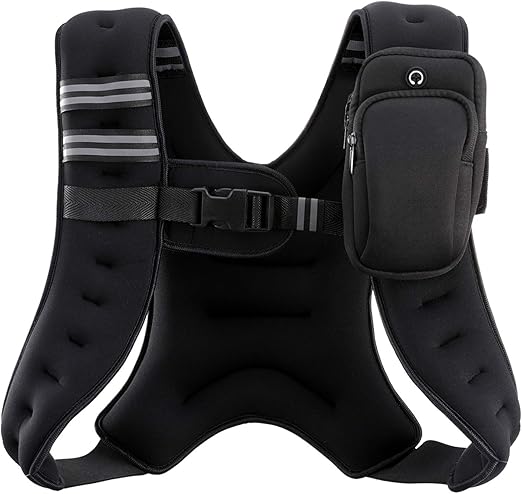
🏋️♂️ ZELUS Weighted Vest – Boost Your Workout Performance!
Available in 6lb to 30lb sizes with reflective stripes. Perfect for strength training, running, fitness, weightlifting, and weight loss.
💥 Get Yours Now for Under $32!
⚖️ Etekcity Digital Bathroom Scale – Precision You Can Trust!
Sleek design with a large blue backlit LCD, high-precision sensors, and durable 6mm tempered glass. Supports up to 400 lbs.
🔥 Shop Now for Under $149!When it comes to weight loss, one of the most common questions is how much protein one should consume on a daily basis. Protein plays a crucial role in our diets, not just for muscle building but also for weight management. It’s essential to understand the balance between protein intake and weight loss, especially with the myriad of diets and programs available today. In this article, we will explore how much protein is optimal for weight loss, the benefits of protein, and practical tips to integrate it into your daily meals. We will also answer your burning questions about protein intake and its role in achieving your weight loss goals.
Understanding Protein and Its Importance
Before diving into how much protein you should consume for weight loss, let’s first understand what protein is and why it’s important.
Protein is one of the three macronutrients, alongside carbohydrates and fats. It’s made up of amino acids, which are the building blocks of our body. Protein is vital for a variety of bodily functions:
- Muscle repair and growth
- Hormone production
- Immune function
- Transporting nutrients
- Maintaining healthy skin and hair
When you’re trying to lose weight, getting an adequate amount of protein is crucial. It can help maintain muscle mass while promoting fat loss, leading to a healthier body composition.
How Much Protein Do You Need to Lose Weight?
The amount of protein one should consume can vary based on multiple factors, including age, sex, activity level, and overall health. However, a general guideline for protein intake during weight loss is:
- 0.6 to 0.8 grams per pound of body weight (or 1.2 to 1.6 grams per kilogram).
- If you are very active or engage in resistance training, you might benefit from consuming up to 1 gram per pound of body weight.
For example, if you weigh 150 pounds and are looking to lose weight, a protein intake of about 90 to 120 grams per day would be advisable. This intake supports muscle preservation and promotes satiety, which can help control hunger and reduce overall calorie consumption.
The Benefits of Protein for Weight Loss
Now that you have a clearer idea of how much protein you should aim for, let’s discuss the specific benefits that protein brings to weight loss.
1. Increases Satiety
One of the key advantages of protein is its ability to keep you feeling full for longer periods. Foods rich in protein tend to be more filling than those high in fats or carbohydrates, which can help reduce caloric intake overall.
2. Preserves Muscle While Losing Fat
When you lose weight, it’s common to lose muscle as well as fat. A higher protein intake can help mitigate this issue by preserving lean muscle mass, ensuring that you achieve a healthier weight loss outcome.
3. Boosts Metabolism
The thermic effect of food (TEF) refers to the energy your body expends to digest, absorb, and metabolize nutrients. Protein has a higher TEF than fats or carbohydrates, meaning your body burns more calories processing protein, which can aid in overall weight loss.
4. Helps with Body Composition
By consuming adequate amounts of protein, you can improve your body composition. This means increasing muscle mass while reducing body fat, leading to a leaner look.
Practical Tips for Increasing Protein Intake
Now that you understand the importance of protein in your weight loss journey, here are some practical tips to help you increase your protein intake throughout the day:
1. Include Protein at Every Meal
Try to incorporate a source of protein at every meal and snack. This could include:
- Lean meats such as chicken, turkey, or fish
- Dairy products like yogurt, cheese, or milk
- Plant-based sources like beans, lentils, tofu, or tempeh
- Eggs or egg whites
2. Opt for High-Protein Snacks
Snacking can often derail weight loss efforts, so choose protein-rich snacks to keep you feeling satisfied. Some great options are:
- Greek yogurt with some berries
- Hummus with veggies or whole-grain crackers
- Protein bars or shakes (look for low-sugar options)
- Nuts or seeds
3. Meal Prep
Taking the time to plan your meals can help ensure you’re meeting your protein goals. Consider batch cooking or preparing larger portions of high-protein foods at the beginning of the week for easy meals later.
4. Utilize Protein Supplements Wisely
If you’re struggling to meet your protein needs through whole foods, protein supplements, such as whey or plant-based protein powders, can be a helpful addition. However, aim to prioritize whole food sources first and consider supplements as a secondary option.
Protein Timing for Optimal Results
The timing of your protein intake can also play a role in maximizing its benefits during weight loss. Here are a few tips regarding protein timing:
1. Distribute Your Protein Intake
Instead of consuming all your protein in one meal, aim to distribute your intake evenly throughout the day. This can help maintain muscle protein synthesis and keep you feeling full.
2. Post-Workout Recovery
Consuming protein after a workout can help with muscle recovery and growth. Aim to have a protein-rich snack or meal within 30 minutes to two hours after exercising.
Potential Risks of High Protein Diets
While protein is essential for weight loss, it’s important to consume it in moderation and from balanced sources. Here are some potential risks to consider:
- Kidney Damage: While high protein intake is usually safe for healthy individuals, those with pre-existing kidney conditions should consult a healthcare provider before making significant dietary changes.
- Nutritional Imbalance: Focusing too heavily on protein can lead to a deficiency in other important nutrients, such as carbohydrates and healthy fats.
- Digestive Issues: Some people may experience digestive discomfort when consuming large amounts of protein, especially from supplements or low-fiber sources.
It’s always best to find a balance that works for you and consult with a healthcare professional or nutritionist for personalized advice.
Conclusion
In conclusion, incorporating the right amount of protein into your daily diet can significantly aid in your weight loss journey. Aiming for 0.6 to 1 gram of protein per pound of body weight is a solid base to start, but individual needs may vary. Remember to include a variety of protein sources, distribute your intake throughout the day, and prioritize whole foods to support your overall health while achieving your weight loss goals. Embrace the power of protein, and let it work in your favor on your path to a healthier, more vibrant you!


Related Articles
Our HOME in English: Common questions about the requirements and approval difficulty for getting a personal Tea Weight Loss, especially regarding credit score

How Much Protein Per Day to Lose Weight?
When it comes to weight loss, understanding the role of protein is crucial. Many people wonder how much protein they should consume daily to shed pounds effectively. Consuming adequate protein can help boost metabolism, preserve lean muscle mass, and promote feelings of fullness. For those aiming to lose weight, the ideal protein intake generally ranges from 0.6 to 1.0 grams of protein per pound of body weight. However, individual needs may vary based on activity level, age, and overall health. This article provides essential information and answers to your burning questions about protein intake for weight loss.
Conclusion
With the right protein intake, you can achieve weight loss goals while maintaining your overall health. Aiming for 0.6 to 1.0 grams of protein per pound of body weight may be beneficial, especially if you engage in regular exercise. Incorporating protein-rich foods into your diet not only helps curb hunger but also boosts metabolism and supports muscle retention. Remember, balanced nutrition is key, so pair your protein sources with healthy carbohydrates and fats for optimal results. Start your weight loss journey today and consider integrating high-quality protein supplements to help you reach your goals faster and more efficiently!
FAQs
1. How much protein should I eat to lose weight?
For weight loss, aim for 0.6 to 1.0 grams of protein per pound of body weight. This helps with muscle maintenance and satiety.
2. Is too much protein harmful when losing weight?
Excessive protein can strain the kidneys and lead to dehydration. Stick to the recommended intake for safe weight loss.
3. Can I get enough protein from my diet alone?
Yes, a balanced diet with lean meats, dairy, legumes, and nuts can provide adequate protein without supplements.
4. Should I increase protein intake on workout days?
Yes, increasing protein intake on workout days can aid muscle recovery and support weight loss efforts.
5. What are good protein sources for weight loss?
- Chicken breast
- Fish
- Lentils
- Greek yogurt
- Nuts and seeds
6. How does protein help with weight loss?
Protein boosts metabolism, preserves muscle, and increases satiety, reducing overall calorie intake.
7. Can I lose weight on a low-protein diet?
While possible, it may lead to muscle loss and increased hunger, making weight management more challenging.
8. How do protein shakes fit into my diet?
Protein shakes can supplement your daily intake, especially when you’re busy or post-workout.
9. What’s the difference between whey and plant-based protein?
Whey protein is dairy-based and absorbed quickly, while plant-based protein, such as pea or soy, is suitable for vegans.
10. Are protein bars a good option for weight loss?
Protein bars can be convenient, but check for added sugars. Choose bars with a good protein-fiber ratio.
11. How quickly can I see results from increased protein intake?
Results vary but may be noticeable within a few weeks in terms of weight loss and muscle retention.
12. Is high protein intake suitable for everyone?
Most people benefit, but individuals with certain health conditions should consult a healthcare professional first.
13. Can I combine protein with carbs for weight loss?
Absolutely! Combining protein with healthy carbs can improve satiety and energy levels during weight loss.
14. How much protein should vegans consume?
Vegans should aim for 0.6 to 1.0 grams per pound, focusing on plant-based sources like lentils, chickpeas, and tofu.
15. Do I need to count protein grams for weight loss?
While tracking can be helpful, listening to your body’s hunger signals is equally important for a sustainable approach.


