
How much do I have to walk to lose 20 pounds?
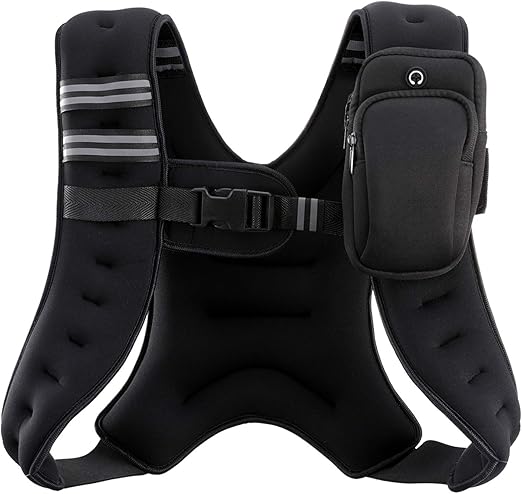
🏋️♂️ ZELUS Weighted Vest – Boost Your Workout Performance!
Available in 6lb to 30lb sizes with reflective stripes. Perfect for strength training, running, fitness, weightlifting, and weight loss.
💥 Get Yours Now for Under $32!
⚖️ Etekcity Digital Bathroom Scale – Precision You Can Trust!
Sleek design with a large blue backlit LCD, high-precision sensors, and durable 6mm tempered glass. Supports up to 400 lbs.
🔥 Shop Now for Under $149!How Much Do I Have to Walk to Lose 20 Pounds?
As you embark on your weight loss journey, you may find yourself asking, “How much do I have to walk to lose 20 pounds?” Walking is one of the most accessible and effective forms of exercise available. It requires no special equipment, can be done anywhere, and is suitable for nearly everyone. But how much walking is necessary to achieve significant weight loss? In this article, we’ll explore the science behind walking and weight loss, provide actionable walking strategies, and discuss the additional factors that contribute to reaching your goal of losing 20 pounds.
The Basics of Weight Loss
To successfully shed pounds, it’s essential to understand the fundamental concept of weight loss: you must burn more calories than you consume. This balance is crucial for achieving any weight loss goal, including losing 20 pounds. A pound of body weight roughly equates to 3,500 calories. To lose 20 pounds, you need to create a calorie deficit of about 70,000 calories.
Understanding Caloric Deficit
A caloric deficit can be achieved through a combination of reduced caloric intake and increased physical activity. Here are some ways to approach this:
- **Reducing calories**: By cutting about 500 calories from your daily intake, you can aim to lose approximately 1 pound per week.
- **Adding physical activity**: Incorporating exercise, like walking, helps you burn more calories, allowing for greater weight loss.
How Many Calories Does Walking Burn?
The number of calories burned while walking varies based on several factors, including your weight, walking speed, and duration of the activity. Here’s a rough estimate:
- A person weighing **155 pounds** burns about **140 calories** walking at a moderate pace (3.5 mph) for **30 minutes**.
- A person weighing **185 pounds** burns approximately **168 calories** walking at the same pace for the same duration.
- A person weighing **125 pounds** will burn around **120 calories** in the same time frame.
Calculating Your Walking Requirement
Now that we have a foundation, let’s calculate how much you’ll need to walk to lose those 20 pounds. If we consider that you need to burn about 70,000 calories to lose 20 pounds, you can start to see how walking can play a substantial role.
Creating a Walking Plan
Let’s break this down into manageable components:
- If you walk for **30 minutes** each day and burn approximately **140 calories**, you’ll burn around **980 calories per week**.
- If you continue this for **three months**, that accumulates to roughly **12,000 calories**, which means you could lose about **3.43 pounds** just from this walking routine.
Adjusting Your Walk to Meet Goals
To reach a target of losing **20 pounds**, you’ll need to either increase your walking duration or intensity. Here’s a sample plan:
- If you walk for **1 hour** at a moderate pace each day, you may burn around **280 to 300 calories**.
- At this rate, in **one month**, you could burn **8,400 calories**, translating to around **2.4 pounds** lost.
- To lose **20 pounds** in approximately **three months**, you may need to combine your walking regimen with dietary changes or other forms of exercise to accelerate your progress.
Factors Affecting Caloric Burn
Many factors influence how many calories you’ll burn while walking:
Body Weight
Your body weight plays a significant role in determining the number of calories burned. Heavier individuals tend to burn more calories because it requires more energy to move their mass.
Walking Speed
The quicker your pace, the more calories you will burn. Increasing your speed to a brisk walk (about 4.5 mph) can enhance your caloric burn. For example:
- A 155-pound person can burn about **334 calories** in one hour at this brisk pace.
- This translates to a significant calorie burn helping you reach your goal faster.
Terrain and Walk Conditions
Walking downhill versus uphill also affects calorie burn. Walking uphill is more intense and burns more calories compared to walking on flat ground.
Age and Gender
Your age and gender can also influence metabolic rate. Younger individuals and men tend to have a higher metabolic rate, making it easier to burn calories through activities like walking.
Incorporating Walking into Your Daily Life
To successfully lose 20 pounds through walking, it’s crucial to make this exercise a regular part of your life. Here are some tips to help you integrate walking effectively:
Set Realistic Goals
Start by gradually increasing your walking distance. Setting realistic goals will help you stay motivated without overwhelming yourself. Aim for:
- **Week 1**: Walk 20 minutes a day.
- **Week 2**: Increase to 30 minutes a day.
- **Week 3**: Progress to 45 minutes a day.
- **Week 4**: Aim for 1 hour a day.
Track Your Progress
Using a fitness tracker or smartphone app can help monitor your daily steps and distance, keeping you accountable. Aim for a daily goal of:
- **10,000 steps** – a widely accepted daily step goal.
- Consider using pedometers or apps that track your walking distances and times.
Incorporate Walking into Errands
Find innovative ways to walk more in your daily life. For example:
- **Take stairs** instead of elevators.
- **Park farther** away from store entrances.
- Opt for walking **instead of driving** for short trips.
Join Walking Groups
Finding a walking buddy or joining a walking group can make the experience more enjoyable. This social aspect can also provide motivation and accountability.
Enhancing Your Walking Routine
To maximize your weight loss and improve your overall fitness, consider these enhancements to your walking routine:
Include Interval Walking
Try alternating between fast and slow walking intervals. This not only increases your heart rate but can also lead to more calories burned:
- Walk at a moderate pace for **3 minutes**.
- Increase your pace for **1 minute**.
- Repeat this cycle for the duration of your walk.
Add Strength Training
Incorporate bodyweight exercises into your walking routine, such as:
- **Lunges** while walking.
- **Squats** at regular intervals.
- **Brisk marching** with high knees.
Nutrition and Walking
Walking alone may not be enough to achieve your 20-pound weight loss goal. Proper nutrition plays an equally important role. Here are some dietary tips:
Focus on a Balanced Diet
Incorporate a variety of nutrient-dense foods in your meals:
- **Fruits and vegetables**
- **Whole grains**
- **Lean proteins**
- **Healthy fats**
Monitor Your Portion Sizes
Understanding portion sizes can significantly help in reducing caloric intake. Try using smaller plates or serving sizes to control portions.
Stay Hydrated
Sometimes thirst is mistaken for hunger. Drink plenty of water throughout the day to stay hydrated and help manage appetite.
Long-Term Strategies for Success
Finally, remember that losing weight is often a long-term commitment, and maintaining a healthy lifestyle is key. Here are some strategies to ensure lasting success:
Stay Consistent
Perseverance is crucial. Even when results aren’t immediately visible, stay committed to your walking routine and dietary changes.
Mix It Up
Variety can keep your walking regimen exciting. Try new routes, listen to podcasts or audiobooks, or engage in different physical activities on off days.
Seek Professional Guidance
If you’re unsure where to start or how to structure your walking and diet plans, consider consulting with a healthcare provider or a registered dietitian for personalized guidance.
In Conclusion
Understanding how much you need to walk to lose 20 pounds boils down to being mindful of your overall caloric balance. By walking consistently, adjusting your diet, and incorporating strategies to enhance your routine, you can achieve your weight loss goals effectively. Walking is a powerful tool; with dedication and smart choices, you’ll not only reach your target weight but also enjoy the benefits of a healthier lifestyle.


Related Articles
Our HOME in English: Common questions about the requirements and approval difficulty for getting a personal Tea Weight Loss, especially regarding credit score

How Much Do I Have to Walk to Lose 20 Pounds?
If you’re looking to shed those extra pounds through walking, you’re not alone! Many Americans are eager to find effective and attainable ways to reach their weight loss goals. Walking is a fantastic low-impact exercise that can help you lose weight, improve your cardiovascular health, and increase your overall well-being. But how much should you walk to drop 20 pounds? This guide will provide you with the necessary insights to kick-start your journey effectively and sustainably.
Understanding Weight Loss Through Walking
To successfully lose weight, you need to create a calorie deficit. On average, walking burns about 100 calories per mile. Since a pound of body weight is approximately equal to 3,500 calories, losing 20 pounds requires a deficit of 70,000 calories total. To achieve this through walking:
- Walk about 700 miles to lose 20 pounds.
- This translates to around 15-20 miles a week, depending on your pace.
In addition to walking, it’s essential to pair your physical activity with healthy eating habits to maximize your results.
FAQ
How many calories do I burn walking for an hour?
On average, you burn between 300-400 calories per hour of walking, depending on your weight and walking speed.
Is walking enough to lose weight?
Yes, walking can be an effective weight loss exercise when combined with a balanced diet and other physical activities.
How fast should I walk to lose weight?
A brisk pace of 3.5 to 4 miles per hour is effective for weight loss while keeping the workout enjoyable.
Can I lose 20 pounds by just walking?
While walking can help you lose weight, combining it with supportive dietary changes will yield better results.
How many steps do I need to take daily to lose weight?
Aiming for 10,000 steps daily can help you achieve a significant calorie burn, aiding in weight loss efforts.
What is the best time of day to walk?
Walking at any time can be beneficial; however, many prefer mornings for increased energy and consistency.
How long should my walking sessions be?
Sessions of at least 30 minutes are ideal, but longer walks can amplify calorie burn and benefits.
Is walking beneficial for my mental health?
Absolutely! Walking can reduce stress, alleviate anxiety, and boost your mood through endorphin release.
Do I need special equipment to start walking for weight loss?
While good walking shoes are important, you don’t need any special equipment. Just wear comfortable clothing.
Should I walk on a treadmill or outdoors?
Walking outdoors can be more motivational and enjoyable, but treadmills offer consistency during any weather.
Can I walk after dinner for weight loss?
Walking after dinner can aid digestion and help burn extra calories, making it a great addition to your routine.
How often should I walk to see results?
Aiming for at least five days a week is recommended to see noticeable weight loss results.
How does walking compare to running for weight loss?
Walking is lower impact than running, making it suitable for most people, yet running burns more calories quicker.
Are there other exercises I should consider alongside walking?
Incorporating strength training and flexibility exercises can enhance overall fitness and weight loss efforts.
Can I lose weight walking alone without dietary changes?
You can lose weight by walking alone, but combining it with healthy eating speeds up the process and improves health.
Conclusion
In summary, walking can be an effective means to lose 20 pounds when done consistently and combined with a healthy diet. By aiming for a target of 15-20 miles per week and maintaining an active lifestyle, you’ll develop a sustainable plan that promotes weight loss and overall well-being. Remember, every step counts! So, get started today, and consider products like pedometers or supportive walking shoes to help you along the way. Your journey to a healthier you is just a walk away!


