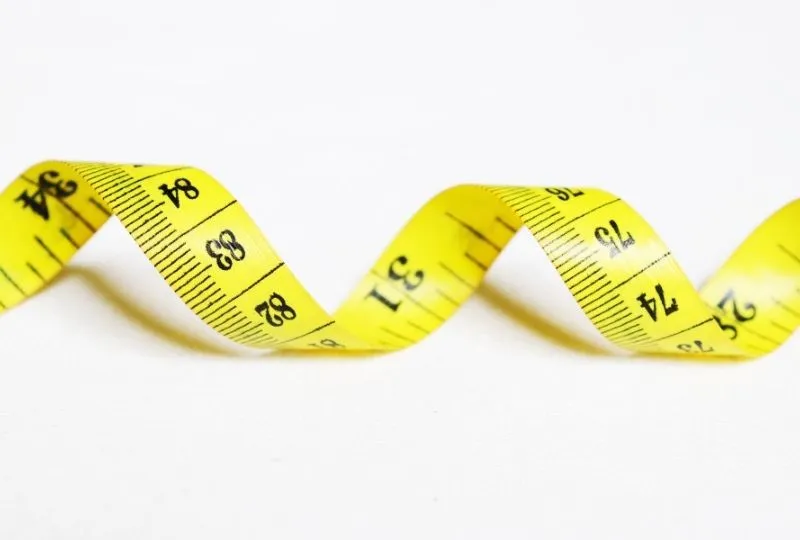
How many calories should I eat a day to lose 2 lbs a week?
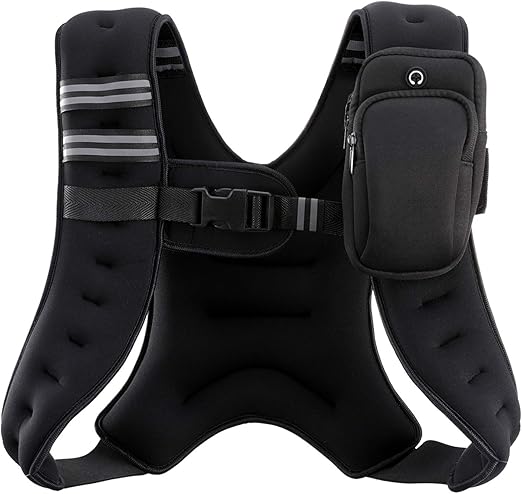
🏋️♂️ ZELUS Weighted Vest – Boost Your Workout Performance!
Available in 6lb to 30lb sizes with reflective stripes. Perfect for strength training, running, fitness, weightlifting, and weight loss.
💥 Get Yours Now for Under $32!
⚖️ Etekcity Digital Bathroom Scale – Precision You Can Trust!
Sleek design with a large blue backlit LCD, high-precision sensors, and durable 6mm tempered glass. Supports up to 400 lbs.
🔥 Shop Now for Under $149!How Many Calories Should I Eat a Day to Lose 2 lbs a Week?
Are you on a quest to shed some extra pounds and wondering how to effectively reach your weight loss goals? If you’re aiming to lose about 2 lbs a week, understanding your daily caloric intake is vital. In this article, we’ll dive into how many calories you should eat each day to accomplish this goal, why it matters, and how to best structure your diet to achieve sustainable results.
The Basics of Caloric Deficit
To lose weight, you must create a caloric deficit, meaning you consume fewer calories than your body burns. A pound of body weight is approximately equivalent to 3,500 calories. Therefore, to lose 2 lbs a week, you need to create a total deficit of 7,000 calories throughout the week. This breaks down to about 1,000 calories per day.
- 1 lb of fat = 3,500 calories
- To lose 2 lbs a week, aim for a total caloric deficit of 7,000 calories weekly.
- Daily caloric deficit required: 7,000 calories ÷ 7 days = 1,000 calories.
Calculating Your Maintenance Calories
Before you determine how many calories to consume for weight loss, you must first calculate your maintenance calories—the number of calories needed to maintain your current weight. You can use the following formula to estimate your Total Daily Energy Expenditure (TDEE):
- Basal Metabolic Rate (BMR): This represents the number of calories your body needs at rest. You can calculate your BMR using the Mifflin-St Jeor Equation:
- For men: BMR = 10 * weight (kg) + 6.25 * height (cm) – 5 * age (y) + 5
- For women: BMR = 10 * weight (kg) + 6.25 * height (cm) – 5 * age (y) – 161
- Activity Level: Multiply your BMR by an activity factor based on your daily activity level:
- Sedentary (little or no exercise): BMR x 1.2
- Lightly active (light exercise/sports 1-3 days a week): BMR x 1.375
- Moderately active (moderate exercise/sports 3-5 days a week): BMR x 1.55
- Very active (hard exercise/sports 6-7 days a week): BMR x 1.725
- Super active (very hard exercise, physical job, or training twice a day): BMR x 1.9
Once you have your TDEE, you can easily figure out how many calories you should eat to achieve your goal of losing weight.
Setting Your Caloric Intake for Weight Loss
To lose 2 lbs a week, you will need to consume 1,000 fewer calories than your TDEE. Here’s how to calculate it:
- Step 1: Calculate your TDEE using the above methods.
- Step 2: Subtract 1,000 calories from your TDEE to determine your target caloric intake.
Example Calculation
Let’s say a 35-year-old woman weighs 180 lbs, is 5 feet 6 inches tall, and performs moderate exercise 3-5 days a week. Here’s how to calculate her caloric needs:
- Step 1: Calculate BMR:
- Weight: 180 lbs = 81.65 kg
- Height: 5’6″ = 167.64 cm
- BMR = 10 * 81.65 + 6.25 * 167.64 – 5 * 35 – 161 = 1,607.5 calories
- Step 2: Determine TDEE:
- Moderately active: 1,607.5 x 1.55 = 2,487 calories
- Step 3: Calculate daily intake for weight loss:
- 2,487 – 1,000 = 1,487 calories per day
The Importance of Nutrient Quality
While the quantity of calories is crucial for weight loss, the quality of the calories you consume matters just as much. A balanced diet that includes a variety of nutrients will help you feel full and satisfied, reducing the chances of cravings and binge eating.
Key Nutrients to Include
- Protein: Helps in muscle repair and maintenance, supports satiety.
- Healthy Fats: Essential for hormonal balance and overall health; think avocados, nuts, and olive oil.
- Carbohydrates: Choose complex carbs, such as whole grains, fruits, and vegetables, for sustained energy.
Incorporating a variety of foods ensures you’re getting the necessary vitamins and minerals to support your overall health while losing weight.
Meal Planning Tips for Weight Loss
Creating a meal plan can help you stay on track with your calorie goals while ensuring you’re eating nutritious foods. Here are some practical tips:
- Plan Ahead: Dedicate some time each week to plan your meals. Having a solid plan in place will prevent impulsive eating decisions.
- Healthy Snacks: Keep fruits, nuts, or yogurt on hand to avoid unhealthy snacking.
- Portion Control: Use measuring cups or a food scale to ensure you’re not overeating, even with healthy foods.
- Stay Hydrated: Drinking water can help curb hunger and boost metabolism.
Example Day of Eating at 1,487 Calories
- Breakfast: Oatmeal with berries and a tablespoon of almond butter (300 calories)
- Snack: Greek yogurt with honey (150 calories)
- Lunch: Grilled chicken salad with mixed greens, tomato, and vinaigrette (400 calories)
- Snack: Apple with a tablespoon of peanut butter (200 calories)
- Dinner: Baked salmon with quinoa and steamed broccoli (437 calories)
This sample meal plan not only keeps you within your caloric limit but also provides a variety of nutrients to keep you healthy.
Monitoring Your Progress
Tracking your progress is essential for staying accountable and motivated. Use a journal, an app, or a fitness tracker to monitor your daily caloric intake and exercise. Consider taking body measurements and photos to visually see your changes over time.
Adjustments Based on Progress
Weight loss can sometimes plateau or slow down as your body adapts to lower calorie intake. If you find that you’re not losing weight consistently:
- Reassess Your TDEE: As you lose weight, your maintenance calories will decrease, so recalculating regularly is crucial.
- Incorporate More Physical Activity: Consider adding more exercise to increase your caloric deficit.
- Evaluate Your Diet: Look for hidden calories or snacks that might be derailing your progress.
Common Pitfalls to Avoid
While on your weight loss journey, it’s essential to be aware of common pitfalls that can hinder your progress:
- Underestimating Calorie Intake: Many people underestimate their caloric intake, which can sabotage results.
- Not Eating Enough: Consuming too few calories can lead to muscle loss and a slowing metabolism.
- Emotional Eating: Address emotional triggers that may lead to eating for reasons other than hunger.
Understanding and avoiding these issues will help you maintain a steady pace in achieving your weight loss goals.
Conclusion
Now that you have a better understanding of how many calories you should eat each day to lose 2 lbs a week, it’s time to put this information into action. Remember that every individual is unique, and it might take some experimentation to find the perfect caloric goal that works for you. With discipline, consistency, and the right support, you’re well on your way to reaching your weight loss targets.


Related Articles
Our HOME in English: Common questions about the requirements and approval difficulty for getting a personal Tea Weight Loss, especially regarding credit score

How Many Calories Should I Eat a Day to Lose 2 lbs a Week?
Are you wondering how many calories you need to consume daily to shed 2 pounds a week? If so, you’re not alone! Many people want to lose weight effectively while ensuring they stay healthy. Understanding caloric intake is crucial for weight loss, especially when targeting specific goals like losing 2 pounds weekly. The general rule is that to lose 1 pound, you need a deficit of approximately 3,500 calories. Therefore, a daily deficit of 1,000 calories can help you achieve a 2-pound weight loss each week. But how can you accurately determine your personal caloric needs? Let’s explore the details below.
Understanding Your Caloric Needs
To determine how many calories you should consume each day for effective weight loss, consider these factors:
- Your Basal Metabolic Rate (BMR): This is the number of calories your body needs at rest.
- Your activity level: More active individuals may require higher caloric intake.
- Age, sex, and weight: These factors can alter your daily caloric needs.
To lose weight safely, it’s important to avoid extreme calorie cuts and instead focus on a sustainable approach. Consider tracking your intake to stay on course.
Conclusion
Determining the right caloric intake to lose 2 pounds a week can be mastered with the right knowledge and tools. Understanding your BMR, activity level, and personal goals will help guide your daily calorie consumption. Remember, it’s not just about cutting calories; it’s about making smarter food choices that nourish your body. Implementing these strategies can not only assist in reaching your weight loss goal but can also foster long-term health benefits. Start your journey today, and enjoy healthier living!
FAQ
1. How do I calculate my BMR?
You can calculate your BMR using the Mifflin-St Jeor equation: For men, it’s 10 x weight (kg) + 6.25 x height (cm) – 5 x age (years) + 5; for women, it’s 10 x weight (kg) + 6.25 x height (cm) – 5 x age (years) – 161.
2. What if I’m very active? Should I consume more calories?
Yes! If you’re active, it’s essential to account for your activity level, as it increases your caloric needs. Use the Harris-Benedict equation to adjust your BMR based on your activity level.
3. Is 2 pounds a week a safe weight loss goal?
Losing 2 pounds a week is generally considered safe and sustainable for most individuals, though it’s important to ensure you’re still getting adequate nutrition.
4. Can I lose weight without counting calories?
Yes, using portion control and focusing on whole foods can help you lose weight without formally counting calories, but keeping track may offer more precision.
5. What types of foods should I focus on for weight loss?
Focus on whole foods like fruits, vegetables, lean proteins, whole grains, and healthy fats while avoiding processed and sugary foods.
6. Are there any specific diets recommended for weight loss?
Popular diets for weight loss include the Mediterranean diet, Paleo, low-carb diets, and the DASH diet. Choose one that fits your lifestyle.
7. How can I stay motivated during my weight loss journey?
Set realistic goals, find a support system, track your progress, and reward yourself for milestones to maintain motivation.
8. Do I need to exercise to lose weight?
While diet plays the biggest role in weight loss, exercise can accelerate results and improve overall health and fitness.
9. How important is hydration in weight loss?
Staying hydrated is crucial as it can help control hunger, improve metabolism, and support overall health during weight loss.
10. Can I lose weight by just reducing calories?
Yes, reducing calories can lead to weight loss, but ensuring a balanced diet that includes nutrients is essential for long-term success.
11. How often should I weigh myself?
It’s advisable to weigh yourself once a week to monitor progress without becoming overly focused on daily fluctuations.
12. Are there any supplements that can aid weight loss?
Some supplements may assist in weight loss, but always consult a healthcare professional before starting any regimen.
13. What’s the role of protein in weight loss?
Protein is vital for muscle preservation during weight loss, helps keep you full longer, and can enhance metabolism.
14. How can I handle cravings during my weight loss journey?
Identify triggers, keep healthy snacks on hand, and practice mindful eating to help manage cravings effectively.
15. How important is sleep for weight loss?
Quality sleep is crucial for weight loss as it regulates hormones that control appetite and metabolism, making it easier to maintain healthy habits.


