
How long does it take to walk 5 miles?
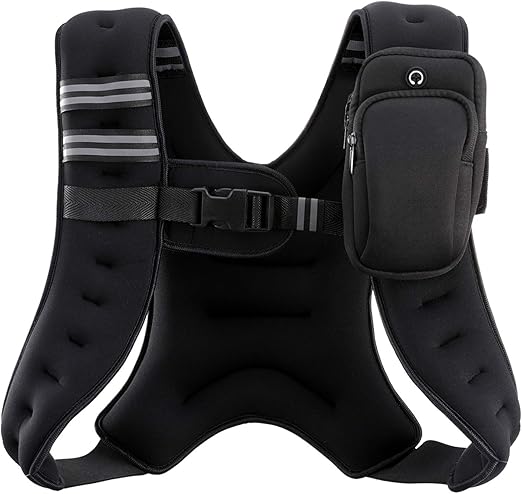
🏋️♂️ ZELUS Weighted Vest – Boost Your Workout Performance!
Available in 6lb to 30lb sizes with reflective stripes. Perfect for strength training, running, fitness, weightlifting, and weight loss.
💥 Get Yours Now for Under $32!
⚖️ Etekcity Digital Bathroom Scale – Precision You Can Trust!
Sleek design with a large blue backlit LCD, high-precision sensors, and durable 6mm tempered glass. Supports up to 400 lbs.
🔥 Shop Now for Under $149!How Long Does It Take to Walk 5 Miles?
Walking is one of the simplest and most effective ways to enhance your overall health, aid in weight loss, and clear your mind. Many people curious about walking often wonder, “How long does it take to walk 5 miles?” This article will delve deep into the factors affecting walking speed, the average time it typically takes to complete a 5-mile walk, and tips to improve your walking efficiency. Whether you’re a beginner hoping to incorporate exercise into your routine or an experienced walker looking to refine your pace, this guide will provide comprehensive information you need.
Understanding Walking Speed
Your walking speed can significantly impact how long it takes to walk a certain distance. On average, the typical walking speed for adults ranges from 3 to 4 miles per hour. However, several variables can influence your pace, including:
- Fitness Level: More active individuals often walk faster than those who are just starting.
- Age: Younger individuals tend to walk quicker compared to older adults.
- Terrain: Walking on flat surfaces is usually faster than walking uphill or on uneven ground.
- Weather Conditions: Rain, snow, heat, and humidity can affect walking speed.
- Purpose of Walk: Are you walking for exercise, leisure, or as a mode of transportation? The intent can certainly influence your speed.
Average Walking Duration for 5 Miles
To help you understand the time commitment, let’s break down the average durations based on typical walking speeds:
- If you walk at 3 mph: Approximately 1 hour and 40 minutes to complete 5 miles.
- If you walk at 3.5 mph: Around 1 hour and 25 minutes.
- If you walk at 4 mph: Roughly 1 hour and 15 minutes.
This demonstrates the range you can expect depending on how briskly you walk. Keep in mind, you can adjust your walking pace according to the purpose of your walk and your fitness level.
Factors Influencing Walking Time
The time it takes to walk 5 miles varies for several reasons, even beyond walking speed. Here are critical factors to consider:
1. Fitness Level
If you engage in regular physical activity, you’re likely to maintain a steadier pace, meaning you can expect to complete 5 miles faster than if you are sedentary or just starting to exercise.
2. Health Conditions
Health issues such as joint problems or cardiovascular conditions can affect walking speed. If you experience pain or fatigue, it’s essential to listen to your body and walk at a pace that feels comfortable.
3. Walking Technique
Your technique can also have a significant impact on how efficiently you walk. Good posture, efficient arm movement, and choosing the right shoes can enhance your speed.
Improving Your Walking Speed
Whether you’re looking to shed pounds, improve cardiovascular health, or simply enjoy the journey outdoors, increasing your walking speed can yield multiple benefits. Here are some tips to help you improve:
- Consistency is Key: Establish a regular walking routine a few times a week to build endurance.
- Interval Training: Incorporate intervals of brisk walking followed by slower, recovery phases.
- Proper Footwear: Invest in quality walking shoes designed for comfort and support; this can significantly boost your performance.
- Include Hills: Walking on inclines can develop muscle strength, making flat walks feel easier and faster.
- Stay Hydrated: Drink adequate water before, during, and after your walks to maintain stamina.
Walking as a Weight Loss Strategy
Walking can be an effective way to manage weight and improve overall health. Here’s how walking helps with weight loss:
Calories Burned While Walking
The number of calories you can burn during a 5-mile walk will depend largely on your weight and walking speed. Here’s a general idea of calories burned:
- At 3 mph: Average of 250-350 calories.
- At 3.5 mph: Roughly 300-400 calories.
- At 4 mph: Approximately 350-450 calories.
Walking helps create a calorie deficit, which is essential for weight loss. Combine your walks with a balanced diet, and you’ll see more significant results over time.
Walking for Mental Health
Besides physical benefits, walking offers impressive mental health perks. Engaging in a regular walking routine can:
- Reduce Stress: Physical activity releases endorphins, improving your mood.
- Boost Creativity: Many people find that walking helps them think more clearly and improves their problem-solving skills.
- Enhance Sleep Quality: Regular physical activity contributes positively to sleep patterns.
Choosing the Right Environment for Walking
The environment in which you walk can also affect your experience and speed. Here are some suggestions for choosing the best setting:
1. Parks and Trails
Natural environments can enhance your walking experience. Trails surrounded by nature provide not only beauty but also a peaceful setting, making it easier to enjoy longer walks.
2. Urban Settings
If you prefer an urban environment, ensure you pick safe routes that have designated walking paths. Sidewalks and pedestrian-friendly areas can make for great walks.
3. Indoor Walking Options
When weather conditions are less favorable, consider walking inside at a mall or gym. Indoor tracks can keep you on pace regardless of external conditions.
Challenges You May Face While Walking
Walking for exercise is generally straightforward, but there might be hurdles along the way. Awareness of potential challenges can prepare you to tackle them:
Weather Conditions
Extreme heat, cold, rain, or snow can hinder your walking plans. Dress appropriately, and consider walking during milder parts of the day.
Time Management
Finding time to walk can be challenging with busy schedules. Setting a specific time each day can help establish a routine that fits seamlessly into your lifestyle.
Lack of Motivation
Sometimes, maintaining motivation can be tricky. Consider finding a walking buddy or joining a local walking group to keep you accountable and motivated.
Walking Gear Essentials
To maximize your walking experience and performance, consider the following essentials:
- Comfortable Shoes: Choose well-fitted shoes that provide ample support for long walks.
- Weather-Appropriate Clothing: Dress in layers during colder months and lightweight fabrics when it’s hot.
- Water Bottle: Stay hydrated by carrying water, especially on longer walks.
- Fitness Tracker: Use devices or apps that track your distance, pace, and calories burned to monitor progress.
- Sunscreen and Sunglasses: Protect your skin and eyes when walking outdoors.
The Effects of Walking on Overall Health
Engaging in regular walking has numerous health benefits that extend beyond weight loss:
1. Cardiovascular Health
Walking strengthens your heart, lowers blood pressure, and improves circulation, contributing positively to overall heart health.
2. Improved Joint Health
Regular walking helps maintain healthy joints, reducing the risk of arthritis and other joint issues.
3. Enhanced Digestive Function
Walking can promote better digestion, aiding in the overall digestive process.
4. Increased Longevity
Research suggests that regular walkers tend to live longer and have a better quality of life compared to sedentary individuals.
Setting Personal Goals for Walking
To stay committed and make progress in your walking journey, set personal and achievable goals:
- Daily Steps Goal: Aim for a minimum of 10,000 steps per day.
- Consistency Goal: Set a target for days you wish to walk per week.
- Distance Goal: Gradually increase your walking distance by 10% each week.
- Pace Goal: Track your walking speed and aim to improve it over time.
Remember, the key to success is to set realistic goals and be kind to yourself during the journey.
Conclusion
Now that you have a clearer understanding of the factors affecting how long it takes to walk 5 miles, it’s time to lace up your shoes and get moving! Walking not only provides a solid workout but also enhances your mental well-being and offers a simple way to engage with your community and surroundings. Start small, maintain consistency, and enjoy the process. Happy walking!


Related Articles
Our HOME in English: Common questions about the requirements and approval difficulty for getting a personal Tea Weight Loss, especially regarding credit score

How Long Does It Take to Walk 5 Miles?
Walking is a wonderful way to stay active and can be a crucial part of any weight loss journey. Many people wonder just how long it takes to walk 5 miles. The time it takes depends on various factors, including your pace, terrain, and personal fitness level. On average, a moderate walking speed is about 3 to 4 miles per hour, which means you can expect to walk 5 miles in approximately 1.25 to 1.67 hours. However, even if you’re slower, every step counts toward your fitness goals.
Factors Influencing Walking Time
Several factors can affect your walking speed:
- Pace: Average walkers go about 3-4 mph.
- Terrain: Hills and trails can slow you down.
- Fitness Level: More fit individuals generally walk faster.
- Weather: Heat and cold can impact your speed.
Benefits of Walking for Weight Loss
Walking has numerous benefits for weight loss, including:
- Low Impact: Gentle on your joints.
- Accessibility: Can be done almost anywhere.
- Burning Calories: Helps create a calorie deficit.
- Boosting Mood: Releases endorphins, enhancing mental health.
Conclusion
In conclusion, the time it takes to walk 5 miles varies based on your walking speed and conditions. However, incorporating this simple activity into your routine can be highly effective for weight loss and overall health improvement. Remember, every minute spent walking contributes to your fitness goals! So why wait? Start walking today and consider investing in some comfortable walking shoes to enhance your experience. Let each step bring you closer to your weight loss journey and overall well-being!
FAQs
How long does it take to walk 5 miles at a slow pace?
At a slow pace of about 2 miles per hour, it would take approximately 2.5 hours to walk 5 miles.
Can walking help with weight loss?
Yes, walking is an effective way to burn calories, which can aid in weight loss when combined with a balanced diet.
What is a moderate walking speed?
A moderate walking speed is typically around 3 to 4 miles per hour.
Do I need special shoes for walking?
While not mandatory, wearing supportive walking shoes can enhance comfort and prevent injury.
How many calories do I burn walking 5 miles?
On average, you can burn between 400 to 600 calories walking 5 miles, depending on your weight and pace.
What is the best time of day to walk?
The best time to walk is when it fits into your schedule, whether in the morning, afternoon, or evening.
Is walking better for weight loss than running?
While running burns more calories, walking is easier on the joints and can be maintained for longer durations.
How can I increase my walking speed?
You can increase your walking speed by incorporating interval training or adding some hills to your route.
Should I walk every day for weight loss?
Yes, walking daily can significantly contribute to weight loss and overall fitness.
Can I lose weight just by walking?
Yes, walking can lead to weight loss, especially when paired with healthy eating habits.
How long should I walk each day to lose weight?
Aim for at least 30-60 minutes of walking per day for effective weight loss results.
What if I can’t walk for 30 minutes straight?
You can break your walk into shorter increments throughout the day to reach your goal.
Is it safe to walk 5 miles daily?
For most individuals, walking 5 miles daily is safe, but consult a healthcare provider if you have health concerns.
How do I stay motivated to walk regularly?
Set personal goals, track your progress, and find a walking buddy to help keep you motivated.
Can I listen to music while walking?
Yes, listening to music can make your walks more enjoyable and motivate you to keep going!


