
How long before bed should you stop eating?
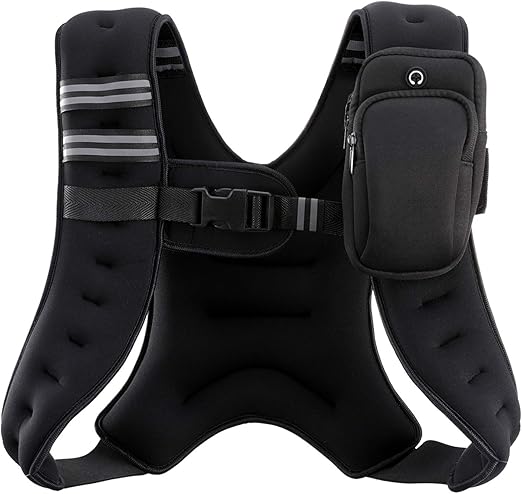
🏋️♂️ ZELUS Weighted Vest – Boost Your Workout Performance!
Available in 6lb to 30lb sizes with reflective stripes. Perfect for strength training, running, fitness, weightlifting, and weight loss.
💥 Get Yours Now for Under $32!
⚖️ Etekcity Digital Bathroom Scale – Precision You Can Trust!
Sleek design with a large blue backlit LCD, high-precision sensors, and durable 6mm tempered glass. Supports up to 400 lbs.
🔥 Shop Now for Under $149!How Long Before Bed Should You Stop Eating?
If you’ve ever wondered about the impact of late-night snacking on your health or weight loss goals, you’re not alone. Many people struggle with knowing when to call it quits at the dinner table, especially with the hustle and bustle of daily life influencing their eating habits. This article will dive into the science behind how long before bed you should stop eating, considering various factors such as digestion, weight management, and sleep quality. Understanding these elements can help you make more informed choices that align with your lifestyle.
The Science of Digestion
To understand when you should stop eating before bedtime, it’s essential first to grasp how our bodies digest food. When you eat, your body goes through several stages to break down and process the food, converting it into energy and nutrients. This process involves various organs—primarily the stomach and intestines—each playing a vital role. Here’s a quick breakdown of the digestion timeline:
- Stomach Emptying: After a meal, it typically takes around 2 to 4 hours for the stomach to empty its contents into the small intestine, depending on the type of food consumed.
- Small Intestine Processing: Most nutrient absorption occurs in the small intestine, where food can stay for about 3 to 6 hours.
- Colon Processing: Any remaining food waste then moves to the colon, where it may take anywhere from 24 hours to several days to be fully eliminated from the body.
Given this timeline, one may ask: how long before bed should you stop eating for optimal digestion and overall health?
General Recommendations for Eating Before Bed
Health experts often recommend that you stop eating about 2 to 3 hours before bedtime. This guideline allows your body to properly digest food before you lay down for a night of rest. Here are some reasons why this timeframe is emphasized:
Weight Management
When you eat late at night, especially heavy meals, your body is more likely to store excess calories as fat rather than use them for energy. This can lead to weight gain over time. Furthermore, late-night eating can disrupt your metabolic processes, making it harder to manage your weight effectively.
Impact on Sleep Quality
Eating too close to bedtime can interfere with your sleep. Heavy meals can cause discomfort, leading to sleep disturbances. The body is still working on digestion when you try to fall asleep, which may prevent you from reaching deeper stages of restorative sleep.
Blood Sugar Levels
Another important aspect to consider is blood sugar regulation. Eating a large meal late at night can cause spikes and crashes in blood sugar levels, which can disturb your sleep and lead to increased hunger in the morning. Over time, this can contribute to insulin resistance and other metabolic issues.
Types of Foods to Avoid Before Bed
What you eat is just as important as when you eat it. Certain foods can be more likely to disrupt your sleep or negatively affect digestion:
- Heavy or Fatty Foods: Foods high in fats take longer to digest, which can lead to discomfort when lying down.
- Spicy Foods: Spices can cause heartburn or indigestion in some people, disrupting sleep quality.
- Refined Carbs: Foods like white bread and pastries can lead to rapid spikes in blood sugar, resulting in energy crashes later on.
- Caffeinated Beverages: Coffee, tea, and energy drinks should ideally be avoided in the hours leading up to bedtime.
- Alcohol: While it may initially make you feel sleepy, alcohol can disrupt sleep patterns and impact the quality of your rest.
Healthy Late-Night Snacking Options
If you find yourself hungry before bed, it’s essential to choose wise snacks that won’t hinder your sleep or digestive health. Here are some healthy late-night snacking options:
- Greek Yogurt: High in protein and low in sugar, it can help you feel satisfied without being overly heavy.
- Banana: A natural source of magnesium and potassium, bananas can help relax muscles and encourage sleep.
- Oatmeal: A small serving of oatmeal can be comforting and filling, especially when prepared with milk or a sprinkle of cinnamon.
- Almonds: Rich in healthy fats and magnesium, almonds can promote relaxation and help you sleep better.
- Herbal Tea: Non-caffeinated teas, like chamomile or peppermint, can soothe your digestive system and promote relaxation.
The Role of Individual Differences
While the general guidelines provide a solid foundation, it’s essential to recognize the role of individual differences. Factors such as age, metabolism, overall health, and lifestyle can impact how long before bed you should eat:
Age and Metabolism
As we age, our metabolism tends to slow down, which can affect how quickly we digest food. Older adults may need to eat earlier in the evening to avoid discomfort and weight gain. Conversely, younger people with faster metabolisms may have more flexibility in their eating schedule.
Health Conditions
Individuals with specific health conditions, such as acid reflux, diabetes, or sleep disorders, may need to be particularly cautious about when they eat. For example:
- Acid Reflux: Those with this condition should ideally avoid eating 3 hours before bedtime to minimize nighttime symptoms.
- Diabetes: Managing blood sugar levels may require more frequent, smaller meals, making timing crucial for evening snacks.
- Sleep Disorders: People struggling with insomnia may benefit significantly from avoiding heavy meals late at night, helping their bodies unwind.
Listening to Your Body
Ultimately, the best guide for determining when to stop eating lies in tuning into your body’s signals. Here are some tips for being more in tune with your body:
- Recognize Hunger Cues: Learn to differentiate between true hunger and emotional eating. If you’re not genuinely hungry, it might be best to skip late-night snacks.
- Practice Mindful Eating: Focus on your food when you eat. Eating slowly enables your body to recognize fullness cues more effectively.
- Track Your Patterns: Keeping a food journal can help you identify any eating patterns that could be negatively affecting your sleep and overall well-being.
Adjusting Your Eating Schedule
For those who often find themselves hungry late at night, it might be beneficial to re-evaluate your overall eating schedule throughout the day. Consider the following adjustments:
- Incorporating Healthy Snacks: Small, healthy snacks throughout the day can help keep your hunger in check and prevent late-night cravings.
- Prioritizing Nutrient-Dense Meals: Ensuring your main meals are rich in protein, fiber, and healthy fats can promote satiety and reduce the likelihood of late-night eating.
- Setting a Regular Meal Schedule: Having set times for meals and snacks can help normalize your body’s hunger signals, making it easier to avoid eating too late.
The Importance of Routine
Establishing a bedtime routine goes hand-in-hand with your eating habits. Maintaining a consistent sleep schedule and bedtime ritual can greatly improve your overall wellness:
- Wind Down: Create a period of relaxation that helps your body prepare for sleep. This could involve reading, meditating, or light stretching.
- Avoid Screen Time: Try to limit exposure to screens at least one hour before bed, as blue light can interfere with your sleep hormone melatonin.
- Maintain a Comfortable Sleep Environment: Ensure your bedroom is dark, cool, and quiet for the best sleep experience.
In summary, while there’s no one-size-fits-all answer for how long before bed you should stop eating, understanding the science behind digestion, the impacts on your health, and the energy around your evening habits can help you make informed choices. By considering your personal circumstances and listening to your body, you can find an eating schedule that works best for you, ultimately improving your sleep quality and supporting your weight loss goals.


Related Articles
Our HOME in English: Common questions about the requirements and approval difficulty for getting a personal Tea Weight Loss, especially regarding credit score

How Long Before Bed Should You Stop Eating?
Whether you’re trying to lose weight or simply maintain a healthy lifestyle, understanding the timing of your meals can be crucial. A common question many people have is, “How long before bed should I stop eating?” This inquiry is essential for those aiming to manage their weight effectively. Eating too close to bedtime can disrupt sleep quality and metabolism, making weight loss more challenging. Recognizing the ideal eating window in the evening can pave the way for better health and optimal fat loss. However, it’s not just about when you stop eating; the types of foods consumed also play a significant role.
Key Considerations for Eating Before Bed
Research suggests that it is best to stop eating at least 2-3 hours before bedtime. Doing so allows your body to digest food properly and may improve sleep quality. Additionally, consider the following:
- Food Choices: Opt for lighter meals packed with nutrients.
- Portion Control: Smaller portions can aid digestion.
- Monitoring Snacking: Late-night snacks can lead to weight gain.
Conclusion
In conclusion, timing your meals is vital for effective weight management and achieving a sound night’s sleep. Aim to stop eating at least 2-3 hours before bed to support your weight loss efforts. By making mindful choices about when and what you eat, not only will you enhance your metabolism, but you also improve the quality of your sleep. Incorporating these practices can lead to lasting results in your weight loss journey. Consider tracking your eating habits and adjusting your evening routine to maximize your goals.
Frequently Asked Questions
1. Why is it important to stop eating before bed?
Stopping eating before bed helps in proper digestion, preventing discomfort and promoting better sleep quality. It minimizes late-night calorie intake, which can contribute to weight gain.
2. What is the best time to stop eating to lose weight?
Ideally, stop eating 2-3 hours before you go to sleep for optimal weight loss results and better digestion.
3. Does eating late affect sleep quality?
Yes, eating late can disrupt sleep as your body is busy digesting food, leading to indigestion and poorer sleep quality.
4. Can snacking before bed lead to weight gain?
Yes, late-night snacking often leads to consuming extra calories that can contribute to weight gain, especially if those snacks are high in sugar or fat.
5. What are some healthy late-night snack options?
If necessary, consider low-calorie options like Greek yogurt, almonds, or a piece of fruit to satisfy late-night cravings without heavy calories.
6. Does metabolism slow down at night?
Your metabolism naturally slows down as you prepare for sleep, making late-night eating less efficient for calorie burning.
7. Should I skip dinner to lose weight?
Skipping dinner is not advisable; instead, focus on portion control and healthy choices to support weight loss while ensuring proper nutrition.
8. How does meal timing affect my body’s insulin response?
Eating earlier helps regulate insulin levels better than eating closer to bedtime, supporting better metabolic health.
9. Is it better to eat breakfast or dinner for weight loss?
A balanced breakfast can kickstart your metabolism, whereas a lighter dinner can contribute positively to your weight loss efforts.
10. How can I make sure I don’t eat late at night?
Set a consistent eating schedule and establish a nighttime routine to signal to your body that it’s time to wind down.
11. Are there any exceptions to the 2-3 hour rule?
Yes, individual factors such as lifestyle, health conditions, and workout schedules may dictate changes to this guideline.
12. What if I’m hungry before bed?
If you’re genuinely hungry, opt for a light, healthy snack rather than a full meal to satisfy your hunger without overindulging.
13. How do sleep and weight loss affect each other?
Good sleep supports weight loss by regulating hunger hormones; poor sleep can increase cravings and promote weight gain.
14. What foods should I avoid before bed for better sleep?
Avoid large meals, caffeine, and high-sugar foods before bed, as they can hamper your sleep quality and disrupt digestion.
15. Can I drink water before bed?
Yes, staying hydrated is important, but try to limit large amounts of fluid intake shortly before bed to avoid sleep disruptions from bathroom visits.


