
How does fructose differ from glucose in weight gain?
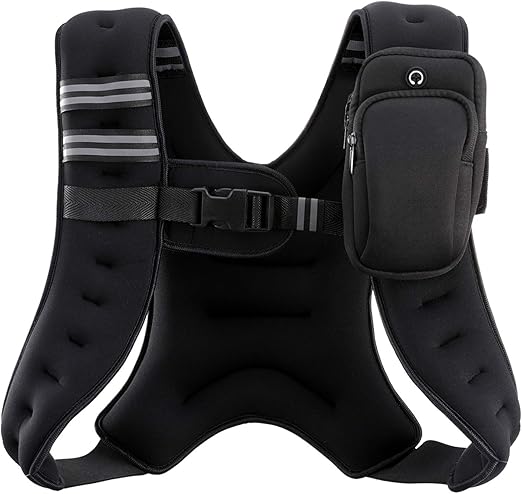
🏋️♂️ ZELUS Weighted Vest – Boost Your Workout Performance!
Available in 6lb to 30lb sizes with reflective stripes. Perfect for strength training, running, fitness, weightlifting, and weight loss.
💥 Get Yours Now for Under $32!
⚖️ Etekcity Digital Bathroom Scale – Precision You Can Trust!
Sleek design with a large blue backlit LCD, high-precision sensors, and durable 6mm tempered glass. Supports up to 400 lbs.
🔥 Shop Now for Under $149!How Does Fructose Differ from Glucose in Weight Gain?
In today’s world, the quest for effective weight management often leads to a careful examination of our diets, particularly our sugar intake. Among the different types of sugars, fructose and glucose have sparked significant interest, particularly regarding their roles in weight gain. Understanding how these two sugars differ can empower you to make informed dietary choices. This article will delve into the metabolic pathways of fructose and glucose, how they affect hunger and satiety, and their overall impact on weight gain.
What Are Fructose and Glucose?
Before we explore their differences, it’s important to understand what fructose and glucose are.
- Glucose: A simple sugar that is a primary energy source for the body. It is found in many foods and is often referred to as blood sugar.
- Fructose: A simple sugar found in many fruits, honey, and root vegetables. It often occurs in our diets as part of sucrose (table sugar) or high-fructose corn syrup (HFCS).
The Metabolic Pathways of Glucose and Fructose
The way your body metabolizes fructose and glucose is fundamentally different, which plays a crucial role in understanding how each contributes to weight gain.
Metabolism of Glucose
When you consume glucose, it is readily absorbed into the bloodstream. This triggers the release of insulin, a hormone that helps cells take up glucose for energy. Here’s how it works:
- Consumed glucose enters the bloodstream.
- This increase in blood sugar levels signals the pancreas to release insulin.
- Insulin helps cells absorb glucose, reducing blood sugar levels.
- Any excess glucose is converted to glycogen (stored in the liver and muscles) or fat.
This efficient process means that glucose consumption can lead to immediate energy use and less likelihood of it being stored as fat when balanced within a healthy diet.
Metabolism of Fructose
Fructose metabolism, on the other hand, is quite different. Here’s a breakdown:
- Fructose is primarily metabolized in the liver.
- Unlike glucose, fructose does not trigger a significant insulin response.
- Instead, fructose is converted into fatty acids and eventually contributes to fat formation.
This unique metabolic process can lead to an increase in body fat, particularly in the liver, which may result in non-alcoholic fatty liver disease over time.
The Effects on Hunger and Satiety
Your body’s response to fructose and glucose significantly affects appetite regulation. Here’s how:
Glucose and Appetite Control
Consuming glucose can promote feelings of fullness and satisfaction due to its influence on hormones:
- Insulin: Helps regulate blood sugar levels and has a role in signaling satiety.
- Leptin: Produced by fat cells, leptin signals the brain to reduce hunger when energy stores are adequate.
This means that a meal containing glucose can help suppress your appetite and prevent overeating.
Fructose and Appetite Control
In contrast, fructose may not activate the same hormonal responses, leading to different outcomes:
- Fructose does not stimulate the release of insulin, which means it bypasses some of the metabolic cues that signal fullness.
- This lack of feedback can lead to greater overall caloric intake since one may not feel as satisfied after consuming fructose-rich foods or beverages.
As a result, diets high in fructose may contribute to increased weight gain due to prolonged feelings of hunger and less effective appetite regulation.
Fructose in Processed Foods
In the American diet, high-fructose corn syrup (HFCS) has made its way into a range of processed foods and beverages, substantially increasing fructose consumption.
Sources of Fructose
Some of the primary sources of fructose, especially in processed forms, include:
- Soft drinks
- Sweetened snacks
- Candies
- Fruit juices with added sugars
- Packaged desserts
These items are not only often high in calories but also lacking in essential nutrients, which can contribute to weight gain beyond just the sugar content.
Health Implications of Excess Fructose Consumption
Beyond weight gain, excessive fructose consumption carries various health implications:
- Increased Fat Storage: As mentioned, fructose is processed into fat in the liver and can lead to increased body fat, especially around the abdomen.
- Insulin Resistance: Regular high fructose consumption may contribute to insulin resistance, increasing the risk of type 2 diabetes.
- Heart Disease Risk: Increased levels of fat in the liver can lead to lipid abnormalities, raising the risk of cardiovascular diseases.
- Non-Alcoholic Fatty Liver Disease: High fructose intake is linked to this increasingly common condition resulting from excessive fat accumulation in the liver.
Practical Tips for Reducing Fructose Intake
- Read Labels: Be vigilant about checking food labels for HFCS and other forms of added sugars.
- Limit Sugary Drinks: Instead of sodas and sugary fruit juices, opt for water, herbal teas, or sparkling water with fresh lemon.
- Choose Whole Fruits: Whole fruits contain fiber, which helps slow sugar absorption and improve satiety.
- Cook at Home: Preparing your meals allows you to control the ingredients, making it easier to avoid added sugars.
- Gradually Reduce Sugar: If you have a sweet tooth, consider gradually reducing your sugar intake to make the transition easier.
The Bottom Line on Fructose and Glucose
Understanding the differences between fructose and glucose is key for anyone looking to manage their weight effectively. While both sugars can contribute to caloric intake, their metabolic pathways and effects on hunger regulation differ significantly.
Glucose supports satiety and efficient energy use, while fructose can lead to increased fat storage and hunger, particularly when consumed in excess. Interpreting food labels, favoring whole fruits, and keeping a close eye on processed foods will help you mitigate fructose intake. By making conscious dietary choices, you can take control of your weight and overall health.


Related Articles
Our HOME in English: Common questions about the requirements and approval difficulty for getting a personal Tea Burn Weight Loss, especially regarding credit score – see more about Tea Burn Here

How Fructose Differs from Glucose in Weight Gain
Understanding the differences between fructose and glucose is crucial for anyone looking to manage their weight effectively. While both are sugars, they metabolize differently in the body, affecting how they contribute to weight gain. Glucose increases insulin levels, promoting fat storage, while fructose primarily metabolizes in the liver, often leading to fat accumulation. This distinction is vital for those aiming to cut out sugar to support their weight loss journey. By choosing to lower fructose intake, particularly from sugary beverages and processed foods, you can pave the way for healthier choices and effective weight management.
Conclusion
In conclusion, moderate fructose consumption is important for weight management. Unlike glucose, fructose can lead to increased fat accumulation, particularly when consumed in large amounts found in processed sugars. Understanding how these sugars affect your body can guide your dietary choices and enhance your weight loss efforts. By cutting down on sugar, especially added sugars high in fructose, you can improve your health, reduce weight, and ultimately achieve your fitness goals. Remember, making informed choices about sugar isn’t just about cutting calories—it’s about choosing the right types of sugar to support your weight loss journey.
FAQ
1. What is fructose?
Fructose is a simple sugar found naturally in fruits and honey, often referred to as fruit sugar. It is sweeter than glucose and is commonly added to processed foods.
2. How does glucose affect weight gain?
Glucose raises insulin levels, which is a hormone that encourages fat storage in the body, potentially contributing to weight gain when consumed in excess.
3. Does fructose lead to weight gain?
Yes, excessive fructose consumption can lead to weight gain, particularly because it can increase fat accumulation in the liver.
4. Which is worse for weight gain: fructose or glucose?
Fructose is often considered worse because it can lead to fat buildup in the liver and doesn’t stimulate insulin release as strongly as glucose.
5. Can cutting out sugar lead to weight loss?
Yes, cutting out added sugars and reducing overall sugar intake can help create a calorie deficit, leading to weight loss.
6. Are all sugars the same for weight gain?
No, different sugars metabolize differently. Fructose, in large amounts, can promote fat storage more than glucose.
7. What foods contain high fructose corn syrup?
High fructose corn syrup is often found in soft drinks, candy, baked goods, and many processed foods.
8. Is fruit high in fructose bad for you?
Fruits contain fructose but also provide fiber and nutrients. They are generally healthy when consumed in moderation.
9. Can fructose cause insulin resistance?
Excessive fructose consumption can contribute to insulin resistance, a risk factor for obesity and diabetes.
10. Does sugar-free mean calorie-free?
No, sugar-free products can still contain calories, often from other ingredients such as fats or carbohydrates.
11. How can I reduce my sugar intake effectively?
Start by cutting sugary drinks, choosing whole foods over processed ones, and reading labels for added sugars.
12. Are artificial sweeteners a good alternative to sugar?
While they reduce calorie intake, their health effects are debated. Moderation is key.
13. Can sugar cravings affect weight loss?
Yes, intense sugar cravings can lead to overeating, making it difficult to achieve weight loss goals.
14. What role does fiber play in managing sugar intake?
Fiber slows down sugar absorption, helping regulate blood sugar levels and reducing cravings, supporting weight management.
15. How does fructose affect metabolism?
Fructose is metabolized in the liver, where it can be converted to fat rather than used for energy, potentially affecting metabolism negatively.
16. How much fructose is safe to consume?
Moderation is key; most experts recommend limiting added sugars, including fructose, to less than 10% of daily calories.
17. Can drinking fruit juice lead to weight gain?
Yes, fruit juices often contain high amounts of fructose with negligible fiber, leading to potential weight gain if consumed excessively.
18. What is the link between fructose and liver health?
Excessive fructose can lead to fatty liver disease due to the way it is metabolized in the liver.
19. Is honey better than sugar for weight loss?
While honey is a natural sweetener, it’s still high in fructose and should be consumed in moderation, just like sugar.
20. Can cutting out sugar help with energy levels?
Yes, reducing sugar can stabilize blood sugar levels, preventing energy crashes related to excessive sugar intake.
21. Are high-fructose diets linked to obesity?
Yes, high-fructose diets are correlated with increased obesity rates due to their impact on fat storage and appetite regulation.
22. What are some low-sugar alternatives to snacks?
- Nuts
- Greek yogurt
- Vegetables with hummus
23. Can I lose weight while eating sugar?
Yes, but it’s important to limit sugar intake and focus on overall calorie balance and nutrient-dense foods.
24. Why does sugar make me crave more sugar?
Sugar can trigger dopamine release in the brain, leading to further cravings and a cycle of increased consumption.
25. How can I satisfy my sweet tooth without sugar?
- Fresh fruits
- Dark chocolate (in moderation)
- Homemade smoothies with natural sweeteners


