
How do you start to lose weight?
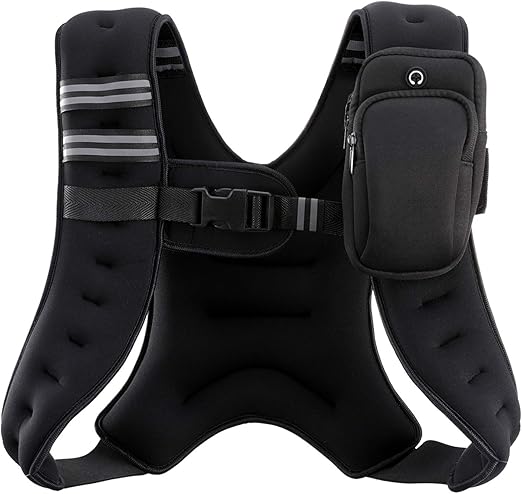
🏋️♂️ ZELUS Weighted Vest – Boost Your Workout Performance!
Available in 6lb to 30lb sizes with reflective stripes. Perfect for strength training, running, fitness, weightlifting, and weight loss.
💥 Get Yours Now for Under $32!
⚖️ Etekcity Digital Bathroom Scale – Precision You Can Trust!
Sleek design with a large blue backlit LCD, high-precision sensors, and durable 6mm tempered glass. Supports up to 400 lbs.
🔥 Shop Now for Under $149!How Do You Start to Lose Weight?
If you’re wondering how to start losing weight, you’re not alone. Many individuals embark on this journey in search of better health, increased energy, and improved self-esteem. However, with an overwhelming amount of information available, it can be challenging to distinguish effective strategies from fleeting trends. In this article, we’ll guide you through the essential steps to kickstart your weight loss journey, from understanding the basics of calorie intake to implementing sustainable lifestyle changes.
Understanding Caloric Balance
The foundation of weight loss lies in understanding caloric balance. Simply put, you need to consume fewer calories than your body expends. This concept is often summarized in the equation:
- Calories In < Calories Out = Weight Loss
To begin your weight loss journey, it’s crucial to determine your daily caloric needs. You can calculate this using various online tools or a simple formula:
Calculating Your Basal Metabolic Rate (BMR)
Your BMR represents the number of calories your body needs to perform basic functions at rest. Factors that influence your BMR include:
- Age
- Gender
- Weight
- Height
- Body composition
Once you’ve calculated your BMR, you can use it to determine your Total Daily Energy Expenditure (TDEE), which factors in your activity level:
- Sedentary (little or no exercise): BMR x 1.2
- Lightly active (light exercise/sports 1-3 days a week): BMR x 1.375
- Moderately active (moderate exercise/sports 3-5 days a week): BMR x 1.55
- Very active (hard exercise/sports 6-7 days a week): BMR x 1.725
- Super active (very hard exercise/physical job): BMR x 1.9
To lose weight, aim to consume fewer calories than your TDEE. A deficit of 500–1000 calories per day can lead to a safe weight loss of about 1 to 2 pounds per week.
Setting Realistic Goals
Having clear, achievable goals can significantly enhance your motivation and commitment. Instead of aiming for drastic changes, focus on sustainable progress.
SMART Goals
Utilize the SMART criteria to set effective goals:
- Specific: Define a clear target (e.g., “I want to lose 10 pounds in 3 months”).
- Measurable: Track progress with regular weigh-ins and measurements.
- Achievable: Ensure your goal is realistic given your starting point.
- Relevant: Align your goal with your overall health objectives.
- Time-bound: Set a deadline to create urgency.
Creating a Healthy Eating Plan
What you eat plays a crucial role in your weight loss journey. Here are several effective strategies for building a healthy eating plan:
Incorporate Whole Foods
Focus on whole, unprocessed foods that provide essential nutrients. This includes:
- Fruits and vegetables
- Whole grains (quinoa, brown rice, oats)
- Lean proteins (chicken, fish, beans, tofu)
- Healthy fats (avocado, nuts, olive oil)
Control Portion Sizes
Understanding portion sizes can prevent overeating, even when consuming healthy foods. Here are some tips:
- Use smaller plates to help control portion sizes.
- Measure serving sizes as needed until you can estimate accurately.
- Listen to your body’s hunger cues, eating until you are satisfied, not stuffed.
Plan Your Meals and Snacks
Meal prepping can ensure you have healthy options available and help you resist the temptation of unhealthy snacks.
- Prepare meals for the week ahead on weekends.
- Choose easy, nutritious recipes that align with your weight loss goals.
- Have healthy snacks on hand, such as fruit, nuts, or yogurt.
Incorporating Physical Activity
Exercise complements your diet and plays a key role in weight loss. Here’s how to get started:
Find Activities You Enjoy
Choose activities that are enjoyable, as they are more likely to become a consistent part of your routine. Consider:
- Walking or jogging
- Cycling
- Dancing
- Swimming
- Group fitness classes
Build a Workout Routine
Incorporate both cardiovascular and strength training into your routine:
- Cardio: Aim for at least 150 minutes of moderate aerobic exercise weekly.
- Strength Training: Engage in muscle-strengthening activities on two or more days a week.
Set a Regular Schedule
Establishing a workout schedule can create consistency. Aim to exercise on the same days each week, and consider journaling your progress to keep yourself accountable.
Monitoring Your Progress
Tracking your progress can keep you motivated and help identify areas for improvement. Here are some effective methods:
Weigh-Ins
Regularly weigh yourself to monitor your progress. Consider the following:
- Weigh yourself once a week at the same time of day.
- Keep in mind that weight can fluctuate due to many factors.
Keep a Food Diary
Maintaining a food diary can increase awareness of your eating habits. This practice includes:
- Logging everything you eat and drink.
- Reflecting on your hunger levels and emotional eating triggers.
Celebrate Small Wins
Recognize and reward your achievements, no matter how small. Whether it’s losing a few pounds or simply sticking to your exercise plan for a week, celebrating can reinforce positive behaviors.
Overcoming Challenges
Every weight loss journey comes with challenges. Here are strategies to help you overcome potential obstacles:
Manage Cravings
Cravings are natural, but there are ways to manage them:
- Stay hydrated; sometimes thirst is mistaken for hunger.
- Eat balanced meals to stay fuller for longer.
- Don’t restrict your favorite foods entirely—moderation is key.
Dealing with Setbacks
Setbacks can be disheartening but are part of the process. Keep these points in mind:
- Reflect on what led to the setback and learn from it.
- Stay focused on your long-term goals; progress is not always linear.
Seek Support
Consider joining a weight loss group, enlisting a workout buddy, or consulting with a registered dietitian or personal trainer. Having support can bolster your motivation.
Prioritizing Mental Health
Weight loss is as much a mental challenge as it is a physical one. Strategies for maintaining a positive mindset include:
- Practice mindfulness and stress-reduction techniques such as yoga or meditation.
- Surround yourself with positive influences, both online and offline.
- Focus on non-scale victories, like increased energy and improved mood.
Conclusion
Starting your weight loss journey can be a fulfilling adventure, filled with opportunities for personal growth and health improvement. By understanding caloric balance, setting realistic goals, embracing a nutritious eating plan, incorporating physical activity, and maintaining a positive mindset, you can make meaningful progress toward your weight loss objectives. Remember, it’s a marathon, not a sprint—every step you take brings you closer to a healthier you!


Related Articles
Our HOME in English: Common questions about the requirements and approval difficulty for getting a personal Tea Weight Loss, especially regarding credit score

How Do You Start to Lose Weight?
Starting your weight loss journey can feel overwhelming, but with the right approach, it’s achievable and sustainable. The first step involves understanding your body’s unique needs, setting realistic goals, and adopting healthier habits. Focus on creating a balanced diet that includes whole foods, engaging in regular physical activity, and ensuring you stay hydrated. It’s also crucial to cultivate a supportive environment and mindset. By making gradual changes rather than drastic ones, you’ll find it easier to maintain your progress. With determination and the right resources, you can successfully work towards your weight loss goals!
Conclusion
In conclusion, losing weight starts with a commitment to understanding your lifestyle and making small, impactful changes. By focusing on a balanced diet and regular exercise, you’re setting the foundation for a healthier you. It’s essential to be patient and kind to yourself throughout this journey. Remember, lasting weight loss is not just about the numbers on the scale but about fostering a healthier relationship with food and your body. If you’re ready to jumpstart your weight loss journey, consider investing in tools or products that align with your goals and support your progress.
FAQs
What are the first steps to lose weight?
The first steps include setting specific goals, creating a balanced meal plan, tracking your food intake, and starting a regular exercise routine.
How can I lose weight without exercising?
You can lose weight by focusing on diet changes, such as reducing calorie intake and eating nutrient-dense foods, while also managing portion sizes.
What foods should I avoid when trying to lose weight?
Avoid processed foods, sugary drinks, high-calorie snacks, and excessive amounts of fats and sugars that offer little nutrition.
How many calories do I need to eat to lose weight?
This depends on your age, gender, weight, and activity level. Generally, a deficit of 500-1000 calories per day can lead to safe weight loss.
Is intermittent fasting effective for weight loss?
Yes, many find intermittent fasting effective as it helps reduce calorie intake and can improve metabolic health, making weight loss easier.
How much weight can I lose in a month?
It’s healthy to aim for 1-2 pounds per week, translating to about 4-8 pounds a month, depending on individual factors.
Are weight loss supplements effective?
Some supplements may aid weight loss when combined with diet and exercise, but it’s essential to choose safe and clinically-tested options.
How can I stay motivated while losing weight?
Set small, achievable goals, track your progress, find a support group, and celebrate your milestones to maintain motivation.
Is it necessary to count calories?
While not strictly necessary, counting calories can help you understand portions and food choices, making it easier to stay within your target range.
What role does sleep play in weight loss?
Good sleep is crucial; insufficient sleep can disrupt hormones that regulate hunger and appetite, making weight loss more challenging.
How can I deal with cravings?
Identify triggers, eat balanced meals to maintain stable blood sugar, and choose healthier alternatives to satisfy cravings without overindulging.
Can drinking water help with weight loss?
Yes, drinking water can enhance metabolism, help control hunger, and replace high-calorie beverages, supporting your weight loss efforts.
What are the best exercises for weight loss?
Cardio exercises like running, swimming, cycling, and strength training are effective for burning calories and building muscle, aiding weight loss.
Is it okay to skip meals to lose weight?
Skipping meals is not recommended, as it can lead to overeating later and disrupt your metabolism; focus on regular, balanced meals instead.
How important is portion control in weight loss?
Portion control is essential for managing calorie intake, helping you enjoy your favorite foods without exceeding your daily limits.


