
How do I lose 40 pounds in 3 months?
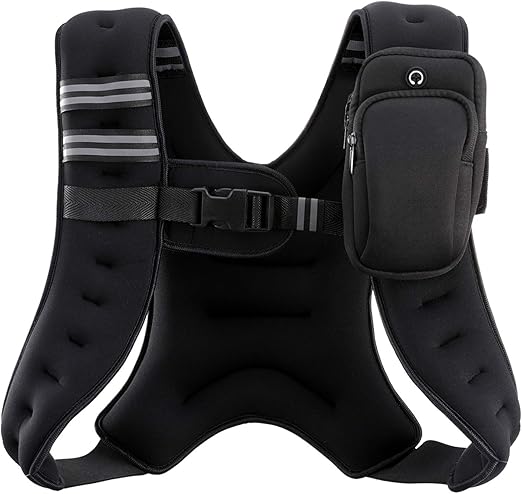
🏋️♂️ ZELUS Weighted Vest – Boost Your Workout Performance!
Available in 6lb to 30lb sizes with reflective stripes. Perfect for strength training, running, fitness, weightlifting, and weight loss.
💥 Get Yours Now for Under $32!
⚖️ Etekcity Digital Bathroom Scale – Precision You Can Trust!
Sleek design with a large blue backlit LCD, high-precision sensors, and durable 6mm tempered glass. Supports up to 400 lbs.
🔥 Shop Now for Under $149!
Are you looking to transform your body and achieve your weight loss goals? Losing 40 pounds in just three months is a challenging yet achievable goal, and it requires dedication, determination, and a well-structured plan. This article will guide you through effective strategies, lifestyle changes, and practical tips to help you reach your target safely and sustainably. Whether you’re preparing for a special event or just want to enhance your health, we’ll cover the essential steps to embark on your weight loss journey.
Setting Realistic Goals
Before you start on your weight loss journey, it’s crucial to have clear and realistic goals. Losing 40 pounds in three months means you need to shed approximately 10 pounds per month or about 2.5 pounds per week. This is a substantial amount, and while challenging, it is possible with the right approach.
The Importance of a Healthy Mindset
Your mindset plays a significant role in weight loss. Adopting a positive outlook can help you stay motivated and committed. Here are some tips to cultivate a healthy mindset:
- Visualize your success: Picture yourself achieving your weight loss goal.
- Stay motivated: Keep a journal of your progress and celebrate milestones.
- Be patient: Understand that weight loss takes time and effort.
Strategizing Your Diet Plan
Your diet is one of the most critical components of weight loss. To lose 40 pounds in three months, you’ll need to create a calorie deficit through dietary changes.
Calculating Your Caloric Needs
Calculating your Basal Metabolic Rate (BMR) and your Total Daily Energy Expenditure (TDEE) can give you insights into how many calories you burn daily. Here’s how to do it:
- BMR: This is the number of calories your body needs at rest. Use the Mifflin-St Jeor equation to calculate it:
- For men: 10 * weight (kg) + 6.25 * height (cm) – 5 * age (y) + 5
- For women: 10 * weight (kg) + 6.25 * height (cm) – 5 * age (y) – 161
- TDEE: Multiply your BMR by your activity level (sedentary, lightly active, moderately active, very active).
To lose weight, aim to consume fewer calories than your TDEE. A deficit of 500 to 1000 calories per day can help you lose 1 to 2 pounds per week.
Choosing the Right Foods
Adopting a balanced diet is essential to losing weight. Focus on incorporating whole, nutrient-dense foods into your meals. Here are some key components:
- Fruits and vegetables: Aim for a variety of colors to maximize nutrients.
- Lean proteins: Include chicken, turkey, tofu, beans, and legumes.
- Whole grains: Swap refined grains for quinoa, brown rice, and whole-grain bread.
- Healthy fats: Incorporate avocados, nuts, and olive oil.
Portion Control and Mindful Eating
Understanding portion sizes is critical in managing your caloric intake. Use the following strategies to control your portions:
- Eat from smaller plates: This can trick your mind into feeling fuller with less food.
- Practice mindful eating: Slow down and savor your meals, paying attention to hunger and fullness signals.
- Keep a food diary: Logging your meals can help you identify patterns and stay accountable.
Incorporating Exercise into Your Routine
Exercise complements your diet and is essential for losing weight efficiently. A mix of cardio and strength training can yield significant results.
Cardiovascular Exercise
Cardio helps burn calories and improve heart health. Aim for at least 150–300 minutes of moderate-intensity cardio each week. Here are some effective cardio exercises:
- Walking: A simple yet effective way to get your heart rate up.
- Running: Great for burning calories quickly.
- Cycling: A low-impact way to get your cardio in.
- Swimming: Excellent for those with joint issues.
- HIIT: High-Intensity Interval Training is efficient for burning fat in a short time.
Strength Training
Building muscle helps increase your metabolism and burn more calories at rest. Incorporate strength training at least two to three times a week:
- Bodyweight exercises: Push-ups, squats, and lunges can be done anywhere.
- Weight lifting: Use free weights or machines at the gym to target all major muscle groups.
- Resistance bands: A versatile and portable option for strength training.
Creating a Balanced Workout Plan
When designing your workout plan, ensure that it is balanced and sustainable. Here’s a sample weekly schedule:
- Monday: 30 minutes of cardio + strength training (upper body)
- Tuesday: 30 minutes of HIIT
- Wednesday: Rest day or light yoga
- Thursday: 30 minutes of cardio + strength training (lower body)
- Friday: 30 minutes of swimming or cycling
- Saturday: Full-body strength training
- Sunday: Active recovery (walking or stretching)
Staying Accountable and Motivated
Accountability can boost your motivation and keep you on track. Here are some strategies you can use:
Tracking Your Progress
Regularly monitoring your progress can help you stay focused on your goals:
- Weigh yourself weekly: This provides valuable feedback, but don’t obsess over daily fluctuations.
- Use apps and fitness trackers: Tools like MyFitnessPal and Fitbit can help keep you accountable.
- Join a weight loss group: Engaging with others can offer support and encouragement.
Finding a Support System
Having a support system can make the process more enjoyable and help you stay accountable:
- Friends and family: Surround yourself with people who support your goals.
- Workout buddies: Exercising with a friend can make workouts more fun.
- Online communities: Engage in forums or social media groups dedicated to weight loss.
Overcoming Challenges
Weight loss is not without its challenges. Recognizing and preparing for obstacles can make it easier to stay on track.
Emotional Eating
Many people struggle with emotional eating, where food serves as a coping mechanism. Here are some strategies to combat this:
- Identify triggers: Keep a journal to recognize patterns that lead to emotional eating.
- Find alternatives: Instead of eating, try engaging in hobbies or exercise.
- Practice stress management: Techniques like meditation and deep breathing can help manage emotional stress.
Plateaus and Setbacks
It’s normal to experience plateaus or setbacks during your weight loss journey. Stay resilient by:
- Reassessing your plan: Sometimes minor adjustments to diet or exercise can help reignite progress.
- Staying positive: Focus on the progress you’ve made rather than the distance remaining.
- Seeking professional advice: A registered dietitian or personal trainer can provide tailored guidance.
The Role of Sleep and Hydration
Healthy sleep patterns and proper hydration are often overlooked yet are critical components of successful weight loss.
Getting Quality Sleep
Sleep deprivation can hinder weight loss efforts by affecting hormones and metabolism. Here are tips for improving sleep:
- Maintain a sleep schedule: Go to bed and wake up at the same time each day.
- Create a bedtime routine: Engage in relaxing activities before bed, like reading or meditating.
- Avoid screens: Limit exposure to screens at least an hour before bedtime.
Staying Hydrated
Drinking enough water throughout the day can help control hunger and boost metabolism:
- Drink water before meals: This can help reduce caloric intake.
- Aim for at least 8 cups: However, adjust based on your activity level and climate.
- Include hydrating foods: Fruits and vegetables like cucumbers and oranges also contribute to hydration.
Final Reminders for Weight Loss Success
As you embark on this journey to lose 40 pounds in 3 months, remember to stay patient and kind to yourself. Weight loss is a marathon, not a sprint, and it’s essential to focus on building healthy long-term habits over quick fixes. Embrace the changes you are making for your health and well-being, and celebrate every achievement along the way.
With the right approach, dedication, and positive mindset, you can achieve your weight loss goals and emerge healthier and happier. Start today, and every step you take will bring you closer to your vision of a healthier you!


Related Articles
Our HOME in English: Common questions about the requirements and approval difficulty for getting a personal Tea Weight Loss, especially regarding credit score

If you’re looking to shed 40 pounds in just three months, you’re not alone. Many people seek effective weight loss solutions to achieve their health goals. However, this challenge requires dedication, planning, and a balanced approach to diet and exercise. Understanding the process can help you avoid pitfalls and stay motivated. This article presents essential strategies, tips, and answers to common questions that can guide you through your weight loss journey. With the right mindset and tools, you can transform your health and achieve the body you desire.
Strategies for Effective Weight Loss
Start your journey by focusing on these critical aspects:
- Balanced Diet: Incorporate lean proteins, whole grains, fruits, and vegetables.
- Caloric Deficit: Consume fewer calories than you burn.
- Regular Exercise: Aim for at least 150 minutes of moderate aerobic activity weekly.
- Hydration: Drink plenty of water to keep your body functioning optimally.
- Sleep: Prioritize 7-9 hours of quality sleep per night.
Conclusion
In conclusion, losing 40 pounds in three months is an achievable goal with determination, a solid plan, and commitment. Focus on creating a caloric deficit through diet and exercise, stay consistent, and track your progress. Remember that every small step counts. As you embark on this journey, consider utilizing resources and products designed to support your weight loss efforts. Embrace healthy habits, and you’ll see transformative results that enhance your well-being and confidence.
FAQs
1. Is it safe to lose 40 pounds in 3 months?
While it’s possible to lose 40 pounds in three months, it’s crucial to do so healthily. Aim for a rate of 1-2 pounds per week for sustainable weight loss.
2. What should I eat to lose weight quickly?
Focus on a diet rich in lean proteins, whole grains, fruits, and vegetables while avoiding processed foods and sugars. Portion control is also vital.
3. How much exercise do I need to lose weight?
Engage in at least 150 minutes of moderate aerobic activity each week, combined with strength training twice a week.
4. Can I lose weight without exercising?
Weight loss is primarily achieved through diet. However, combining diet with exercise will enhance results and improve overall health.
5. How do I stay motivated during my weight loss journey?
Set realistic goals, track your progress, find a support group, and celebrate small victories to maintain motivation.
6. What are the best snacks for weight loss?
Opt for healthy snacks like fresh fruits, nuts, yogurt, or hummus with veggies to satisfy cravings without derailing your diet.
7. Should I consider meal prepping?
Yes! Meal prepping can help you manage portions and make healthier choices, preventing last-minute unhealthy meals.
8. What role does hydration play in weight loss?
Staying hydrated aids digestion, controls appetite, and can boost metabolism, making it crucial for weight loss.
9. How important is sleep for weight loss?
Quality sleep regulates hormones that control hunger and metabolism, making it essential for effective weight loss.
10. Can supplements aid in weight loss?
Some supplements may support weight loss, but it’s essential to combine them with a balanced diet and exercise. Always consult a doctor first.
11. What foods should I avoid to lose weight?
Avoid sugary drinks, processed foods, high-calorie snacks, and excessive alcohol to facilitate weight loss.
12. Is intermittent fasting effective for weight loss?
Intermittent fasting can be effective for some people. It helps control calorie intake and can improve metabolic health.
13. How do I deal with cravings?
Tackle cravings by consuming more protein, drinking water, or distracting yourself. Planning treats in moderation can also help.
14. What’s the best way to track my progress?
Use a journal, mobile app, or regular check-ins on your weight, body measurements, and how you feel. This aids accountability.
15. Are there professional programs for weight loss?
Yes, various weight loss programs and resources are available. Research those that align with your goals for added support.


