
Does low testosterone cause weight gain in men?
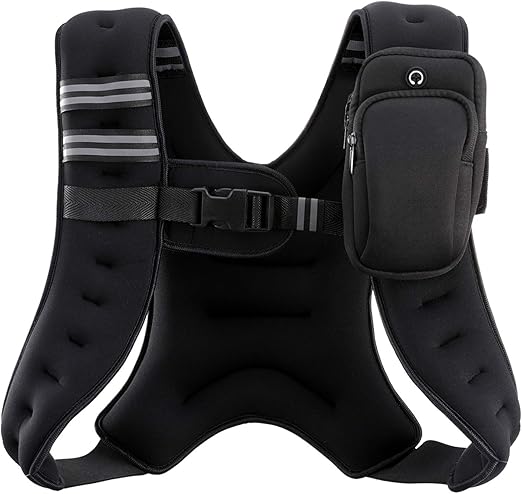
🏋️♂️ ZELUS Weighted Vest – Boost Your Workout Performance!
Available in 6lb to 30lb sizes with reflective stripes. Perfect for strength training, running, fitness, weightlifting, and weight loss.
💥 Get Yours Now for Under $32!
⚖️ Etekcity Digital Bathroom Scale – Precision You Can Trust!
Sleek design with a large blue backlit LCD, high-precision sensors, and durable 6mm tempered glass. Supports up to 400 lbs.
🔥 Shop Now for Under $149!Does Low Testosterone Cause Weight Gain in Men?
In recent years, the concept of testosterone and its role in male health has gained significant attention. One common question that arises is whether low testosterone levels can lead to weight gain in men. This article aims to explore the relationship between testosterone levels, weight gain, and overall health. We’ll delve into how testosterone affects metabolism, the implications of low testosterone, and lifestyle changes that can help mitigate weight gain.
Understanding Testosterone and Its Role in the Body
Testosterone is a hormone primarily produced in the testes, and it’s often referred to as the primary male sex hormone. However, its effects are far-reaching, influencing various physiological processes throughout the body, including:
- Muscle Mass: Testosterone plays a key role in muscle development and maintenance.
- Bone Density: Adequate levels contribute to stronger bones and reduce the risk of osteoporosis.
- Sex Drive: Testosterone is crucial for libido and sexual function.
- Mood Regulation: This hormone impacts mood and cognitive function.
- Fat Distribution: Testosterone influences where fat is stored in the body.
What is Low Testosterone?
Low testosterone, or hypogonadism, occurs when the body fails to produce adequate levels of testosterone. This condition can develop due to various factors, including age, medical conditions, and lifestyle choices. Common symptoms of low testosterone include:
- Fatigue and decreased energy levels
- Reduced libido
- Difficulty concentrating
- Increased body fat
- Loss of muscle mass and strength
The Connection Between Low Testosterone and Weight Gain
Research indicates a notable connection between low testosterone levels and increased body weight in men. Several mechanisms explain this relationship:
1. Metabolism and Fat Distribution
Testosterone significantly affects metabolism; lower levels can lead to a slower metabolic rate, meaning the body burns calories less efficiently. Additionally, low testosterone is associated with an increase in fat mass and a decrease in lean body mass, leading to altered fat distribution, typically resulting in increased abdominal fat.
2. Muscle Mass and Body Composition
Testosterone is crucial for building and maintaining muscle mass. A deficiency in this hormone can lead to muscle loss, which in turn further slows metabolism, creating a vicious cycle of weight gain. Less muscle mass leads to fewer calories burned at rest, making it easier to gain weight.
3. Insulin Sensitivity
Low testosterone levels can negatively impact insulin sensitivity. Poor insulin sensitivity can lead to increased fat storage, especially in the abdominal area, contributing to further weight gain and increasing the risk of developing type 2 diabetes.
4. Psychological Effects
Testosterone also plays a role in mood regulation. Low levels can lead to feelings of depression or a lack of motivation, which may result in a more sedentary lifestyle and poor dietary choices, both contributing to weight gain.
Who is Affected by Low Testosterone and Weight Gain?
While low testosterone can affect men of all ages, it is particularly common in older men. According to studies, testosterone levels peak in early adulthood and gradually decline with age. Factors that may increase the risk of low testosterone include:
- Age: Men over 30 often experience a natural decline in testosterone levels.
- Obesity: Increased body fat can lead to lower testosterone levels.
- Chronic Illness: Conditions such as diabetes, liver disease, and HIV/AIDS can affect hormone production.
- Stress: Chronic stress can lower testosterone levels due to elevated cortisol production.
Diagnosing Low Testosterone
If you suspect that low testosterone may be contributing to weight gain or other health issues, it’s essential to speak with a healthcare professional. Diagnosis typically involves:
- Medical History: A comprehensive assessment of symptoms and health history.
- Blood Tests: Measuring testosterone levels, usually conducted in the morning when levels are highest.
Treatment Options for Low Testosterone
There are several treatment options available for men diagnosed with low testosterone. The most common include:
1. Testosterone Replacement Therapy (TRT)
TRT is often prescribed for men with clinically low testosterone levels. It can be administered in various forms, including:
- Injectable Testosterone: Administered via intramuscular or subcutaneous injections.
- Patches: Applied to the skin, releasing testosterone into the bloodstream.
- Gels: Applied to the skin, providing a steady dose of testosterone.
2. Lifestyle Changes
Adopting a healthier lifestyle can also help improve testosterone levels and mitigate weight gain:
- Nutrition: Eating a balanced diet rich in whole foods, lean proteins, and healthy fats.
- Exercise: Engaging in regular physical activity, especially strength training, can boost testosterone levels.
- Sleep: Ensuring adequate sleep is critical for hormone regulation.
- Stress Management: Techniques such as meditation and yoga can help lower stress levels, positively impacting hormone balance.
3. Addressing Underlying Health Issues
Managing chronic health conditions, such as obesity or diabetes, is vital. Losing weight can also lead to improved testosterone levels and overall health.
Conclusion
Low testosterone can significantly impact a man’s health, contributing to weight gain and various other health issues. Understanding the relationship between testosterone and weight gain is crucial for managing health effectively. If you’re experiencing symptoms of low testosterone, it’s essential to consult with a healthcare professional for a thorough evaluation and appropriate treatment options. By implementing lifestyle changes and considering available treatments, men can improve their testosterone levels, enhance their well-being, and combat unwanted weight gain.


Related Articles
Our HOME in English: Common questions about the requirements and approval difficulty for getting a personal Tea Burn Weight Loss, especially regarding credit score – see more about Tea Burn Here

Does Low Testosterone Cause Weight Gain in Men?
Low testosterone is a concern for many men as it can impact various aspects of health, including weight management. Testosterone plays a significant role in muscle mass and fat distribution. When testosterone levels drop, it can lead to increased body fat and reduced muscle mass. Therefore, understanding the relationship between low testosterone and weight gain is crucial for men looking to optimize their health.
How Low Testosterone Affects Weight
Testosterone levels influence body composition. Low levels may lead to:
- Increased Body Fat: Reduced testosterone can promote fat accumulation, particularly around the abdomen.
- Decreased Muscle Mass: Lower testosterone means less muscle, which can slow metabolism and lead to weight gain.
- Insulin Sensitivity: Testosterone impacts how the body processes sugar, and lower levels can lead to insulin resistance.
Conclusion
In conclusion, low testosterone indeed plays a significant role in weight gain among men. It’s essential to monitor hormone levels and address imbalances with appropriate lifestyle changes or medical interventions. Optimizing testosterone not only aids in weight management but also boosts overall well-being and confidence. For those struggling with weight gain linked to low testosterone, consulting with a healthcare professional can help in tailoring an effective strategy to reclaim vitality. Taking action today may pave the way for a healthier tomorrow.
FAQ
1. Can low testosterone directly cause weight gain?
Yes, low testosterone can lead to increased fat accumulation and decreased muscle mass, contributing to weight gain.
2. How does testosterone affect metabolism?
Testosterone boosts metabolism by promoting muscle growth, which helps burn more calories at rest.
3. At what age do testosterone levels start to decline?
Testosterone levels typically begin to decline around the age of 30 in men.
4. Are there symptoms of low testosterone apart from weight gain?
Yes, symptoms can include fatigue, depression, reduced libido, and cognitive decline.
5. Can exercising help combat low testosterone?
Yes, regular exercise, especially strength training, can help boost testosterone levels and improve body composition.
6. How does diet impact testosterone levels?
A balanced diet rich in healthy fats, proteins, and essential vitamins can support optimal testosterone production.
7. What role does sugar play in weight gain related to testosterone?
High sugar intake can lead to insulin resistance, which may further lower testosterone levels and promote weight gain.
8. Are there specific foods that boost testosterone?
Foods like lean meats, nuts, leafy greens, and whole grains can support testosterone levels.
9. How important is sleep for testosterone production?
Sleep is crucial; insufficient sleep can significantly lower testosterone levels.
10. Can supplements help raise testosterone levels?
Some supplements, like vitamin D and zinc, may support healthy testosterone levels, but consult a doctor first.
11. Is weight loss achievable with low testosterone?
Yes, with a proper plan involving diet, exercise, and potentially hormone therapy, weight loss is achievable.
12. How can I test my testosterone levels?
A simple blood test at a doctor’s office can determine your testosterone levels.
13. What is the best exercise for increasing testosterone?
High-intensity interval training (HIIT) and weightlifting are particularly effective for boosting testosterone levels.
14. Can men of any age experience low testosterone?
Yes, while common in older men, younger men can also experience low testosterone due to various factors.
15. What lifestyle changes can help manage low testosterone?
Regular exercise, a healthy diet, adequate sleep, and stress management can all help maintain testosterone levels.
16. Can alcohol consumption affect testosterone levels?
Excessive alcohol consumption can lower testosterone levels and negatively impact overall health.
17. How does stress relate to testosterone?
High stress increases cortisol, which can lower testosterone levels.
18. Can obesity lead to low testosterone?
Yes, excess body fat, especially around the abdomen, is linked to lower testosterone levels.
19. Are there risks associated with testosterone replacement therapy?
Yes, risks include sleep apnea, acne, and potential cardiovascular issues. Always consult a doctor.
20. How can I effectively lose weight with low testosterone?
Create a calorie deficit through a healthy diet and regular exercise tailored to your condition.
21. What is the ideal body fat percentage for men?
Typically, a body fat percentage of about 10-20% is considered healthy for men.
22. How often should I check my testosterone levels?
It’s best to reassess testosterone levels annually or as recommended by a healthcare provider.
23. Can weight gain from low testosterone be reversed?
Yes, with lifestyle changes, proper treatment, and monitoring, weight gain can often be reversed.
24. How do I know if I need testosterone therapy?
Evaluate your symptoms with a healthcare provider who can assess your testosterone levels and overall health.
25. How quickly can I see results from lifestyle changes?
Weight loss and improvements in testosterone levels can take several weeks to months, depending on your approach and adherence to changes.


