
Does it matter what time of day you eat for weight loss?
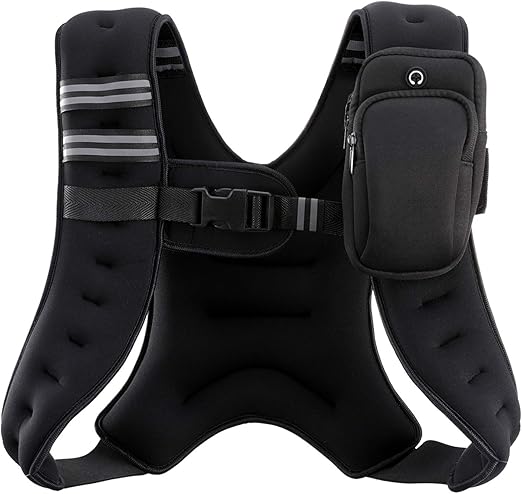
🏋️♂️ ZELUS Weighted Vest – Boost Your Workout Performance!
Available in 6lb to 30lb sizes with reflective stripes. Perfect for strength training, running, fitness, weightlifting, and weight loss.
💥 Get Yours Now for Under $32!
⚖️ Etekcity Digital Bathroom Scale – Precision You Can Trust!
Sleek design with a large blue backlit LCD, high-precision sensors, and durable 6mm tempered glass. Supports up to 400 lbs.
🔥 Shop Now for Under $149!Does It Matter What Time of Day You Eat for Weight Loss?
Many people striving for weight loss often ponder whether the timing of their meals has an impact on their progress. With an array of diet trends emphasizing meal timing—from intermittent fasting to late-night snacking debates—it’s easy to become confused. This article will delve into whether the time of day you eat matters for weight loss, exploring scientific insights, dietary habits, and practical tips to help you achieve your health goals.
The Science Behind Meal Timing
The notion that meal timing may affect weight loss is not just a myth; research indicates several factors that can influence how our bodies respond to food intake at different times. Here’s what the science says:
- Circadian Rhythms: Our bodies operate on a 24-hour cycle, known as circadian rhythms, which can affect metabolism. Studies show that eating in alignment with your natural biological clock can enhance fat loss and improve overall health.
- Insulin Sensitivity: Research suggests that insulin sensitivity is higher in the morning than in the evening. Consuming carbs earlier in the day may help in better regulating blood sugar levels and reduce fat accumulation.
- Hunger Hormones: Hormones like ghrelin and leptin, which regulate appetite and satiation, can fluctuate throughout the day. Eating at certain times may influence levels of these hormones, impacting how hungry you feel.
Does Meal Timing Influence Weight Loss Success?
To fully understand the relationship between meal timing and weight loss, consider the following factors:
1. Total Caloric Intake
While meal timing can play a role, the total number of calories consumed during the day is still the primary factor for weight loss. If you consume fewer calories than you burn, weight loss will occur regardless of when you eat. Yet, the timing of meals can help manage hunger and prevent overeating.
2. Meal Frequency
Some studies suggest that eating smaller, more frequent meals can help manage hunger and improve metabolic rates. However, other research indicates that meal frequency doesn’t significantly impact weight loss for everyone. It’s essential to find a rhythm that suits your lifestyle and helps you maintain your calorie deficit.
3. Individual Lifestyle Factors
Your daily routine, work schedule, and activity levels can influence when you should eat. For instance:
- **Active individuals** may benefit from larger meals at certain times to fuel their performance.
- **Office workers** might find it easier to maintain their calorie goals by enjoying balanced meals during lunch hours.
- People with **irregular schedules** may struggle to adhere to strict meal timings, making flexibility key.
Practical Tips on Meal Timing for Weight Loss
Now that we’ve explored the science, let’s look at some practical strategies you can apply to your meal timing, promoting effective weight loss.
1. Embrace a Consistent Eating Schedule
Sticking to a regular eating schedule can help regulate your body’s hunger signals and improve digestion. Try to plan your meals and snacks at the same times every day, making sure to include breakfast. A consistent routine may help your body predict when to expect food and regulate hunger hormones effectively.
2. Prioritize Breakfast
A hearty breakfast can kick-start your metabolism and accommodate better control over your daily intake. Studies suggest that those who eat breakfast tend to consume fewer calories throughout the day compared to those who skip it. Make the most out of your morning meals with high-protein foods to keep you feeling full.
3. Avoid Late-Night Snacking
Late-night snacking can be detrimental to weight loss endeavors. Eating close to bedtime can disrupt sleep patterns and potential weight loss due to increased insulin resistance during the night. If you find yourself hungry in the evening, opt for lighter snacks like:
- Greek yogurt
- A handful of nuts
- Veggies with hummus
4. Implement Intermittent Fasting
Intermittent fasting has gained popularity as a weight loss strategy. This eating pattern alternates between periods of eating and fasting, which can help reduce overall calorie intake. Common approaches include:
- 16/8 method: You fast for 16 hours and eat during an 8-hour window.
- 5:2 diet: Eat normally for five days a week and restrict calorie intake to around 500-600 calories for two non-consecutive days.
Intermittent fasting schedules may also complement someone’s natural circadian rhythms, making it easier to adhere to.
Listening to Your Body
Another crucial aspect of meal timing is learning to listen to your body’s signals. Here are some tips to fine-tune your meal timing based on personal hunger cues:
1. Understand Your Hunger Levels
Evaluate your hunger levels regularly. Are you genuinely hungry, or are you snacking out of boredom or habit? Pay attention to your physical hunger cues, and eat when you’re truly hungry, rather than sticking rigidly to a schedule.
2. Hydrate Adequately
Sometimes your body confuses thirst with hunger. Ensure you’re drinking enough water throughout the day. If you feel hungry soon after eating, consider having a glass of water first. Staying hydrated can also support metabolism and help control appetite.
3. Adjust Based on Activity Level
If you have a highly active day planned, consider eating slightly more carbohydrates earlier to fuel your workouts. Conversely, if you anticipate a more sedentary day, it may be beneficial to adjust your intake accordingly.
The Role of Quality Over Timing
While timing can be a factor in weight loss, the quality of what you eat is perhaps even more significant. Focus on a nutrient-rich diet, including:
- Whole grains for high fiber
- Lean proteins like chicken, fish, tofu, and legumes
- Fruits and vegetables for essential vitamins and minerals
Balancing macronutrients—carbohydrates, proteins, and fats—will not only satisfy your hunger but also provide sustained energy, which can indirectly affect your weight loss journey.
Tracking Progress and Making Adjustments
As you adopt new meal timing strategies, it’s essential to track your progress. Keep a food diary to log your meals, snack times, and how you feel afterward. This will help identify patterns and make necessary adjustments. Here’s how:
1. Using a Food Diary
Consistently logging meals can reveal insights into when you tend to overeat or underperform. Look for trends, such as:
- Feeling hungrier at certain times of the day
- Low energy following specific meals
2. Regular Check-Ins
Weekly check-ins can help you stay accountable. Evaluate your weight loss journey and assess what’s working or if any adjustments are needed. Reflect on your energy levels, mood, and how your meal timing is affecting your choices.
3. Listen to Feedback
Be open to making changes based on your body’s feedback. What works for one person may not work for another. Be patient and adjust your strategy as necessary to find what works for you.
Conclusion
In summary, while meal timing can influence weight loss, it is only one piece of the puzzle. Striking a balance between calorie intake, nutrient quality, and listening to your body’s needs can lead to a more sustainable and achievable weight loss journey. Focus on consistency, stay flexible with your approach, and keep aligning with your personal lifestyle to optimize your results.


Related Articles
Our HOME in English: Common questions about the requirements and approval difficulty for getting a personal Tea Weight Loss, especially regarding credit score

Does it Matter What Time of Day You Eat for Weight Loss?
Understanding the relationship between meal timing and weight loss is crucial for anyone aiming to shed pounds. Many people believe that when they eat plays a significant role in their weight loss journey. Factors such as metabolism, lifestyle, and individual health conditions influence how effective certain eating times can be. For the American audience, this topic addresses common questions and concerns, helping you find the best approach tailored to your lifestyle and dietary preferences.
Conclusion
In conclusion, while the specific time of day you eat can have some impact on weight loss, it is not the only factor to consider. Consistency in eating patterns, the quality of food, and lifestyle choices play a more significant role. Focus on a balanced diet, regular physical activity, and listen to your body’s hunger cues. Ultimately, choose a meal timing strategy that fits your personal routine, as it will lead to a more sustainable approach to weight loss. Remember, every individual is different, and finding what works best for you is key.
FAQs
Does when I eat influence weight loss?
Yes, meal timing can influence weight loss, but it’s not the sole factor. Overall diet quality and calorie intake are more significant.
Is eating late at night bad for weight loss?
Eating late can lead to weight gain if it results in excess calorie intake. However, it depends on the total diet and lifestyle.
Should I skip breakfast for weight loss?
Skipping breakfast may work for some with intermittent fasting. However, a nutritious breakfast can boost metabolism and reduce hunger later.
What is the best time to eat for weight loss?
The best time varies among individuals, but regular meals throughout the day can help maintain energy levels and manage hunger.
Can I lose weight by eating one meal a day?
Some find success with one meal a day, but it can be challenging. Ensure that it includes all necessary nutrients for health.
Does eating after 7 PM cause weight gain?
Not necessarily. It’s more about your calorie intake than the clock. If you keep calories in check, timing won’t matter much.
Is intermittent fasting effective for weight loss?
Yes, intermittent fasting can be effective for many people as it can help reduce overall calorie intake and promote fat loss.
How does meal timing affect metabolism?
Meal timing may influence metabolic rate, but the overall quality and quantity of food consumed are more critical for weight management.
Should I eat before or after my workout?
Eating before can provide energy, while eating afterward aids recovery. It depends on your workout intensity and personal preference.
Can eating small meals throughout the day aid weight loss?
It can help manage hunger and prevent overeating. However, the overall calorie intake still matters more than the number of meals.
Is snacking important for weight loss?
Healthy snacks can keep energy levels stable and control hunger, but focus on nutritious options that fit within your calorie goal.
What foods should I avoid for weight loss?
- Processed foods high in sugar
- Trans fats
- High-calorie snacks
- Sugary drinks
Does meal timing affect hunger hormones?
Yes, meal timing can affect hormones like ghrelin and leptin, which regulate hunger. Regular meal patterns can optimize these hormones.
How many meals should I eat for weight loss?
The ideal number of meals varies. Some thrive on 3 meals a day, while others prefer smaller, frequent meals. Listen to your body.
Is there a relationship between sleep and meal timing?
Yes, poor sleep can affect hunger hormones. Eating too close to bedtime might disrupt sleep and increase calorie intake.
Can I lose weight without changing my meal times?
Yes, weight loss is primarily about creating a calorie deficit. You can lose weight by adjusting portion sizes and food choices.


