
Does eating while distracted cause weight gain?
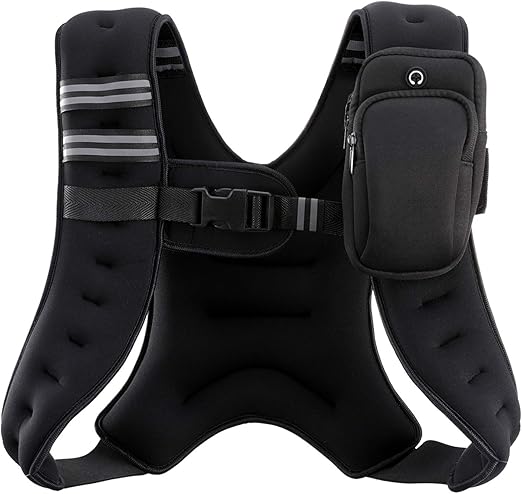
🏋️♂️ ZELUS Weighted Vest – Boost Your Workout Performance!
Available in 6lb to 30lb sizes with reflective stripes. Perfect for strength training, running, fitness, weightlifting, and weight loss.
💥 Get Yours Now for Under $32!
⚖️ Etekcity Digital Bathroom Scale – Precision You Can Trust!
Sleek design with a large blue backlit LCD, high-precision sensors, and durable 6mm tempered glass. Supports up to 400 lbs.
🔥 Shop Now for Under $149!In today’s fast-paced world, distractions are everywhere. From smartphones to television and multitasking at work, it’s becoming increasingly common to eat while distracted. However, have you ever wondered how this habit affects your weight? In this article, we will explore the science behind eating while distracted, its connection to weight gain, and practical tips to help you enjoy meals mindfully. Understanding these factors can significantly impact your approach to healthy eating and weight loss.
The Link Between Distraction and Eating Habits
Eating while distracted involves consuming food without fully engaging with the experience. This can take many forms, including:
- Eating in front of the TV or while scrolling on your phone
- Working through lunch or dinner
- Eating while driving
This behavior is often termed “mindless eating” and can lead to overconsumption and poor food choices.
How Distraction Affects Our Eating Behavior
When we eat while distracted, we tend to miss important cues from our body. Here are some ways distraction can impact our eating behavior:
1. Reduced Awareness of Portion Sizes
When your focus is divided, you may not pay attention to how much food you’re consuming. Research indicates that individuals often underestimate their portion sizes when eating mindlessly, leading to increased calorie intake.
2. Impaired Satiety Signals
Our bodies send signals indicating when we are full or satisfied. However, distraction can dull these signals, making it difficult to recognize when to stop eating. This can result in overeating.
3. Enhanced Craving for Unhealthy Foods
Distractions can magnify cravings, especially for high-calorie, sugary, or fatty foods. Eating mindlessly often leads to choosing convenience foods rather than healthier options, fueling further unhealthy eating patterns.
The Science Behind Mindful Eating
Mindful eating is the practice of being fully present during meals, focusing on the flavors, textures, and sensations of food. Studies show that mindful eating can help manage weight effectively. Here’s how:
1. Increased Satisfaction with Food
Engaging fully with your meal allows you to appreciate the flavors and textures, leading to greater satisfaction. This heightened awareness can reduce the urge to snack later, making it easier to maintain a healthy weight.
2. Better Emotional Regulation
Distraction during eating can lead to emotional eating—a common issue for many. Mindfulness promotes a better relationship with food, helping people respond to emotions without resorting to eating.
3. Improved Digestion
Taking the time to eat mindfully can aid digestion. When you eat slowly and focus on your meals, your body can process food more effectively, leading to better nutrient absorption.
Evidence Linking Distracted Eating to Weight Gain
Several studies have explored the relationship between distracted eating and weight gain. Here are some key findings:
1. Research Findings
A study published in the American Journal of Clinical Nutrition found that individuals who watched TV while eating consumed more calories compared to those who focused solely on their meal. They were less aware of portion sizes and tended to choose higher-calorie foods.
2. Longitudinal Studies
Additional longitudinal studies indicate a direct correlation between distracted eating and weight gain over time. For instance, those who frequently ate while engaged with screens reported an increase in BMI compared to those who practiced more mindful eating.
3. Psychology of Eating
Psychological research suggests that when people eat distractedly, they are more likely to engage in unhealthy patterns, leading to weight gain. The lack of engagement with food often results in eating despite being satiated, contributing to excess caloric intake.
Practical Tips for Reducing Distraction While Eating
1. Designate Eating Areas
Choose specific areas in your home for mealtimes, free from screens and other distractions. This helps create a dedicated environment that encourages focus on your meal.
2. Limit Screen Time
Consider turning off electronic devices during meals. This not only helps you concentrate on your food but also allows for a more enjoyable dining experience, whether alone or with family.
3. Slow Down Your Eating
Try to chew each bite thoroughly and pause between bites. This will help you savor your food and recognize hunger and fullness cues.
4. Engage All Your Senses
Pay attention to the smell, texture, and taste of your food. By engaging all your senses, you become more attuned to what you’re eating and, consequently, reduce the risk of overeating.
5. Practice Portion Control
Be mindful of portion sizes by serving smaller amounts of food. You can always return for more if you’re still hungry, but starting with less can prevent overeating.
The Role of Environment in Eating Mindfully
Your environment plays a crucial role in your eating habits. Consider these environmental strategies:
1. Create a Calm Atmosphere
Create an inviting atmosphere during mealtimes. Dimming the lights and playing soft music can enhance the experience, making it more likely for you to slow down and enjoy your food.
2. Limit Availability of Junk Food
If you often eat while distracted due to easily accessible snacks, consider keeping them out of sight. Stocking your home with healthy options can encourage better choices.
3. Eat with Others
Sharing meals with family or friends can create a social environment that promotes mindful eating. Engaging in conversation helps keep you focused on the meal rather than on distractions.
Creating a Mindful Eating Practice
Building a mindful eating practice doesn’t happen overnight. Here are some steps to help you incorporate mindfulness into your eating habits:
1. Set Clear Intentions
Before each meal, set intentions for how you want to eat. Decide to focus solely on your food and enjoy each bite.
2. Start Small
If you’re new to mindful eating, begin by practicing it with one meal a day. Gradually increase the frequency as you become more comfortable.
3. Use Mindful Reminders
Place reminders around your dining area to encourage mindful eating. These can be notes or quotes that prompt you to slow down and enjoy your meals.
4. Reflect on Your Experience
After meals, take a moment to reflect on your experience. Consider what you enjoyed, how the food made you feel, and whether you recognized your fullness cues.
Overcoming Challenges in Mindful Eating
While integrating mindful eating practices can seem daunting, it’s important to navigate common challenges:
1. Addressing Emotional Eating
Many individuals turn to food in response to emotions. Identifying triggers and developing healthier coping strategies can break this cycle. Journaling or speaking to a friend can help manage emotional responses.
2. Dealing with Time Constraints
Busy lifestyles may make it hard to dedicate time to meals. Consider meal prepping or planning quick, nutritious meals that allow you to eat mindfully without significant time commitment.
3. Combating Social Pressure
Social gatherings often encourage mindless eating due to peer influence. Set personal boundaries on how much you’ll eat or share your mindful eating intentions with friends and family for support.
Conclusion
Eating while distracted is not just a habit; it’s a behavior that can lead to weight gain and poor eating choices. By becoming aware of how distraction influences your eating patterns, you can take positive steps towards a healthier lifestyle. Embracing mindful eating can enhance your dining experience, help manage your weight effectively, and foster a healthier relationship with food.


Related Articles
Our HOME in English: Common questions about the requirements and approval difficulty for getting a personal Tea Burn Weight Loss, especially regarding credit score – see more about Tea Burn Here

Does Eating While Distracted Cause Weight Gain?
In today’s fast-paced world, many people eat while distracted, whether it’s scrolling through their phones, watching TV, or working. This behavior can have a significant impact on our eating habits and weight. When we eat mindlessly, we often consume more than we realize, leading to potential weight gain. Studies show that distracted eating can disrupt our ability to recognize hunger and fullness cues, making it easier to overeat. By focusing on our meals and minimizing distractions, we can enhance our awareness of portion sizes and improve our overall relationship with food.
25 Questions and Answers About Eating While Distracted
1. Does eating while distracted really lead to weight gain?
Yes, it can lead to weight gain by causing us to lose track of how much we eat.
2. What constitutes distracted eating?
Distracted eating occurs when attention is divided while eating, such as multitasking or using screens.
3. Why is mindful eating important?
Mindful eating helps you recognize hunger and fullness cues, promoting healthier portion control.
4. How can I make my meals more mindful?
Set aside distractions, focus on your food, and savor every bite to enhance your eating experience.
5. What are common distractions during meals?
Common distractions include TV, smartphones, and working at your desk.
6. Does distraction lead to overeating?
Yes, being distracted can lead to eating larger portions without attention to satiety signals.
7. Can distracted eating affect my digestion?
Yes, it may impair digestion as it leads to rushed eating and poor chewing.
8. Should I eat at a table?
Eating at a table can help minimize distractions and encourage a more mindful eating environment.
9. How long should I take to eat a meal?
Taking 20-30 minutes per meal can help you enjoy your food and recognize fullness.
10. What are some techniques to avoid distracted eating?
- Put away electronic devices.
- Eat in a quiet space.
- Engage fully in your meal.
11. How does cutting sugar affect weight loss?
Reducing sugar intake can decrease calorie consumption and improve metabolic health, aiding weight loss.
12. Will avoiding sugar help with cravings?
Yes, cutting sugar can stabilize blood sugar levels, leading to fewer cravings.
13. What types of foods should I avoid for weight loss?
Avoid sugary snacks, sugary beverages, and highly processed foods that are high in added sugars.
14. Are there healthier alternatives to sugar?
Natural sweeteners like honey or stevia can be good alternatives, but moderation is key.
15. Can I still enjoy sweets if I cut sugar?
Yes, you can enjoy sweets in moderation and focus on healthier versions of your favorite treats.
16. How important is portion control?
Portion control is crucial for weight management, helping you regulate calorie intake.
17. Does stress impact eating habits?
Yes, stress can lead to emotional eating and an increased likelihood of eating while distracted.
18. How can I manage stress related to food choices?
Practicing mindfulness, regular exercise, and seeking social support can help manage food-related stress.
19. Are there tips for eating out without distractions?
Focus on the menu, engage with your dining companions, and put your phone away during the meal.
20. How can I track my eating habits?
Using a food diary or apps can help you stay aware of your eating patterns and portion sizes.
21. Is it beneficial to meal prep?
Yes, meal prepping can help you control portions and make healthier food choices easily accessible.
22. How does the environment affect eating?
A calm, pleasant environment can promote slow eating and mindfulness, reducing overeating.
23. Why is it important to recognize triggers for distracted eating?
Understanding your triggers helps you take steps to avoid distractions and promote mindful eating.
24. Can community support play a role in weight loss?
Yes, community support can provide motivation, accountability, and shared healthy eating practices.
25. How should I measure the success of my eating habits?
Success can be measured through weight stability, improved energy levels, and a positive relationship with food.
Conclusion
Understanding the impact of distracted eating on weight gain is essential in today’s busy lifestyle. By acknowledging how our eating environment and distractions influence our consumption habits, we can take proactive steps towards mindful eating. Reducing sugar intake is another powerful strategy for weight loss, as it curbs cravings and lowers calorie consumption. Together, these approaches can foster healthier eating habits, help maintain a healthy weight, and ultimately lead to a more satisfying relationship with food. Taking the time to savor our meals, eliminate distractions, and make conscious choices can significantly enhance our journey to better health. Consider how these practices can fit into your lifestyle, and explore options to make healthier eating choices today.


