
Does eating in front of the TV cause weight gain?
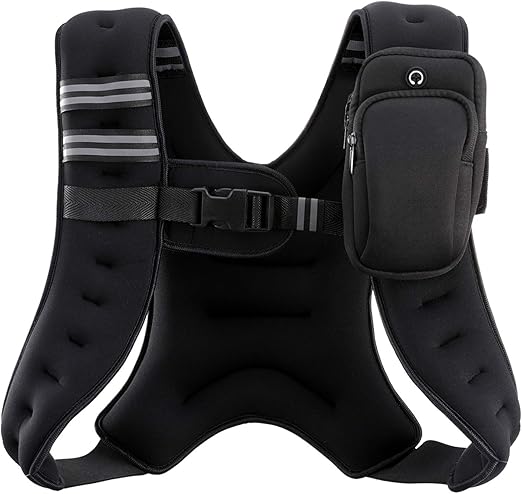
🏋️♂️ ZELUS Weighted Vest – Boost Your Workout Performance!
Available in 6lb to 30lb sizes with reflective stripes. Perfect for strength training, running, fitness, weightlifting, and weight loss.
💥 Get Yours Now for Under $32!
⚖️ Etekcity Digital Bathroom Scale – Precision You Can Trust!
Sleek design with a large blue backlit LCD, high-precision sensors, and durable 6mm tempered glass. Supports up to 400 lbs.
🔥 Shop Now for Under $149!Does Eating in Front of the TV Cause Weight Gain?
For many of us, curling up on the couch with a good show and some snacks is a beloved routine. The comforts of binge-watching our favorite series while munching on chips or popcorn can sometimes lead to questions about our habits and their impacts on our health. Can this cozy combination actually contribute to weight gain? In this article, we will dive deep into the connection between eating in front of the TV and weight gain, examining the psychology behind it, the science at play, and offering practical tips to enjoy your viewing experiences without derailing your health goals.
The Allure of Eating While Watching TV
It’s no secret that snacking while watching TV is a common behavior. Multiple studies have shown that many people eat more when distracted by television. Understanding why we tend to indulge in those moments is the first step in recognizing potential pitfalls.
The Psychology of Mindless Eating
When we eat in front of the TV, we’re often engaged in mindless eating, a behavior characterized by:
- Distraction: Watching a show can absorb our focus, leading to automatic eating where we don’t pay attention to how much we consume.
- Mismatched Cues: We may miss signals that our body is full because our attention is fixed on the screen rather than our hunger cues.
- Boredom and Habits: For many, eating while watching TV becomes a comforting routine. When bored, we often reach for snacks, even if we aren’t actually hungry.
The Science Behind Eating While Watching TV
Research has explored the phenomenon of eating while watching TV and its effects on our eating habits. Let’s delve into the findings.
Studies on Eating and Watching TV
A study published in the journal PLOS ONE found that participants who watched TV while eating consumed significantly more calories than those who did not have background distractions. This can occur for several reasons:
- Increased Portion Sizes: Individuals tend to eat larger portion sizes when distracted, often out of sync with their real hunger levels.
- Preference for High-Calorie Snacks: The type of food choices made during TV time often leans towards high-calorie, easily accessible snacks like chips, popcorn, or candy.
- Decreased Awareness & Enjoyment: Watching TV can interfere with the experience of eating itself, affecting how much we savor our food and recognize when we’re satisfied.
The Impact of Distraction on Eating Patterns
Distraction, such as through television, does not only influence the quantity of food consumed; it can also affect the quality of food choices. Let’s break this down.
Caloric Choices and Nutritional Quality
When watching TV, people tend to opt for convenience over nutrition due to several factors:
- Easy Accessibility: Snack foods are often more accessible than healthier options, leading to poor choices during TV time.
- Social Norms: Many advertisements for unhealthy foods are showcased during TV programming, normalizing the consumption of these snacks.
- Emotional Eating: Some may turn to comfort foods while watching their favorite shows, associating certain programs with specific snack choices.
Portion Control: The Key to Enjoyment Without Overindulgence
To enjoy snacking while watching TV without the risk of overconsumption, managing portion sizes is crucial. Here are some strategies:
Practical Tips for Healthy Snacking
- Use Smaller Bowls: Serving snacks in smaller bowls can trick your mind into thinking you have more food while actually consuming less.
- Pre-Portion Snacks: Instead of bringing the entire bag of chips or popcorn to the couch, portion out one serving before you sit down.
- Healthier Alternatives: Swap traditional snacks for healthier options like air-popped popcorn, fruits, or veggies with hummus.
- Mindful Eating Practices: Engage in conscious eating habits by focusing on your food while avoiding multi-tasking and screen distractions.
The Influence of Commercial Breaks on Snacking
Many people tend to snack during commercial breaks or during moments of tension in a show. This behavior is intricately linked to our eating patterns while watching TV:
The Cycle of Snacking During Commercials
- Increased Engagement: The excitement of a commercial or cliffhanger can trigger an impulse to snack, symbolizing a moment of celebration or comfort.
- Advertising Influence: Many snacks advertised can result in craving responses, driving viewers to satisfy those urges during breaks.
- Excessive Snacking: The combination of more food at hand and frequent breaks can lead to excessive consumption of snacks over time.
Strategies for Combating Unhealthy Eating Habits
Breaking the cycle of distracting snacks can lead to a healthier lifestyle without needing to give up your favorite shows. Here are some effective strategies:
Mindfulness Techniques While Watching TV
- Practice Mindfulness: Make a point to only eat when you can focus on your food rather than the TV. This allows you to enjoy every bite.
- Limit Snack Options: Place only one type of healthy snack in front of you to avoid the temptation of reaching for more.
- Set Intentions: Before starting, decide how much you will eat and stick to that limit, holding yourself accountable.
Creating a Balanced Viewing Experience
Finding a healthy balance between enjoying TV time and maintaining a mindful eating approach is essential. Here are ways to enhance your viewing experience:
Engaging in Other Activities
- Exercise During Commercials: Use ad time to do stretches or quick workouts instead of reaching for more food.
- Socialize During Viewing: Invite friends or family for a watch party where everyone brings healthier snacks to share.
- Limit Eating to the Dinner Table: Consider implementing a rule to save eating for the dining area instead of the living room.
Conclusion
The practice of eating in front of the TV can significantly influence our dietary habits, often leading to overeating and weight gain due to distraction and habitual behavior. However, by implementing mindful eating techniques and making conscious decisions about portion sizes and snack choices, you can enjoy multi-tasking without negative health consequences. Incorporating these strategies not only helps maintain a healthy weight but also enhances your overall viewing experience, allowing for the pleasure of food and entertainment without the guilt or consequences of mindless eating.


Related Articles
Our HOME in English: Common questions about the requirements and approval difficulty for getting a personal Tea Burn Weight Loss, especially regarding credit score – see more about Tea Burn Here

Does Eating in Front of the TV Cause Weight Gain?
In today’s fast-paced lifestyle, many Americans have developed the habit of eating in front of the TV. This has sparked a debate: does this behavior contribute to weight gain? The answer is yes; various studies suggest that multitasking while eating, especially in front of a screen, can lead to overeating. Distracted eating diminishes our awareness of portion sizes and hunger cues, making it easier to consume more calories than necessary. By cutting out distractions, such as television, individuals can better focus on their meals, enjoy each bite, and ultimately control their caloric intake, aiding in weight loss efforts.
FAQ
1. Does eating in front of the TV make you eat more?
Yes, studies indicate that distractions during meals can lead individuals to consume larger portions and more calories.
2. Why is distracted eating bad?
Distracted eating reduces awareness of portion sizes and hunger signals, leading to overeating.
3. Can watching TV affect weight loss?
Yes, it can make weight loss harder due to increased calorie intake associated with multitasking during meals.
4. How can I stop eating in front of the TV?
Try setting designated meal times away from screens and focus on savoring your food instead.
5. What should I do instead of watching TV while eating?
Consider dining in silence or listening to soft music to create a more mindful eating environment.
6. Is snacking in front of the TV a problem?
Absolutely. Snacking while distracted can lead to excessive calorie consumption without realizing it.
7. How does cutting out sugar help with weight loss?
Eliminating sugar can reduce caloric intake, regulate insulin levels, and curb cravings for unhealthy foods.
8. What are some healthy snacks to enjoy instead?
- Fresh fruits
- Vegetable sticks with hummus
- Greek yogurt
9. Can mindful eating help with weight management?
Yes, practicing mindful eating helps you pay attention to hunger cues and enjoy your food more, which can prevent overeating.
10. What are typical consequences of overeating while watching TV?
Consequences include weight gain, digestive discomfort, and an unhealthy relationship with food.
11. How long should I wait after eating before watching TV?
Consider waiting at least 30 minutes after meals to allow for proper digestion before engaging in screen time.
12. Are there any benefits to cooking meals at home?
Cooking at home typically leads to healthier meals and greater control over ingredients, reducing the likelihood of overeating.
13. How can I create a healthier eating environment?
Set the table away from screens, create a nice dining atmosphere, and focus solely on your meal.
14. What role does portion control play in weight loss?
Effective portion control helps manage caloric intake, which is crucial for weight loss.
15. Does watching sports while eating have the same impact?
Yes, any form of distraction during meals can lead to overeating, regardless of the content.
16. Should I limit snack foods at home?
Limiting the availability of snack foods can help reduce temptation and control caloric intake.
17. What are healthier alternatives to sugary snacks?
- Mixed nuts
- Dried fruits (in moderation)
- Popcorn without butter
18. How can I track my eating habits for better results?
Consider using a food journal or apps to track what and how much you eat, identifying patterns and triggers.
19. Are there specific foods that can help with cravings?
High-fiber foods, protein-rich snacks, and healthy fats can help curb cravings and provide lasting energy.
20. What psychological factors contribute to eating in front of the TV?
Emotional eating and habit formation often lead individuals to seek comfort and distraction through food while watching TV.
21. How can family meals influence eating habits?
Family meals promote mindful eating, better portion control, and healthier food choices when distractions are minimized.
22. Do visual cues from TV influence what I eat?
Yes, visual cues can trigger cravings and influence food choices, often leading to less healthy options.
23. What are some good strategies for reprogramming eating habits?
- Set specific meal times
- Limit eating to the kitchen or dining room
- Practice mindful eating techniques
24. Can drinking water help with weight management?
Yes, drinking water before meals can promote fullness and reduce overall caloric intake.
25. How can social support aid my weight loss journey?
Support from family or friends encourages accountability and can help maintain motivation in creating healthier habits.
Conclusion
The relationship between eating in front of the TV and weight gain is clear; distractions like screens can lead to overeating and difficulty managing portions. By embracing mindful eating habits, you can significantly improve your weight loss journey. Cut out sugar and reduce distractions during meals to enhance self-control and awareness of hunger signals. Imagine savoring your meals without the interference of your favorite shows. Through mindful practices and making healthier food choices, you’ll be on the path to achieving your weight loss goals. It’s time to take action for a healthier lifestyle! Start by investing in your wellness today.


