
Do liquid calories make you fat?
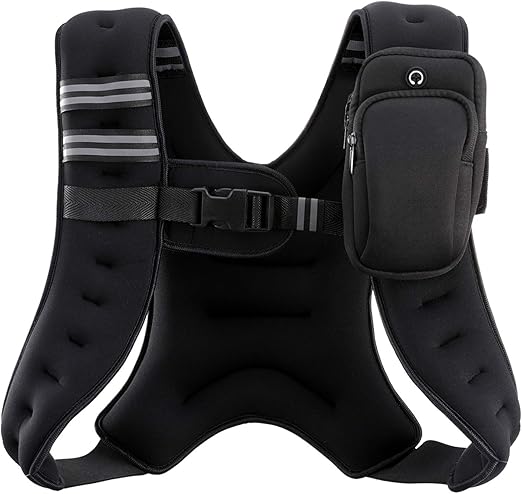
🏋️♂️ ZELUS Weighted Vest – Boost Your Workout Performance!
Available in 6lb to 30lb sizes with reflective stripes. Perfect for strength training, running, fitness, weightlifting, and weight loss.
💥 Get Yours Now for Under $32!
⚖️ Etekcity Digital Bathroom Scale – Precision You Can Trust!
Sleek design with a large blue backlit LCD, high-precision sensors, and durable 6mm tempered glass. Supports up to 400 lbs.
🔥 Shop Now for Under $149!Do Liquid Calories Make You Fat?
In a world where health and fitness take center stage, understanding the role of liquid calories in our diets has become increasingly important. Many people often focus solely on solid foods when counting calories, forgetting that beverages can add significant amounts to their daily intake. This article delves into the question, “Do liquid calories make you fat?” We’ll explore what liquid calories are, how they differ from solid calories, and their impact on weight management. By the end, you’ll have a better grasp of how to integrate or limit these beverages in your diet for effective weight loss.
What Are Liquid Calories?
Liquid calories refer to the calories that come from beverages. This can include a wide range of drinks, such as:
- Sodas and soft drinks
- Fruit juices
- Alcoholic beverages
- Caffeinated drinks like energy drinks
- Milk and milk-based drinks
- Protein shakes and meal replacement drinks
Unlike solid foods that often require chewing and take longer to consume, liquid calories are typically absorbed quickly by the body. This rapid absorption can lead to some unexpected effects on hunger and fullness cues.
How Liquid Calories Differ from Solid Calories
The primary distinction between liquid and solid calories lies in how they are metabolized and how they affect our hunger signals. Here are some key differences:
- Satiety Levels: Solid foods generally promote a sense of fullness more effectively than liquids. When we consume solid foods, they require more time to chew, digest, and break down, often leading to a longer feeling of satisfaction.
- Psychological Factors: Liquid calories can be deceptive. People often underestimate their calorie intake from drinks, leading to greater consumption without the accompanying fullness.
- Quality of Nutrients: Many liquid options, such as sugary drinks, provide little nutritional benefit compared to whole foods and might lead to weight gain without supplying essential nutrients.
The Impact of Liquid Calories on Weight Gain
The relationship between liquid calories and weight gain is complex. Here are several factors to consider:
- Caloric Surplus: If you consume more calories than your body uses, regardless of whether those calories come from solids or liquids, you will likely gain weight. Liquid calories can easily lead to a caloric surplus since they are less satiating.
- Types of Beverages: Sugary drinks are more likely to contribute to weight gain. For instance, a regular soda can contain upwards of 150 calories or more per serving, consumed in a few sips and not contributing to fullness.
- Alcohol and Weight Gain: Many alcoholic beverages are high in calories, leading to the “empty calories” dilemma, where you intake more energy than necessary without obtaining nutrients.
Scientific Research on Liquid Calories and Weight
Numerous studies have highlighted the impact of liquid calories on weight management:
- A study published in the American Journal of Clinical Nutrition found that participants who consumed sugar-sweetened beverages gained more weight over time compared to those who consumed water or calorie-free drinks.
- Research indicates that when people drink their calories, they don’t compensate by eating less later. This phenomenon is known as “compensatory eating.”
- A meta-analysis in Nutrition Reviews concluded that reducing liquid calories could lead to significant weight loss in adults without additional dietary restrictions.
Why Do People Overlook Liquid Calories?
There are several psychological and behavioral factors that contribute to the common oversight of liquid calories:
- Convenience: Beverages are often easy to consume and require no preparation. This convenience can lead to higher consumption.
- Taste and Enjoyment: People often choose sugary drinks for their taste, leading to increased consumption regardless of their caloric content.
- Portion Size Misconceptions: Many are unaware of what constitutes a serving size for drinks, leading to unintentional overconsumption.
How to Manage Liquid Calorie Intake
If you’re looking to lose weight or manage your calorie intake, here are strategies to consider:
- Choose Water: Replacing sugary drinks with water, herbal tea, or black coffee can drastically reduce your caloric intake.
- Read Labels: Always check nutrition labels for calorie content on beverages. This can help you make informed choices.
- Mind Your Portions: Pay attention to serving sizes and be mindful not to refill your glass too often.
- Limit Alcohol: Moderating alcohol consumption can have a significant impact on calorie control.
- Smoothies and Juices: If consuming smoothies or juices, opt for homemade versions with lower calorie counts and limited added sugars.
The Role of Liquid Calories in a Balanced Diet
While it is essential to be cautious about liquid calories, they can still hold a place in a balanced diet when consumed wisely:
- Nutrient-Dense Options: Some liquid calories, like smoothies packed with fruits, vegetables, and protein powder, can provide valuable nutrients while keeping calorie intake in check.
- Incorporating Healthy Fats: Adding ingredients like avocado or nut butter to smoothies can keep you full longer and provide healthy fats.
- Homemade Drinks for Control: Making your own variations of popular drinks lets you control what goes in, from sugar levels to added nutrients.
Common Misconceptions About Liquid Calories
Several misconceptions complicate our understanding of liquid calories and their effects on weight:
- “Caloric Beverages Are Always Bad:” Not all liquid calories are unhealthy. Nutrient-rich beverages can be beneficial in moderation.
- “You Can Exercise Off Any Calories:” While exercise is essential for overall health, it’s not always effective for compensating for high-calorie liquid intake.
- “Zero-Calorie Sweeteners Are a Free Pass:” Artificial sweeteners may reduce calorie intake, but they can also lead to cravings for sweet foods and unhealthy eating patterns.
Final Thoughts
The question of whether liquid calories make you fat is intricately tied to overall caloric intake and lifestyle choices. While it is easy to overlook the calories in beverages, managing these can play a significant role in weight loss or maintenance. By being mindful of what you drink, opting for healthier alternatives, and understanding the effects of these choices on your body, you can take significant strides toward achieving your weight loss goals. Ultimately, a balanced approach toward both liquid and solid calories ensures a sustainable and healthy lifestyle.


Related Articles
Our HOME in English: Common questions about the requirements and approval difficulty for getting a personal Tea Burn Weight Loss, especially regarding credit score – see more about Tea Burn Here

Do Liquid Calories Make You Fat?
As health consciousness grows, many question the impact of liquid calories on weight gain. Drinks, especially sugary ones, can swiftly add calories without creating a sense of fullness. For those on a weight loss journey, understanding how cutting out sugar can aid in shedding pounds is essential. Often, people consume sugary beverages unaware of their significant caloric contributions, leading to unwanted weight gain. It’s crucial to recognize that while all calories count, liquid calories are often less satisfying than solid food, impacting satiety and leading to overeating.
Conclusion
In summary, liquid calories can contribute to weight gain if not monitored carefully. By cutting out sugar-laden drinks and opting for healthier alternatives, you can manage your calorie intake better and enhance your weight loss efforts. This shift can significantly decrease your overall caloric consumption while still providing hydration. Remember, combining this with solid food choices and regular exercise will only reinforce your weight loss goals. Making small changes, such as choosing water over soda, can lead to substantial long-term benefits for your health and weight. Start today, and witness the transformative effects on your journey to a healthier you!
FAQs
1. What are liquid calories?
Liquid calories are calories consumed from drinks, including sugary beverages, juices, and alcoholic drinks, which often provide energy without satiety.
2. Do liquid calories contribute to weight gain?
Yes, liquid calories can lead to weight gain if consumed in excess, as they often don’t trigger fullness like solid foods do.
3. How do sugary beverages affect weight loss?
Sugary beverages add calories without filling you up, making it easier to consume more calories than needed for weight loss.
4. Is it better to cut out liquid calories completely?
Not completely, but reducing sugary drinks and choosing low-calorie options can significantly support weight loss efforts.
5. What are healthier alternatives to sugary drinks?
- Water
- Sparkling water
- Herbal teas
- Coconut water
- Infused water
6. Can artificial sweeteners help with weight loss?
Artificial sweeteners may reduce calorie consumption, but their long-term effects on weight management are still debated.
7. How does cutting out sugar affect my body?
Cutting out sugar may lead to weight loss, improved energy levels, and better blood sugar control, enhancing overall health.
8. What is the impact of alcohol on weight gain?
Alcohol is calorie-dense and can lead to increased appetite and poor food choices, contributing to weight gain.
9. How many liquid calories should I limit myself to?
Aim to limit liquid calories to 100-200 calories per day to maintain a balance with solid food intake.
10. Are smoothies healthy for weight loss?
They can be healthy if made with whole fruits and vegetables, but be cautious of added sugars and portions.
11. Is juicing a good idea for weight loss?
While juicing can be nutritious, it often lacks fiber and may lead to consuming excess calories from sugars.
12. Can I drink coffee while trying to lose weight?
Black coffee can be beneficial for weight loss due to its low calories, but avoid high-calorie creamers and sweeteners.
13. How does drinking water help with weight loss?
Drinking water can help control hunger, promote metabolism, and replace higher-calorie beverages.
14. Is diet soda a better choice for weight management?
Diet soda has fewer calories, but some studies suggest it may impact cravings and weight in the long term.
15. Should I track my liquid calorie intake?
Yes, tracking all calories, including liquid ones, can help maintain awareness and support weight loss goals.
16. What role do juices play in a healthy diet?
Juices can contribute vitamins and minerals but should be consumed in moderation to avoid excess sugar intake.
17. Can drinking too much coffee lead to weight gain?
Excessive coffee, especially with cream and sugar, can add unnecessary calories and contribute to weight gain.
18. Is it okay to drink flavored water?
Flavored water is often a low-calorie alternative, but always check for added sugars and calories on labels.
19. How can I reduce cravings for sugary drinks?
Gradually reduce sugar intake, stay hydrated, and opt for alternatives like herbal teas or flavored water.
20. Can cutting liquid calories lead to quick weight loss?
Cutting liquid calories can lead to quicker weight loss initially, as you reduce overall caloric intake more significantly.
21. Do liquid diets work for weight loss?
Liquid diets may lead to short-term weight loss, but they often lack essential nutrients and may not be sustainable long-term.
22. What is the best beverage for weight loss?
Water is the best choice, but unsweetened herbal teas and black coffee are also excellent low-calorie options.
23. Should I drink my calories or eat them?
Eating whole foods is generally better for satiety and nutrition, while liquid calories often lead to overeating.
24. How can I balance liquid and solid calories?
Focus on whole foods for meals, use liquids for hydration, and limit caloric beverages to stay on track with weight loss.
25. What small changes can I make for better weight management?
Replace sugary beverages with water, watch your portion sizes, and incorporate more whole foods into your diet for better results.


