
Can zero-calorie sweeteners slow fat loss?
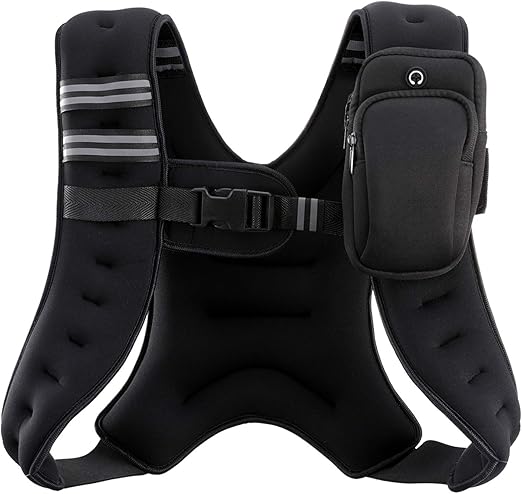
🏋️♂️ ZELUS Weighted Vest – Boost Your Workout Performance!
Available in 6lb to 30lb sizes with reflective stripes. Perfect for strength training, running, fitness, weightlifting, and weight loss.
💥 Get Yours Now for Under $32!
⚖️ Etekcity Digital Bathroom Scale – Precision You Can Trust!
Sleek design with a large blue backlit LCD, high-precision sensors, and durable 6mm tempered glass. Supports up to 400 lbs.
🔥 Shop Now for Under $149!Can Zero-Calorie Sweeteners Slow Fat Loss?
In the ever-evolving landscape of nutrition, weight loss strategies are continuously discussed and debated. One hot topic is the role of zero-calorie sweeteners—often found in various diet foods and beverages—and whether they are allies or adversaries in the quest for weight loss. For those looking to shed pounds, understanding how these sweeteners influence fat loss is crucial. This article delves into the science behind zero-calorie sweeteners, their potential impacts on fat loss, and offers insights that can help you make informed dietary choices.
What Are Zero-Calorie Sweeteners?
Zero-calorie sweeteners, often referred to as artificial sweeteners or non-nutritive sweeteners, are synthetic sugar substitutes designed to mimic the sweetness of sugar without the calories. Common examples include:
- Aspartame
- Sucralose
- Stevia (though it’s derived from a plant, it is often considered in the same category)
- Acesulfame K
- Neotame
These sweeteners provide the sweetness people crave without the caloric content found in sugar, making them appealing for those monitoring their weight.
The Attraction of Zero-Calorie Sweeteners for Weight Loss
Many people turn to zero-calorie sweeteners with the hope that they can satisfy their sweet tooth without the accompanying calories. The appeal lies in their ability to provide sweetness without guilt, which can lead to:
- Reduced overall caloric intake
- Compliance with low-calorie diets
- Increased consumption of diet beverages and foods, which are often marketed as healthier options
However, while these benefits sound promising, the question remains: do they actually help with fat loss?
The Potential Impact on Metabolism and Appetite
Hormonal Influences
Research suggests that sweet taste can stimulate insulin secretion, which might lead some individuals to experience increased hunger. When insulin levels rise without accompanying caloric intake, it could cause a drop in blood sugar levels, potentially leading to cravings for more food. This reaction may hinder weight loss efforts by promoting a cycle of additional eating.
Psychological Factors
Many users of zero-calorie sweeteners report feeling a sense of allowance when using these products, often believing they can indulge more in other foods. This mindset can contribute to an overall increase in caloric intake, potentially offsetting the calorie savings from the sweeteners.
Research Insights
The research around zero-calorie sweeteners and their effects on weight loss is still evolving. Some key studies and findings include:
- One meta-analysis published in the journal Obesity reported that long-term consumption of artificial sweeteners did not lead to significant weight loss compared to regular sugar.
- Another study found that participants who consumed products sweetened with artificial sweeteners had an increased risk of metabolic syndrome compared to those who didn’t, indicating potential long-term health risks.
- In a controlled trial, participants who used natural sweeteners like stevia experienced greater satiety and reduced overall caloric intake compared to those consuming artificial sweeteners.
These mixed results emphasize the need for personal experimentation and monitoring when adding sweeteners to your diet.
Possible Challenges with Zero-Calorie Sweeteners
Digestive Issues
Some people may experience digestive discomfort when consuming zero-calorie sweeteners, particularly sugar alcohols like xylitol and erythritol. Symptoms can include:
- Bloating
- Gas
- Diarrhea
These issues can lead to a reduced quality of life and may discourage individuals from sticking with a diet plan that includes these sweeteners.
Overcompensation with Other Foods
As mentioned earlier, the belief that using zero-calorie sweeteners allows for more caloric wiggle room may backfire. This overcompensation can manifest in various forms, such as:
- Choosing higher-calorie options when a calorie-free beverage is consumed
- Increased portion sizes at meals
While sweeteners can significantly reduce calories from drinks, they can unknowingly promote higher intakes of caloric foods.
Who Might Benefit from Zero-Calorie Sweeteners?
Despite the potential drawbacks, zero-calorie sweeteners can have a place in a healthy diet for certain individuals, such as:
- People trying to reduce sugar consumption: For those looking to cut back on sugar without eliminating sweetness entirely, zero-calorie sweeteners can act as an intermediary.
- Individuals with diabetes: These sweeteners can provide an option for those needing to manage blood sugar levels without the caloric burden of regular sugar.
- Weight management: For some, they may help maintain a lower daily caloric intake without feeling deprived.
Choosing the Right Sweetener
If you’re considering incorporating zero-calorie sweeteners into your lifestyle, it’s essential to choose wisely. Here are some tips:
- Consider natural options: Sweeteners like stevia or monk fruit extract may have fewer side effects and could be a better choice over artificial options.
- Read labels: Ingredients can vary, so check for other additives or high-calorie components in products labeled as low-calorie.
- Be aware of serving sizes: Using large amounts can lead to caloric intake that negates the intended benefit.
Practical Tips for Using Zero-Calorie Sweeteners
To make zero-calorie sweeteners work for your weight loss goals, consider these practical tips:
- Start small: If you’re new to them, begin with small amounts to gauge your body’s response.
- Balance with whole foods: Incorporate these sweeteners with a diet rich in whole foods, including fruits, vegetables, and lean proteins.
- Be mindful of cravings: If you notice that zero-calorie sweeteners lead to increased cravings, reassess your consumption.
Listening to Your Body
Every individual’s body responds uniquely to sweeteners, and it’s crucial to pay attention to how they affect your energy levels, appetite, and cravings. Keeping a food diary can help track how different sweeteners impact your overall eating habits and weight loss goals over time.
Scientific Community Perspectives
Experts in the field are not unified in their stance on zero-calorie sweeteners, leading to a landscape of varying opinions. Some nutritionists argue for their benefits in harm reduction and calorie control, while others caution against their potential role in fostering unhealthy eating patterns.
Moreover, the long-term health effects of artificial sweeteners require more investigation, and as such, moderation is often recommended. Align your choices with evidence-based practice and personal experience for the best outcomes.
The Bottom Line
Zero-calorie sweeteners can be both beneficial and detrimental in the pursuit of weight loss. While they offer a way to reduce sugar and calorie intake, they can also lead to unwanted side effects, such as increased appetite and digestive discomfort.
Ultimately, whether zero-calorie sweeteners help or hinder your fat loss journey is highly individual and may depend on how they fit into your overall dietary patterns. As always, focusing on a balanced, nutrient-dense diet, rich in whole foods, coupled with regular physical activity, remains the cornerstone of effective weight management.
Incorporating zero-calorie sweeteners may complement your efforts, but they’re just one part of a more extensive approach to a healthy lifestyle and weight loss.


Related Articles
Our HOME in English: Common questions about the requirements and approval difficulty for getting a personal Tea Burn Weight Loss, especially regarding credit score – see more about Tea Burn Here

Can Zero-Calorie Sweeteners Slow Fat Loss?
Are you on a weight loss journey and considering the use of zero-calorie sweeteners? You’re not alone! Many people are looking for alternatives to sugar to help cut calories without sacrificing taste. But a big question arises: do these sweeteners actually help or hinder fat loss? Understanding how they work can empower you to make informed choices. This article will shed light on the effects of zero-calorie sweeteners, helping you navigate your weight loss goals more effectively.
FAQ
1. What are zero-calorie sweeteners?
Zero-calorie sweeteners are sugar substitutes that provide sweetness with no calories. They include aspartame, sucralose, and stevia, among others.
2. Do zero-calorie sweeteners boost metabolism?
Current research suggests that while these sweeteners don’t directly boost metabolism, they can help reduce overall calorie intake, potentially aiding in weight management.
3. Can using zero-calorie sweeteners cause cravings?
Some studies indicate that zero-calorie sweeteners may trigger cravings for sweet foods, leading to overeating. It’s essential to monitor your overall diet.
4. Are zero-calorie sweeteners safe to consume?
Yes, most zero-calorie sweeteners are considered safe by health organizations when used within recommended limits.
5. How do zero-calorie sweeteners affect insulin levels?
Some research shows that certain sweeteners have minimal impact on insulin levels, while others may cause slight increases. Individual responses vary.
6. Can zero-calorie sweeteners help with weight loss?
They can help reduce calorie intake when used in place of sugar, which may support weight loss efforts when combined with healthy eating habits.
7. Do they have any side effects?
Some people may experience digestive issues or allergic reactions to specific zero-calorie sweeteners. It’s best to test your tolerance.
8. What are the best zero-calorie sweeteners for weight loss?
Stevia, erythritol, and monk fruit are popular choices, as they provide sweetness without calories and are less likely to cause cravings.
9. Do zero-calorie sweeteners taste like sugar?
Taste varies between brands and types; some mimic sugar closely, while others can have a slightly different flavor profile.
10. Can zero-calorie sweeteners negatively affect gut health?
Excessive consumption of certain sweeteners may disrupt gut bacteria, but moderate use generally does not pose significant concerns.
11. How can I incorporate zero-calorie sweeteners into my diet?
Add them to beverages, use in baking, or sprinkle on cereals or yogurt as a sugar substitute.
12. Can they lead to weight gain?
While unlikely, some individuals may compensate for calorie savings by eating more; awareness is crucial for effective weight management.
13. Are there any alternatives to zero-calorie sweeteners?
Natural sugar alternatives like honey, maple syrup, and coconut sugar provide sweetness but pack calories, so moderation is key.
14. Do zero-calorie sweeteners affect taste preferences?
Regular use may influence your taste buds, potentially making natural foods taste less sweet over time.
15. Can zero-calorie sweeteners cause headaches?
Some individuals report headaches from artificial sweeteners, potentially due to sensitivity. Monitor your body’s reactions.
16. Is there a recommended daily limit for sweeteners?
Different sweeteners have different guidelines, but moderation, generally around 1-2 packets per day, is advisable.
17. Can children use zero-calorie sweeteners?
While considered safe, it’s best for children to consume sugar substitutes sparingly and focus on balanced nutrition.
18. Do zero-calorie sweeteners cause metabolic syndrome?
Some studies suggest a link between high consumption and increased risk, but research is ongoing and inconclusive.
19. Should I avoid all sweeteners for weight loss?
Not necessarily; incorporating them mindfully might help reduce sugar intake without compromising taste.
20. Can I find zero-calorie sweeteners in stores?
Yes, they are widely available in most grocery and health food stores, often in the baking or sweetener aisle.
21. How do I read labels for flavored products?
Look for “zero-calorie” or “sugar-free” on the label, and check the ingredients for specific sweeteners used.
22. Can I use zero-calorie sweeteners in hot beverages?
Yes, most zero-calorie sweeteners dissolve well in hot beverages like tea and coffee.
23. Are there any specific diets that promote zero-calorie sweeteners?
Keto, paleo, and low-carb diets often recommend zero-calorie sweeteners as a sugar alternative.
24. What’s the impact of zero-calorie sweeteners on weight loss compared to natural sugars?
Zero-calorie sweeteners provide sweetness without calories, potentially aiding weight loss more effectively than natural sugars.
25. Can I sweeten my desserts with zero-calorie sweeteners?
Absolutely! Many people use them in baking, adjusting recipes for taste and texture.
Conclusion
In conclusion, zero-calorie sweeteners can be a helpful tool in your weight loss journey if used wisely. They allow you to enjoy sweetness without the extra calories that come from sugar. However, it’s crucial to remain mindful of individual responses and the overall impact on your eating habits. Combining these sweeteners with a balanced diet and regular physical activity will yield the best results. By understanding how they function and making informed choices, you can face your weight loss goals with confidence. So, consider incorporating high-quality zero-calorie sweeteners into your nutrition routine today!


