
Can you eat 800 calories on the 5:2 diet?
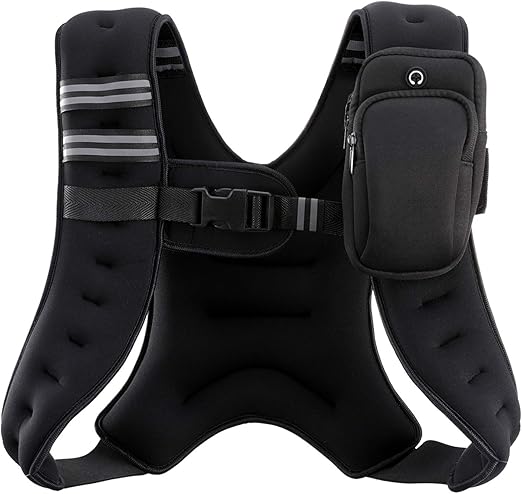
🏋️♂️ ZELUS Weighted Vest – Boost Your Workout Performance!
Available in 6lb to 30lb sizes with reflective stripes. Perfect for strength training, running, fitness, weightlifting, and weight loss.
💥 Get Yours Now for Under $32!
⚖️ Etekcity Digital Bathroom Scale – Precision You Can Trust!
Sleek design with a large blue backlit LCD, high-precision sensors, and durable 6mm tempered glass. Supports up to 400 lbs.
🔥 Shop Now for Under $149!Can You Eat 800 Calories on the 5:2 Diet?
The 5:2 diet has gained massive popularity among weight loss enthusiasts in recent years. Its unique approach allows individuals to enjoy eating normally for five days of the week while restricting their calorie intake on two non-consecutive days. A common question that arises is, “Can you eat 800 calories on the 5:2 diet?” This article will explore the intricacies of the 5:2 diet, the science behind calorie restriction, and shed light on whether consuming 800 calories is a practical and effective strategy for weight loss.
Understanding the 5:2 Diet
The 5:2 diet, also known as the Fast Diet, is relatively simple to follow. It involves eating normally for five days and significantly reducing caloric intake on two non-consecutive days, typically referred to as “fasting days.” The idea is to consume about 500 calories per day for women and 600 calories per day for men on these fasting days. This approach aims to create a calorie deficit that can lead to fat loss without the need for continuous dieting.
How Does the 5:2 Diet Work?
The rationale behind the 5:2 diet lies in the principle of calorie restriction, which has been shown to promote weight loss and improve metabolic health. On the fasting days, the drastic reduction in calorie intake forces the body to use stored fat for energy. Over time, this can lead to substantial weight loss if done correctly. Here’s how it works:
- Caloric Deficit: By limiting calorie intake on fasting days, the diet creates a caloric deficit, which is essential for weight loss.
- Flexibility: The diet’s framework provides the flexibility to enjoy regular meals without the restrictions of conventional dieting, making it easier to stick with over time.
- Improved Metabolism: Research suggests that intermittent fasting can enhance metabolic rates and improve insulin sensitivity.
Can You Eat 800 Calories on Fasting Days?
Now, let’s address the main question: Can you eat 800 calories on the 5:2 diet? While the diet typically suggests 500 calories for women and 600 for men on fasting days, some individuals may wonder if increasing that number to 800 calories is feasible. Here’s a closer look:
The Impact of 800 Calories on Fasting Days
Eating 800 calories instead of the standard 500 to 600 calories can be a mixed bag. Here’s what to consider:
- Weight Loss Goals: If your primary goal is rapid weight loss, sticking to 500-600 calories on fasting days will likely yield better results. However, if you’re more focused on sustainability and mental well-being, 800 calories may be more manageable.
- Feeling Sated: Consuming 800 calories may help curb hunger pangs and cravings, making it easier to stick to the 5:2 diet. It’s essential to focus on nutrient-dense foods to maximize the benefits of your calorie intake.
- Metabolism: Some studies suggest that consuming slightly more calories on fasting days can help maintain metabolic rate and prevent the slow-down that can occur with more drastic calorie restrictions.
What to Eat on Fasting Days
If you choose to follow the 5:2 diet and opt for 800 calories on your fasting days, it’s crucial to make smart food choices. Here are some guidelines for what to eat:
Nutrient-Dense Foods
Focus on foods high in nutrients but low in calories. This way, you can feel full while consuming fewer calories. Here are some great options:
- Vegetables: Leafy greens, broccoli, cauliflower, and zucchini are excellent choices.
- Lean Proteins: Foods like chicken breast, turkey, fish, and plant-based proteins (tofu, beans) can help maintain muscle mass during calorie restriction.
- Whole Grains: If you require more carbs, consider whole grains like quinoa and brown rice in moderation.
- Healthy Fats: Incorporate small amounts of nuts, seeds, avocados, or olive oil to promote satiety.
Sample 800-Calorie Meal Plan
To illustrate how you can structure an 800-calorie intake on a fasting day, here’s a simple meal plan:
- Breakfast: A smoothie made with spinach, half a banana, and 1/2 cup of almond milk (approximately 150 calories).
- Lunch: Grilled chicken salad with mixed greens, cherry tomatoes, cucumbers, and balsamic dressing (approximately 300 calories).
- Snack: 1/2 avocado on a slice of whole-grain bread (approximately 200 calories).
- Dinner: Stir-fried mixed vegetables with tofu (approximately 150 calories).
The Benefits of 800 Calories on the 5:2 Diet
Eating 800 calories instead of the standard amount a couple of times a week can have multiple benefits. Here are some of the most notable:
- Increased Adherence: For many, it’s easier to adhere to a diet plan that allows a little more food intake and satisfaction.
- Better Mood: Staying above the bare minimum calorie intake can help better mood and emotional well-being, reducing feelings of deprivation.
- Enhanced Nutritional Variety: Having a bit more calorie allowance increases the scope for incorporating a variety of food, making your diet more sustainable and enjoyable.
Potential Challenges of 800 Calories on Fasting Days
While an 800-calorie intake on the fasting days can provide benefits, there are also challenges to consider:
Risk of Overcompensation
When eating more calories on fasting days, some individuals may overcompensate by consuming excess calories on non-fasting days. This can thwart weight loss efforts and negate the benefits of the caloric deficit.
Hunger and Cravings
Despite eating more, some individuals may still experience hunger or cravings, making it challenging to stick to the fasting protocol. It’s important to pay attention to hunger cues and strategies for managing cravings effectively.
Individual Variability
Everyone’s body responds differently to intermittent fasting and calorie restriction. Not everyone will experience weight loss on the same trajectory, even with the same caloric intake. It’s essential to be patient and allow for individual differences in metabolic response.
Finding Balance in the 5:2 Diet
The success of the 5:2 diet hinges on finding a balance that works for you. Here are some tips:
- Monitor Progress: Keep a food diary or use apps to track your caloric intake and weight loss progress. This will help you determine whether the 800-calorie allowance works within your overall weight loss goals.
- Adjust as Necessary: If you notice that an 800-calorie intake leads to weight stagnation, consider reverting to the standard 500-600 calorie intake on fasting days.
- Stay Hydrated: Drink plenty of water and herbal teas, which can help fill you up and keep cravings at bay.
Final Note on the 5:2 Diet and 800 Calories
The 5:2 diet can be an effective strategy for weight loss, but it’s important to adhere to methods that promote both physical health and mental well-being. Eating 800 calories on fasting days is a viable option for some, especially for those who find it difficult to adhere to lower caloric restrictions. Always listen to your body, make smart food choices, and stay flexible in your approach to ensure results that are not only effective but also sustainable. Remember to consult with a healthcare professional before making any significant changes to your diet, particularly if you have existing health concerns or conditions.


Related Articles
Our HOME in English: Common questions about the requirements and approval difficulty for getting a personal Tea Weight Loss, especially regarding credit score

The 5:2 diet has gained popularity among many looking to lose weight without the restrictions of traditional diets. This approach involves eating normally for five days of the week while restricting calorie intake to just 500-800 calories for two non-consecutive days. If you’re considering this method and wondering if consuming 800 calories is beneficial, you’re not alone. This article will answer your questions, helping you understand the 5:2 diet and its calorie requirements for effective weight loss.
Understanding the 5:2 Diet
The 5:2 diet promotes a healthier lifestyle by encouraging intermittent fasting. By eating a normal diet for five days and then cutting down significantly on two days, you can achieve a caloric deficit and promote weight loss. Importantly, the 800-calorie days should consist of nutritious, balanced meals to ensure you get essential vitamins and minerals.
Benefits of Eating 800 Calories
- Promotes Weight Loss: Staying at 800 calories creates a caloric deficit that can aid weight loss.
- Improves Insulin Sensitivity: Reduced calorie intake can help manage blood sugar levels.
- Supports Metabolism: Intermittent fasting can keep your metabolism active.
FAQ Section
Can I eat 800 calories on the 5:2 diet without feeling hungry?
Yes, by choosing nutrient-dense foods like vegetables, lean proteins, and whole grains, you can feel full longer even with 800 calories.
What types of foods should I eat on my fasting days?
Focus on low-calorie, high-fiber foods such as vegetables, fruits, and lean proteins to help keep you satisfied.
Is 800 calories enough for a day?
While 800 calories is low, it’s designed for short-term eating patterns like the 5:2 diet. It should not be followed daily.
How will I feel on fasting days?
Some may experience slight hunger, fatigue, or irritability initially, but these feelings typically decrease as your body adapts.
Can I drink liquids on fasting days?
Yes, you can consume non-caloric beverages like water, tea, or black coffee, which will help keep you hydrated.
Can I exercise on the 5:2 diet?
Yes, but listen to your body. On fasting days, low-intensity workouts are recommended.
Is the 5:2 diet suitable for everyone?
This diet is not advisable for pregnant or breastfeeding women, individuals with eating disorders, or certain health conditions without medical advice.
How quickly can I expect to see results?
Results vary by individual, but many start to see weight loss within a few weeks of adhering to the diet properly.
Can I combine the 5:2 diet with other diets?
Combining diets can be complex. It’s wise to consult a healthcare professional before trying multiple methods.
Are there any risks to eating 800 calories?
If done improperly, it can lead to nutrient deficiencies, fatigue, or loss of muscle mass. Ensure balanced and nutrient-dense choices.
How do I manage social events on fasting days?
One strategy is to plan your fasting days around social events, or simply enjoy a small portion of healthy food if tempted during events.
What if I go over 800 calories on a fasting day?
Don’t be too hard on yourself. Focus on getting back on track the next day. It’s about overall trends, not perfection.
Can I drink alcohol on fasting days?
It’s best to avoid alcohol on fasting days, as it adds extra calories and can impair judgment about food choices.
How do I maintain my weight loss after the 5:2 diet?
Gradually increase your caloric intake while maintaining a balanced diet and regular physical activity to sustain weight loss.
Are there any long-term benefits to the 5:2 diet?
Many report improved metabolic health, better insulin sensitivity, and reduced risk factors for chronic diseases after following the diet.
Conclusion
In conclusion, the 5:2 diet allows for a flexible approach to weight loss, where consuming 800 calories on fasting days can be effective when done properly. It’s essential to focus on nutritious foods to support your health goals while adhering to this diet. By planning meals and engaging in a well-balanced diet, many have successfully achieved their weight loss objectives. If you’re considering this diet, be sure to listen to your body, make smart food choices, and consult with a healthcare provider for personalized advice. Start your journey towards a healthier lifestyle today!


