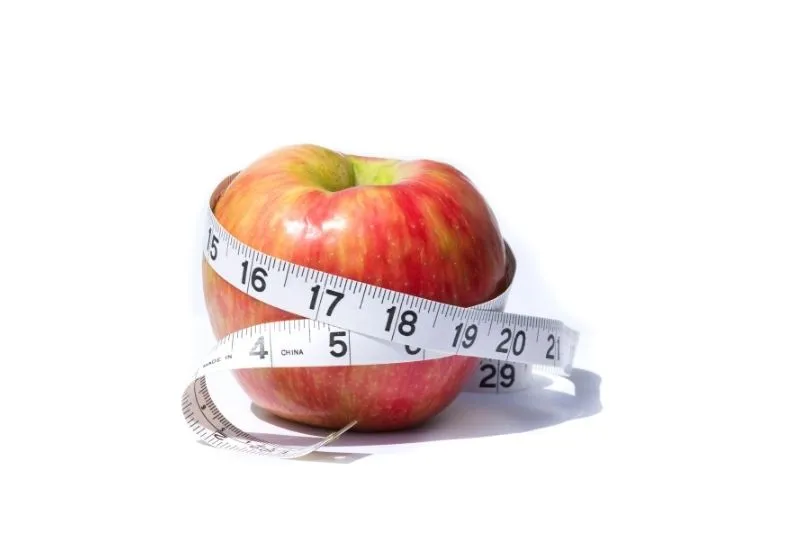
Can sugar cause hormonal acne and weight gain?
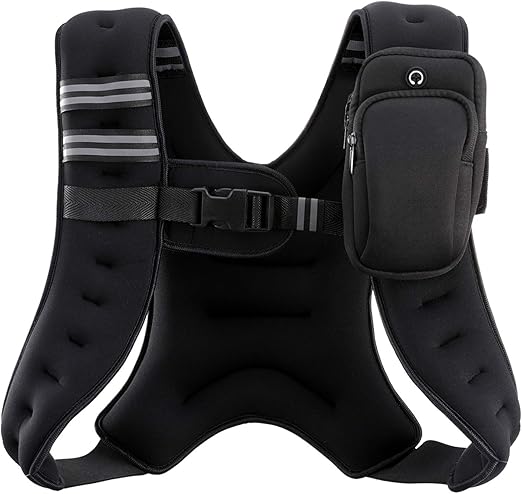
🏋️♂️ ZELUS Weighted Vest – Boost Your Workout Performance!
Available in 6lb to 30lb sizes with reflective stripes. Perfect for strength training, running, fitness, weightlifting, and weight loss.
💥 Get Yours Now for Under $32!
⚖️ Etekcity Digital Bathroom Scale – Precision You Can Trust!
Sleek design with a large blue backlit LCD, high-precision sensors, and durable 6mm tempered glass. Supports up to 400 lbs.
🔥 Shop Now for Under $149!Can Sugar Cause Hormonal Acne and Weight Gain?
In recent years, the discussion surrounding diet and skin health has gained significant traction, with a particular focus on sugar and its effects on hormonal acne and weight gain. Many individuals struggle with these dual issues, seeking answers on how dietary choices, particularly the consumption of sugar, influence their skin’s appearance and overall health. This article dives deep into the relationship between sugar, hormonal fluctuations, acne, and weight management, helping you understand why reducing sugar can be a game-changer for your skin and waistline.
Understanding Sugar and Its Types
Before exploring the connection between sugar, hormonal acne, and weight gain, it’s crucial to understand what sugar is and the types that exist in our diets.
- Natural Sugars: These sugars are found in whole foods like fruits, vegetables, and dairy. They come packaged with vitamins, minerals, and fiber, which are beneficial for overall health.
- Added Sugars: These are sugars added to foods during processing or preparation. Common sources include sodas, candies, baked goods, and many processed foods.
- Refined Sugars: These are processed sugars, often found in sweets and snacks. They offer quick energy but lack essential nutrients.
Understanding these types is essential as added and refined sugars are more likely to affect your health negatively, particularly in relation to hormonal balance and skin health.
The Link Between Sugar and Hormonal Acne
When we consume sugar, our blood sugar levels can spike rapidly, leading to a cascade of hormonal changes in the body. Here’s how sugar can trigger hormonal acne:
1. Insulin Spikes
When you consume a high-sugar diet, it triggers significant spikes in insulin levels. Insulin is a hormone that helps regulate blood sugar, but high levels can lead to:
- Excess Sebum Production: Elevated insulin can stimulate the sebaceous glands in the skin to produce more oil, contributing to clogged pores.
- Inflammation: Increased insulin levels can promote inflammatory responses in the body, exacerbating skin conditions like acne.
2. Hormonal Imbalances
Insulin isn’t the only hormone affected by sugar consumption. Regularly consuming sugars can imbalance other hormones, such as:
- Androgens: High insulin levels may increase androgen production, hormones that can lead to increased oil production and acne.
- Estrogen: Imbalances in estrogen levels can also influence skin health and might lead to breakouts.
The Role of Glycemic Index in Acne
The glycemic index (GI) measures how quickly foods can raise blood sugar levels. Foods with a high GI, such as sugary snacks and white bread, can lead to rapid insulin spikes and might worsen acne. Here’s how this works:
1. High GI Foods and Inflammation
High GI foods can trigger an inflammatory response, leading to increased redness and swelling associated with acne. Consuming these foods regularly may worsen existing skin conditions.
2. Recommendations for Lower GI Foods
To combat hormonal acne, consider incorporating more low-GI foods into your diet:
- Whole grains such as quinoa and brown rice
- Legumes like lentils and chickpeas
- Fruits and vegetables, especially those high in fiber
How Sugar Impacts Weight Gain
In addition to affecting skin health, sugar is notorious for contributing to weight gain. The mechanisms behind this are multi-faceted:
1. Excess Caloric Intake
Many sugary foods and drinks are high in calories but low in nutritional value, leading to excess calorie consumption. Eating a lot of added sugars can lead to:
- Increased Hunger: Sugary foods can leave you feeling hungry sooner due to rapid fluctuations in blood sugar levels.
- Preference for Processed Foods: Diets high in sugar may lead to cravings for more processed foods, leading to unhealthy eating patterns.
2. Sugar and Fat Storage
Fructose, a type of sugar found in many processed foods, is particularly harmful when consumed in excess. It can lead to:
- Increased Fat Accumulation: Fructose is metabolized differently than glucose, being more readily converted into fat by the liver.
- Insulin Resistance: Over time, a diet high in sugar can lead to insulin resistance, making it harder for the body to manage weight effectively.
Effects of Sugar on Mood and Motivation
Interestingly, sugar consumption doesn’t just impact physical health; it also affects mental well-being. Many people experience mood swings associated with their sugar intake, which can create a cycle of emotional eating:
- Short-lived Energy Boost: Consuming sugar can lead to feelings of energy and euphoria, but this is often followed by a crash, leading to fatigue and irritability.
- Emotional Eating: To combat the emotional lows after a sugar high, individuals may turn to more sugary snacks, perpetuating the cycle of gain and poor skin health.
Strategies for Reducing Sugar Intake
If you’re ready to tackle your sugar consumption for better skin and weight management, consider these effective strategies:
1. Educate Yourself
Understanding food labels is crucial. Look for:
- The total sugar content
- Added sugars specifically
- Ingredients that indicate high sugar content, like high-fructose corn syrup
2. Opt for Whole Foods
Focus on whole, unprocessed foods to help reduce sugar intake. This includes:
- Fruits and vegetables
- Nuts and seeds
- Whole grains
3. Drink Water
Replacing sugary drinks with water not only cuts down on sugar but also aids in hydration, which is essential for healthy skin.
4. Find Alternatives
Experiment with natural sweeteners such as:
- Stevia: A natural zero-calorie sweetener.
- Honey: While still a sugar, it has beneficial properties when used in moderation.
- Maple Syrup: A less processed alternative with some minerals.
5. Mindfulness
Practice mindful eating by savoring your food and being aware of what you eat, which can help reduce cravings and emotional eating.
Testing for Food Sensitivities
If you suspect that sugar significantly impacts your skin or weight, consider consulting with a healthcare professional for personalized advice. They may suggest:
- Allergy tests to identify sensitivities
- Nutritional assessments to target dietary needs
Real-Life Success Stories
Many individuals have reported significant improvements in their skin health and weight loss journeys by cutting back sugar. Examples include:
- Case Study 1: A 25-year-old woman noticed a dramatic reduction in breakouts after eliminating processed sugars from her diet and switching to whole foods.
- Case Study 2: A 30-year-old man lost 15 pounds and reported clearer skin after transitioning to a low-GI diet.
These testimonies demonstrate the powerful impact that reducing sugar can have on both skin health and body weight.
Conclusion
In summary, cutting down on sugar can significantly reduce instances of hormonal acne and aid in weight management. The interconnectedness of diet, hormones, and skin health highlights the importance of mindful eating and nutrition choices. By understanding how sugar affects your body, you can take actionable steps toward a healthier lifestyle, clearer skin, and improved well-being.


Related Articles
Our HOME in English: Common questions about the requirements and approval difficulty for getting a personal Tea Burn Weight Loss, especially regarding credit score – see more about Tea Burn Here

Can Sugar Cause Hormonal Acne and Weight Gain?
If you’ve been struggling with hormonal acne and unexplained weight gain, the answer may lie in your sugar intake. Many studies suggest that a high-sugar diet can trigger hormonal imbalances, leading to acne breakouts. When you consume sugar, your body produces insulin to help manage blood sugar levels. High insulin levels can stimulate oil production and clog pores, often resulting in acne. Additionally, sugar encourages fat storage, which can lead to weight gain over time. Understanding the relationship between sugar, hormones, and weight can empower you to make better dietary choices.
Why Cutting Out Sugar Can Help With Weight Loss
Reducing sugar in your diet can be transformative for weight loss. When you cut out sugary foods and drinks, you’re likely to consume fewer empty calories. Instead of quick-energy carbs, focusing on whole foods will keep you fuller for longer. This can lead to reduced snacking and cravings, as well as improved energy levels. Additionally, lower sugar intake can stabilize blood sugar levels, reducing hunger pangs and maintaining a balanced energy supply throughout the day. Making this change not only supports weight loss but can also improve your skin health.
25 Questions and Answers About Sugar, Hormonal Acne, and Weight Gain
1. Can sugar intake trigger hormonal acne?
Yes, excess sugar can increase insulin levels, leading to higher oil production and clogged pores, which can cause hormonal acne.
2. What other foods can exacerbate hormonal acne?
Dairy, refined carbohydrates, and high-glycemic foods can also worsen hormonal acne for some individuals.
3. How does sugar affect weight gain?
Sugar is high in calories and can lead to overeating. It also contributes to fat storage and insulin resistance, promoting weight gain.
4. What are the signs of sugar addiction?
Cravings, mood swings, fatigue, and difficulty controlling sugar intake are common signs of sugar addiction.
5. Is cutting sugar diets effective for all people?
While many people benefit from cutting sugar, individual results may vary. Consult a healthcare professional for personalized advice.
6. What are healthy alternatives to sugar?
Consider natural sweeteners like honey, stevia, or maple syrup in moderation, and focus on whole fruits for sweetness.
7. How long does it take to see changes after cutting out sugar?
Some may notice improvements in skin and weight within a few weeks, while others might take longer to feel and see results.
8. Will cutting sugar improve my skin?
Cutting sugar can help reduce the occurrence of hormonal acne and improve overall skin health by balancing insulin levels.
9. How does sugar impact hormone levels?
High sugar intake can lead to insulin spikes, which disrupt hormonal balance and promote acne development.
10. Can I still eat fruits while cutting sugar?
Yes, fruits contain natural sugars and also provide fiber, vitamins, and minerals. Opt for whole fruits over fruit juices.
11. What is the impact of refined sugar on skin health?
Refined sugars can contribute to inflammation, which can worsen acne and other skin issues.
12. Does stress affect sugar cravings?
Yes, stress can lead to increased cravings for sugary foods as the body seeks comfort through quick-energy sources.
13. Are artificial sweeteners a good substitute?
While they have fewer calories, some studies suggest they may still disrupt insulin levels and appetite for certain individuals.
14. What role does fiber play in weight loss?
Fiber helps you feel full longer, stabilizes blood sugar levels, and aids digestion, contributing to effective weight control.
15. Can drinking water help with sugar cravings?
Drinking water can hydrate you and sometimes alleviate cravings. Proper hydration can reduce unnecessary snacking.
16. What are the benefits of a low-sugar diet?
A low-sugar diet can lead to weight loss, improved skin, better energy levels, and reduced risk of chronic diseases.
17. Can sugar cause other health issues?
Yes, high sugar intake is linked to obesity, diabetes, heart disease, and other serious health problems.
18. How does sugar affect mental health?
Excess sugar can lead to mood swings and fatigue, negatively impacting mental well-being and energy levels.
19. What is glycemic index?
The glycemic index measures how quickly foods raise blood sugar levels. Low-GI foods are better for managing weight and hormones.
20. Should I completely eliminate sugar?
It’s not necessary to eliminate sugar entirely, but reducing added sugars can have significant health benefits.
21. How can I manage sugar cravings?
Incorporate more protein and healthy fats into your meals, stay hydrated, and eat regular meals to keep cravings at bay.
22. Are there specific diets that help with sugar reduction?
The ketogenic diet, paleo diet, and whole-foods diet can help reduce sugar intake and promote weight loss.
23. What are the first steps to cut sugar from my diet?
Begin by eliminating sugary drinks, swapping out processed snacks, and focusing on whole foods like vegetables and whole grains.
24. Will my cravings go away after some time?
Yes, over time, with reduced intake, sugar cravings often diminish as your body adjusts to a lower-sugar diet.
25. How will my energy levels change if I cut sugar?
Initially, you might feel fatigued, but eventually, stable blood sugar levels will lead to more consistent energy throughout the day.
Conclusion
In summary, sugar plays a significant role in both hormonal acne and weight gain. Understanding this connection can empower you to make informed dietary choices. By cutting out sugar, you can potentially improve your skin health, manage your weight, and boost overall well-being. Transitioning to a low-sugar diet may seem challenging at first, but the long-term benefits are worth it. Start today by focusing on whole, nutrient-dense foods, and watch how your body responds positively. Embrace this lifestyle change not only for weight loss but also for clearer skin and better health. The journey to a healthier you begins with your plate!


