
Can my doctor prescribe Ozempic if I’m not diabetic?
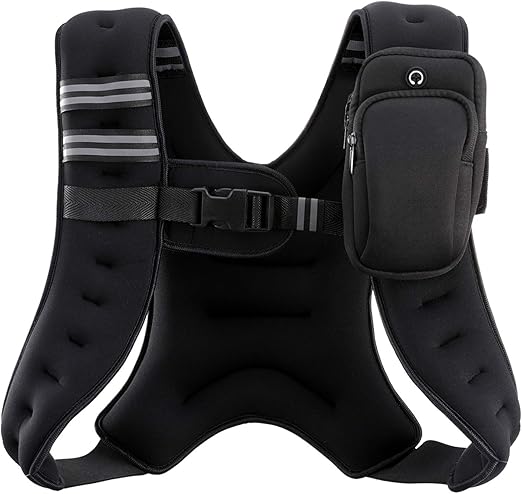
🏋️♂️ ZELUS Weighted Vest – Boost Your Workout Performance!
Available in 6lb to 30lb sizes with reflective stripes. Perfect for strength training, running, fitness, weightlifting, and weight loss.
💥 Get Yours Now for Under $32!
⚖️ Etekcity Digital Bathroom Scale – Precision You Can Trust!
Sleek design with a large blue backlit LCD, high-precision sensors, and durable 6mm tempered glass. Supports up to 400 lbs.
🔥 Shop Now for Under $149!As obesity rates rise across the United States, many people seek out effective solutions for weight loss. In recent years, Ozempic has gained significant attention as a potential weight loss aid. Originally designed to help manage type 2 diabetes, this medication has sparked interest among non-diabetic individuals looking to shed pounds. If you’re curious about whether your doctor can prescribe Ozempic even if you’re not diabetic, you’re in the right place. In this article, we will delve into the intricacies of Ozempic, its intended uses, how it works, potential side effects, and the factors your doctor may consider before prescribing it for weight loss.
What Is Ozempic?
Ozempic, or semaglutide, is a prescription medication used primarily for the treatment of type 2 diabetes. It belongs to a class of drugs known as GLP-1 (glucagon-like peptide-1) receptor agonists. Ozempic is administered via a once-weekly injectable pen and works by mimicking the effects of a hormone in the body that helps regulate blood sugar levels.
How Does Ozempic Work?
Understanding how Ozempic functions can shed light on its potential as a weight loss medication:
- Reduces Appetite: Ozempic influences brain signals that control hunger, leading to a decreased appetite.
- Slows Digestion: It slows the emptying of the stomach, keeping you feeling full longer.
- Enhances Insulin Sensitivity: This medication also improves insulin sensitivity, which can be beneficial for metabolic health.
This combination of effects can help individuals consume fewer calories and promote weight loss, even in those who do not have diabetes.
Can Non-Diabetics Use Ozempic for Weight Loss?
The question on many minds is: “Can my doctor prescribe Ozempic if I’m not diabetic?” The short answer is that while Ozempic is not FDA-approved solely for weight loss in non-diabetic individuals, physicians may still prescribe it off-label. Here’s what you need to know:
Understanding Off-Label Use
Off-label prescribing occurs when a doctor prescribes a medication for a purpose outside the medication’s official FDA-approved uses. Although this practice is legal and common, it usually requires specific medical judgment and a thorough evaluation of the patient’s health.
Reasons for Off-Label Ozempic Prescription
There are several reasons a doctor might consider prescribing Ozempic to a non-diabetic patient as a weight loss aid:
- Obesity Diagnosis: If you have a BMI of 30 or higher, or a BMI of 27 or higher with weight-related conditions, your doctor may believe that Ozempic could assist in your weight loss journey.
- Behavioral Weight Loss Efforts: If other weight-loss strategies, such as diet and exercise, have not been effective, doctors may lean towards pharmacological options.
- Metabolic Syndrome Risk: Patients with metabolic syndrome may benefit from Ozempic due to its ability to improve blood sugar levels and support weight loss.
Criteria and Considerations for an Ozempic Prescription
When contemplating an Ozempic prescription for weight loss, your doctor will consider various factors, such as:
- Medical History: A comprehensive review of your health history is critical. Conditions like pancreatitis, diabetic retinopathy, or history of medullary thyroid carcinoma could affect eligibility.
- Current Medications: Discussing other medications you’re taking is important to prevent harmful interactions.
- Diet and Exercise Regimen: Your commitment to making lifestyle changes is an essential factor in determining medication necessity.
Potential Benefits of Ozempic for Weight Loss
If your doctor decides to prescribe Ozempic for weight loss, you may experience several benefits, including:
- Significant Weight Loss: Clinical trials suggest that non-diabetic users can lose up to 15% of their body weight with Ozempic combined with lifestyle changes.
- Improved Metabolic Health: Users often report better overall metabolic health, including improved cholesterol and blood pressure levels.
- Long-Lasting Effects: The once-weekly injection can help maintain adherence to a weight loss regimen more easily than daily medications.
Possible Side Effects of Ozempic
As with any medication, Ozempic does come with potential side effects. Being aware of these is crucial for making informed decisions:
- Nausea and Vomiting: These are the most commonly reported side effects, especially when starting the medication.
- Diarrhea or Constipation: Gastrointestinal issues can vary from person to person.
- Risk of Pancreatitis: There is a risk of developing pancreatitis, which can be serious.
- Kidney Issues: There may be a risk of kidney problems, particularly in patients with existing kidney issues.
If you experience severe or persistent side effects, it’s important to contact your healthcare provider promptly.
Recent Developments in Ozempic Prescriptions
As the understanding of Ozempic’s effectiveness for weight loss evolves, significant developments have occurred regarding its prescribing practices:
- Expanding Research: Ongoing clinical trials are investigating Ozempic’s safety and efficacy specifically for weight loss in non-diabetic populations.
- Guideline Updates: Professional medical organizations are increasingly recognizing the role of weight loss medications in obesity management, which could pave the way for broader prescribing.
- Insurance Coverage Variability: Some insurance providers may not cover Ozempic for weight loss, which is an important consideration as you explore your options.
How to Approach Your Doctor about Ozempic
If you’re interested in exploring Ozempic as a weight loss option, here are some strategies for discussing it with your healthcare provider:
- Be Honest: Clearly outline your weight loss goals and previous efforts.
- Ask Questions: Inquire about the potential benefits and risks of using Ozempic for weight loss.
- Share Concerns: If you have concerns about side effects or long-term use, discuss these openly.
Alternative Weight Loss Options
If Ozempic is not deemed suitable for you, many other weight loss options exist. Some alternatives include:
- Other Medications: Various prescription weight loss medications are available, and your doctor may recommend suitable ones based on your individual health profile.
- Lifestyle Changes: Combining a healthy diet with regular exercise can lead to significant weight loss results.
- Bariatric Surgery: For individuals with severe obesity, surgical options may be considered.
In conclusion, whether or not your doctor can prescribe Ozempic if you’re not diabetic may depend on various factors, including your health status, weight loss history, and overall commitment to lifestyle changes. It’s essential to have an open discussion with your healthcare provider to explore your options and determine the best course of action for your weight loss journey.


Related Articles
Our HOME in English: Common questions about the requirements and approval difficulty for getting a personal Tea Weight Loss, especially regarding credit score

Can My Doctor Prescribe Ozempic If I’m Not Diabetic?
Many people are exploring weight loss options as they strive for healthier lifestyles, and Ozempic, originally designed for diabetes management, has gained attention. This medication mimics GLP-1, a hormone that regulates appetite and glucose levels, and has shown promising results in weight loss. If you’re curious whether Ozempic might be suitable for you, understanding its uses and discussing it with your doctor is crucial. While not officially indicated for weight loss in non-diabetics, it has become a popular off-label option for those looking to shed pounds.
FAQ
Can non-diabetic patients be prescribed Ozempic?
Yes, some doctors may prescribe Ozempic off-label for non-diabetics seeking weight loss, although this is up to the physician’s discretion.
What is off-label prescribing?
Off-label prescribing refers to the practice of prescribing medication for a purpose other than what it was originally approved for by the FDA.
How effective is Ozempic for weight loss?
Ozempic has been shown to promote significant weight loss by reducing appetite and calorie intake, often resulting in 5-10% body weight reduction.
What are the side effects of Ozempic?
Common side effects include nausea, vomiting, diarrhea, and stomach pain. Discuss potential risks with your doctor.
Is Ozempic safe for long-term use?
Although many have used Ozempic for extended periods, ongoing studies are evaluating its long-term safety. Always consult with a healthcare professional.
How is Ozempic administered?
Ozempic is administered via a weekly injection under the skin, typically in the abdomen, thigh, or upper arm.
Does insurance cover Ozempic for non-diabetics?
Coverage varies by insurance plan, so check with your provider to understand the specifics regarding non-diabetic prescriptions.
What dietary changes should accompany Ozempic use?
For optimal weight loss results, it’s recommended to combine Ozempic with a balanced diet and regular exercise.
Can I take Ozempic with other medications?
Always inform your doctor of all medications you’re taking, as some may interact with Ozempic or affect its efficacy.
How long does it take to see results from Ozempic?
Many users typically notice weight loss within the first few weeks, with maximum results often seen after several months.
Who should avoid using Ozempic?
Individuals with a personal or family history of medullary thyroid carcinoma or multiple endocrine neoplasia syndrome type 2 should avoid it.
Can Ozempic cause low blood sugar?
While Ozempic is less likely to cause low blood sugar compared to other diabetes medications, it can still occur, especially when combined with other treatments.
What lifestyle changes are most effective with Ozempic?
Incorporating healthy eating habits, regular physical activity, and behavioral changes enhance Ozempic’s weight loss benefits.
Is there a risk of developing tolerance to Ozempic?
There is currently limited evidence of developing tolerance, but the effectiveness can vary from person to person.
How can I get personalized advice about Ozempic?
Consult your healthcare provider to discuss your medical history and weight loss goals for tailored advice regarding Ozempic.
Conclusion
In summary, while Ozempic is primarily prescribed for diabetes management, its weight loss benefits have led to increased off-label use among non-diabetic patients. If you’re considering this option, it’s essential to consult with your healthcare provider to assess your individual needs and any potential risks involved. Engaging in a comprehensive weight loss plan that includes dietary modifications and regular exercise will enhance the effects of Ozempic. Overall, it can be a tool in your journey towards achieving a healthier weight, provided it’s used with proper medical guidance.


