
Can I take Ozempic for weight loss only?
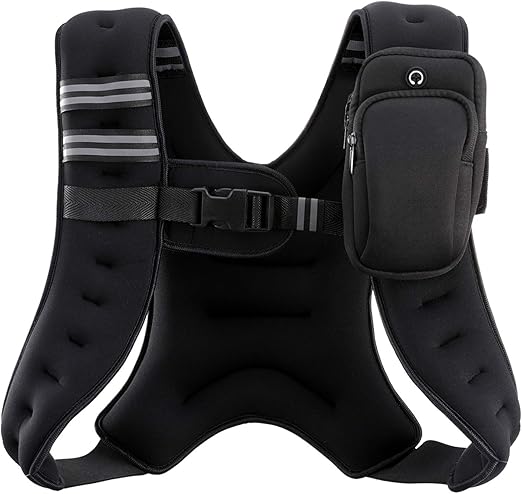
🏋️♂️ ZELUS Weighted Vest – Boost Your Workout Performance!
Available in 6lb to 30lb sizes with reflective stripes. Perfect for strength training, running, fitness, weightlifting, and weight loss.
💥 Get Yours Now for Under $32!
⚖️ Etekcity Digital Bathroom Scale – Precision You Can Trust!
Sleek design with a large blue backlit LCD, high-precision sensors, and durable 6mm tempered glass. Supports up to 400 lbs.
🔥 Shop Now for Under $149!Can I Take Ozempic for Weight Loss Only?
With the increasing popularity of Ozempic as a weight loss aid, many people find themselves asking, “Can I take Ozempic for weight loss only?” This article dives into the specifics of Ozempic, how it works, its intended purposes, and whether it is a viable option for those solely looking to shed pounds. Recognizing the eligibility criteria and understanding potential side effects are essential for anyone considering this medication. Let’s explore this topic in detail.
What is Ozempic?
Ozempic, generically known as semaglutide, is a medication primarily prescribed for the management of type 2 diabetes. It mimics the effects of a hormone called GLP-1 (glucagon-like peptide-1) that plays a key role in regulating blood sugar and appetite. By enhancing insulin secretion and suppressing glucagon release, Ozempic helps lower blood sugar levels. Interestingly, its appetite-suppressing effects have also drawn attention to its use in weight management.
How Does Ozempic Promote Weight Loss?
The weight loss associated with Ozempic occurs through several mechanisms:
- Appetite Suppression: By acting on appetite-regulating centers in the brain, Ozempic helps reduce cravings and feelings of hunger.
- Slower Gastric Emptying: It slows down the process of gastric emptying, which means food stays in the stomach longer, promoting a prolonged feeling of fullness.
- Improved Metabolism: Ozempic may enhance metabolic processes and increase energy expenditure.
In clinical trials, patients using Ozempic for weight loss have reported significant reductions in body weight, leading many to wonder if it is a suitable option for those without diabetes. However, it is crucial to understand the medication’s intended usage before considering it purely for weight loss.
Who is Ozempic Intended For?
Ozempic is primarily approved for the treatment of adults with type 2 diabetes, particularly those who have not achieved adequate blood sugar control through diet and exercise alone. It may also be prescribed for individuals at high risk of cardiovascular events. However, interest has surged regarding its off-label use for weight loss. So, can it be prescribed for weight loss purposes?
Using Ozempic Off-Label for Weight Loss
Off-label prescribing means that a physician can prescribe a medication for purposes other than those approved by the FDA. In the case of Ozempic, some healthcare providers do prescribe it for weight loss, especially for individuals who are overweight or obese and do not have diabetes. Factors influencing this decision generally include:
- Body Mass Index (BMI): Individuals with a BMI of 30 or more (class 1 obesity) may be considered for Ozempic.
- Weight-Related Health Issues: Conditions such as hypertension, sleep apnea, or joint disorders related to obesity might qualify for treatment.
- Previous Weight Loss Attempts: Individuals who have tried other weight loss methods unsuccessfully may be candidates for Ozempic.
However, this off-label use requires careful consideration and should only be pursued under the guidance of a healthcare professional.
Potential Benefits of Ozempic for Weight Loss
When used under medical supervision, Ozempic might offer several advantages for those seeking weight loss, including:
- Sustained Weight Loss: Participants in clinical trials have seen significant weight loss, with some studies indicating an average loss of 15% of body weight over 68 weeks.
- Lower Blood Sugar Levels: For individuals who may have borderline diabetes concerns, Ozempic can help manage blood glucose levels while promoting weight loss.
- Improved Cardiovascular Risk Factors: Weight loss can lead to lower blood pressure and improvements in cholesterol levels, reducing the overall risk for heart disease.
Understanding the Risks and Side Effects
While Ozempic can be effective, it is essential to recognize its potential risks and side effects:
- Nausea and Vomiting: Some users report gastrointestinal issues, particularly during the initiation of therapy.
- Pancreatitis: Although rare, there may be an increased risk of pancreatitis associated with GLP-1 receptor agonists like Ozempic.
- Kidney Problems: Some individuals may experience kidney-related complications, particularly dehydration due to vomiting.
- Allergic Reactions: There is a possibility of allergic reactions, which could be severe in rare cases.
Dosing and Administration
Ozempic is administered via a subcutaneous injection, typically in the abdomen, thigh, or upper arm. The usual starting dose is 0.25 mg once weekly for four weeks, followed by an increase to 0.5 mg once weekly. Depending on individual response, doctors may further increase the dosage to a maximum of 1 mg per week. Following the prescribed regimen is crucial for optimal results.
Is Ozempic Right for You?
Determining whether Ozempic is an appropriate weight loss option involves several considerations:
- Medical History: Consider your medical history and current health conditions.
- Consulting a Healthcare Provider: Always speak with a healthcare professional to evaluate personal goals, underlying health issues, and potential risks.
- Long-Term Management: Consider that Ozempic should be part of a comprehensive weight management plan that includes dietary changes, exercise, and behavioral support.
Alternatives to Ozempic for Weight Loss
While Ozempic may be beneficial for some, it is not the only option for weight management. Alternatives to consider include:
- Other GLP-1 Agonists: Medications like Wegovy (another form of semaglutide) have been specifically approved for weight loss.
- Phentermine: An appetite suppressant that aids in short-term weight loss.
- Behavioral Programs: Engaging in structured weight loss programs can provide support and guidance.
- Dietary Changes: Focusing on balanced nutrition and healthy eating can lead to sustainable weight loss.
- Physical Activity: Regular exercise combined with dietary changes often yields significant results.
The Importance of Professional Supervision
If you are considering Ozempic solely for weight loss, it is imperative to approach this decision with caution. Working closely with a medical professional is crucial for:
- Monitoring Health: Routine check-ins can help manage any side effects and adjustments in dosing.
- Setting Realistic Goals: A healthcare provider can help set achievable weight loss targets tailored to individual needs.
- Accessing Resources: Professionals can also provide guidance on lifestyle adjustments and behavioral support that complement Ozempic treatment.
Final Considerations
Taking Ozempic exclusively for weight loss is an option that some may consider but should not be undertaken lightly. Proper evaluation by a healthcare professional is necessary to understand the medication’s implications and to ensure safe and effective use. Remember, while weight loss medications can aid in achieving goals, they should complement a holistic approach that includes diet, exercise, and lifestyle adjustments for long-lasting results.


Related Articles
Our HOME in English: Common questions about the requirements and approval difficulty for getting a personal Tea Weight Loss, especially regarding credit score

Can I Take Ozempic for Weight Loss Only?
Are you struggling with weight loss and curious about whether Ozempic could be the solution? Many people are seeking effective ways to shed pounds, and Ozempic has gained attention for its potential weight-loss benefits. Originally developed to manage type 2 diabetes, Ozempic (semaglutide) works by mimicking a hormone that regulates appetite and glucose levels. However, its off-label use for weight management has become increasingly popular. Understanding whether it’s right for you is essential, especially when considering potential side effects and professional recommendations.
Conclusion
In summary, while Ozempic is primarily prescribed for managing type 2 diabetes, many users have found success in leveraging its appetite-suppressing properties for weight loss. It’s crucial to consult with a healthcare professional before starting Ozempic solely for weight loss, as both medical history and potential side effects need to be taken into account. If you’re considering this path, a tailored plan, coupled with lifestyle changes, can lead to significant results. By making educated choices, you’re on your way to achieving your weight loss goals healthily and effectively.
FAQs
1. Can I use Ozempic just for weight loss?
Yes, while Ozempic is primarily for diabetes management, many people use it off-label for weight loss under medical supervision.
2. What is the primary function of Ozempic?
Ozempic mimics the GLP-1 hormone, which regulates insulin, lowers blood sugar levels, and reduces appetite.
3. How much weight can I expect to lose with Ozempic?
Clinical trials show that patients can lose an average of 15% of their body weight when combined with diet and exercise.
4. Are there any side effects?
Common side effects include nausea, vomiting, diarrhea, and possible pancreatitis. Consult your doctor for personalized advice.
5. Is Ozempic safe for everyone?
No, those with a history of certain conditions like medullary thyroid carcinoma or multiple endocrine neoplasia should avoid it.
6. How do I take Ozempic?
Ozempic is administered as a subcutaneous injection once a week, preferably on the same day each week.
7. Can I take Ozempic with other medications?
It can interact with other medications, so it’s essential to discuss your current medications with your healthcare provider.
8. How long does it take to see results?
Most users report noticeable weight loss within the first few weeks, along with improved appetite control.
9. Is Ozempic covered by insurance?
Many insurance plans cover Ozempic, but coverage for weight loss use may vary. Check with your insurer for specific details.
10. Do I need to follow a diet while taking Ozempic?
Yes, combining Ozempic with a healthy diet and exercise is recommended for optimal weight loss results.
11. Are there alternatives to Ozempic for weight loss?
Yes, alternatives include other GLP-1 receptor agonists, lifestyle changes, and prescription weight-loss medications.
12. Can I stop taking Ozempic once I lose weight?
Consult your doctor before discontinuing Ozempic, as maintaining weight loss often requires ongoing support.
13. Will I gain weight again after stopping Ozempic?
Weight regain is possible if lifestyle changes are not maintained after discontinuing the medication.
14. Is Ozempic suitable for those without diabetes?
It is FDA-approved for weight management in individuals with obesity or overweight-related conditions, even without diabetes.
15. Where can I get Ozempic?
Ozempic is available by prescription, so consult your healthcare provider for guidance on obtaining it.


