
Can I lose 10 pounds in 2 weeks?
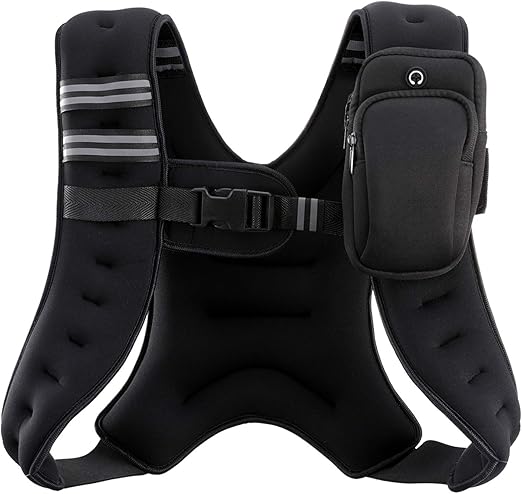
🏋️♂️ ZELUS Weighted Vest – Boost Your Workout Performance!
Available in 6lb to 30lb sizes with reflective stripes. Perfect for strength training, running, fitness, weightlifting, and weight loss.
💥 Get Yours Now for Under $32!
⚖️ Etekcity Digital Bathroom Scale – Precision You Can Trust!
Sleek design with a large blue backlit LCD, high-precision sensors, and durable 6mm tempered glass. Supports up to 400 lbs.
🔥 Shop Now for Under $149!If you’ve been wondering, “Can I lose 10 pounds in 2 weeks?” you’re not alone. Many people strive for quick weight loss due to upcoming events, vacations, or simply a desire to jumpstart their fitness journey. However, losing weight at a rapid pace can be both alluring and daunting. In this article, we will delve into the realities of losing 10 pounds in just two weeks, exploring the science behind weight loss, methods that may help, and key factors to consider for achieving your goals safely and effectively.
The Science of Weight Loss
To understand whether losing 10 pounds in 2 weeks is feasible, it’s crucial to grasp the fundamentals of weight loss. Weight loss primarily occurs when you consume fewer calories than your body expends. This caloric deficit can be achieved through a combination of dietary changes, increased physical activity, and other lifestyle alterations.
Caloric Deficit Explained
A pound of body weight is roughly equivalent to 3,500 calories. Therefore, to lose 1 pound, you need to create a caloric deficit of about 3,500 calories. For many, this translates to a daily deficit of approximately 500 to 1,000 calories, resulting in a weight loss of 1 to 2 pounds per week—considered a healthy and sustainable rate of weight loss.
- 1 pound = 3,500 calories
- Safe weight loss target = 1 to 2 pounds per week
To reach a goal of losing 10 pounds in 2 weeks, you would need to create a caloric deficit of about 35,000 calories in 14 days, or approximately 2,500 calories per day. For most people, achieving such a drastic calorie deficit is not only difficult but may also be unhealthy.
Is It Healthy to Lose 10 Pounds in 2 Weeks?
The short answer is: it can be risky. While some individuals may lose weight quickly through extreme diets or rigorous exercise regimens, such methods can often lead to muscle loss, nutritional deficiencies, and other health issues. Additionally, rapid weight loss is usually not sustainable, leading many to regain the lost weight just as quickly.
Potential Risks of Rapid Weight Loss
- Nutrient Deficiencies: Losing weight too quickly often means cutting out essential food groups, which can lead to deficiencies in vitamins and minerals.
- Muscle Loss: A large caloric deficit can result in losing muscle mass instead of fat, which is not desirable for long-term health.
- Gallstones: Rapid changes in weight can increase the risk of gallstones, which can be painful and require medical treatment.
- Metabolic Slowdown: Extreme diet changes can slow down your metabolism over time, making it harder to maintain or lose weight in the future.
Realistic Weight Loss: Strategies for Success
While losing 10 pounds in two weeks may not be a healthy or realistic goal for everyone, there are effective strategies you can implement to lose weight safely and sustainably. Below are some tips to help you kickstart your weight loss journey.
1. Setting Achievable Goals
Instead of aiming for 10 pounds, consider a more attainable target of 1 to 2 pounds per week. This allows for gradual change and is less likely to affect your physical and mental well-being.
2. Dietary Changes
Focusing on your diet is one of the most effective ways to lose weight. Here are some dietary changes to consider:
- Increase Protein Intake: Foods high in protein can help you feel full longer, reducing the tendency to snack excessively.
- Eat Whole Foods: Prioritize whole, minimally processed foods such as fruits, vegetables, whole grains, and lean proteins.
- Reduce Sugar and Refined Carbs: Cut back on sugary drinks and snacks, as well as refined carbohydrates that can lead to weight gain.
- Control Portion Sizes: Be mindful of portion sizes to avoid overeating, even when eating healthier foods.
3. Exercise Regularly
Incorporating physical activity into your routine is vital for weight loss. Aim for a combination of both cardiovascular exercise and strength training:
- Cardio: Activities like running, cycling, or swimming can boost your calorie burn. Aim for at least 150-300 minutes of moderate-intensity aerobic activity per week.
- Strength Training: Lifting weights or performing body-weight exercises at least twice a week can help you build muscle, which boosts metabolism.
4. Stay Hydrated
Drinking plenty of water is essential for weight loss. Sometimes, our bodies mistake thirst for hunger, leading to unnecessary snacking. Aim for at least 8 cups of water a day, more if you’re active.
5. Get Enough Sleep
Quality sleep plays a crucial role in weight management. Lack of sleep can disrupt hormones that regulate appetite, making it harder to resist unhealthy foods. Strive for 7 to 9 hours of sleep per night.
The Role of Mindfulness and Behavior Change
Weight loss is not just about the numbers on the scale; it’s also a mental journey. Mindfulness and behavioral changes can significantly impact your weight loss success.
Practice Mindful Eating
Mindful eating involves paying close attention to what you eat, savoring each bite, and recognizing feelings of hunger and fullness. This practice can help prevent overeating and encourage a healthier relationship with food.
Behavioral Changes for Weight Loss
- Keep a Food Diary: Recording what you eat can help you identify habits and triggers associated with overeating.
- Find Support: Joining a weight loss group or finding a weight loss buddy can provide motivation and accountability.
- Set Up a Reward System: Reward yourself for reaching mini-goals, which can help keep you motivated and focused.
Understanding Water Weight
In the early stages of any weight loss plan, many people experience significant drops in weight due to the loss of water weight. When you cut calories or reduce carbs, your body releases stored glycogen, which is bound to water. While this initial loss can be encouraging, it’s essential to understand that:
- This is typically temporary and not indicative of fat loss.
- Quick fluctuations in weight due to water retention can happen for various reasons, including sodium intake and hormonal changes.
Long-Term Goals Matter
While seeing progress on the scale can be motivating, focusing solely on rapid weight loss may obscure the importance of **long-term health and fitness**. Here are some principles to consider:
- Focus on Lifestyle Changes: Incorporate healthy habits that you can sustain over the long term, such as regular exercise and balanced eating.
- Celebrate Non-Scale Victories: Pay attention to improvements in energy levels, mood, and fitness rather than just the scale.
Seeking Professional Guidance
If you’re serious about losing weight, consider consulting a healthcare professional or a registered dietitian. They can help tailor a weight loss plan specifically for you based on your individual needs, preferences, and health conditions. Their guidance can ensure that you lose weight safely and effectively, incorporating healthy practices that promote enduring results.
When to Consider Medical Intervention
For some individuals, especially those with significant obesity or underlying health conditions, medical weight loss options may be appropriate. This could include:
- Prescription Medications: These can assist in weight loss but should always be prescribed and monitored by a healthcare provider.
- Bariatric Surgery: For eligible candidates, surgical interventions may be necessary for significant weight loss in certain cases.
Conclusion: Your Journey Ahead
While the idea of losing 10 pounds in 2 weeks can be enticing, it’s crucial to approach your weight loss journey with realistic expectations and healthy practices. The ultimate goal should be **sustainable weight loss** and overall well-being rather than rapid, short-term results. Remember, consistency is key to long-term success. As you embark on your weight loss journey, embrace each step, prioritize your health, and celebrate your efforts along the way.


Related Articles
Our HOME in English: Common questions about the requirements and approval difficulty for getting a personal Tea Weight Loss, especially regarding credit score

Can I Lose 10 Pounds in 2 Weeks?
Are you looking to shed those stubborn 10 pounds in just two weeks? You’re not alone! Many individuals seek rapid weight loss solutions, especially for special occasions or health goals. While it’s tempting to aim for significant weight loss in a short amount of time, it’s crucial to approach this goal safely and effectively. With the right blend of diet, exercise, and lifestyle changes, it’s possible to lose weight. However, achieving a loss of 10 pounds in just 14 days should be approached with caution and realistic expectations.
Conclusion
In conclusion, losing 10 pounds in 2 weeks is a challenging yet achievable goal for some individuals. It requires dedication, a strategic plan of healthy eating, regular exercise, and a commitment to lifestyle changes. While rapid weight loss is possible, it’s essential to listen to your body and prioritize health over quick fixes. It’s advisable to consult with a healthcare provider or a nutritionist before starting any drastic weight loss plan. Remember, the ultimate goal is sustainable weight management for long-term health benefits. Whether you’re looking to fit into a dress or improve your overall well-being, patience and consistency are key.
FAQs
1. Is it safe to lose 10 pounds in 2 weeks?
Losing 10 pounds in 2 weeks can be risky and may not be safe for everyone. It’s essential to prioritize your health and consult a healthcare professional before embarking on aggressive weight loss plans.
2. How can I lose weight quickly?
Focus on a balanced diet, increase physical activity, reduce caloric intake, and stay hydrated. Incorporating high-intensity interval training (HIIT) can also aid in faster fat loss.
3. What foods should I avoid to lose weight?
Avoid sugary snacks, processed foods, and high-calorie beverages. Instead, opt for whole foods, such as fruits, vegetables, lean proteins, and whole grains for better results.
4. Can exercise help me lose 10 pounds in 2 weeks?
Yes, incorporating regular exercise can help accelerate weight loss. Aim for at least 150 minutes of moderate aerobic activity weekly, coupled with strength training.
5. Will dieting alone help me lose weight?
While dieting is essential for weight loss, combining it with exercise usually yields better and faster results. A holistic approach is more effective.
6. How many calories should I eat?
Your caloric needs depend on factors like age, sex, activity level, and weight goals. A general rule is to create a deficit of 500-1000 calories per day for healthy weight loss, but consult a professional for personalized advice.
7. Should I try meal replacement shakes?
Meal replacement shakes can be helpful for weight loss but should be used cautiously. They shouldn’t replace entire meals for long periods and should emphasize nutrition.
8. How important is hydration for weight loss?
Staying hydrated is crucial for weight loss. Drinking plenty of water helps control hunger, boosts metabolism, and supports overall health.
9. Can stress affect my weight loss efforts?
Yes, stress can lead to weight gain or hinder weight loss due to stress hormones and emotional eating. Managing stress through mindfulness or exercise is important.
10. Is intermittent fasting effective for weight loss?
Intermittent fasting can be an effective strategy for some people, promoting weight loss through caloric restriction and improved metabolic health.
11. What role do snacks play in weight loss?
Healthy snacks can prevent overeating by regulating hunger. Choose nutritious snacks to support your weight loss journey without exceeding caloric goals.
12. How do I stay motivated during my weight loss journey?
Setting realistic goals, tracking progress, and joining support groups can enhance motivation. Celebrate small achievements to keep you inspired.
13. Can I lose weight without exercising?
While exercise boosts weight loss, you can still lose weight through dietary changes alone. However, a combination of both is ideal for optimal results.
14. What are the risks of rapid weight loss?
Rapid weight loss can lead to muscle loss, nutritional deficiencies, gallstones, and other health issues. Always aim for safe and sustainable weight loss practices.
15. Can supplements help with weight loss?
Some supplements may aid weight loss, but they shouldn’t replace a healthy diet and exercise. Always consult a healthcare provider before starting any supplement regimen.


