
Can birth control make you fat?
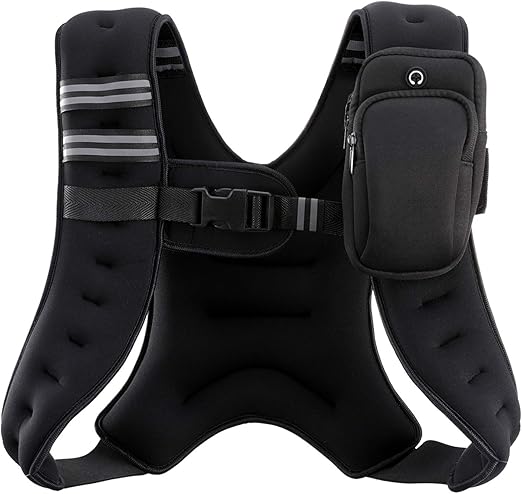
🏋️♂️ ZELUS Weighted Vest – Boost Your Workout Performance!
Available in 6lb to 30lb sizes with reflective stripes. Perfect for strength training, running, fitness, weightlifting, and weight loss.
💥 Get Yours Now for Under $32!
⚖️ Etekcity Digital Bathroom Scale – Precision You Can Trust!
Sleek design with a large blue backlit LCD, high-precision sensors, and durable 6mm tempered glass. Supports up to 400 lbs.
🔥 Shop Now for Under $149!Understanding the relationship between birth control and weight gain is crucial for many women in the United States. With a plethora of contraceptive options available, from pills to implants, concerns about weight fluctuations can make choosing the right method daunting. This article explores whether birth control can indeed lead to weight gain, the types of birth control methods available, their side effects, and tips on managing your weight while using hormonal contraception.
What is Birth Control?
Birth control encompasses various methods used to prevent pregnancy. These methods can be hormonal or non-hormonal, each with its pros and cons. Hormonal birth control methods regulate hormones to suppress ovulation, while non-hormonal methods create barriers to sperm reaching an egg.
Types of Birth Control Methods
There are several types of birth control methods available, which can generally be grouped into two categories: hormonal and non-hormonal.
Hormonal Methods
- Birth Control Pills: Taken daily, containing estrogen and progestin or progestin-only.
- Birth Control Patch: A sticker worn on the skin that releases hormones into the bloodstream.
- Birth Control Implant: A small rod inserted under the skin that releases hormones for an extended period.
- IUD (Intrauterine Device): A small T-shaped device inserted into the uterus that can be hormonal or non-hormonal.
- Birth Control Injection: A hormone shot administered every few months to prevent ovulation.
Non-Hormonal Methods
- Condoms: Barriers that prevent sperm from entering the uterus.
- Diaphragms: A barrier placed inside the vagina to cover the cervix.
- Spermicides: Chemicals that kill sperm, often used with barriers.
- Natural Methods: Tracking ovulation and abstaining during fertile periods.
Can Birth Control Cause Weight Gain?
The question of whether birth control can make you gain weight is a common concern. Research shows mixed results, and individual responses to hormonal contraceptives can vary widely.
Research Findings
While some studies indicate that hormonal birth control can lead to modest weight gain, many women do not experience any noticeable changes. According to the American Journal of Obstetrics and Gynecology, weight gain associated with birth control pills typically ranges from 1 to 5 pounds in the first few months of use. However, beyond this initial phase, many women find their weight stabilizes and does not continue to increase.
How Hormonal Birth Control Might Cause Weight Gain
Birth control methods containing hormones may contribute to weight changes through several mechanisms:
- Appetite Changes: Hormonal fluctuations can lead to increased hunger for some women.
- Fluid Retention: Hormones can cause your body to retain more water.
- Fat Storage: Hormonal changes may influence how your body stores fat, particularly in the abdominal area.
Types of Hormonal Contraceptives and Their Effects on Weight
Different types of hormonal contraceptives may have varying effects on weight, and understanding these differences can help in making informed decisions.
Combined Oral Contraceptives (COCs)
COCs contain both estrogen and progestin. While some women report weight gain, studies suggest that this is often related to water retention rather than an increase in body fat. Most women can return to their pre-birth control weight after they stop using these pills.
Progesterone-Only Pills (POPs)
Also known as the mini-pill, POPs are usually recommended for women who can’t take estrogen. Some women experience weight gain due to increased appetite or changes in metabolism, but extensive studies are limited.
Birth Control Patch and Ring
These methods release hormones steadily into the bloodstream, similar to COCs. User experiences are mixed, but anecdotal evidence suggests that weight gain is typically minimal.
Implant and IUDs
The hormonal implant and hormonal IUDs tend to have fewer reports of weight gain. Many women find these methods easier to manage and often experience little to no weight change.
Injection (Depo-Provera)
This method is often associated with weight gain, with some studies showing an average increase of 5 pounds or more within the first year. However, this may vary widely from person to person.
Understanding Individual Variability
Every woman’s body reacts differently to hormonal contraceptives due to factors like genetics, metabolism, and lifestyle. Some women may experience little to no weight gain, while others may notice more significant changes. It’s essential to monitor your weight and overall well-being when starting any new contraceptive method.
How to Manage Weight While on Hormonal Birth Control
If you are concerned about weight gain while using birth control, there are several steps you can take to maintain a healthy weight.
Adopt a Balanced Diet
- Increase Fruits and Vegetables: Aim for half of your plate to be filled with colorful fruits and vegetables.
- Choose Whole Grains: Select whole-grain options over white, refined versions.
- Watch Portion Sizes: Be mindful of serving sizes to avoid overeating.
Incorporate Regular Exercise
Engaging in physical activity is crucial for weight management. Aim for at least 150 minutes of moderate aerobic activity each week combined with strength training exercises twice a week.
Stay Hydrated
Drinking enough water can help manage hunger and promote a feeling of fullness. Aim for at least 8 cups (64 ounces) of water daily, adjusting based on your activity level and climate.
Monitor Your Weight
Keep track of your weight regularly, which can help you spot changes early and address them proactively. If you notice significant weight gain, consult your healthcare provider.
Communicating with Your Healthcare Provider
It’s essential to have open conversations with your healthcare provider about any concerns regarding weight and your birth control method. They can help you explore alternatives if necessary and provide tailored advice based on your individual circumstances.
When to Consider Alternative Methods
If you’re finding it challenging to manage your weight on a hormonal contraceptive, you might want to consider alternative options. Non-hormonal methods like condoms, diaphragms, or copper IUDs do not typically cause weight changes and can be effective forms of birth control.
Evaluating Your Options
Consider the following when evaluating your birth control options:
- Your Health History: Discuss your medical history and any risk factors with your provider.
- Future Pregnancy Plans: Consider how soon you plan to conceive if that’s a concern.
- Side Effects: Make a list of side effects you’re willing to tolerate versus those you want to avoid.
The Bottom Line on Birth Control and Weight Gain
While some women may experience weight gain when using hormonal birth control, this is not the case for everyone. Factors such as individual responses to hormones, lifestyle, and diet play significant roles. If you’re considering starting or switching birth control methods, consult your healthcare provider about the options that best suit your needs and lifestyle.
Being informed about the realities of birth control and its potential effects on weight can empower you to make the best decisions for your reproductive health. Remember, every body is unique, and finding the right approach may take some time and patience.


Related Articles
Our HOME in English: Common questions about the requirements and approval difficulty for getting a personal Tea Burn Weight Loss, especially regarding credit score – see more about Tea Burn Here

Can Birth Control Make You Fat?
Many women are curious about the potential side effects of birth control, particularly whether it can lead to weight gain. While some contraceptive methods may cause changes in weight, it’s essential to understand the underlying factors. Hormonal fluctuations can affect metabolism and appetite, and individual responses can vary significantly. Furthermore, lifestyle choices play a crucial role in any weight changes you might experience while using birth control. Knowledge about the different types of contraceptives can help you make informed decisions.
Advantages of Understanding Birth Control and Weight
- Helps in making informed health decisions.
- Empowers women to discuss concerns with healthcare providers.
- Promotes better management of health and lifestyle.
FAQ
1. Can birth control pills cause weight gain?
Some women report weight gain while taking birth control pills, but research shows that this is not common. Any weight changes may be temporary and can vary by individual.
2. What types of birth control may lead to weight changes?
Certain hormonal contraceptives, such as some birth control pills, patches, and injections, may affect weight more than others, including non-hormonal methods.
3. How does birth control work?
Birth control methods prevent ovulation, thicken cervical mucus, or thin the uterine lining, depending on the type chosen.
4. Are there non-hormonal birth control options?
Yes, non-hormonal methods include copper IUDs, condoms, and fertility awareness methods
5. How does diet affect weight while on birth control?
A balanced diet plays a vital role in weight management, regardless of birth control use. Cutting sugar can be highly beneficial.
6. Can cutting out sugar help with weight loss?
Yes, reducing sugar intake can lower calorie consumption and minimize insulin spikes, promoting weight loss.
7. What are the benefits of cutting sugar?
- Improved energy levels.
- Reduced cravings.
- Better heart health.
8. Do all women gain weight on birth control?
No, responses vary; some women may not gain weight at all while on birth control.
9. Is it possible to lose weight while on birth control?
Absolutely. Weight loss is achievable through healthy eating and regular exercise.
10. How can I manage weight while on hormonal birth control?
Monitor diet and exercise, and consider speaking with a healthcare provider for personalized advice.
11. Can I switch birth controls to avoid weight gain?
Yes, many options are available; consult with your healthcare provider to find one that suits you best.
12. What other factors influence weight gain besides birth control?
Genetics, lifestyle, diet, and stress levels can all impact weight management.
13. Are there birth control methods that help with weight loss?
Some women find that hormonal IUDs or implants do not cause significant weight gain.
14. Can birth control affect metabolism?
Hormonal changes from birth control can influence metabolism in some women.
15. Should I avoid birth control if I’m concerned about weight gain?
Not necessarily. It’s crucial to weigh the benefits versus risks, with guidance from a healthcare professional.
16. How long does it take for weight to stabilize after stopping birth control?
Weight may stabilize within a few months after discontinuation, but individual experiences may vary.
17. What should I do if I notice weight gain on birth control?
Consider consulting a healthcare provider to review your options and explore lifestyle changes.
18. Can stress influence weight gain while on birth control?
Yes, stress can lead to hormonal changes that affect appetite and weight.
19. Are there natural ways to combat potential weight gain?
- Regular exercise.
- Balanced diet rich in whole foods.
- Hydration.
20. Should I track my weight and diet while on birth control?
Tracking can provide insights into how your body responds and help adjust habits as needed.
21. Can I use supplements to manage weight while on birth control?
Some may find supplements helpful, but always consult with a healthcare provider first.
22. How do hormonal fluctuations affect weight?
Hormonal changes can lead to fluid retention and increased appetite, affecting weight management.
23. Is weight gain associated with all hormonal contraceptives?
No, weight gain is not a guaranteed side effect of all hormonal methods; each affects individuals differently.
24. What lifestyle changes can help balance birth control effects?
Incorporating a nutrient-dense diet and a regular exercise regime can help balance hormonal effects.
25. Where can I find reliable information about birth control options?
Trusted sources include healthcare providers, sexual health clinics, and reputable health websites.
Conclusion
Understanding the relationship between birth control and weight gain is essential for making informed choices. While certain hormonal contraceptives can lead to weight fluctuations for some women, this doesn’t apply universally. Many factors contribute to weight gain, including diet and lifestyle. If weight management is a concern, consider cutting out sugar, a strategy that can help you in the weight loss journey by reducing cravings and improving overall health. Always consult a healthcare provider for personalized advice and explore available birth control options that align with your lifestyle goals. Empower yourself by staying informed and proactive!


